



Have you noticed how your pet's behavior changes as the weather shifts? When the air gets chilly or the days shorten, pets can feel more energetic or sometimes slower. You might see a lively dog enjoying a long nap on a cold morning or a cat finding a new sunny spot to curl up. This article explains how different seasons can change pet behavior and offers simple tips to help you adjust your care routine so your furry friend stays happy.
Seasonal Pet Behavior Changes Explained: How Weather and Daylight Impact Your Pet
The seasons bring changes in temperature, daylight, and plant cycles that can shift your pet's daily habits. As days get shorter and the weather turns unpredictable, pets might sleep at different times, change their eating patterns, or adjust how active they are. For example, a lively dog might take longer naps on cool, cloudy days, while a cat may choose a different sunny spot by the window. Pets notice these environmental cues and change their routine to match the season.
During summer, many pets show increased energy and enjoy playtime. In winter, however, they might seem slower and less interested in playing, almost like they’re feeling a bit down. Look for signs like a dog wagging its tail slowly or having a relaxed posture. You might also see changes in their appetite and how they interact with others. Recognizing these shifts as normal can help you adjust your pet care routine.
By keeping an eye on your pet's behavior throughout the seasons, you can ensure they stay happy, healthy, and safe all year. Whether it means switching up playtime or offering extra comfort, these small adjustments make a big difference in your pet's well-being.
Key Environmental Triggers of Seasonal Pet Behavior Changes
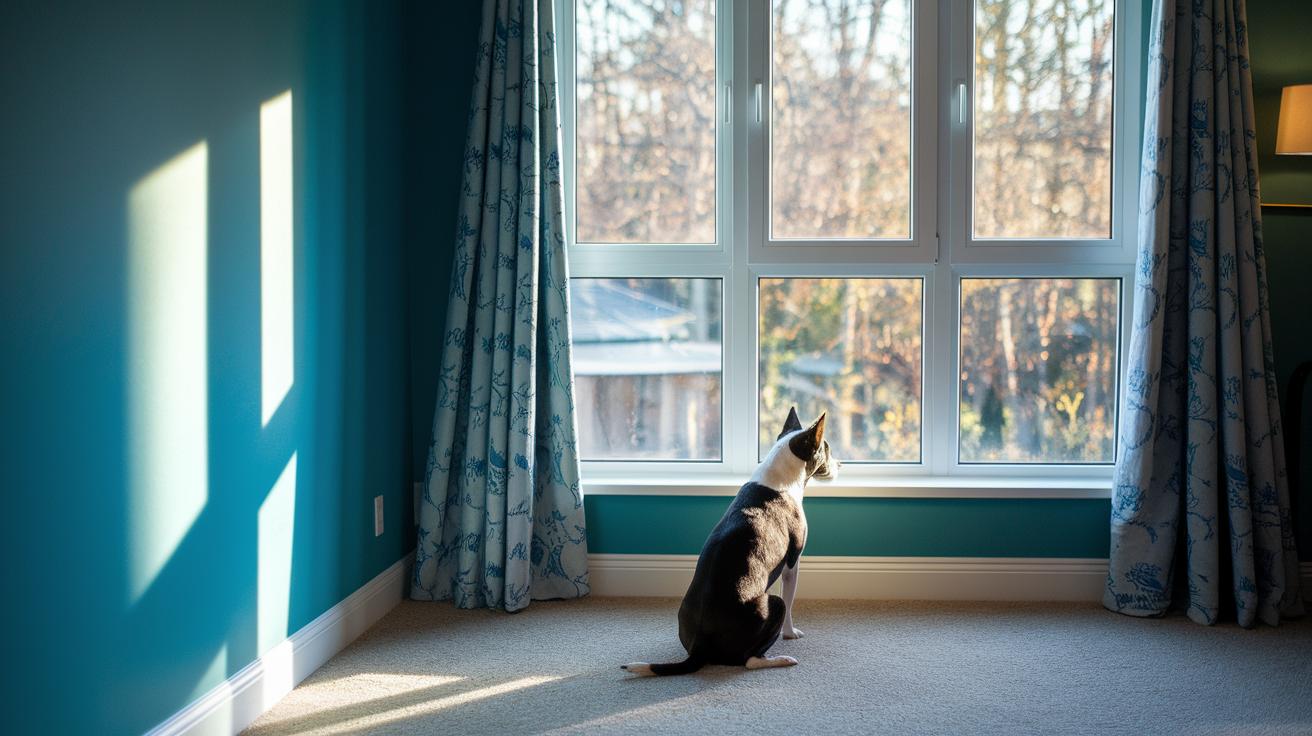
Changes in the weather, light, and air can make your pet act differently. Shifts in nature may change your pet's daily routine quickly and affect their energy and comfort.
Here are some common triggers:
- Temperature changes (like sudden cold or heat): Your dog might slow down during a cold snap, just like you might bundle up on a chilly day.
- Daylight changes: When days are shorter or longer, pets can adjust their sleep patterns much like we feel sleepier in dark days.
- Humidity and air pressure changes: When the air feels damp or heavy, your pet might seem less active or a bit withdrawn.
- Seasonal allergens and pollen: In spring and fall, extra pollen can lead to itching or sneezing, making your pet groom more often.
- Extreme weather events (like storms or frost): Sudden storms or frost can make your pet feel anxious and change their usual behavior fast.
Keeping an eye on these factors can help you spot changes in your pet early. That way, you can make small tweaks to help keep your pet comfortable all year long.
Winter Behavior Patterns in Pets
When winter arrives, many pets slow down and like to stay cozy indoors. They may sleep more and seem less eager for walks or play. Many dogs even choose a warm cushion over a brisk outdoor stroll on a chilly day. Short, gentle indoor play sessions can help keep your pet active while they enjoy extra rest.
Older pets can feel stiff in the cold. They do best with low-impact activities and extra soft bedding to stay comfortable. A heated pet bed, for example, can help ease stiff joints and encourage a bit of movement. Keep an eye on changes in behavior so you can spot signs of discomfort and help your pet feel better.
Summer Hyperactivity and Nutritional Needs in Pets
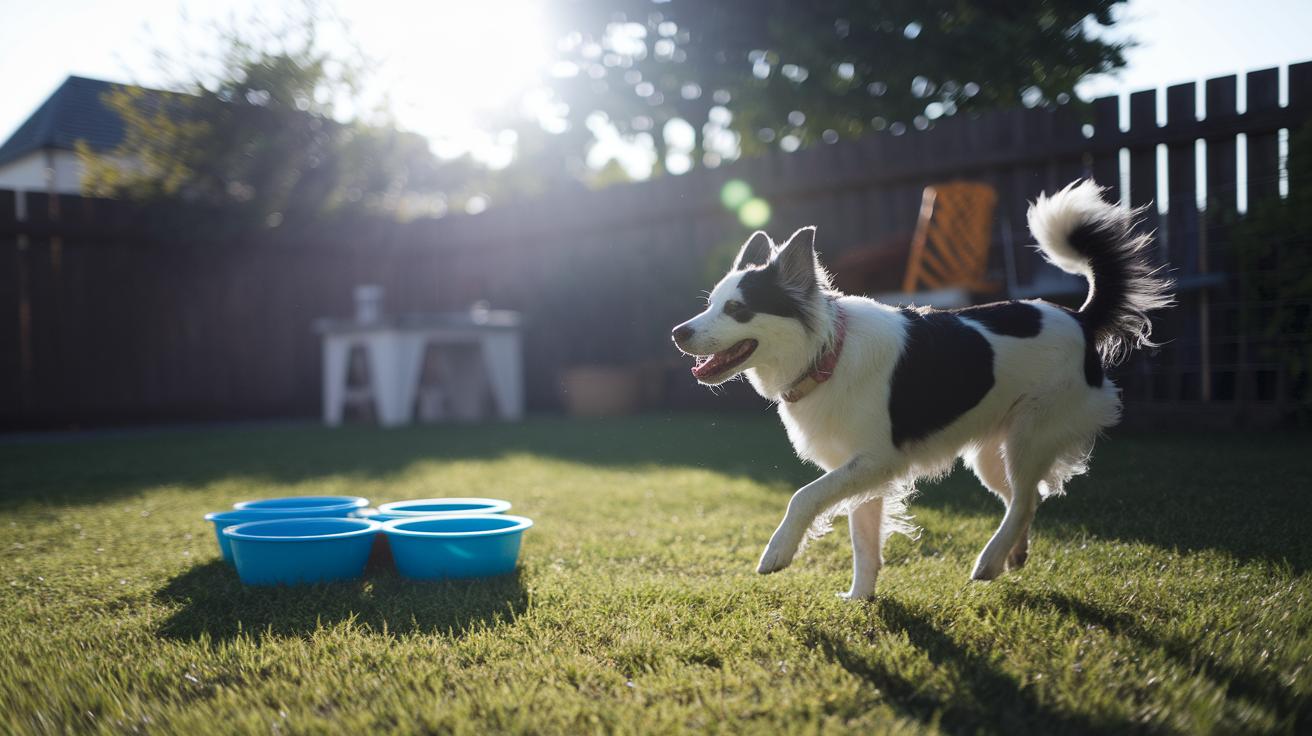
During hot summer days, your pet may become extra active in the cool early morning or at dusk. This is when they enjoy playing, running in the yard, or chasing a favorite toy. For example, you might see a dog sprinting happily on the lawn during a mild evening.
Keep water available at all times. Put water bowls in the shade and check them often so your pet always stays hydrated. You can offer small amounts of water more frequently during playtime to help manage their thirst. Changing their feeding routine to include smaller meals throughout the day can also support their energy needs without upsetting their digestion.
Watch for signs of heat stress like heavy panting, tiredness, or unsteady movements. If you notice these signs, let your pet rest and give them a cool treat like frozen fruit pieces to help lower their body temperature. Also, keep an eye on their weight to make sure changes in appetite or activity don’t affect their overall health.
Spring and Autumn Behavioral Shifts in Pets
Springtime Energy Surges and Allergy Considerations
In spring, pets often get a burst of energy that fills your home with fun. They become extra playful and curious, eager to explore outside and enjoy new sounds and sights. For instance, a dog might run excitedly after a ball, or a cat may jump at a beam of sunlight. These playful moments are great chances to bond and even teach simple tricks.
However, spring also brings higher pollen levels. This can cause pets to itch, sneeze, or develop mild skin irritation. To help, wipe their fur and paws after outdoor play with a damp cloth or pet-safe shampoo. Regular grooming can ease these allergy symptoms so your pet stays comfortable during their outdoor adventures.
Autumn Activity Reduction and Mood Changes
When autumn arrives, shorter days and cooler air can slow your pet down. They might sleep more and prefer a warm spot indoors instead of running around outside. This change in routine can sometimes make them seem a bit quieter or less engaged with their usual games. Noticing these shifts early on gives you a chance to adjust their daily routine.
Try adding short indoor play sessions and slightly changing walk times to keep your pet active without facing too much chill. Mixing brief bursts of exercise with plenty of rest helps keep them both active and relaxed. Small adjustments like these ensure your pet stays healthy and happy throughout the autumn season.
Managing Seasonal Grooming, Diet, and Exercise for Changing Climates
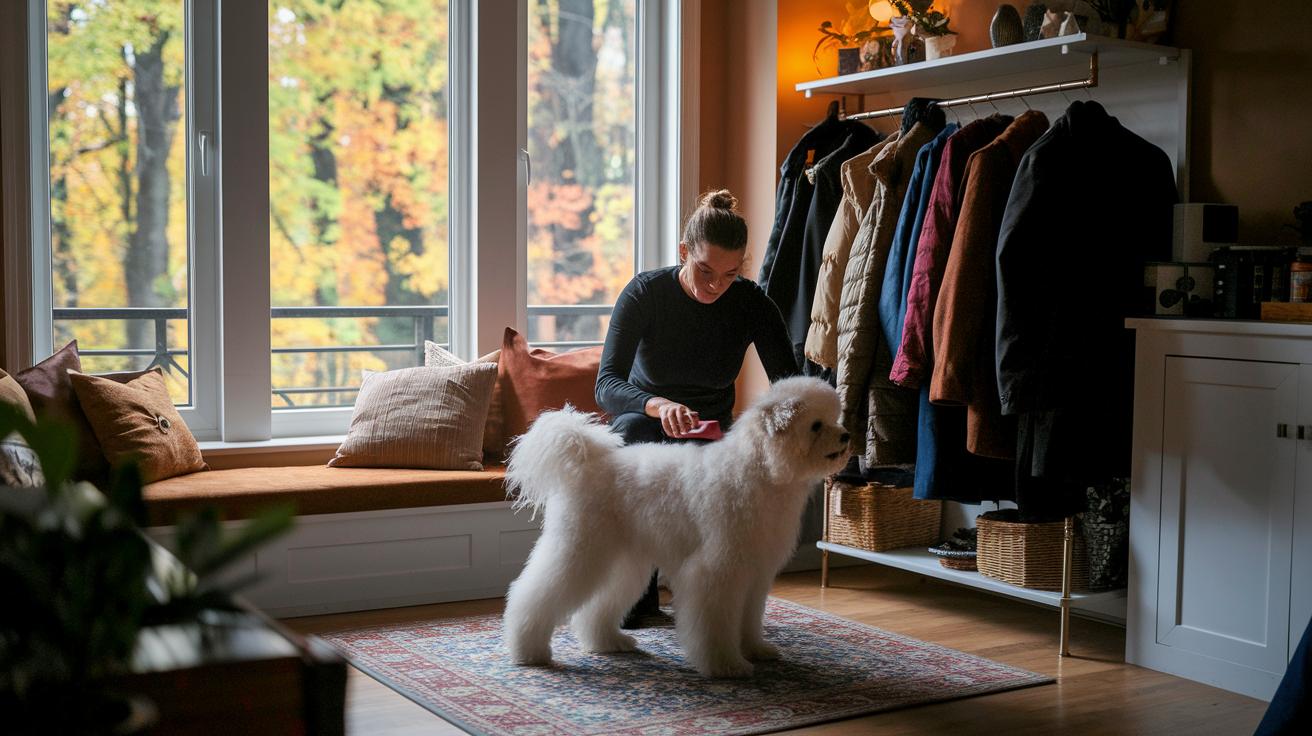
As the seasons change, you might need to adjust your pet care routine. When spring or autumn arrives, pets often go through a coat-renewal period. Brushing them a bit more during these times can help remove extra fur and keep their coat looking neat. For extra advice on healthy fur care, visit pet grooming 101 (https://petsnewz.com?p=1113).
Your pet’s diet may also need a little tweak. In the winter, a protein-rich meal helps keep them warm. In the summer, lighter and more frequent meals can prevent them from overeating, and it’s always a good idea to make sure they drink enough water.
Exercise routines change with the weather too. Cold days might call for fun indoor games, while pleasant, cool mornings are great for a quick walk or playful outdoor time.
| Season | Grooming Task | Nutrition Adjustment | Exercise Recommendation |
|---|---|---|---|
| Spring | Increase brushing to remove loose fur | Moderate meals with balanced nutrients | Daily walks with play sessions |
| Summer | Frequent cleaning of fur and parasite checks | Lighter meals and extra water intake | Early-morning walks and indoor games |
| Autumn | Regular brushing to control shedding | Balanced diet with extra fiber | Combination of outdoor play and indoor activity |
| Winter | Monitor for dry skin and use pet-friendly moisturizers | High-protein meals to support body warmth | Indoor enrichment and short, brisk walks |
A seasonal plan that covers grooming, diet, and exercise can help your pet stay comfortable and active all year long. By making simple adjustments, you can prevent issues like too much shedding or weight changes, ensuring your pet feels great in every season.
Preparing for Seasonal Transitions: Practical Tips for Pet Owners
Start by checking your local weather forecast and slowly adjusting your pet’s daily routine. For example, shift walk times, play sessions, and feeding schedules to suit the new temperature. Use a calendar to mark these seasonal changes so your pet can gradually get used to the new rhythm.
During quieter days, especially around holidays when pets might feel extra stress, try adding some fun mental activities. Offer interactive toys or puzzle feeders to keep their minds engaged. Watch for any small changes in energy or mood, and tweak the routine as needed. These gentle adjustments help lower stress and bring more joy to your pet’s life.
If you notice big changes like constant tiredness, extra anxiety, or a change in appetite that goes beyond normal seasonal shifts, it might be time to call your veterinarian. A quick check can rule out any health concerns and make sure your pet’s new schedule is just right.
Final Words
In the action, we explored how weather, daylight, and seasonal shifts shape your pet's mood and routines. We walked through winter's quiet energy, summer's playful bursts, and spring and fall adjustments. We also shared practical tips on grooming, nutrition, and exercise to support your pet through each season. Monitoring these factors helps you catch early signs and adjust care smoothly. Keep a watchful eye as you notice seasonal pet behavior changes, and enjoy every moment of your pet’s well-being throughout the year.