



Ever wondered if changing your pet's food might upset their routine or stress them out? A smooth switch keeps your pet comfortable and healthy. Start by measuring each meal and slowly mixing a small amount of the new food into their usual bowl. This gentle change lets your pet adjust without a fuss. In this guide, you'll find easy steps to create a calm feeding routine that works for your furry friend. Stick around for simple tips that make a diet transition stress-free and help your pet thrive.
Applying Pet Diet Transition Tips for a Smooth Food Change
When changing your pet's food, take a slow and steady approach that meets their unique needs. Measure each portion carefully and serve meals at the same time every day. Adjust the meals depending on your pet’s breed, known allergies, and dietary goals. Adding a little bit of freeze-dried raw food or a tasty topper can make the new food more appealing without upsetting their stomach. For more help, check out the guide on Understanding Pet Food Nutrition Labels.
Keep your pet’s feeding area simple and familiar. Begin by mixing a very small portion of the new food with their regular meal. Over a few days, slowly increase the amount of new food. This method lets you watch their stool and behavior to catch any changes early. By following clear, step-by-step instructions, you can see when to slow down or adjust the transition if needed.
Below are some key points to remember:
| Tip | What to Do |
|---|---|
| Measure Portions | Use a measuring cup to be precise. |
| Consistent Feeding Times | Stick to the same schedule daily. |
| Gradual Change | Mix a small amount of new food with the old. |
| Monitor Behavior | Watch for any changes in stool or energy. |
| Stay Hydrated | Always provide fresh water. |
Remember, a smooth switch is about balance and observation. If your pet shows signs of discomfort or hesitation, slow down the change. Patience and small steps give your pet the best chance to adjust and stay healthy during the transition.
Step-by-Step Timeline and Mixing Ratios for Your Pet’s Diet Transition

Start by making a simple plan to help your pet get used to new food. For the first two days, serve the new food in its own bowl. This lets your pet try the taste and feel of the food without mixing it with their regular meal. Offer a small amount at first and see if your pet is curious.
When your pet shows interest, begin mixing the new food with the old food in clear steps. This careful blend helps your pet’s tummy adjust slowly and avoids any sudden upset.
For dogs, a 10-day plan works well. Each phase, you add a little more new food. Cats may need 10 to 14 days because they can be a bit more sensitive. The table below gives you the mixing ratios for dogs:
| Day Range | New Food % | Old Food % |
|---|---|---|
| Days 1-3 | 25% | 75% |
| Days 4-6 | 50% | 50% |
| Days 7-9 | 75% | 25% |
| Day 10 | 100% | 0% |
Keep these tips in mind as you adjust the food:
- Serve a small amount of the new food on its own at first.
- Watch your pet’s energy and the look of their stool. These can show if their tummy is okay.
- If your pet seems unsure or gets a bit sick, stay on the same ratio a few more days before moving on.
- Make slow changes to get the perfect balance, especially for pets with sensitive stomachs or picky eaters.
It also helps to feed your pet in the same spot and bowl each time. This routine makes them feel safe during the change. If you see signs like vomiting or diarrhea, slow the change even more and try extra days on the same mix.
Remember, every pet is different. Some dogs may switch quickly while some cats take a bit more time. Follow these steps to make the diet change gentle and effective for your pet’s health.
Monitoring Reactions During Pet Diet Transition
Keep a close eye on your pet when you change their food. Notice little changes in their play, movement, or if they hide more than usual. For instance, if your cat finds a quiet corner to settle after eating, it might mean you need to slow down the switch.
Stick to the same feeding spot and use the bowl they love. If you see signs like loose stool, vomiting, or diarrhea, stop tweaking the food mix until things settle down. This pause helps you decide if you should extend the current phase or change the mix without added stress.
- Watch for less playfulness or changes in rest.
- Look out for any unusual behaviors or signs of discomfort.
- Check your pet’s stool often to see if it’s normal.
- Keep the feeding routine consistent to avoid extra stress.
Customizing Pet Diet Transition Tips for Dogs and Cats
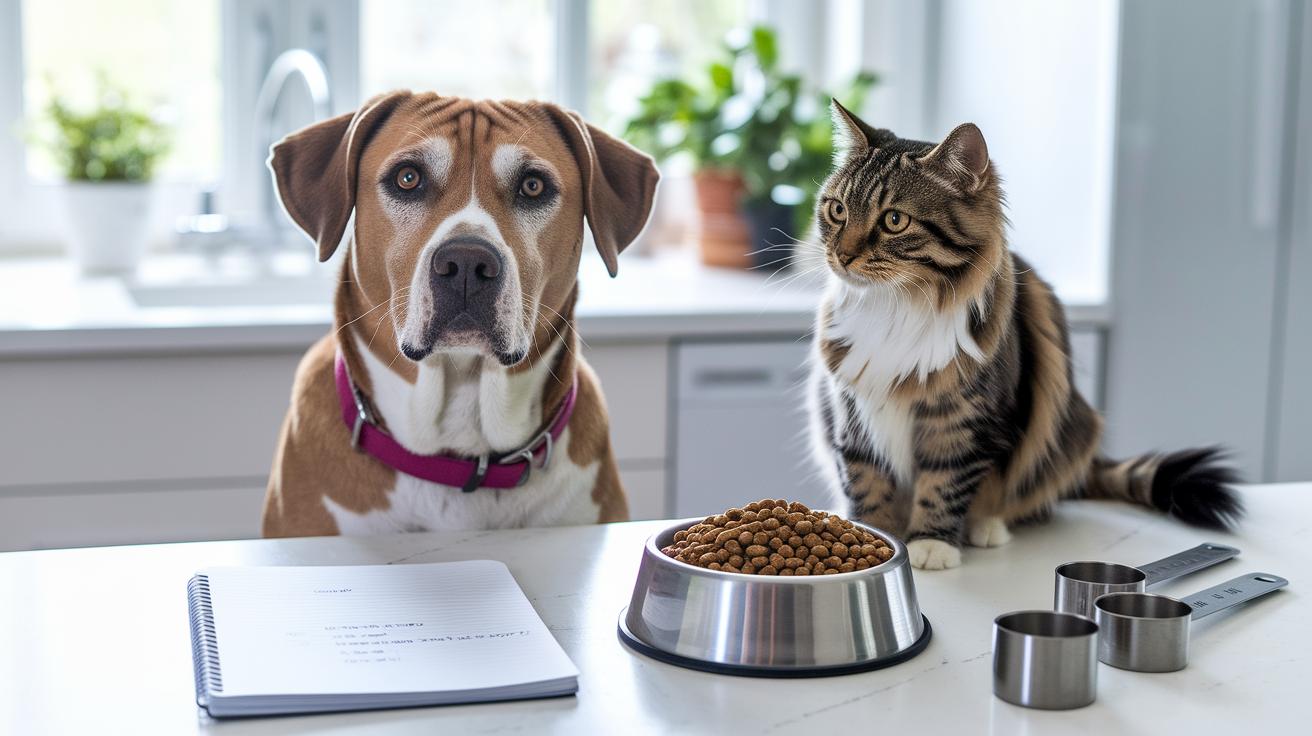
Dogs usually take 7 to 10 days to adjust to new food. Start small by mixing a little of the new food with their regular meal. As days pass, slowly change the mix while watching for any unusual behavior. You can even create a custom recipe that meets their energy needs. For more details on dry versus wet food, check out Dog Food Nutrition Facts Explained.
Cats need a bit more time, about 10 to 14 days, to get used to a change in food. They are sensitive to different textures and flavors. Try adding a wet food topper or some freeze-dried treats gradually, and adjust the moisture to fit their usual meals. Think of it like perfecting a home-cooked dish, introduce one new ingredient at a time until it suits your cat’s taste. Keep an eye on their appetite and behavior to make sure the change is easy on them.
Enhancing Nutrition and Supplementation During Your Pet Diet Transition
When you switch your pet's food, you can add nutrition boosters that help with digestion and keep their meals balanced. Start with a small amount of probiotics (good bacteria that help digestion). Even a pinch of probiotic powder can smooth out your pet's digestion over time.
Next, include high-quality lean proteins like chicken or fish, foods rich in fiber such as pumpkin, and healthy fats like salmon oil. These ingredients build a strong, balanced diet for your pet.
For extra flavor and nutrients, try adding bone broth or lightly cooked vegetables on top of meals. These natural additions provide vitamins and minerals that are important for overall health. Adjust your pet's vitamin and mineral intake gradually by mixing in small amounts of these boosters.
Keep an eye on how your pet reacts while you experiment with different combinations. Change dosages slowly and always watch your pet’s overall well-being as you fine-tune their new meal plan.
Common Pitfalls in Pet Diet Transition Tips and How to Avoid Them
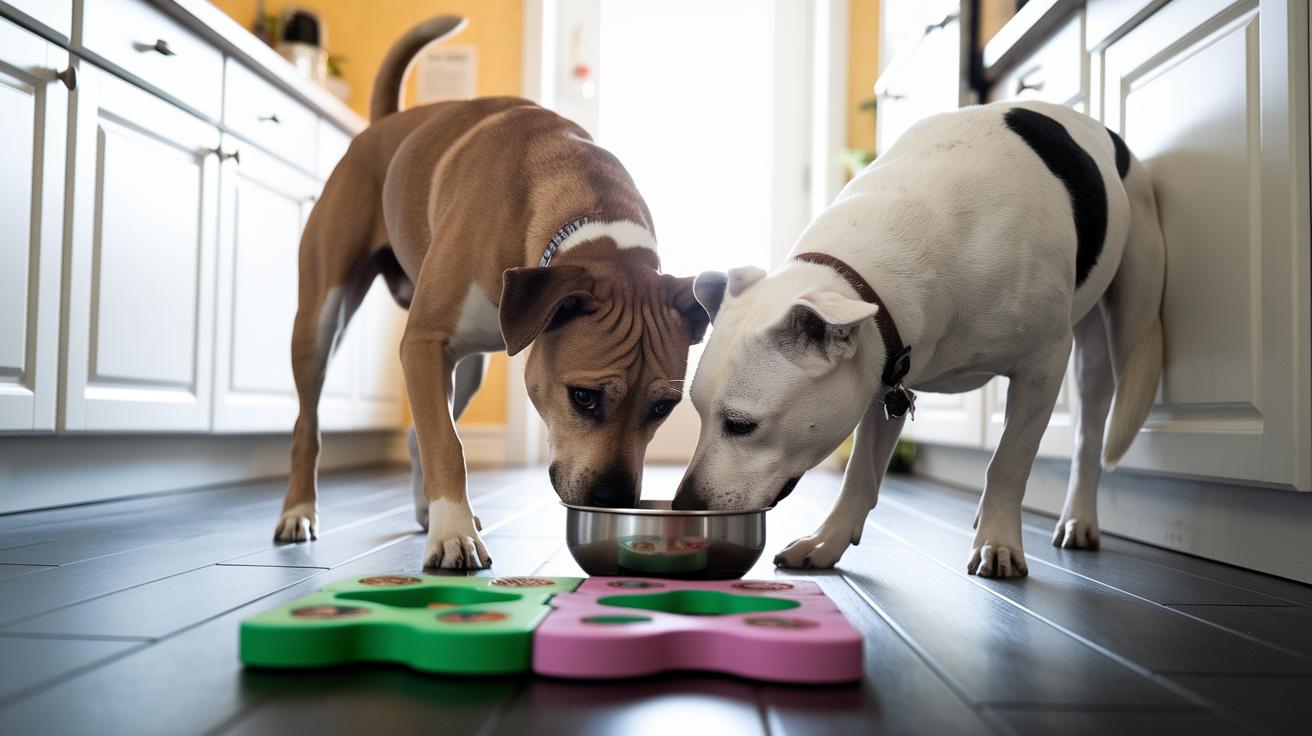
Sometimes even a slow change in your pet's food can cause unexpected reactions. To play it safe, start with a trial phase using one new, vet-approved ingredient at a time. For example, mix a tiny amount of a single protein like novel protein (about 1/8 teaspoon for small dogs) to see how your pet handles it.
If your pet is a picky eater, watch for small signs like lingering near the food bowl, frequent sniffing, or pawing at their bowl. These could be hints that they need something a bit more fun. Try serving their food in a puzzle feeder to encourage their natural foraging instincts.
Here’s a quick list of tips:
- Begin with one new ingredient at a time using a trial phase.
- Look for subtle behaviors such as extra sniffing or pawing.
- Use interactive feeding toys to help your pet explore new food.
- Check with your vet for more advanced allergen prevention ideas.
Expert Veterinary Consultation for Pet Diet Transition Tips
Before you change your pet’s food, book a routine check-up with your vet. They can make sure your pet is healthy enough for a diet switch and may recommend simple blood tests (which look at your pet's body functions) if your pet has ongoing health issues.
Good advice is crucial when your pet has allergies or food sensitivities. Ask your vet to help you read food labels so you can pick items with clear, high-quality ingredients. Their guidance makes it easier to plan a safe, slow transition that meets your pet’s unique needs and keeps them healthy.
Final Words
In the action, this guide details a quick-start checklist, a clear mixing timeline, and advice on monitoring your pet’s reactions during food changes. It shows how to customize the switch for dogs and cats, boost meals with nutritional supplements, and avoid common pitfalls with professional help. Use these pet diet transition tips to adjust safely and keep your pet happy.
Be confident moving forward with these actionable steps. Your pet will feel more comfortable every step of the way.
FAQ
What are the best pet diet transition tips?
The best pet diet transition tips involve starting by combining a small portion of new food with the old, measuring portions carefully, and watching for any changes in behavior or stool quality.
What are key cat food transition tips?
The key cat food transition tips include slowly blending the new formula with the current one using a clear cat food transition chart, monitoring your cat’s eating habits, and adjusting portions as needed for a smooth change.
What symptoms indicate a dog food transition is too fast?
The symptoms that indicate a dog food transition is too fast include vomiting, diarrhea, or a noticeable drop in appetite, signaling that the change may be causing digestive upset.
How can I use a dog food transition chart or calculator to plan my pet’s meal mix?
A dog food transition chart or calculator helps by outlining daily mixing ratios (like 25% new, 75% old) that guide you step by step, minimizing digestive issues during the change.
How do I safely switch dog food without mixing?
Safely switching dog food without mixing is not usually recommended, as transitioning gradually by mixing helps prevent digestive upset and ensures your pet adjusts smoothly to the new food.
What is the 80/10/10 rule for dog food?
The 80/10/10 rule for dog food refers to a nutritional guideline where 80% of the diet is made up of protein, 10% is fat, and 10% is carbohydrates to support balanced nutrition.
What is the 90/10 rule for dog food?
The 90/10 rule for dog food suggests that 90% of the calories should come from lean protein while the remaining 10% comes from fat, aiming to provide energy while limiting excess fat.
How do I properly transition my pet to new food?
Properly transitioning to new food means gradually increasing the new food over a period, mixing it with the old in set ratios, and closely monitoring your pet’s stool, appetite, and overall behavior.
How do I transition to an animal-based diet?
Transitioning to an animal-based diet involves slowly increasing the animal protein component while reducing other ingredients, allowing your pet’s digestive system time to adjust to the new nutritional profile.