



Have you ever seen your pet bring up a clear liquid? This might be their way of saying their tummy needs a little break. When your pet hasn't eaten for a while, their body can produce extra bile (a bitter fluid that helps digest food), which might upset their stomach. Feeding them a diet of clear liquids can help calm things down after a risky snack or surgery. This diet gives their digestive system a rest while slowly adding back fluids they need to stay hydrated. In this post, we’ll share when a clear liquid diet is needed and how you can safely help your pet feel better.
When a Clear Liquid Diet Becomes Necessary for Pets
Pets sometimes throw up clear fluid when their stomach has been empty for 6 to 12 hours. This often happens early in the morning when bile (a yellowish fluid from the liver) builds up in an empty stomach. You might notice clear or slightly yellowish vomit if your pet hasn’t eaten since dinner the night before.
Sometimes a clear liquid diet is needed after your pet eats something unusual or fatty treats that upset their tummy. It may also help after surgery or when your pet is dealing with a mild stomach upset. A clear liquid diet gives their digestive system a chance to rest and recover.
Here’s what you can do:
- Hold off on giving food for 6 to 12 hours. This short fast lets the stomach settle.
- Offer small, frequent sips of water. Use a shallow dish or syringe to carefully control the amount and keep your pet from getting too much at once.
- If the vomiting goes on for more than 24 hours or you think something might be blocking their gut, call your veterinarian right away.
These steps help soothe your pet’s upset stomach while keeping them safe and comfortable.
Veterinarian-Approved Fluid Nutrition Protocols for Pets
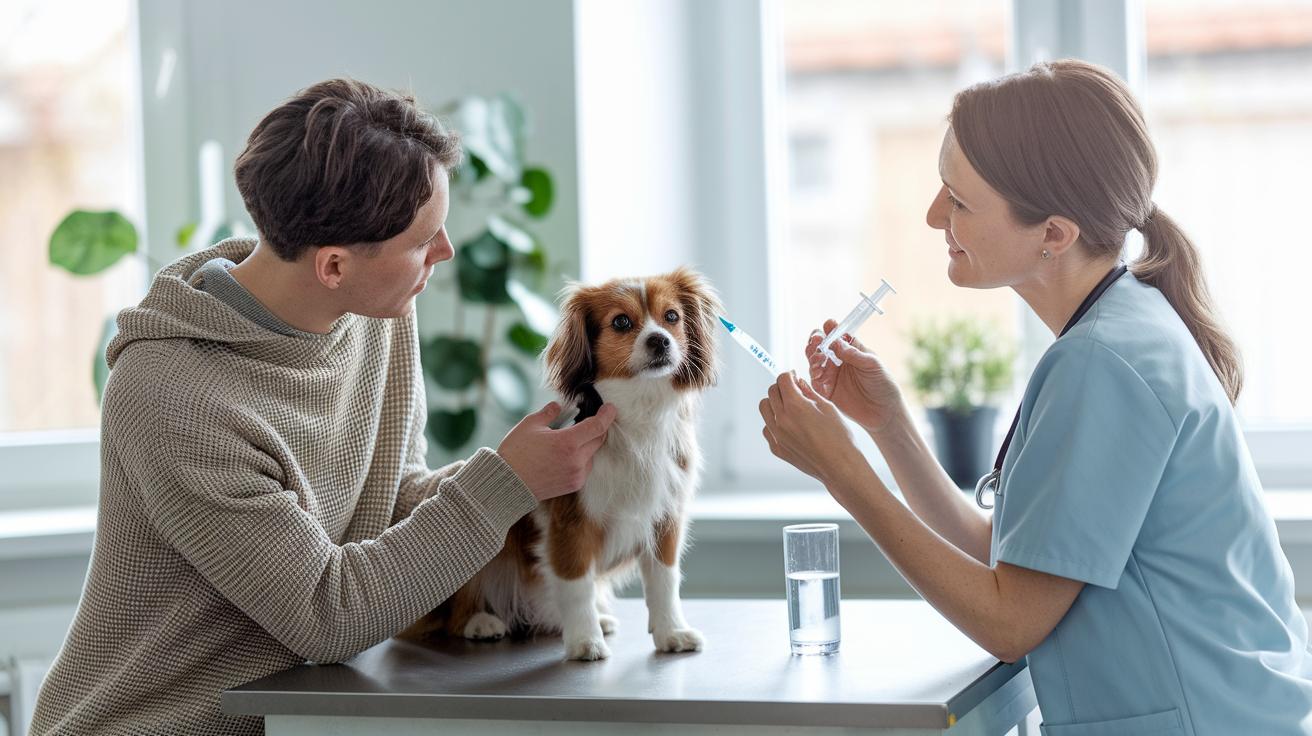
When your pet is vomiting or having a hard time keeping food down, your vet might suggest a careful fluid nutrition plan. Often, vets give anti-nausea drugs and medicines that lower stomach acid to help with problems like pancreatitis (inflammation of the pancreas) or acid reflux (when stomach acid comes back up). These medicines work to soothe the stomach and ease the irritation that leads to vomiting. A big part of these plans is controlled oral hydration (giving small amounts of water by mouth) to keep your pet hydrated. For example, your vet might suggest giving small sips of water every 10 to 15 minutes. This helps balance the electrolytes (minerals that keep your pet’s cells working well) without upsetting the stomach too much.
Sometimes, if there is a blockage or your pet has been exposed to toxins, the vet might use an IV (a tube that delivers fluids directly into the vein) to rehydrate them quickly and balance their electrolytes more precisely. This method is common when your pet might have swallowed something harmful or non-food items. It’s very important to follow your vet’s plan closely and never let a fasting period go longer than 12 hours without checking with a professional. Always keep in touch with your vet to make sure the medicines and fluids are safe and working well for your pet's needs.
By sticking to your vet’s advice, you help prevent more problems and give your pet the best chance to recover safely.
Recommended Clear Liquids and Hydration Solutions for Pets
When your pet has an upset stomach, clear fluids can help their digestion without adding stress. Start with plain water in small, controlled sips. Use a syringe or a shallow dish to slowly give about 1–2 teaspoons every 10–15 minutes during the first 6–12 hours. Once your pet handles water well, you can add other fluid options.
Unflavored veterinary electrolyte solutions work well next. They replace key minerals like sodium and potassium (important for muscle and nerve function) lost from vomiting. Follow your vet’s instructions to mix the solution, and offer it in small, steady sips.
Homemade clear broth is another gentle choice when water feels too plain. Make sure the broth has no onions, garlic, or extra seasoning as these can upset your pet’s stomach. Serve the broth lukewarm and give a little bit every few hours.
High-moisture wet pet food is a tasty alternative. It contains up to 75% water, unlike dry kibble which has about 10% water. When your pet is stable and well-hydrated, start adding a little wet food to their water to form a smooth, liquid mix during the early recovery stage.
Below is a quick list of four clear fluids with serving tips:
- Plain water: Give 1–2 teaspoons every 10–15 minutes.
- Veterinary electrolyte solution: Mix as your vet directs and serve in small sips.
- Homemade broth (no onions/garlic): Offer lukewarm in small amounts every few hours.
- High-moisture wet food: Begin with small portions, mixing with water if needed.
These steps help maintain safe hydration for your pet while easing an upset stomach.
Duration and Transition: Moving from Fluids to Solids in Pet Care
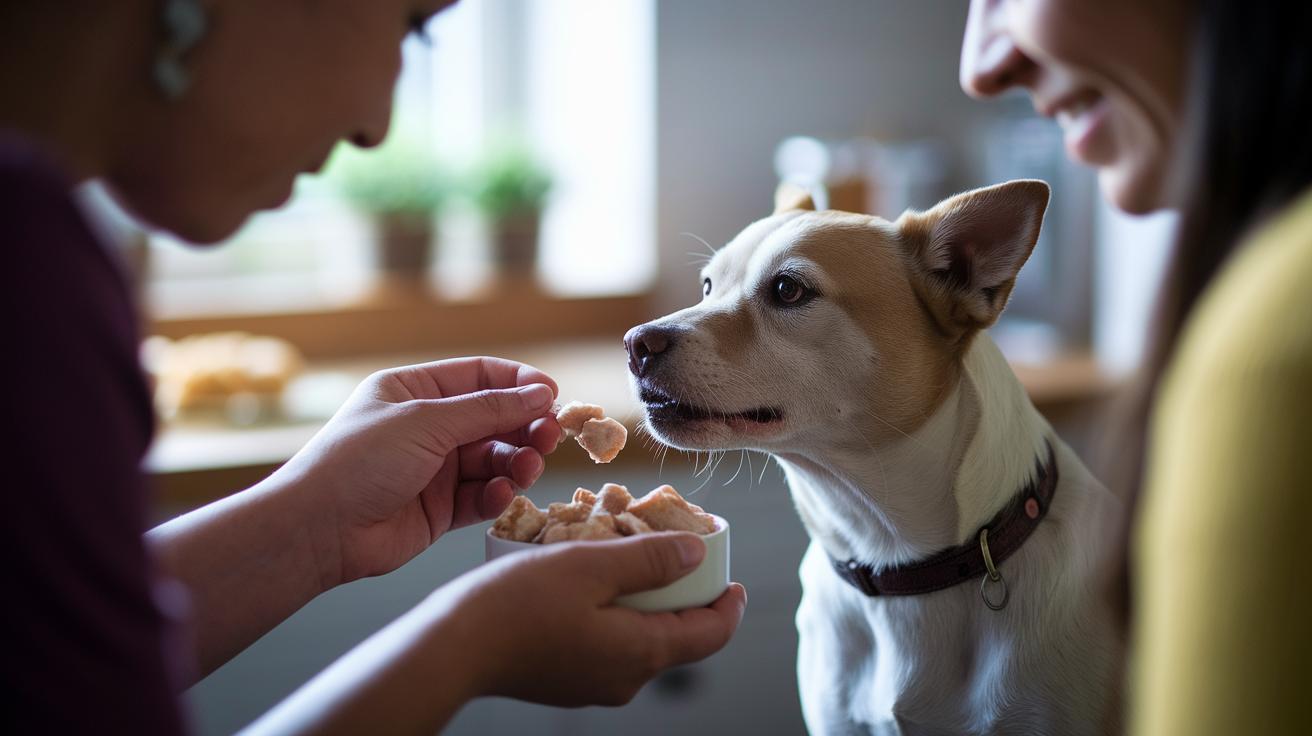
Once your pet has gone 12–24 hours on clear fluids without any vomiting, it's time to slowly mix in some bland food like boiled chicken or rice. Start with tiny portions so your pet’s stomach can get used to eating again. Keep away from fatty foods, treats, or table scraps for at least three to five days after the fluid phase. This plan helps avoid setbacks and lets you watch your pet's recovery closely. One pet owner shared, "We mixed a little chicken with water and gradually increased the solids until my dog was back to normal."
Here’s a simple day-by-day guide to help your pet get back on track:
| Day | Fluid Percentage | Solid Percentage | Diet Details |
|---|---|---|---|
| Day 1 | 75% | 25% | Clear fluids with small amounts of bland food |
| Day 2 | 50% | 50% | Slowly add more bland food |
| Day 3 | 25% | 75% | Mostly bland food with few fluids |
| Day 4 | 0% | 100% | All food is now the bland diet |
Watch your pet's appetite and stool. If something seems off or the change takes too long, it might be more than just a minor upset. Adjust the food and call your vet if your pet doesn't seem better or appears uncomfortable.
Monitoring and Managing Risks During a Pet’s Clear Liquid Diet
When your pet is on a clear liquid diet, it’s important to watch them closely. Check their gums, how tight their skin feels (skin turgor), and how much they pee every hour. This routine helps you spot early signs of dehydration, like gums that feel dry or sticky. Write down any changes you see.
If your pet starts vomiting again, stop giving them water for a full 4 hours until they show no symptoms. This pause helps settle their stomach and prevents more irritation. If your pet keeps vomiting clear fluids or seems very tired, these are serious signs. They could indicate issues like pancreatitis (inflammation of the pancreas), a blockage in the stomach or intestines, or another urgent problem. Contact your vet right away.
Key tips to follow:
- Check hydration every hour.
- Stop fluids if vomiting occurs again until there is a 4-hour clear window.
- Call your vet immediately if your pet vomits more than once in 24 hours or appears lethargic.
Following these steps keeps your pet safe while they recover on a clear liquid diet, giving them the best chance to heal.
Practical Home Care Tips for Pet Owners During Liquid Feeding Regimens

Give your pet clear liquids with a syringe or a shallow dish. This way, you control how much they drink and slow down gulping. Start with 1 to 2 teaspoons (about 5–10 ml) every 10 to 15 minutes. Watch your pet closely for any changes in behavior or signs of trouble.
Keep the space calm to help reduce your pet’s stress. Try using simple distractions to ease hunger. For instance, offer a chew toy when your pet paws at the floor, or gently apply a cold compress. These ideas help keep your pet comfortable during recovery while following the main feeding instructions.
Final Words
In the action, we covered key points about managing a clear liquid diet for pets. The post explained when a fasting period is needed, how to manage hydration with safe fluids, and steps to transition to a bland diet. We outlined simple tips for monitoring signs of dehydration and when to seek vet guidance. Each section offers clear steps and supportive advice to help keep pets safe and on the path to recovery. Stay confident in caring for your pet's needs and celebrate their progress.
FAQ
What is included in a clear liquid diet menu for colonoscopy and when should you start it?
The clear liquid diet for colonoscopy includes water, broth, clear juices, and gelatin. Patients usually begin this diet the day before the procedure, following their doctor’s instructions.
What clear liquid diet foods feel filling?
Clear liquid diet foods feel filling when they include nutrient-rich broths or electrolyte beverages. They offer hydration but provide fewer calories than solid meals.
What clear liquid diet dinner options and soups are allowed?
A clear liquid diet dinner can include strained soups like chicken broth. Only clear soups without solid bits or seasonings are allowed to keep the digestive system rested.
Where can I find a clear liquid diet PDF and a 7-day liquid diet menu?
Printable guides and 7-day liquid diet menus are available from reputable health sites or your healthcare provider. Always follow professional advice when using these resources.
When should you begin a clear liquid diet?
A clear liquid diet is usually started when advised by your doctor or veterinarian, such as before a procedure or when digestive rest is needed following vomiting.
Can I syringe feed my sick dog?
Syringe feeding your sick dog can be safe for offering small amounts of clear fluids, but you must follow veterinary guidance to avoid choking or aspiration.
What causes a dog to throw up clear liquid?
Dogs may throw up clear liquid due to an empty stomach or bile buildup. If vomiting persists, it may signal an upset stomach or another issue, and you should contact your veterinarian.
What are four recommended clear fluids for pet hydration and how should they be served?
Recommended clear fluids help keep pets hydrated during recovery. They include:
- Plain water: Offer in small, frequent sips to prevent stomach upset.
- Unflavored electrolyte solutions: Serve in measured amounts according to package directions.
- Homemade broth: Provide warm and strained broth free of onions or garlic.
- Diluted high-moisture wet pet food: Thin with water to increase fluid intake while providing nutrients.