

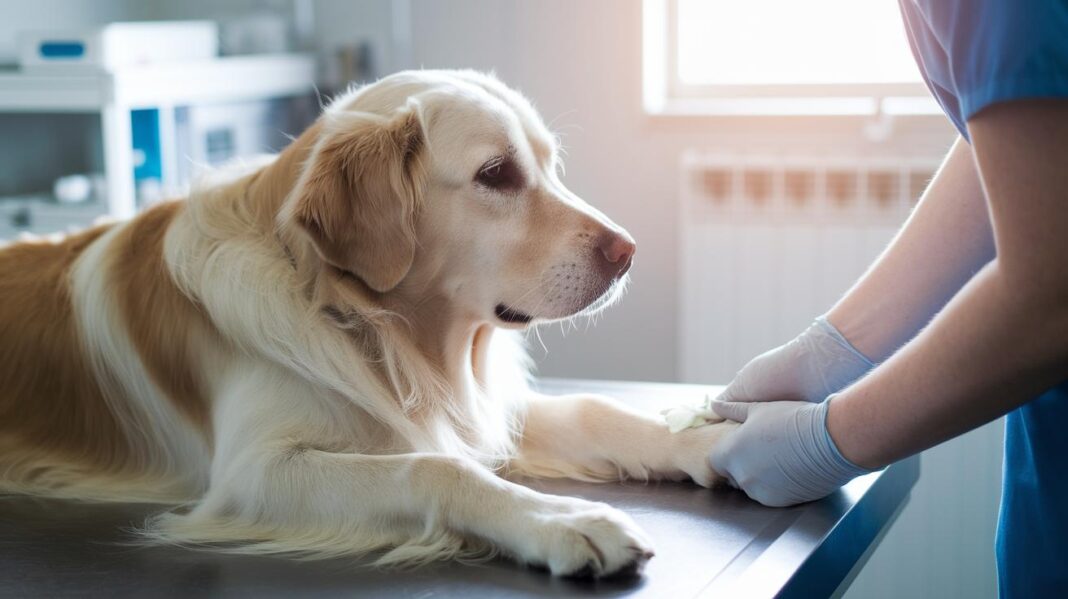

Does your dog wince when taking a step? Arthritis can make a lively pup become stiff and sore. Luckily, there are treatments that can help reduce swelling, rebuild joint cushioning (cartilage), and strengthen muscles. Whether you try gentle medicines or calming physical therapies, there are ways to ease your dog's pain and help them move more freely. This guide shows you simple, proven steps to make your furry friend feel better.
Comprehensive Arthritis Treatment for Dogs: Medications, Supplements, and Therapies
Arthritis makes your dog's joints swell and stiffen, causing pain and limiting movement. It is most often seen as osteoarthritis in older dogs, though sometimes younger pets are affected too. Vets work closely with pet parents to create plans that ease pain and strengthen joint health.
Treatment focuses on three main goals: lowering inflammation, supporting cartilage repair, and keeping muscles strong.
- Prescription NSAIDs to reduce inflammation
- Pain relievers and corticosteroids for managing discomfort
- Joint supplements like glucosamine and chondroitin that help rebuild cartilage
- Omega-3 fatty acids (from fish oil) to soothe joint swelling
- Physical therapies such as hydrotherapy, massage, and range-of-motion exercises to boost flexibility and muscle strength
- Weight management and gentle exercise to lessen extra pressure on your dog's joints
For example, using prescription NSAIDs can cut down swelling, while pain relievers help with strong discomfort. Meanwhile, supplements work to repair cartilage and pair well with omega-3 fatty acids to ease joint swelling further. Physical therapies, like a relaxing hydrotherapy session or a gentle massage, can really help improve muscle tone and keep joints moving smoothly. And by keeping your pet at a healthy weight with light exercise, you reduce extra stress on their joints, allowing for better movement and comfort.
Holistic and Home-Based Arthritis Care for Dogs
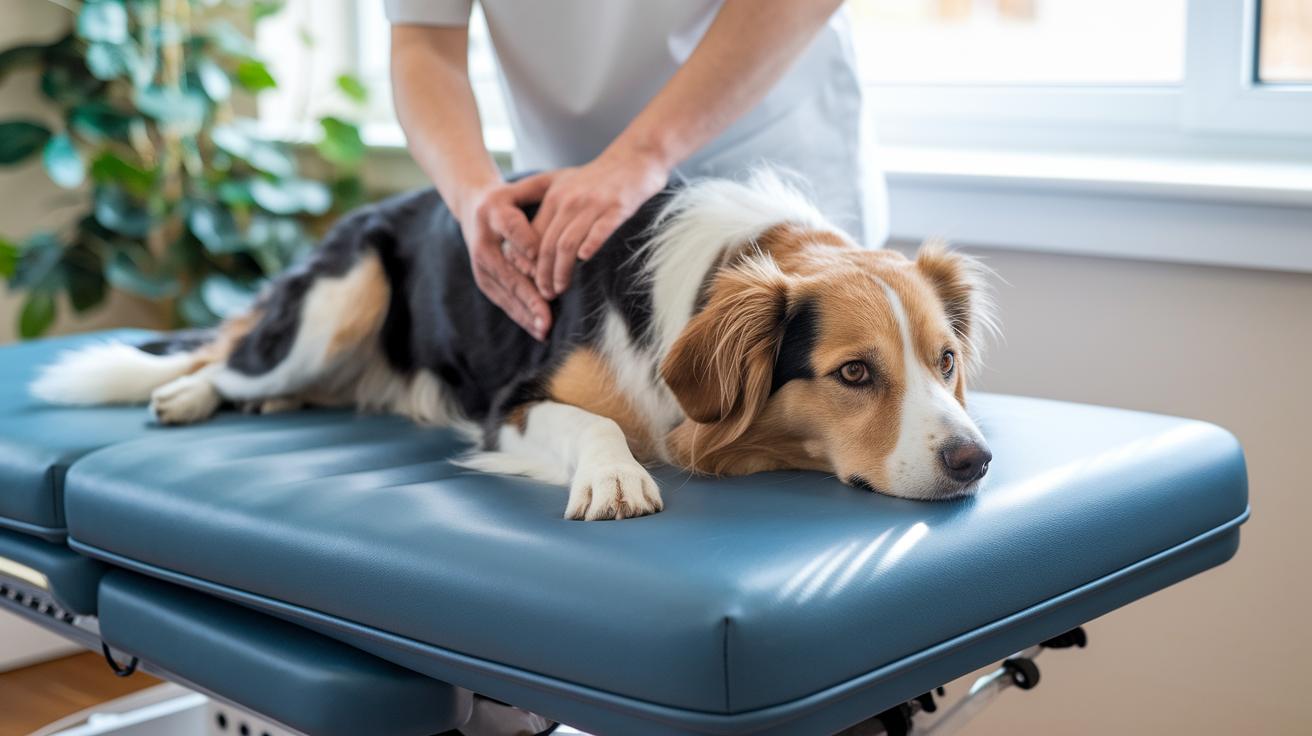
Many pet owners turn to treatments like acupuncture, chiropractic care, and low-level laser therapy to help ease their dog's joint pain. Acupuncture uses very thin needles placed at key spots to reduce discomfort. Chiropractic care gently moves the bones back into proper alignment so your pet can move more easily. Low-level laser therapy warms inflamed areas and encourages the body to heal naturally. These methods complement your vet’s advice to create a balanced plan for managing arthritis.
At home, simple changes can also help your dog feel better. A supportive orthopedic bed cushions tired legs and eases joint pressure. Adding ramps or steps helps your pet access couches or cars without strain. Non-slip mats and area rugs prevent slips on smooth floors, keeping your dog safe. Maintaining a healthy weight with balanced meals and gentle exercise further protects their joints. These small adjustments make daily routines safer and more comfortable for your arthritic friend.
Nutritional Support and Supplements in Arthritis Treatment for Dogs
A healthy diet is key to keeping your dog's joints strong, especially when arthritis (joint pain and inflammation) is present. Special pet diets enriched with omega-3 fatty acids from fish oil can help calm swelling and boost comfort. Some supplements also work to rebuild worn cartilage and keep your dog's joints moving smoothly.
Supplements like glucosamine and chondroitin sulfate team up to repair and smooth out the joints. Antioxidant vitamins C (which supports healing) and E (which fights damaging free radicals) protect joint tissues. With advice from your veterinarian, these dietary additions may help your dog move easier and feel better. Here’s a quick look at some popular supplements for supporting your dog's mobility:
| Supplement | Key Benefit | Recommended Dose |
|---|---|---|
| Glucosamine | Helps rebuild cartilage | 500–1,000 mg/25 lb/day |
| Chondroitin Sulfate | Keeps joints smooth | 400 mg/25 lb/day |
| Omega-3 Fish Oil | Reduces inflammation | 100 mg EPA + DHA/10 lb/day |
| Antioxidant Vitamins C & E | Fights joint stress | Use as per label |
Keep in touch with your veterinarian to ensure the supplement plan is working well and make any needed adjustments.
Physical Therapy and Exercise Regimens for Canine Arthritis Recovery

Hydrotherapy
Warm-water treadmill sessions or pool swims in temperature-controlled water can help relieve joint pain and build muscle strength. Studies show that water therapy can lower joint stress by about 30% while improving muscle tone. Imagine your dog gliding through the warm water, each step easing pain as the water supports their body.
Therapeutic Massage
Gentle, rhythmic massage can ease joint tension and boost blood flow, which helps reduce swelling. Research has found that dogs given daily gentle massages often see clear improvements in their mobility in just a few weeks. Picture a calming routine with soft, systematic strokes that help relax tired muscles and ease discomfort.
Range-of-Motion Exercises
Guided movements, whether you help your dog move their joints (passive) or let them move on their own (active), keep their joints flexible and prevent stiffness. Short, controlled stretching sessions several times a day can slow down joint tightness and support smoother movement. Think of it like a light warm-up before a walk, where you carefully guide your dog’s leg through each stretch.
Diagnostics and Veterinary Protocols in Arthritis Treatment for Dogs
Arthritis in dogs often starts with signs like limping, stiffness when getting up or lying down, and a reluctance to climb stairs or play. If you notice these changes, it's best to take your dog to the vet right away.
At the vet, they may use X-rays (radiographs) to look for joint narrowing and extra bone growths (osteophytes). They might also run blood tests to rule out infections or immune problems so they can clearly understand what is happening with your dog's joints.
Once a diagnosis is made, treatment usually starts with non-steroidal anti-inflammatory drugs (NSAIDs) to reduce pain and swelling. The vet will likely schedule a follow-up in 4 to 6 weeks to see how your dog is responding. Depending on your dog's progress, the vet may change the dosage or add joint supplements to the treatment. Regular X-rays every 6 to 12 months help track any changes and make sure your dog gets the best care possible.
Advanced Injectable and Laser-Assisted Treatments for Dogs with Arthritis

Injectable treatments, like Adequan (a type of polysulfated glycosaminoglycan) or hyaluronic acid, help support your dog's joints by targeting the problem area, inside the joint space. Vets give these injections directly where they are needed most to boost cartilage repair and ease pain. Most schedules include 4 to 6 injections given once a week, followed by a monthly maintenance shot. Your vet tailors each plan to fit your dog's unique needs.
Low-level laser therapy uses gentle light to calm swollen tissues and encourage cell healing. This treatment lowers chemicals called cytokines (which can cause inflammation) and helps the body repair itself. Typically, dogs receive 2 to 3 sessions each week for about 4 to 6 weeks. The process is non-invasive, so it eases pain without extra medications and is always done under your vet’s careful supervision.
Both therapies work together to offer relief that goes beyond what oral medications can provide. Injectable treatments often lead to quicker improvements in joint movement and comfort, while laser therapy brings gradual pain relief with very few side effects. Injections are usually done weekly, and laser sessions happen several times a week. Regular check-ups with your vet ensure the right dosing and help keep any minor irritation in check.
Lifestyle Adjustments and Long-Term Management of Arthritis in Dogs
Keeping your dog at a healthy weight is vital. Even a 10% gain can put 30-40% more pressure on their joints. To help, control your dog's portions and feed them properly. A soft, supportive bed, like one made with memory foam, can relieve joint pressure. Adding ramps, low steps, and non-slip mats at home can also reduce the risk of falls.
Regular visits to your veterinarian are important for long-term care. Adjust your dog’s exercise, medications, and joint supplements based on the season and your pet’s changing needs. This simple plan helps keep your dog comfortable and moving easily every day.
Final Words
In the action, this post covered a wide range of methods that help ease pain and improve mobility. It broke down everything from veterinary prescriptions and joint supplements to physical exercises and home adjustments.
We reviewed diagnostic steps, advanced therapies, and long-term lifestyle choices. Combining these strategies can offer reliable arthritis treatment for dogs and a more comfortable life.
Keep moving forward with optimism and practical care for your furry companion.
FAQ
What do arthritis injections for dogs do?
Arthritis injections for dogs deliver meds directly into joints to lower inflammation and pain. They promote joint repair and boost mobility under a veterinarian’s guidance.
What is the best arthritis treatment for dogs?
The best arthritis treatment for dogs combines prescription pain relievers, joint supplements like glucosamine, and gentle exercise or physical therapy to ease pain and help maintain mobility.
How can you help a dog with arthritis at home?
Helping a dog with arthritis at home involves using supportive beds, ramps, and non-slip mats, plus protecting against overexertion with gentle, controlled exercise to ease joint stress.
What is the best over-the-counter arthritis medicine for dogs?
The best over-the-counter option includes joint supplements with glucosamine and chondroitin. Always consult with your vet first since many effective pain relievers require professional guidance.
What are the new treatments for arthritis in dogs?
New treatments include advanced injectables and low-level laser therapy. These methods target inflamed tissues to reduce pain and support joint health when administered by a veterinarian.
What symptoms indicate arthritis in a dog’s hind legs?
Arthritis in a dog’s hind legs can show as limping, stiffness when rising, and decreased activity. These signs suggest joint discomfort and call for prompt veterinary evaluation.
What can I give my dog for immediate pain relief from arthritis?
Immediate pain relief usually comes from vet-prescribed NSAIDs like carprofen. Over-the-counter solutions can help too, but they should only be used after consulting with your veterinarian.