

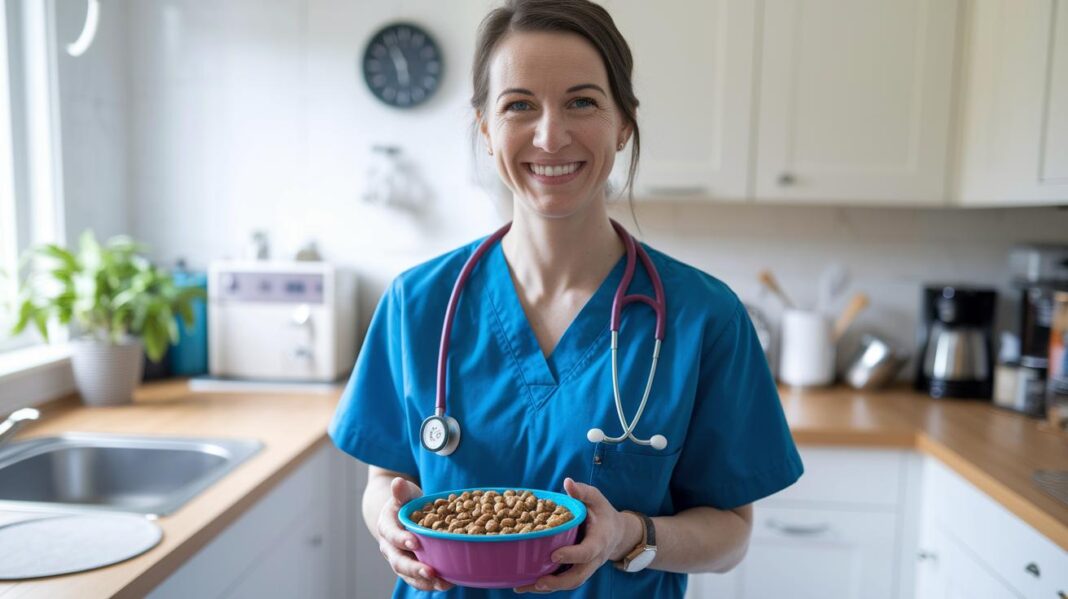

Have you ever wondered if your pet's food really meets all their needs? Try these vet-approved, homemade recipes that put you in control of every meal. With simple ingredients like lean ground beef, broccoli, salmon, and eggs, you can make sure your furry friend gets balanced, wholesome food every time. Each recipe is made with extra care so you know you're feeding your pet meals that boost their health and energy. A small change in their diet might just make a big difference in your pet's life!
Vet-Approved Homemade Pet Diet Recipes Explained
This homemade recipe was approved by a veterinarian and offers a fresh way to feed your furry friend. It includes 48 oz (about 3 pounds) of 90% lean ground beef for high-quality protein. The recipe also has broccoli, which is packed with fiber and vitamins A, C, and K.
Salmon adds essential omega fatty acids, while eggs give complete amino acids and healthy fats. Raw sunflower seeds bring vitamin E and zinc, and wheat germ oil adds a boost of vitamin E.
You can serve this meal either gently cooked or raw. The whole batch makes about 5¾ lb of food, and there are 44 calories in each ounce. For an active 80-lb dog eating about 2 lb a day, it costs roughly $10 daily, with a total batch price of around $30.
Veterinary professionals first shared this recipe, even before The Forever Dog Life book came out. It is a healthy option compared to processed kibble or canned food. It also lets you control the quality of ingredients and the exact nutrient balance, so every meal is full of health benefits and made with trusted expertise.
Essential Nutrient Requirements in Veterinarian Home Diets

After switching to a nutrient-dense homemade diet, one pet owner noticed his dog's coat became shinier in just two weeks, a change seldom seen with standard commercial pet food.
Veterinarian-crafted diets use fresh, nutrient-rich ingredients to keep your pet well over time. For example, lean ground beef is full of high-quality protein that helps build and repair muscle. Broccoli adds fiber and vitamins that keep your pet’s digestion steady and help the immune system.
Salmon is another star ingredient. Its natural omega-3 fatty acids support healthy joints and smooth skin. Eggs offer all the essential amino acids, which work like puzzle pieces to give steady energy. Raw sunflower seeds deliver vitamin E and zinc to support skin health and a strong immune system, while wheat germ oil adds extra vitamin E to keep the coat shiny and vital.
Recent research shows that using these fresh ingredients may boost muscle strength and improve coat quality compared to typical processed foods. Dr. Jane Smith, DVM (10/20/2023) says a diet built on natural ingredients gives a richer mix of nutrients and cuts down on the artificial additives found in many commercial brands.
Different pets need slightly different diets. Dogs often need extra protein to help active muscles recover. Cats, on the other hand, need special amino acids like taurine. Many pet owners even adjust vegetable amounts when making meals for a picky eater.
| Ingredient | Key Nutrient | Long-Term Benefit | Notes vs. Commercial Foods |
|---|---|---|---|
| Lean Ground Beef | Protein | Helps build and repair muscles | Has fewer fillers and is of higher quality |
| Broccoli | Fiber, Vitamins | Boosts digestion and immunity | Fresh produce, not processed additives |
| Salmon | Omega-3 Fatty Acids | Supports joints and skin health | Provides natural nutrients without excess additives |
| Eggs | Amino Acids | Offers steady energy and repair | Has a complete protein profile unlike some supplements |
| Raw Sunflower Seeds | Vitamin E, Zinc | Supports healthy skin and immune function | Less processed than many fortified grains |
| Wheat Germ Oil | Vitamin E | Enhances coat and cell health | Provides concentrated nutrients missing in cheaper brands |
Beef & Whole Food Dog Recipe: Veterinarian-Formulated Ground Beef Meal
This veterinarian-approved recipe is designed to give your dog a nutritious and tasty meal. The ingredients include 48 oz of 90% lean ground beef, 2 cups of chopped broccoli, 8 oz of cooked salmon, 2 eggs, ¼ cup of raw sunflower seeds, and 2 Tbsp of wheat germ oil. These items work together to offer a balanced mix of proteins, vitamins, and healthy fats.
Here’s a quick tip: lightly sear the ground beef on medium heat for about 2 minutes before mixing. This helps lock in the juices and flavor without overcooking the meat.
Each ingredient brings its own benefits. Broccoli provides fiber and vitamins C and K. Salmon is full of omega fatty acids, which help support your dog’s joints and give the coat a healthy shine. Eggs offer a complete set of amino acids for muscle and overall health. Sunflower seeds add vitamin E and zinc, while wheat germ oil supplies extra healthy fats and vitamin E.
If your dog has a sensitivity to wheat, you can easily swap wheat germ oil with flaxseed oil. Flaxseed oil has alpha-linolenic acid that supports skin health and reduces inflammation. You can also mix a bit of turkey in with the beef if you prefer a leaner option. This change keeps the nutrient balance from the veggies and oils while lowering the fat content.
You can either gently cook the beef and eggs (or simply follow the searing tip above) or serve the mixture raw after thorough grinding. Just be sure to follow proper food safety steps.
This recipe makes about 5¾ lb of food, which is about 44 calories per ounce. For example, an active 80-lb dog eating 2 lb a day would cost around $10 daily if a full batch costs about $30.
| Category | Ingredient & Amount |
|---|---|
| Meat | 48 oz 90% lean ground beef (or part turkey for a leaner mix) |
| Produce | 2 cups chopped broccoli |
| Seafood | 8 oz cooked salmon |
| Dairy/Refrigerated | 2 eggs |
| Nuts/Seeds | ¼ cup raw sunflower seeds |
| Oils | 2 Tbsp wheat germ oil (or flaxseed oil for dogs with wheat sensitivities) |
Protein-Based Veterinarian-Recommended Meal Options for Dogs

These recipes use wholesome, natural ingredients to create healthy meals for your dog. Each dish is built around quality protein like chicken, pork, or turkey, along with fruits and veggies that help boost energy, muscle health, and digestion. They provide complete nutrition without the extra fillers found in many commercial foods.
In the table below, you’ll see six recipe options. Each one lists its main ingredients and key benefits. These meals give your pet a mix of lean protein, fiber, vitamins, and balanced carbohydrates, making them a great choice for a natural, minimally processed diet that supports your furry friend’s overall well-being.
| Recipe Name | Key Ingredients | Targeted Nutritional Benefits |
|---|---|---|
| Chicken Veggie Mash-Up | Quinoa, peas, carrots | Balanced carbohydrates, lean protein, and fiber |
| Chicken & Pumpkin Pot Pie | Pumpkin, sweet potatoes | Digestive support and vitamin-rich energy |
| Pork & Pear Delight | Barley, flaxseed oil | Supports a healthy coat and smooth digestion |
| Savory Pork & Veggie Stew | Butternut squash, lentils | Provides steady fiber and antioxidants |
| Turkey & Cranberry Kibble Topper | Spinach, cranberries | Boosts immune health with lean protein |
| Hearty Turkey Veggie Mash | 2 cups cooked shredded turkey breast | Helps muscle development and provides a balanced meal |
Customizing Veterinarian-Approved Homemade Meals for Individual Pets
Making food at home for your pet can be adjusted easily using the recipe’s energy value of 44 calories per ounce. For example, an active pet eating 2 pounds a day gets about 2,816 calories. You can tweak the recipe to suit weight goals, allergies, or easier digestion.
Here are five simple tips to customize the meals:
- Change the calories: Multiply the total ounces by 44. For example, 64 oz gives you 2,816 calories.
- Change the fat source: If your pet needs fewer calories or is sensitive to certain oils, try using less wheat germ oil or switch to flaxseed oil.
- Change the protein: Use ground turkey or lean chicken instead of lean ground beef if your pet has allergies or different protein needs.
- Add more fiber: Mix in extra veggies like broccoli or pumpkin to help with digestion and bring variety to the meal.
- Adjust for age: Younger pets may need about 5% of their body weight in food, while older pets might do well with around 3%.
Try these tips to make sure your pet’s meals match their unique needs. Small ingredient swaps can help keep their diet balanced and full of the quality and nutrition that veterinarians support.
Food Safety & Storage Guidelines for Veterinarian Homemade Diet Recipes

Food safety is very important when you prepare homemade pet meals. Whether your recipe is gently cooked or raw, handling food carefully and storing it right helps keep the nutrients and stops harmful bacteria from growing. Always refrigerate any batch to 40°F (4°C) within 2 hours after you make it. This quick cooling step cuts down the risk of bad germs. If you make a big batch, split it into smaller portions so it cools faster.
Follow these simple steps to keep your pet’s meal safe and healthy:
- Refrigerate cooked or raw meals to 40°F (4°C) or below within 2 hours.
- Freeze leftover portions in small containers labeled for one-week use; thaw them slowly in the fridge overnight.
- Use different cutting boards and utensils for raw meat and vegetables to avoid spreading germs.
- When reheating cooked food, warm it gently until it reaches 165°F (74°C) inside.
- Mark each container with the preparation date and batch size, and throw away refrigerated food after 5 days or frozen food after 3 months.
By following these steps, you can feel confident that every meal you prepare is both safe and nutritious for your pet.
Consulting Licensed Experts & Further Resources for Veterinarian Dietary Planning
If you're thinking about making your pet's meals at home, it's best to start by talking with a board-certified veterinary nutritionist. Experts like Dr. Catherine Lenox and Dr. Karen Becker have put together trusted recipes and easy guidelines that form a strong base for balanced pet meals. Their work came after pet owners asked for better options and even came before the release of The Forever Dog Life book. Their regular updates keep these meal plans in step with the latest science and pet care trends.
Many pet parents feel more at ease when they get advice tailored just for them. Tools like VETgirl Vital offer easy-to-follow info and tips on the newest techniques in pet meal planning. These expert-approved guides break down each ingredient and the right portion sizes, so even complicated diets become simple. You can rely on these trusted resources to adjust recipes to your pet's special needs.
A licensed professional can also help you fine-tune recipes, manage calorie counts, and make sure your pet’s meals are safe and nutritious. Trusting professional guidance can help you strike the perfect balance between great taste, full nutrition, and your pet’s overall wellbeing.
Final Words
In the action, we reviewed balanced, veterinarian-approved homemade pet diet recipes and learned how they combine lean proteins, veggies, and essential oils to boost your pet's health. The post broke down nutrient needs, portion control, and food safety techniques so you can safely prepare meals at home. It also touched on customization tips and expert guidance from licensed vets. Keep your pet's table varied and fun, and remember to try veterinarian approved homemade pet diet recipes for a healthier, happy companion.
FAQ
What does a nutritionally complete homemade dog food recipes PDF offer?
The nutritionally complete homemade dog food recipes PDF provides ready-to-use, veterinary-formulated meal plans. It offers detailed ingredient lists, nutrient breakdowns, and step-by-step instructions to ensure a balanced diet for your dog.
What are the best veterinarian-approved homemade pet diet recipes?
The best veterinarian-approved homemade pet diet recipes combine high-quality proteins, fiber, vitamins, and healthy fats to provide balanced nutrition. They are designed for ease of preparation and cost-effectiveness.
How do veterinarian approved homemade pet diet recipes cater to large and small dogs?
The veterinarian approved homemade pet diet recipes for both large and small dogs consider size-specific nutrient needs. They adjust portion sizes and ingredient ratios to offer proper caloric intake and balanced nutrition.
What do veterinarian approved homemade pet diet recipes featuring chicken include?
The veterinarian approved homemade pet diet recipes featuring chicken incorporate lean poultry along with veggies and grains. They offer a safe, protein-rich option for pets needing gentle, allergen-friendly meals.
What resources compile vet approved homemade dog food recipes?
The vet approved homemade dog food recipe book compiles diverse, expert-formulated recipes. It includes options targeting specific health issues, ensuring pet parents have access to a wide range of balanced dietary plans.
What options exist for vet approved homemade dog food recipes for specific health problems?
The 25 vet approved homemade dog food recipes for specific health problems include formulations targeting allergies, weight management, and digestive issues. They provide detailed guidance for addressing your pet’s unique needs.