



Have you ever seen your energetic dog get grouchy after a sugary treat?
What your pet eats can seriously affect their mood and energy.
Meals full of simple sugars (carbs that turn into quick energy) might spark a burst of excitement, only to leave your pet feeling wiped out later.
But when you serve a balanced meal with proteins, healthy fats, and vital vitamins, your pet stays calm and cheerful.
In this blog, we'll show you how the food you choose can lead to a happier, more even-behaved furry friend.
How Nutrition Directly Shapes Pet Behavior
What your pet eats affects how they feel and act. A diet loaded with sugars and simple carbs can give a quick burst of energy followed by a crash. For example, a dog eating too many sweet treats might become very energetic, then turn restless or grumpy. Similarly, a cat on an unbalanced diet may seem uneasy or off-balance. Research shows that when pets miss important nutrients, they can face both health and behavior issues.
A balanced diet containing proteins, carbohydrates, fats, vitamins, and minerals helps keep a pet’s body and mood steady. Proteins help create neurotransmitters (natural chemicals that send messages in the brain) which support calm and focused behavior. Fats, especially omega fatty acids (good fats found in things like fish oil), help brain cells work well and lower inflammation that might cause mood swings. Using high-quality food means each meal builds a better, more balanced temperament.
Keeping a regular feeding routine with nutrient-rich ingredients can also prevent sudden energy spikes. In fact, studies have found that some pups were once extra hyper because of diets high in sugar. Choosing nutritious, balanced food creates a stable base for a calmer, happier pet, even when everyday stress shows up.
Macros and Micros: Nutrient Composition Analysis for Behavioral Health
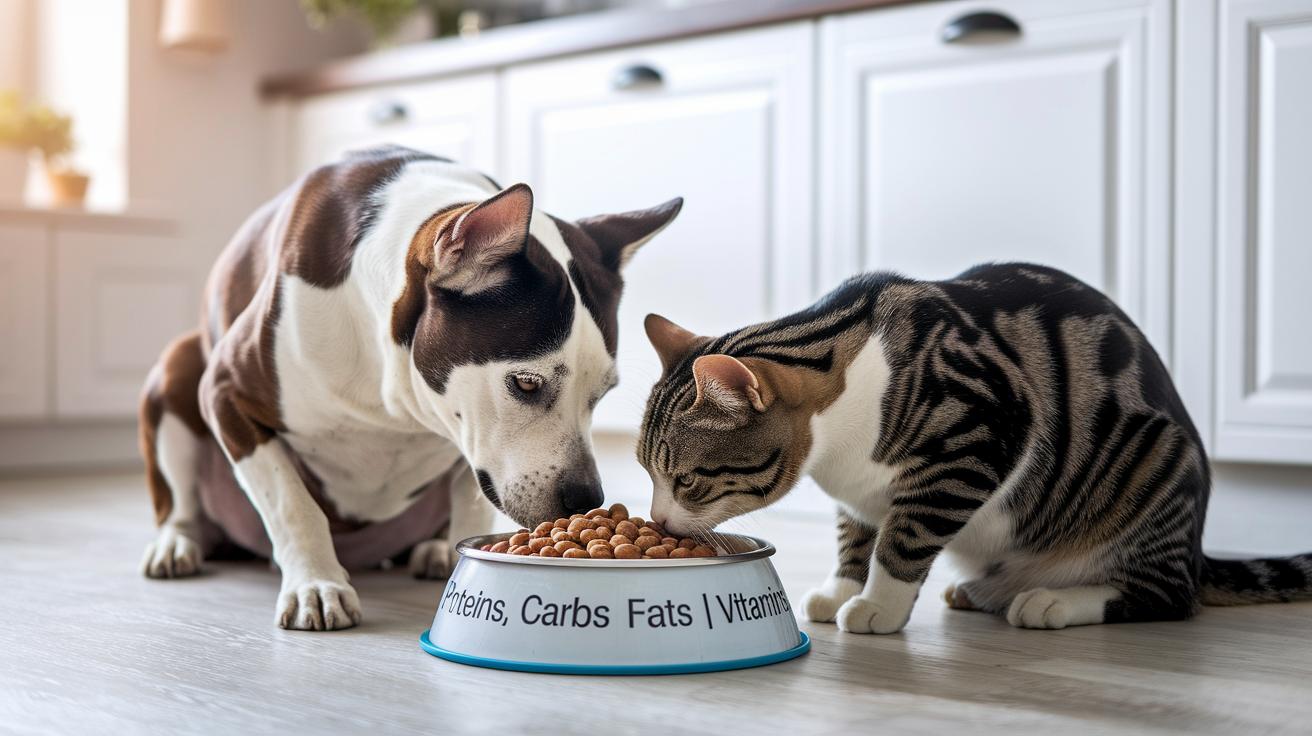
Feeding your pet right means giving them a balanced mix of proteins, carbohydrates, fats, vitamins, and minerals. Proteins help build neurotransmitters (natural messengers) that affect mood and focus. Carbohydrates break down slowly to provide steady energy, so your pet won’t get sudden mood swings. Fats, especially omega-3 (a type of fat that supports brain cells and fights inflammation), help keep irritability in check. B vitamins fuel the metabolism, and minerals like magnesium support muscle relaxation and steady moods.
Not all proteins and fats are the same. Lean, high-quality proteins help form serotonin, a chemical that eases anxiety. Complex carbohydrates offer long-lasting energy and avoid quick spikes that can cause hyperactivity. Making smart choices with fats, such as adding omega-3s, supports brain health and keeps inflammation low. Many pet owners see improvements in their pet’s mood and activity when they pay attention to these details.
When your pet enjoys the right balance of nutrients, their body makes hormones and brain chemicals in the right amounts. It’s just like following a trusted recipe, mixing quality ingredients to create a happier, more balanced pet.
| Nutrient | Role in Behavior | Recommended Daily Intake |
|---|---|---|
| Proteins | Helps build neurotransmitters for a calm mood | 20-25% of calories |
| Carbohydrates | Provides steady energy to keep moods even | 30-50% of calories |
| Fats | Supports brain functions and helps reduce inflammation | 10-15% of calories |
| Vitamins | Keeps the metabolism smooth and energy balanced | Varies by pet size and activity |
| Minerals | Aids in muscle relaxation and mood balance | Based on specific needs |
By checking your pet’s diet regularly and making smart choices, you help pave the way for a happier and more balanced pet life.
Designing Balanced Meal Plans to Optimize Behavior
Creating a balanced meal plan for your pet is more than just grabbing any bag of food. Feeding your pet at the same time each day helps keep their energy steady and can lower chances of wild bursts or grumpy moods when they feel hungry.
Here are some simple tips to plan meals that support calm behavior and a healthy weight:
- Feed your pet at a consistent time every day. This regularity helps prevent sudden energy spikes and reduces stress.
- Choose meals made with high-quality ingredients. Look for labels that list meat first and avoid products with too many fillers.
- Spread out your pet's daily calories evenly. This keeps their energy levels steady throughout the day.
- Use measuring cups or a kitchen scale to serve the right portions. This helps avoid overfeeding and keeps energy balanced with activity.
- Watch for common allergens by picking foods that suit your pet’s special needs. This can help reduce discomfort and irritability.
- Check nutrition labels often. For easy help on reading these labels, see this guide: Understanding Pet Food Nutrition Labels.
A steady feeding schedule, careful portions, and quality ingredients work together to keep your pet healthy and even-tempered. The result is a content pet with balanced energy all day long.
Managing Dietary Issues That Lead to Behavioral Challenges

Sometimes, what your pet eats can change how they act. Not getting enough key nutrients, like B vitamins (which help with energy and brain work), might leave them feeling tired or anxious. In simple terms, if your pet misses out on important nutrients, they might seem less active and a bit down.
Food allergies can also change your pet's behavior. You might notice your pet scratching a lot or acting irritable. These allergens make your pet uncomfortable, which can lead to extra scratching or signs of stress.
Processed foods might not suit every pet. They can upset your pet's tummy (this means stomach trouble), which in turn can trigger stress and unsettled behavior. Too many processed treats may leave your pet feeling agitated.
Raw feeding is another topic many pet owners discuss. While raw diets are thought to be closer to what pets might naturally eat, there are worries about bacteria and unbalanced nutrients. It’s important to look carefully at the benefits and risks.
Remember to:
- Look for signs of nutrient shortages or food sensitivity.
- Watch for unusual scratching or stomach issues.
- Talk with your veterinarian about your pet’s diet to keep them happy and balanced.
Supplementary Strategies: Nutraceuticals and Behavior Improvement Aids
Omega-3 Fatty Acids
Omega-3 fatty acids help lower inflammation and keep your pet feeling steady. This can result in fewer mood swings and a calmer animal. One pet owner saw a change in his dog after adding a bit of fish oil to meals, the dog's playful energy became more measured, and stress seemed to drop.
Probiotics
Probiotics work by keeping the digestive system balanced, which can help soothe both the gut and the mind. When your pet's tummy is happy, it may lead to a happier mood too. Think of it as a little nudge toward a more content pet.
Calming Amino Acids
Amino acids like L-Theanine and tryptophan help calm your pet by supporting brain chemicals that ease stress. These natural ingredients can lead to less hyperactivity, giving your pet a more relaxed presence during busy times.
Joint Support Nutrients
Nutrients such as glucosamine and chondroitin help keep joints healthy by reducing pain. When your pet feels less discomfort, it may move around more cheerfully and act more interactive. A pet that feels better physically often enjoys daily activities much more.
By combining these aids with a balanced diet, you create extra support for your pet's body and spirit.
Insights from Veterinary Nutrition Research on Behavior

A study from March 24, 2024 discovered that adding more tryptophan (an amino acid that helps make brain chemicals) to pet diets boosted the production of substances that control mood and focus. In one trial, a dog's meals were changed to include extra tryptophan, and the pet became noticeably calmer and more attentive. Imagine a fidgety pup settling into a relaxed state just by adjusting its diet.
New research shows that older pets do well with brain-support diets. Meals enriched with the right proteins, fats, vitamins, and minerals helped an older cat become more playful and alert. These findings suggest that smart feeding choices can keep senior pets mentally sharp and reduce their anxiety.
| Study | Focus | Outcome |
|---|---|---|
| March 24, 2024 Study | Boosting tryptophan for brain chemicals | Better mood and focus |
| Cognitive Support Trial | Brain function in older pets | Increased alertness and calmness |
Final Words
In the action, we explored how pet diets influence behavior, from nutrient breakdowns to meal planning and smart supplement choices. We outlined how quality food supports a calm and happy pet by balancing proteins, carbs, fats, and essential vitamins. We also addressed common dietary issues and shared tips for using supplements like omega-3 fatty acids and probiotics. Overall, this article shows the clear impact of nutrition on pet behavior, giving practical advice that can help keep every pet healthy, safe, and happy.