



Have you ever thought about whether your older pet’s meals are really helping their health? As pets age, they need food with fewer calories but more protein, fiber, and water to keep their bodies strong. Even small changes in their diet can help boost their mobility and strengthen their muscles. In this guide, we share the key nutrition facts every pet parent should know to keep their furry friend feeling active and vibrant. Let’s explore how the right diet can help your senior companion stay lively and full of energy.
Nutrition Facts for Senior Pets: Energize Their Health
As pets get older, their calorie and nutrient needs change a lot. They need fewer calories but still require important nutrients to support their changing bodies. This helps manage their weight, energy, and overall health as aging signs, like less play and dental issues, become more clear.
Older pets also need extra protein to keep their muscles strong and prevent muscle loss. Adding fiber to their diet helps with digestion and eases constipation. Fresh food, which is about 72% water compared to the roughly 10% water in dry food, helps keep them well hydrated. Meals designed for senior pets offer the balanced energy they need.
Switching to the right diet at the right time is key for staying healthy as pets age. Adjusting their nutrition can improve mobility, dental health, and overall vitality.
| Nutrient | Adult Diet | Senior Diet |
|---|---|---|
| Calories per lb | Higher | Lower |
| Protein % | Standard | Increased |
| Fiber % | Moderate | Enhanced |
| Fat % | Balanced | Slightly Reduced |
| Moisture % | Low (approx. 10%) | High (approx. 72%) |
Protein Intake Recommendations for Senior Pets
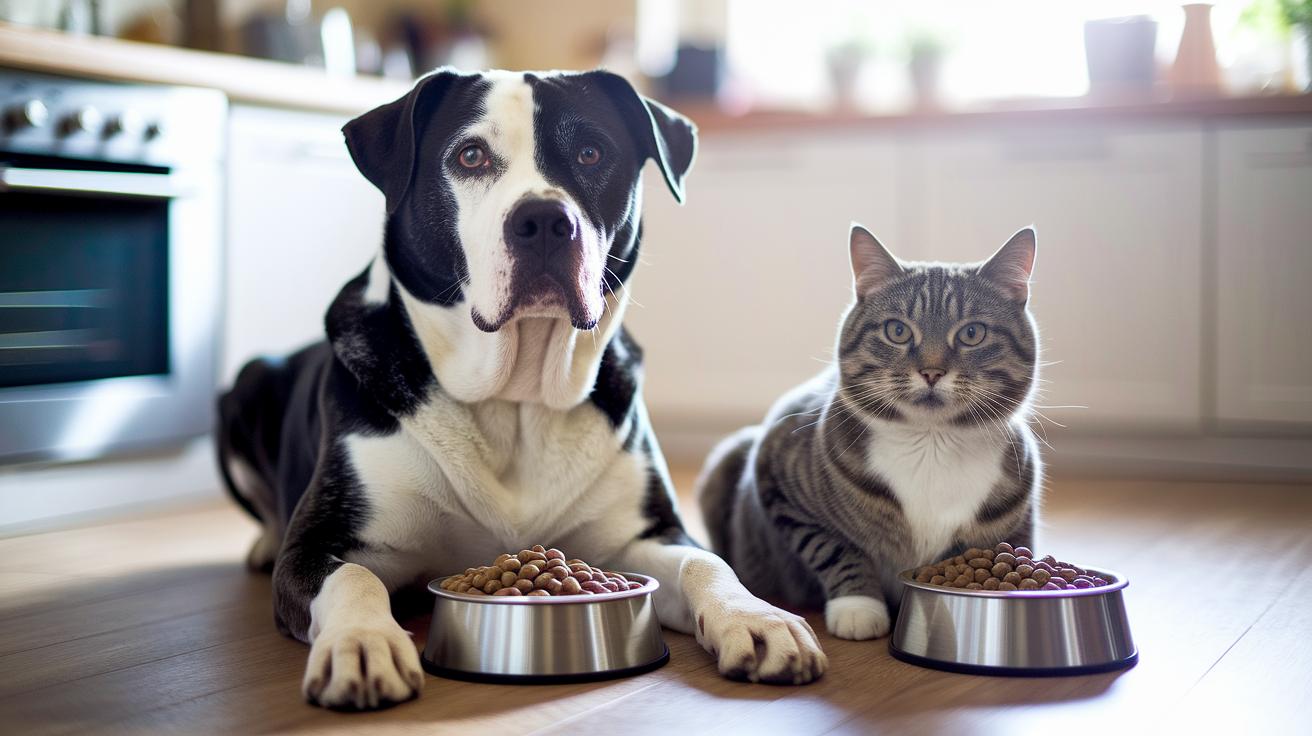
When pets get older, they need extra help from good quality protein to keep their muscles strong. Without enough protein, senior pets might feel weak and less active. Low protein can mean fewer good amino acids (the building blocks that help repair and maintain muscles) available for fixing their bodies. This can speed up muscle loss (sarcopenia), making them less mobile and more tired.
Many senior pet foods are made with extra protein to fight these age-related changes. These formulas often include more protein so that older pets can maintain lean muscle. Ingredients like chicken, fish, and lamb offer the essential amino acids in a form that is easy to digest. They help repair muscles and keep your pet active and full of life.
Fiber, Digestive Health, and Hydration in Senior Pets
As pets get older, their stomachs sometimes change because the good bacteria in their gut shift around. Fermentable fibers help feed these helpful bacteria and make short-chain fatty acids (small compounds that help the intestines work better). Think of these fibers as fuel for a healthy gut. On the other hand, non-fermentable fibers do not break down much; instead, they add bulk to the stool and help move food through the gut, which can reduce constipation. Balancing these two fibers can help ease tummy troubles and keep your senior pet feeling better.
Older pets also struggle to drink enough water because they might not feel as thirsty or may find it hard to move around. Wet food, which is about 72% water, is a great option since it adds extra hydration compared to dry food that holds only around 10% water. More water in their diet supports kidney function, keeps cells healthy, and softens food so it’s easier to digest. Mixing high-moisture meals with good fiber creates a recipe for a happy, hydrated pet.
| Fiber Type | Benefit | Examples |
|---|---|---|
| Fermentable fibers | Feed gut bacteria and boost nutrient absorption | Oats, barley |
| Non-fermentable fibers | Add bulk and help stool formation | Cellulose, rice bran |
Vitamins, Minerals, and Antioxidants in Senior Pet Diets
As pets get older, their immune systems may not work as well. That's why it's important to include antioxidants in their meals. Vitamins C and E, along with minerals like selenium and zinc, help protect cells from damage and support the immune system. For example, vitamin E acts as a shield for cell membranes while selenium helps enzymes clear out harmful substances. This nutrient mix not only strengthens immunity but also keeps skin and coat healthy, which is key for a senior pet’s well-being.
As pets age, nutrients that support clear vision and a sharp mind become more important. Lutein and beta-carotene, found naturally in foods such as spinach and carrots, can slow cataract formation and improve sight. B-vitamins like B6 and B12, when paired with omega-3 DHA (a type of healthy fat), help support brain cells and slow mental decline. Including these vitamins in your senior pet’s diet is a practical way to protect both their vision and memory.
A proper balance of minerals is crucial for strong bones in older pets. A good ratio of calcium to phosphorus – about 1.2:1 to 1.5:1 – helps build and maintain healthy bones and teeth. This balance also prevents issues like brittle bones and helps pets move comfortably. When you choose food for your senior pet, checking these mineral ratios can make a big difference in their mobility and overall quality of life.
Commercial Senior Pet Foods: Formula Comparisons and Label Tips
When you look at pet food labels for senior formulas, start with the guaranteed analysis. This list shows you the percentages of protein, fat, fiber, and moisture in the food. Check the ingredient order too. The first few ingredients are what your pet eats the most. A top-quality protein should be near the top.
This simple check helps you know if the food fits your older pet's needs. Think of reading the label as following a recipe that tells you if the mix gives balanced calories, supports muscle, keeps energy up, and hydrates well.
Many senior pet foods lower calories and fiber while adding more protein to help your pet stay strong. Some brands add supplements like glucosamine (a support for joints) or probiotics (for digestion). Keep in mind, not every claim has solid proof. Compare labels and guaranteed analysis between brands. That way, you avoid products with hype and unproven benefits.
Focus on foods that mix trusted ingredients with the right balance for a healthier, happier senior pet.
Monitoring Health and Adjusting Nutrition for Senior Pets

Keeping track of your pet's weight and body shape is key to preventing health issues. Weigh your pet regularly and look for signs like a droopy belly or weaker muscles. For example, a dull coat or low energy might mean it's time to adjust their food. Keeping a simple log of these observations helps catch problems early.
Offering smaller, more frequent meals can help boost their appetite when interest in food fades. Serving manageable portions keeps their energy up without straining their digestion. Regular check-ups with your vet are important too. They can suggest small tweaks and catch issues before they grow. Follow your vet's guidance and adjust feeding times based on what you notice to ensure your pet enjoys balanced nutrition.
Final Words
In the action, we learned that senior pets need diet changes that meet their shifting calorie and nutrient needs. Aging bodies require adjustments in protein, fiber, and moisture levels to keep them comfortable and strong.
We also covered how vitamins, minerals, and antioxidants support immunity, vision, and bone health. Tailoring meal plans and tracking changes can make a big difference.
By following Nutrition Facts for Senior Pets guidance and monitoring your pet’s health, you can help keep your furry friend safe, happy, and full of life.
FAQ
What are the key nutrition facts for senior pets and cats?
The key nutrition facts for senior pets include lower calorie diets enriched with high-quality protein, added fiber for digestion, and high moisture content. These shifts help support aging pets’ overall health.
What should I include in a homemade senior dog diet?
A homemade senior dog diet should balance lean proteins, whole grains or veggies, healthy fats, and fiber. Always discuss recipes with your vet to meet your dog’s specific nutritional needs.
What is the healthiest dog food for senior dogs and what do vets recommend?
The healthiest senior dog food offers lower calories, high-quality protein, balanced fiber, and extra moisture. Many vets recommend labels with a clear ingredient order and guaranteed analysis for optimal nutrition.
What are some safe human foods for senior dogs?
Safe human foods for senior dogs include plain, cooked lean meat, steamed veggies like carrots and green beans, and small portions of rice. Avoid seasonings, sauces, and any harmful additives.
What is the 80 10 10 rule for dog food?
The 80 10 10 rule refers to a diet made up of 80% lean protein, 10% fat, and 10% carbohydrates. This guideline is used by some for balanced nutrition but may not suit every senior dog.
What foods should not be fed to a senior dog?
Senior dogs should avoid foods high in fat, added sugars, and toxic items like chocolate, grapes, and onions. Stick to vet-approved, balanced meals to keep their systems safe.
Is 4 cups a day enough for a 70 lb dog?
The right amount for a 70 lb dog depends on its activity level, age, and health. Four cups per day might be too little or too much, so consult your vet for a personalized feeding plan.