

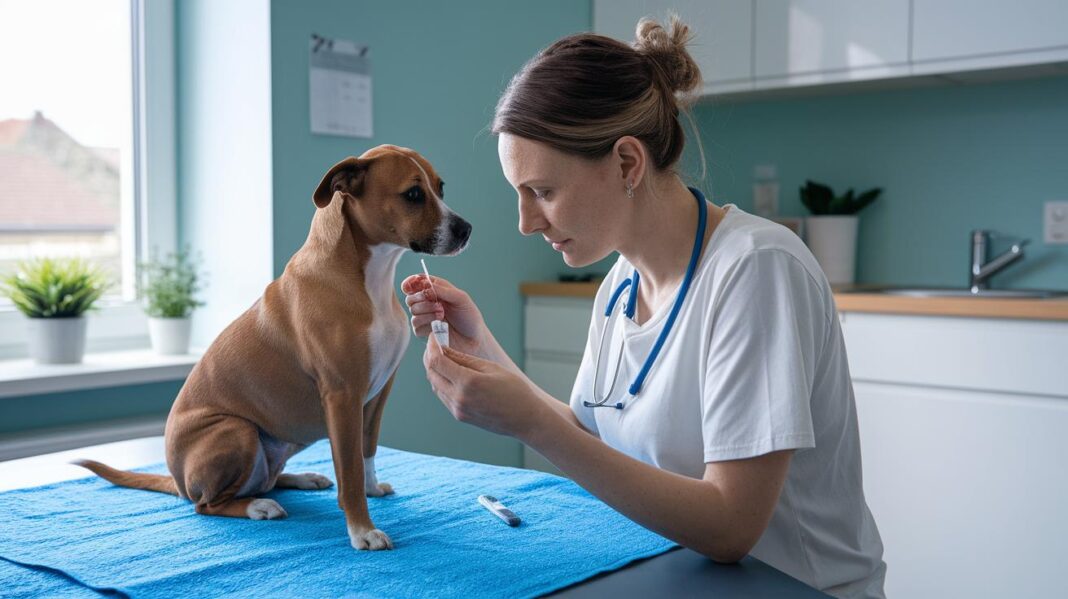

Have you noticed your dog seeming more tired or showing pale gums? These signs could mean your pet has anemia (a condition with fewer red blood cells to carry oxygen).
In this guide, we share simple, home-based dietary tips to help boost your dog's energy. Try adding iron-rich foods like beef liver (a great source of iron) and vitamin C supplements, which help the body absorb iron.
These natural steps might help your dog feel more energetic. Keep reading for clear, easy ideas you can start using right in your kitchen.
Immediate At-Home Steps to Treat Anemia in Dogs
Dogs with anemia have fewer red blood cells. This means their tissues get less oxygen, so they may seem tired and breathe quickly. To help, add iron-rich foods like beef liver, canned sardines, green vegetables, or even a raw egg yolk to your dog’s meals. These foods help make more heme (the part of red blood cells that carries oxygen) so their body can work better.
Also, include quality protein sources to support the repair of cells. For example, a small serving of lean chicken or turkey gives the extra protein needed to build new red blood cells.
Next, consider adding vitamin C to your dog’s diet. A dose of 500 to 2,000 mg per day (depending on your dog’s size) can help the body absorb iron more easily. Think of vitamin C as a helper that makes iron more useful for making red blood cells.
Try to keep a regular feeding routine, even if it only takes five minutes a day. A steady schedule can help improve nutrient absorption by keeping your dog’s metabolism on track.
Lastly, watch your dog closely. Check that its energy levels improve and that its gums stay a healthy pink rather than turning pale or white. Always discuss these steps with your veterinarian to rule out any other issues.
At-Home Dietary Changes to Improve Anemic Dogs’ Blood Health
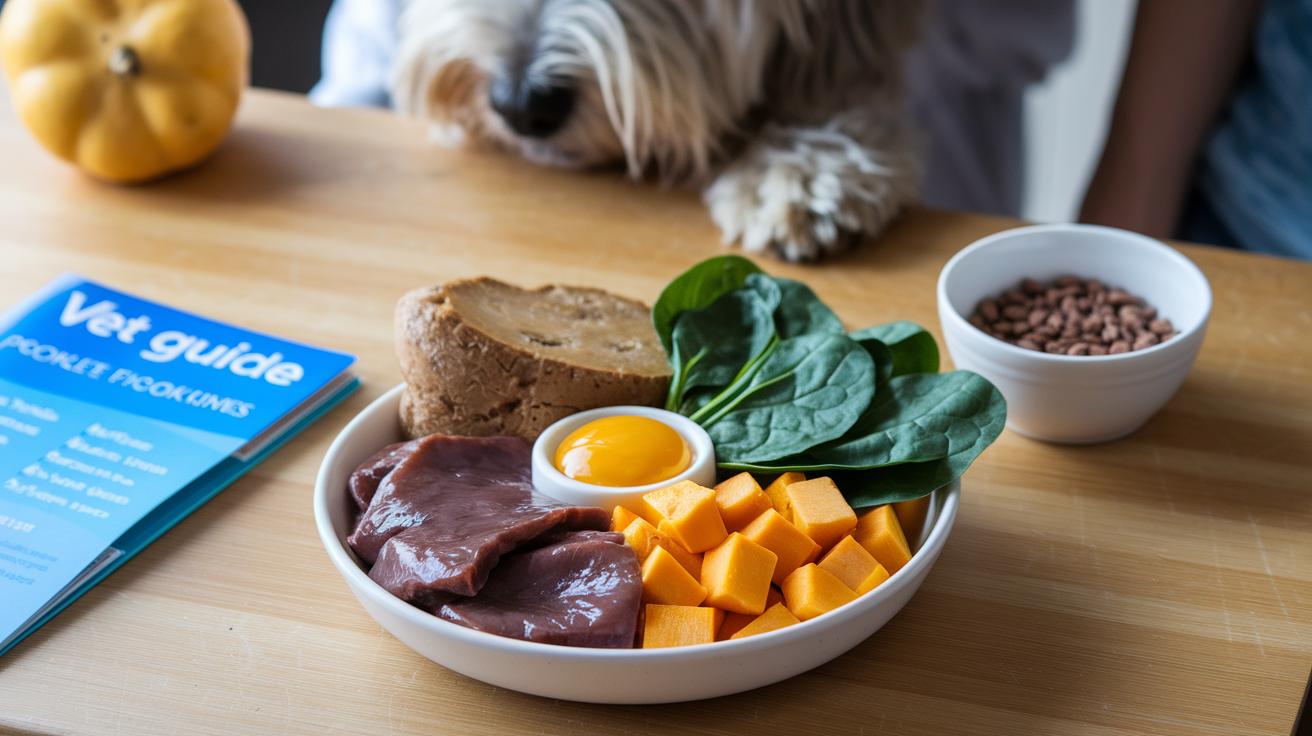
To help your dog’s blood, start by adding foods rich in iron. Iron helps make hemoglobin, the part of red blood cells that carries oxygen. Good choices include beef liver, canned sardines, spinach, pumpkin, and raw egg yolk. Beef liver is a strong source; it gives about 5 mg of iron in one ounce. Vitamin C also helps your dog absorb iron. Depending on your dog’s size, try giving between 500 mg and 2,000 mg of vitamin C each day.
Your dog also needs vitamins like B12 and folate to build red blood cells. You can get these by adding lean proteins and leafy greens to their meals. Think of the changes like building blocks. Every food gives a special nutrient that, together, improves your dog’s blood health.
Remember to avoid foods that can hurt red blood cells, like chocolate or onions. Stick with natural, healthy foods for the best results. Small, steady changes in your dog’s diet can boost iron levels and keep them energetic and strong.
| Food | Iron (mg/serving) | Vitamin C Note | Serving Size |
|---|---|---|---|
| Beef liver | 5.0 | Pairs with citrus | 1 oz |
| Canned sardines | 2.0 | +100 mg vit C | 1 oz |
| Spinach | 1.0 | Rich in vit C | ½ cup |
| Pumpkin | 0.5 | Moderate vit C | ¼ cup |
| Raw egg yolk | 0.4 | Low vit C | 1 yolk |
Natural Supplement Strategies for Iron Therapy in At-Home Dog Anemia Care
Ferrous sulfate is a common choice to boost iron levels in dogs with anemia. A typical dose is 2 to 6 mg of elemental iron for every kilogram (about 0.45 kg) of body weight each day. Liquid iron supplements work well because you can mix them easily into food, and they tend to be gentler on the stomach. One pet owner mentioned that adding the liquid supplement to their dog's meal made giving the dose easy and stress-free.
Herbs like dandelion and nettle can also help support the liver and encourage red blood cell production. Many pet parents add a small pinch of these herbs to meals alongside ferrous sulfate for extra help building blood.
Always talk to your veterinarian before starting any new supplement. Too much iron can be harmful, so it is important to check the right dose for your dog's weight and needs. Watch for any signs of stomach upset or changes in energy, and adjust the dose as needed under the vet's guidance.
Monitoring Anemia Symptoms in Dogs During At-Home Care
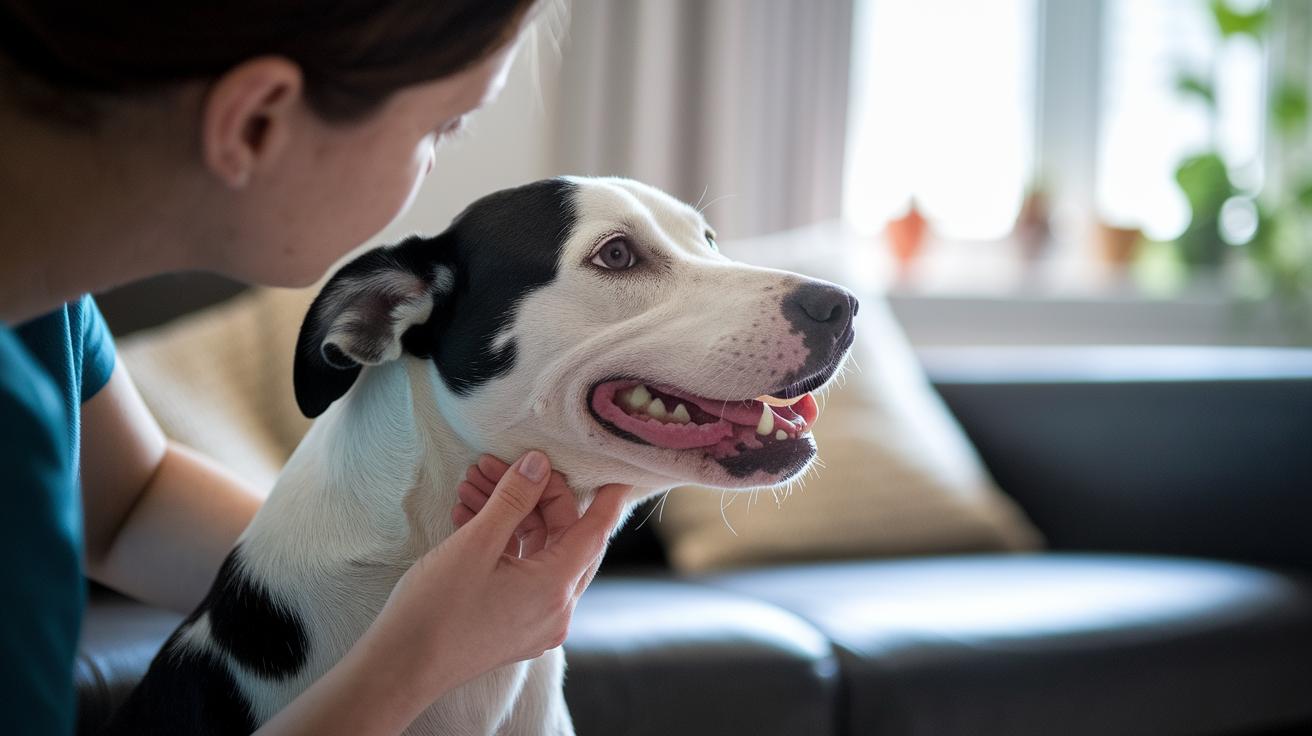
Watch your dog closely for signs of anemia at home. Look for gums or eyelids that are pale or white instead of the usual healthy pink. Also, notice if your dog seems weak, tires easily, or starts panting quickly even after light exercise.
Every day, take a few minutes to check your dog's energy level and behavior. Have you seen your dog get tired after just a short walk or struggle during play? These small moments can be important clues. Keep a simple journal and record things like:
- Gum and eyelid color compared to normal
- How active your dog is during walks or play
- How often and how long your dog pants
- Overall alertness and willingness to move
This daily journal helps you notice even small changes in your dog’s condition. If you see a steady drop in energy or a sudden change in any of these signs, call your veterinarian right away so your pet can get the care they need.
Safe Home Practices and Vet Alert Signs for Canine Anemia Treatment
Keep a close watch on your dog at home. If your pet seems very tired during short walks for more than 24 hours, call your veterinarian right away.
Create a peaceful spot for your dog. Set up a quiet area with their favorite blankets in a low-traffic corner so they feel safe and calm.
Stick to your vet's instructions when giving medicines. Use the proper measuring tool for each dose and jot down what you give. For example, if your dog needs iron supplements (a treatment for low iron levels), use a special dosing syringe to measure accurately.
Write down daily notes about your dog's activity, gum color, breathing, and energy levels. Look out for any changes like dull or pale gums or a drop in playful energy, as these could be signs of worsening anemia.
Keep your vet's number and an emergency clinic number handy at all times. This way, if your dog's condition suddenly gets worse, you can act quickly to get professional help.
DIY Meal Planning to Sustain Anemia Recovery in Dogs at Home
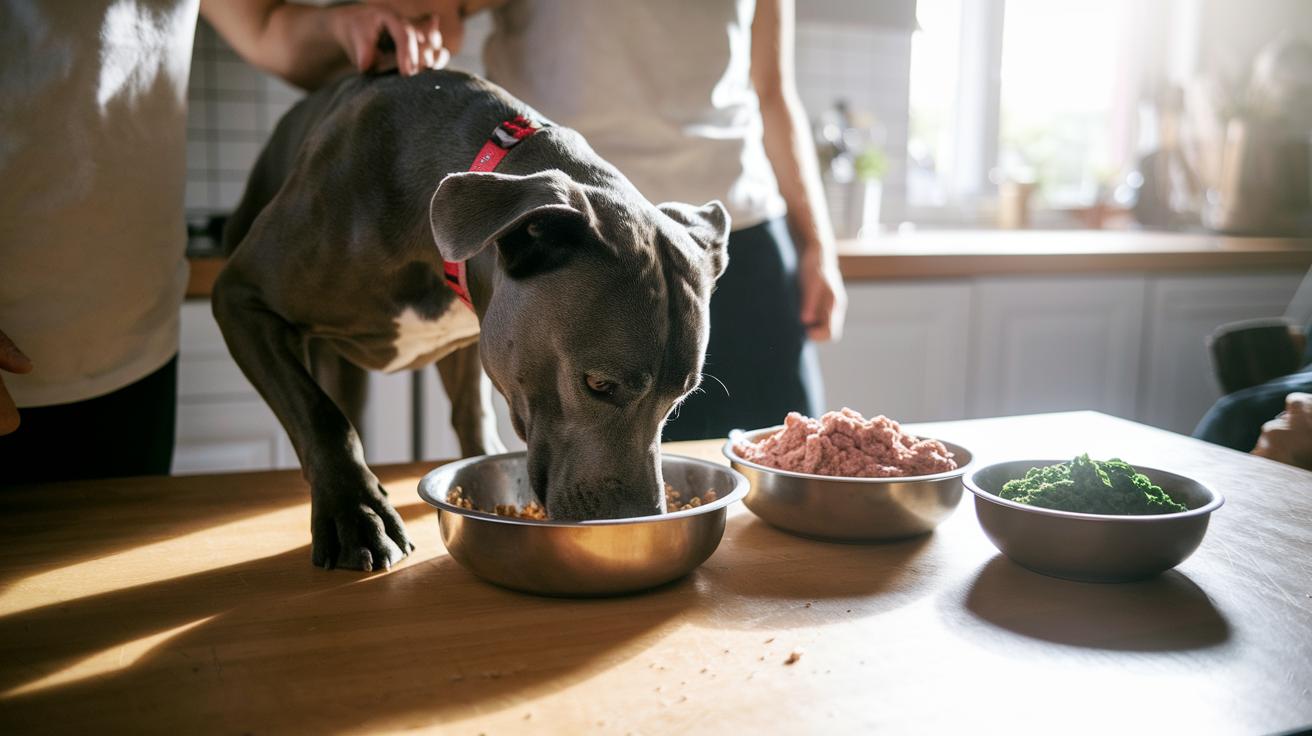
Create a meal plan that helps boost your dog's iron levels and support red blood cell production. This balanced approach is key for dogs with anemia (a condition where there aren't enough healthy red blood cells). A good plan includes lean meats like ground turkey or chicken breast, iron-packed foods such as liver, and leafy greens that offer vitamins like B12 and folate. Feeding three small meals each day keeps a steady stream of nutrients while easing digestion.
Sample 3-Day Anemia Support Meal Plan
On Day 1, start with breakfast by mixing one scrambled egg (use one egg per 10 lbs of your dog's weight) with finely chopped spinach. For lunch, serve about one ounce (28 grams) of boiled ground turkey, a small piece of beef liver (around one ounce per 20 lbs of body weight), and a spoonful of steamed kale. At dinner, offer diced chicken breast mixed with lentils and add chopped carrots for extra vitamins.
On Day 2, try a small parsley omelet with a bit of liver pâté for breakfast. For lunch, give ground turkey along with steamed broccoli and a raw egg yolk. Then, at dinner, serve chicken breast strips paired with boiled pumpkin and spinach.
On Day 3, kick off the morning with a soft-boiled egg accompanied by shredded lettuce for a protein-rich start. For lunch, offer fresh ground chicken mixed with a little liver and a side of green beans. End the day with diced turkey breast served with lentils and steamed celery.
Final Words
In the action, the post highlighted quick at-home steps like introducing iron-rich foods, targeted feeding routines, and natural supplements to boost red blood cell production. Short daily checks and clear safety guidelines help catch worsening signs early. The guide also delved into practical meal planning to sustain recovery. These hands-on tips empower pet parents to support their dog’s overall vitality and guide how to treat anemia in dogs at home with care and confidence. Enjoy the renewed energy and the comfort of knowing you're taking proactive steps for your pet's well-being.
FAQ
What food can cause anemia in dogs?
Foods that can cause anemia in dogs typically include toxins such as onions and garlic, which can damage red blood cells and lead to anemia.
How can you cure dog anemia quickly?
The fastest way to cure dog anemia is to boost iron intake with iron-rich foods like beef liver and sardines paired with vitamin C, but treatment should always be guided by your veterinarian.
How do you increase red blood cells in dogs naturally?
Increasing red blood cells naturally in dogs involves adding iron-rich proteins and vitamin C supplements to enhance iron absorption, while monitoring energy and gum color for improvements.
What kind of cancer causes anemia in dogs?
Certain cancers like hemangiosarcoma and lymphoma can cause anemia in dogs by leading to blood loss or disrupting red blood cell production.
What foods are used in dog anemia treatment?
Dog anemia treatment foods are iron-rich options such as beef liver, canned sardines, and green vegetables that help build hemoglobin when combined with vitamin C.
How do you treat anemia in dogs with kidney disease?
Treating anemia in dogs with kidney disease means adjusting the diet to include low-phosphorus, iron-rich foods and supplements while following veterinary recommendations closely.
What causes sudden anemia in dogs?
Sudden anemia in dogs can result from rapid blood loss due to injuries, parasites, or acute illnesses, all of which require prompt veterinary attention.
What causes anemia in dogs?
Anemia in dogs generally arises from chronic illnesses, nutritional deficiencies, parasites, or underlying health conditions that affect red blood cell production or cause blood loss.
Which food is highest in iron for dogs?
Beef liver is one of the highest iron-rich foods for dogs, offering about 5 mg per ounce to support red blood cell production.
What is the life expectancy of a dog with anemia?
The life expectancy of a dog with anemia depends on the severity and underlying cause; with proper treatment, many dogs recover, while chronic cases require ongoing management.