


Ever wonder what’s really inside your pet treats? This guide explains the numbers on the labels so you know what your pet is eating. We show you the moisture, protein, fat, and fiber in each treat so you can tell if your pet is getting the right nutrition or if there’s extra water in the mix. Pick treats that make your furry friend happy and healthy. Happy eating starts when you know exactly what's in the treat.
Guide to Pet Treat Nutrition Facts: Happy Eating
Guaranteed analysis labels list a pet treat’s main ingredients. They show moisture, crude protein, crude fat, crude fiber, and added vitamins and minerals. These numbers tell you the percent of each nutrient in the treat. This quick view helps you compare products and pick the best option for your dog. Every number on the label comes from quality testing.
Moisture changes how nutrients are measured. To find the real value of a nutrient, like protein, subtract the moisture percentage from 100. Then adjust the crude number using that result. For example, a treat with 15.78% moisture might show 22% crude protein. When checked on a dry basis (without water), the protein content is higher. This method reveals the true nutritional value and helps you spot treats that add water to cut costs. With this knowledge, you can pick products that meet your pet’s dietary needs.
Decoding Guaranteed Analysis in Pet Treat Labels
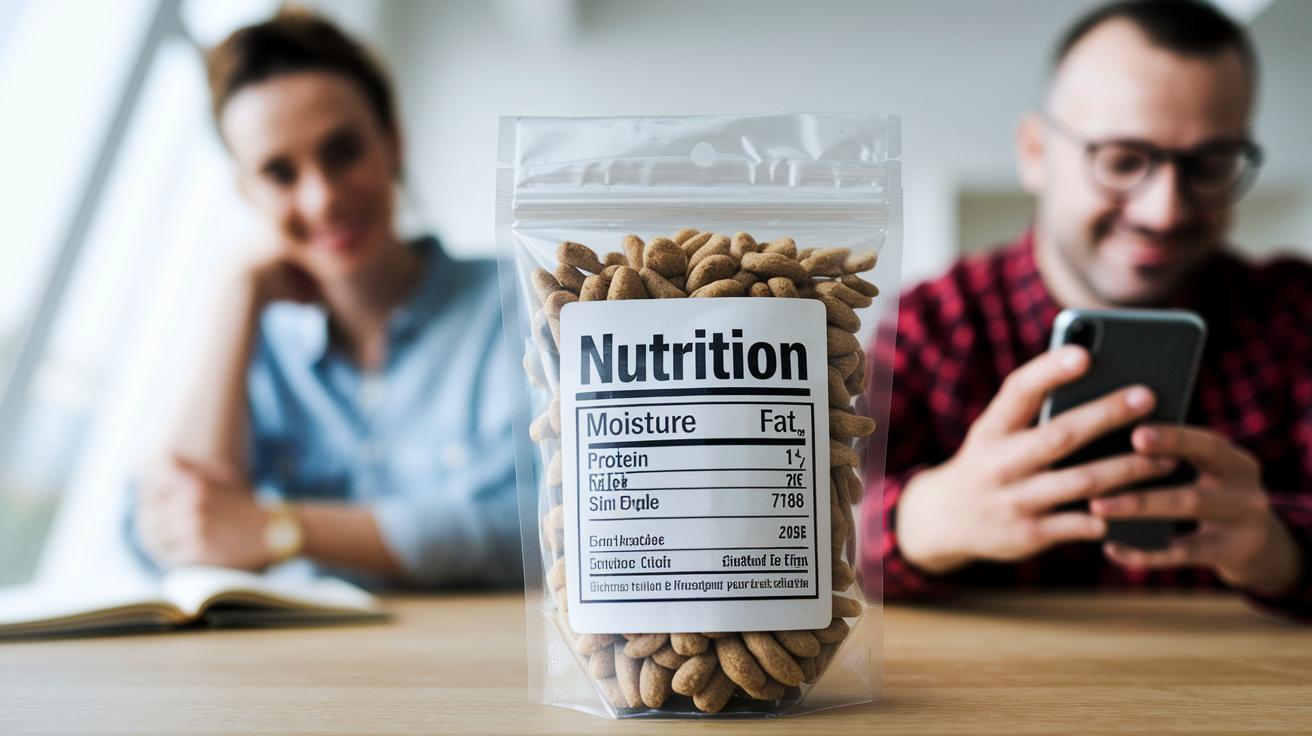
Guaranteed analysis labels list ingredients like moisture, crude protein (basic protein measure), crude fat, crude fiber, ash, and sometimes vitamins and minerals. You can adjust these numbers for water content with a simple formula: True nutrient (%) = Declared % ÷ (100% – Moisture %) × 100. For example, a treat with 15.78% moisture and 22% crude protein turns out to have about 25.98% real protein. This shows that extra water can make nutrient percentages seem lower, making products easier to compare. Keep in mind, this calculation works best for a quick check, and it assumes water is spread evenly, so it might not show the whole picture on ingredient quality.
| Nutrient | Declared % | True-Matter % |
|---|---|---|
| Moisture | 15.78 | 15.78 |
| Crude Protein | 22 | 25.98 |
| Crude Fat | 10 | 11.76 |
| Crude Fiber | 3 | 3.53 |
This method makes comparing pet treats easier by accounting for moisture. It gives you a clearer view of each label's nutrient details while reminding you to also look at other quality factors when choosing the best treat for your pet.
Interpreting Pet Treat Ingredient Lists and Additive Safety
When you look at a pet treat's ingredient list, the items are arranged by weight before cooking. The first few ingredients make up the largest part of the treat. For example, if meat is at the top, it means you get plenty of good protein and nutrients. Paying attention to this order helps you see the quality inside, rather than just basing your choice on the product name.
Natural additives, like rosemary extract (a natural preservative that helps keep food fresh), are added to extend shelf life and offer antioxidant benefits. They slow down the process that can spoil the treat. When used in small amounts, these additives are safe and give you extra confidence that the treat has fewer artificial chemicals.
On the other hand, synthetic preservatives such as BHA and BHT can be concerning if they are used in large amounts. Some brands may also add extra moisture to increase the treat's weight, which can mislead you about its true nutritional value. Knowing these practices can help you choose a product that meets your pet’s dietary needs without unnecessary additives.
Caloric Breakdown and Serving Portion Guidance for Pet Treats
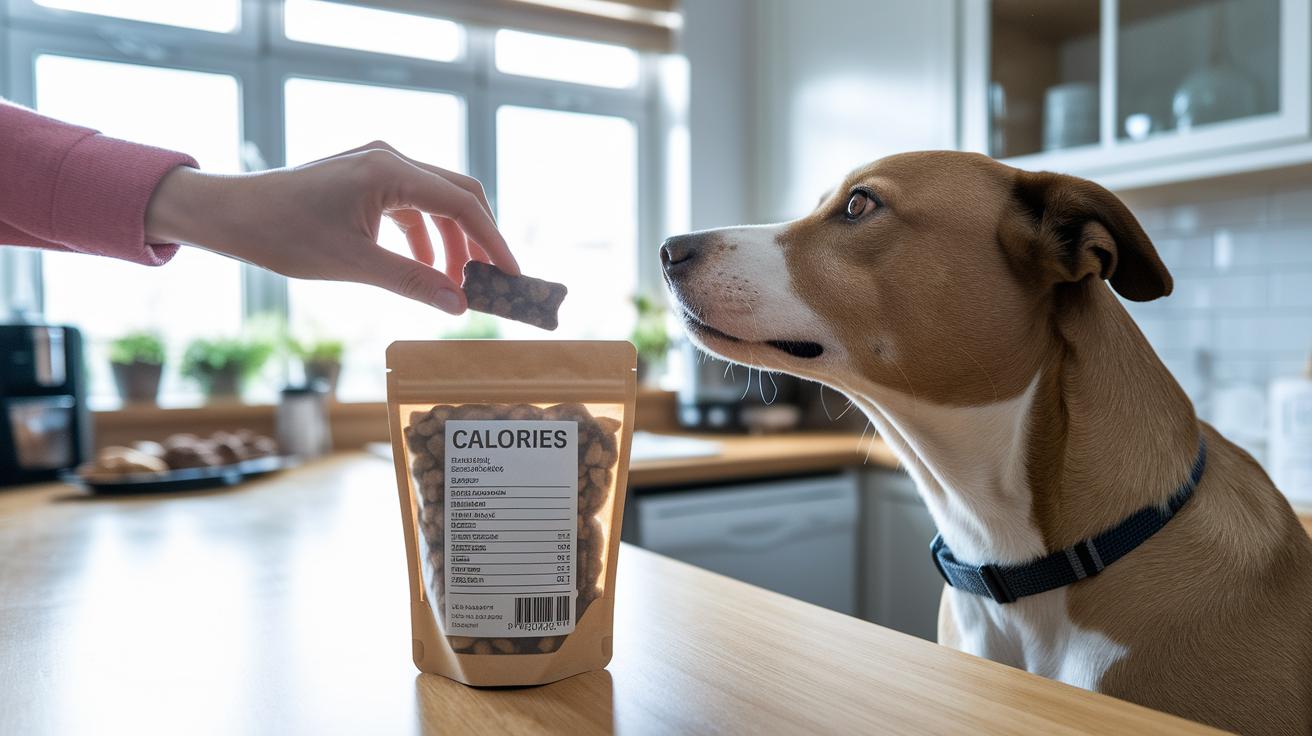
Remember that every treat counts toward your pet's daily calorie total, and too many can lead to extra weight. Box labels often show calories as either per treat or per 100 grams (around 3.5 ounces), so you always know how much energy your pet gets in each bite.
Manufacturers usually suggest that treats should not make up more than 10% of your dog's daily calorie limit. For example, if your dog needs 500 calories a day, try to keep treat calories under 50. If a package says each treat has 30 calories, you might give one treat and save the rest for special training moments when extra encouragement is needed.
It is important to check these numbers to keep your pet’s energy balanced. As your pet grows or becomes less active, their calorie needs might change, so adjust feeding portions accordingly. Keeping an eye on treat servings can help your pet stay healthy and active.
Macro and Micro Nutrient Profiles in Pet Treats
When you pick out pet treats, checking the nutrient profile is key to keeping your pet healthy. Good protein, needed to keep muscles strong, should come from clear meat sources rather than confusing terms like "meal." Fat gives the treat energy and may include omega-3 and omega-6 fatty acids (fats that help keep the coat shiny and joints healthy). A little fiber helps the digestive system work well, usually between 1% and 5% of the treat. Be sure to avoid treats with too much sugar; over 5% can add extra weight and hurt your pet’s teeth. Besides these main nutrients, treats often add vitamins like A, E, and B-complex, plus minerals such as calcium and phosphorus. These should always follow AAFCO guidelines to make sure your pet gets balanced nutrition.
| Nutrient | Ideal % Range | Example Value |
|---|---|---|
| Protein | 25-30% | 28% |
| Fat | 10-15% | 12% |
| Fiber | 1-5% | 3% |
| Moisture | 8-12% | 10% |
The right mix of nutrients in treats can boost your pet’s energy and overall health. When you read treat labels, check that the protein source is clearly named; this shows you’re giving your pet high-quality building blocks for muscle repair. Fat not only adds taste but also controls the calories in each treat, which is important if you’re watching your pet’s weight. Fiber helps keep the tummy happy, and the right level of moisture makes the treat taste and feel just right. Vitamins and minerals round out the benefits, so a careful look at the label can really help you choose the best treats for your pet’s busy, active life.
Comparing Commercial Versus Homemade Pet Treat Nutrition
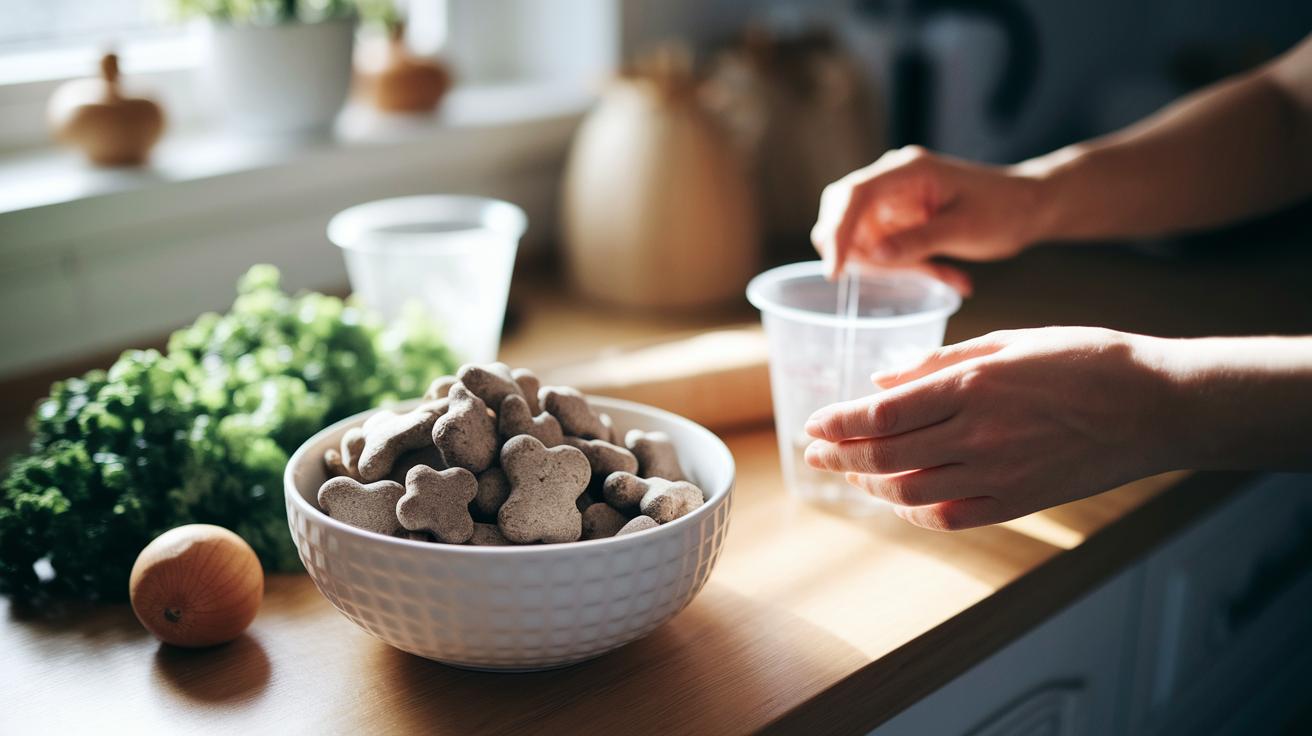
Commercial treats usually have fillers like corn and wheat and come with vitamin mixes to keep each batch the same. They meet basic nutrition rules, but sometimes they hide lower-quality ingredients. When you make treats at home, you can pick out fresh, whole foods and balance the protein, fat, and fiber just right for your pet. This way, you can skip any unnecessary additives and know exactly what your pet is eating. Just remember, crafting a balanced recipe takes some careful planning to include all the essential nutrients.
Homemade treats also come with some challenges. Without preservatives to extend their shelf life, you must store them properly to avoid harmful bacteria. Keeping them fresh means paying extra attention to hygiene. Meanwhile, many commercial products use non-GMO or organic ingredients to lower exposure to allergens and pesticides. By weighing these factors, you can decide whether the custom control of homemade treats or the regulated production of commercial ones is better for your pet's health and safety.
Choosing and Evaluating Healthy Pet Treat Options
Before choosing any treat for your pet, have a quick chat with your vet. They can help you pick treats that fit your pet's age, weight, and any health issues. Look for products with AAFCO or NASC seals. These marks show the treat meets strict food rules and is safe for daily rewards.
Your vet's advice is key when it comes to narrowing down the best treats. Always double-check that the ingredient list and nutrition facts follow trusted guidelines from pet experts.
Once you confirm the safety label, spend a few minutes researching brands known for being open about their practices and using third-party testing. Reviews from other pet owners can offer extra insight into how the treat works in real life. For pets with sensitivities, choose treats made with one main ingredient or very few extras. This careful approach not only keeps your pet safe but also builds trust in the product.
Mixing expert advice with a little brand research helps you choose a treat that is both tasty and healthy for your pet. Every bite plays a part in keeping your furry friend happy and well.
Final Words
In the action, we broke down pet treat nutrition facts and discussed guaranteed analysis, ingredient lists, and serving portions. Each section showed how moisture and dry-matter calculations affect true nutrient levels.
We also compared commercial and homemade options, offering tips to review labels and consult your veterinarian. Use this Guide to Pet Treat Nutrition Facts to confidently choose treats that keep your pet healthy, safe, and happy.
FAQ
What is the guide to pet treat nutrition facts PDF?
The guide to pet treat nutrition facts PDF explains how to read pet treat labels, including the guaranteed analysis and nutrient details, so owners can better understand what’s in each treat.
What makes the best guide to pet treat nutrition facts useful?
The best guide to pet treat nutrition facts is useful because it offers clear explanations on reading labels, understanding nutrient percentages like moisture and protein, and making informed choices for your pet.
What do AAFCO dog treats standards mean?
AAFCO dog treats standards mean that the treats meet set criteria for labeling and nutritional content, giving pet parents confidence in the safety and quality of the product.
What does guaranteed analysis in dog treats show?
Guaranteed analysis in dog treats shows listed percentages of moisture, protein, fat, and fiber, which helps verify that the product meets its label claims and nutritional standards.
How is dog treat analysis conducted?
Dog treat analysis is conducted by testing nutrient levels such as moisture, crude protein, and fat to ensure that the product matches its declared nutritional information.
What does pet treat guaranteed analysis testing involve?
Pet treat guaranteed analysis testing involves lab tests that check for moisture, protein, fat, and other nutrients, confirming that the product complies with safety and labeling regulations.
What should I know about a Nudges dog treats recall?
A Nudges dog treats recall means there is an official notice addressing potential safety or label issues with the product; check reliable sources or contact the manufacturer for the latest recall information.