

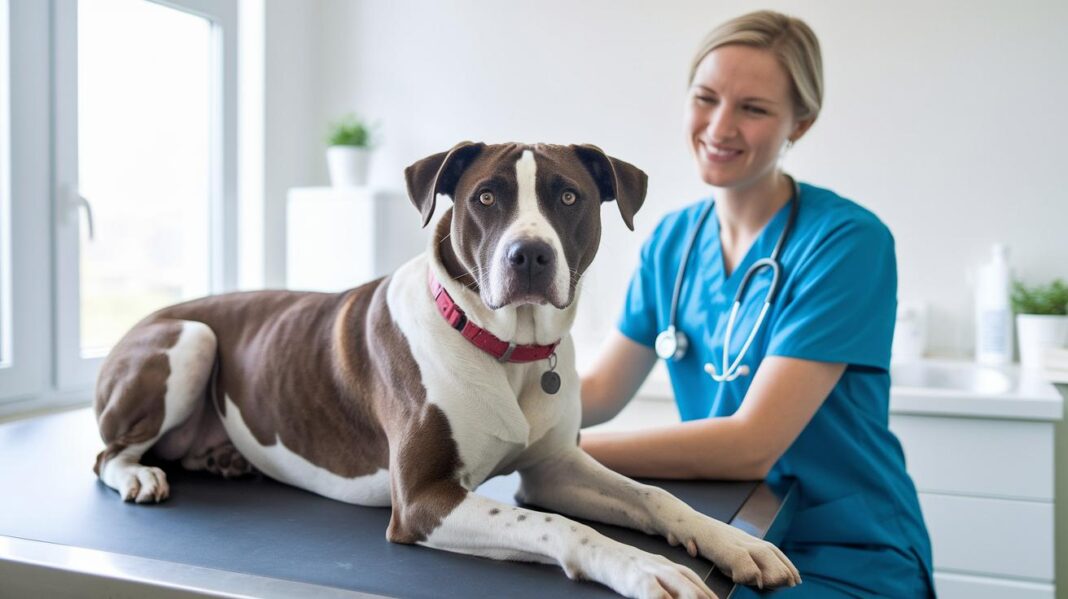

Is your dog drinking water non-stop and panting a lot? Trilostane may help. This FDA-approved medicine helps lower cortisol (a stress hormone) that can make your dog feel uneasy. Imagine your furry friend feeling a bit more relaxed and at ease in just a day or two. In this post, we explain how trilostane can ease signs of Cushing's disease and improve your dog’s overall quality of life. Keep reading to see why this treatment could be just what your dog needs to feel better.
Trilostane for Dogs with Cushing's Disease Works Wonders
Trilostane (Vetoryl®) is the only FDA-approved drug that helps lower cortisol levels in dogs with Cushing's disease. Cushing's happens when a dog makes too much cortisol (a stress hormone) and can cause extra thirst, more peeing, panting, and changes in the coat. This medicine works by blocking an enzyme that makes cortisol, which helps calm these signs.
Many pet owners see a difference in as little as 1 to 2 days. Imagine a dog that used to finish its water bowl over and over or pant heavily – after starting trilostane, the dog slowly drinks less and breathes easier. This change makes life more comfortable for both the pet and the owner.
Studies show that lowering cortisol with trilostane can really boost a dog's quality of life. With regular check-ups at the vet to make sure the dose is right, trilostane helps keep your dog feeling better during everyday activities like walks and playtime.
Trilostane mechanism and veterinary medication impacts
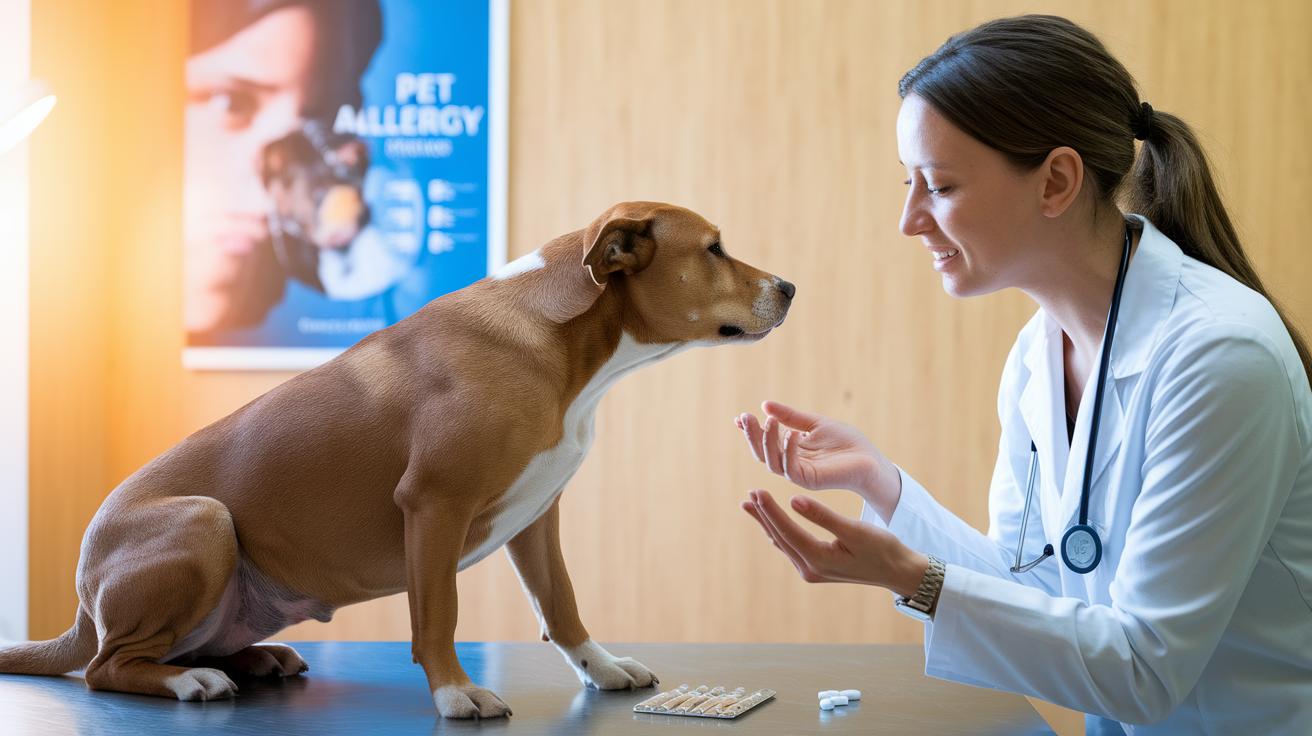
Trilostane stops an enzyme called 3β-hydroxysteroid dehydrogenase that helps make cortisol (a stress hormone). Lower cortisol levels ease signs of Cushing's disease. It works for different types of the disorder, like when the pituitary gland or adrenal glands are involved, and even when other drugs cause too much cortisol. Vets sometimes use it off-label for skin conditions such as alopecia X in dogs.
Using trilostane needs careful veterinary supervision because it affects hormone balance. Regular check-ups help keep the dose just right and catch side effects early. For example, if your pet seems weak or has tummy troubles, the vet might adjust the dose or suggest extra care.
Also note that trilostane can interact with water pills (potassium-sparing diuretics), raising potassium levels and possibly causing problems. Your vet will review your dog's overall health and check for any risks, like in pregnant or nursing dogs, to keep treatment safe and effective.
Here's a surprising fact: In one study, dogs on trilostane became more energetic and cheered up in just a few days.
Trilostane dosage guidelines for dogs
Trilostane works best when given once a day with food. It helps ease stomach upset. Vets usually start with a dose of 2 mg per kilogram (about 2 mg/kg) taken by mouth every day. Using the right dose is important to keep cortisol levels steady and to avoid unwanted side effects. Giving the medicine at the same time each day, usually in the morning, helps keep the levels constant.
Here’s a quick dosing guide based on your dog's weight:
| Dog Weight (kg) | Starting Trilostane Dose (mg/day) |
|---|---|
| ≤ 5 kg | 5 mg |
| 5.1–10 kg | 10 mg |
| 10.1–20 kg | 30 mg |
| 20.1–40 kg | 60 mg |
| > 40 kg | 120 mg |
After the first dose, it’s important to watch how your pet responds. A follow-up ACTH stimulation test (a blood test to check cortisol response) is usually done 10 to 14 days later. This test helps decide if the dose is keeping cortisol levels balanced. Your vet may adjust the dose based on these results. Regular check-ups are key to keeping your dog comfortable and ensuring the treatment stays effective as their needs change.
Trilostane side effects in dogs with Cushing’s disease
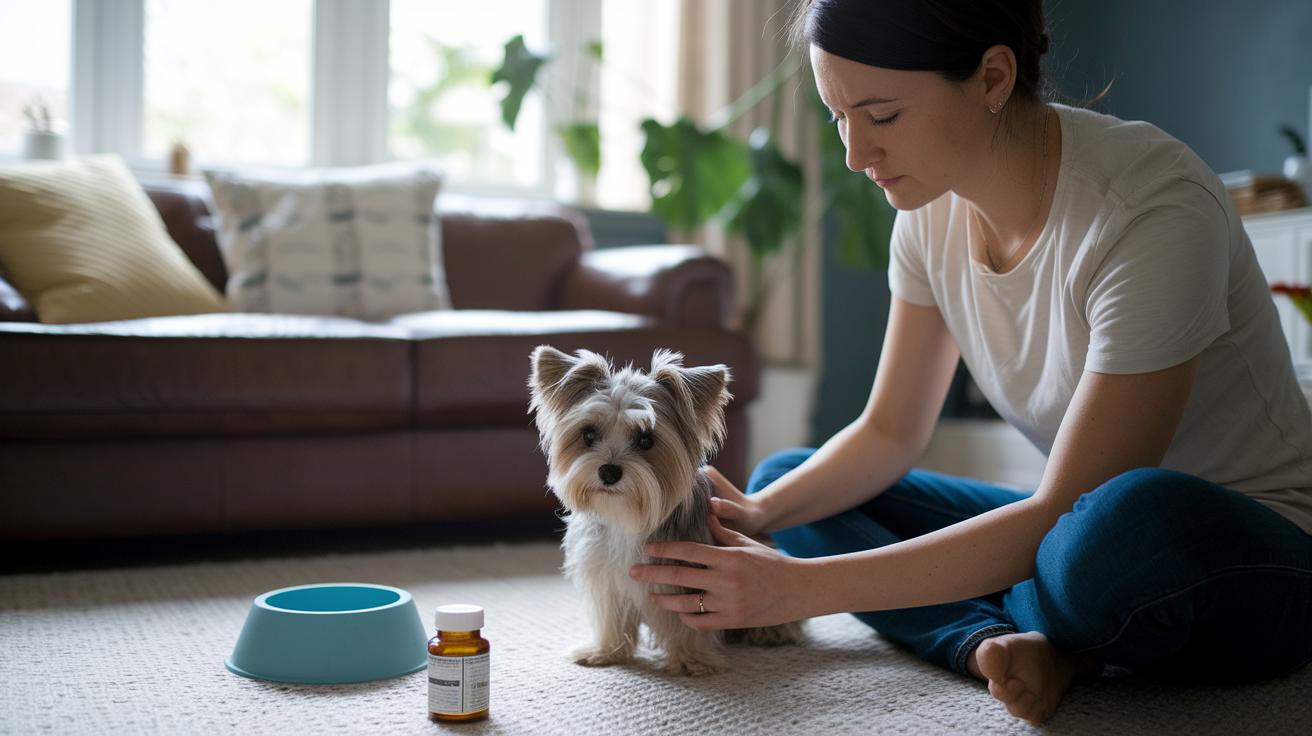
Trilostane can help many dogs feel better, but some may show side effects you need to watch for. Giving this medicine with food may help reduce nausea. Always keep an eye on your dog’s behavior during treatment. If your dog becomes very weak or collapses, stop giving the medicine and call your veterinarian right away.
Some side effects are mild and pass quickly, while others might require prompt attention. Watch your dog’s daily activities, appetite, and bathroom habits to catch any problems early. Common side effects include:
- Loss of appetite
- Lethargy or weakness
- Vomiting
- Diarrhea
- Risk of dehydration
- Electrolyte imbalances
- Signs of an Addisonian crisis (such as collapse or severe weakness)
Monitoring and Regimen Adjustment Protocols for Trilostane
Begin treatment with a round of baseline labwork. Your vet will run a CBC (complete blood count), biochemistry, and electrolyte tests to set a clear starting point. These tests help guide any future treatment changes.
Within 10 to 14 days after starting trilostane, your vet should perform an ACTH stimulation test (which checks cortisol levels). If the test shows that cortisol levels stay high, your vet might adjust the dose.
Continue with lab tests every 3 to 6 months. This helps fine-tune the treatment plan based on test results and any ongoing symptoms like heavy panting or increased thirst.
Keep a simple daily log. Note any changes in your dog's water intake, urination, or energy. These details can help your vet decide if any adjustments to the regimen are needed.
Trilostane vs alternative endocrine therapies
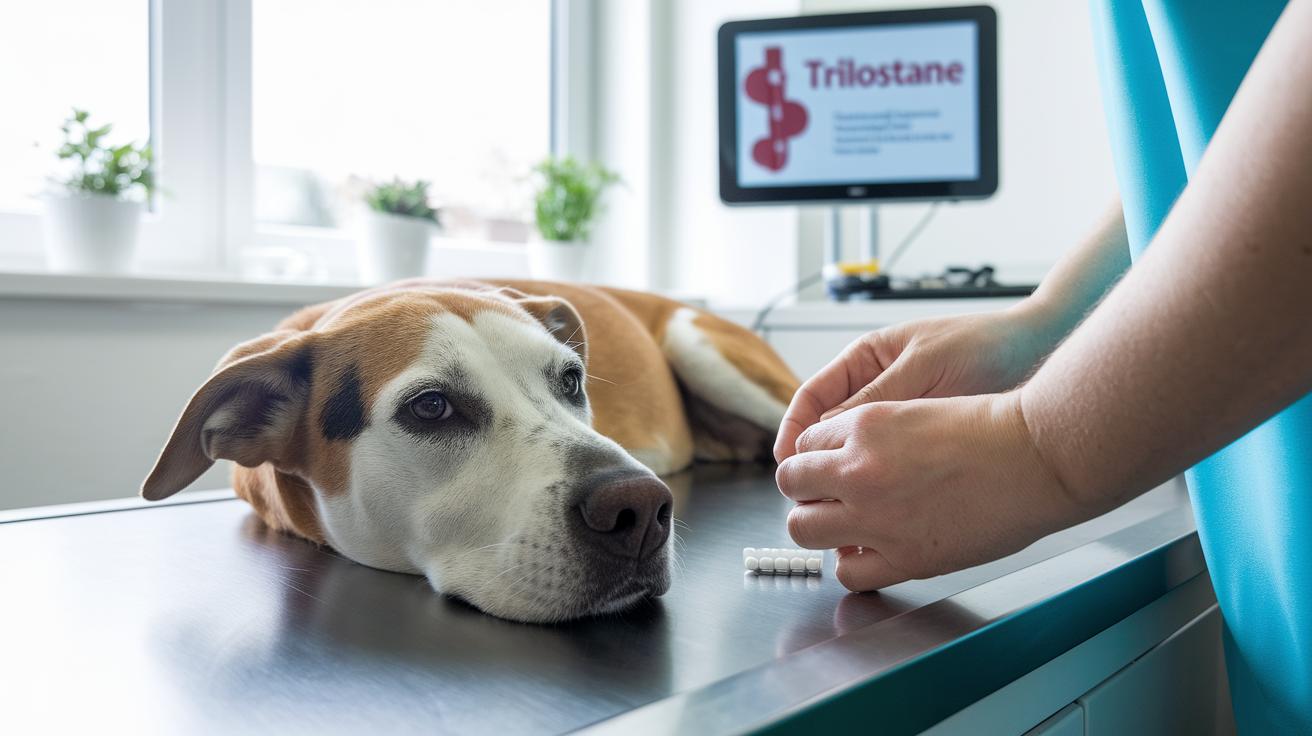
Trilostane is a top choice for treating Cushing’s disease in dogs. Other treatments, like mitotane, work by breaking down the outer layer of the adrenal gland (called the adrenal cortex). This can lower cortisol but has a very tight safety range. Ketoconazole stops cortisol production too, though it may not lower levels as well as trilostane. Selegiline is another option, but its help for pituitary problems is not as steady as trilostane’s.
Trilostane blocks an enzyme needed for making cortisol. Because this action is reversible, your vet can quickly adjust the dose if your dog shows any signs of hormone imbalance. This predictable dosing gives pet owners fewer surprises and more reliable improvements in symptoms like heavy panting or too much thirst. Many pet parents see a noticeable difference within a few days.
For example, some owners have reported that after a few days on trilostane, their dogs drink less water and pant less, making them more comfortable daily. Other drugs might need a longer time to work or require extra monitoring for side effects. With its FDA-approved safety profile, trilostane is a trusted option for both veterinarians and caring pet owners.
Cost analysis and long-term outcomes of trilostane treatment
Monthly costs for Vetoryl can range from $50 to $200, depending on your veterinarian's chosen dose. Some pet owners look at compounded capsules as a more affordable option, though these might not always offer the same level of consistency. It’s important to include these costs in your long-term budget. Studies show that many dogs treated with trilostane can control their Cushing's symptoms for over two years. With careful management, pets often enjoy improvements like normal thirst levels, less panting, and increased energy. Your vet will likely use follow-up ACTH tests (tests that check how the hormone levels respond) to adjust the dose when needed.
Regular checkups are very important to keep hormone levels safe. In the early months, the dose may need tweaking as often as tests occur. These tests help avoid side effects and give pet owners realistic financial planning since they know periodic evaluations are necessary. Addressing issues early can prevent expensive problems later and help keep your pet in top shape.
Many pet parents see their dog’s condition stabilize about two weeks into treatment. These early improvements underline why it’s important to stick to a consistent treatment plan, even if small dose adjustments are required.
Standard Poodle case study
An 8-year-old Standard Poodle named Zoey showed clear improvements in her daily routine. In just ten days, her constant thirst was under control and her coat looked noticeably better. A follow-up ACTH test confirmed her progress, giving her family reassurance about trilostane’s effectiveness.
Expert vet recommendations
- Give the dose at the same time every day
- Get lab tests every 3–6 months
- Administer the medication with food
- Avoid stopping the medicine abruptly
- Maintain open communication with your veterinarian
Final Words
In the action, we reviewed how trilostane helps manage canine Cushing’s by adjusting cortisol levels and improving daily life. We detailed its mechanism, dosage guidelines, and monitoring steps. Short-term side effects and long-term outcomes were discussed clearly. This guide lets pet owners track symptoms closely and work with their vet for steady improvements. With clear advice and realistic expectations, trilostane for dogs with cushing’s disease proves a trusted option in ensuring a pet’s well-being and happiness.
FAQ
What side effects may trilostane cause in dogs with Cushing’s disease?
Trilostane side effects may include loss of appetite, lethargy, vomiting, diarrhea, and weakness. In rare cases, severe dosing can lead to an Addisonian crisis, so close vet monitoring is important.
What reviews do owners give for trilostane in canine Cushing’s disease treatment?
Owner reviews often note that trilostane helps reduce excessive thirst, urination, and panting quickly while improving overall quality of life, making daily management of Cushing’s more predictable under vet care.
What is the recommended dosage guideline for trilostane in dogs with Cushing’s disease?
The recommended dosage is typically 2 mg/kg given once daily with food. Dose adjustments are made based on an ACTH stimulation test 10–14 days after starting therapy, using capsule sizes from 5 mg up to 120 mg.
How much does trilostane treatment cost for dogs with Cushing’s disease?
The monthly cost of trilostane (Vetoryl®) usually ranges between $50 and $200, depending on the dose your dog needs and the results from follow-up tests.
What should an owner do if they believe Vetoryl killed their dog?
When concerns arise, some reports suggest a link between Vetoryl and severe outcomes, but these instances are uncommon. Owners should immediately contact their veterinarian to review dosing and monitor for any adverse reactions.
Why was trilostane taken off the market?
Trilostane has not been widely removed from the market. Concerns typically relate to improper use or rare side effects, which reinforces the need for strict veterinary oversight during treatment.
How long can a dog live while on trilostane therapy?
Many dogs on trilostane can live well over two years. With regular monitoring and dose adjustments, this treatment can help manage Cushing’s symptoms and maintain a good quality of life.
How quickly does trilostane treat Cushing’s disease symptoms in dogs?
Trilostane can reduce symptoms such as excessive thirst and panting within 1–2 days of starting treatment, although full stabilization may require ongoing adjustments with your vet’s guidance.
Is trilostane hard on the kidneys for dogs?
Trilostane is generally not hard on the kidneys when administered correctly. Routine lab tests are advised to monitor kidney function and electrolyte levels during treatment.
What is considered the best medication for dogs with Cushing’s disease?
Many veterinarians favor trilostane due to its reversible enzyme inhibition and predictable dosing. The best choice, however, depends on your dog’s specific condition and should be determined by your veterinarian.