



Ever wonder if your dog's food really gives them the healthy start they need? The nutrition facts panel is like a map that shows you the best fuel for your furry buddy. When you see meat listed first, it usually means the food has high-quality protein to help build strong muscles and keep energy up. In this post, we explain every number and ingredient so you can pick a meal that helps your dog thrive.
Interpreting Dog Food Nutrition Facts
The Nutrition Facts panel on dog food is your guide to what’s in every bag. Ingredients are listed from the heaviest to the lightest, so the first few items make up most of the food. For example, if chicken is the first ingredient, a large part of the meal comes from that animal protein. This order helps you see if the food uses quality ingredients or too many fillers.
The panel also shows key nutrients. You’ll find crude protein, which tells you the food’s protein percentage. Protein helps repair muscles and gives energy. Crude fat is important too because it provides energy and keeps your dog’s coat shiny. Crude fiber is listed with a maximum percentage, warning you if the food has too many fillers like corn or wheat (fillers that might be hard to digest). Moisture indicates the water content, affecting the food’s texture and shelf life.
Calorie content is shown separately in kilocalories per kilogram (kcal/kg) to help you adjust portion sizes. A higher calorie count might work well for an active dog, while a less active pet may need fewer calories.
Think of the Nutrition Facts panel as a snapshot of the food’s balance. When you understand these numbers and the order of ingredients, you can choose a food that meets your dog’s health needs. Reading this panel carefully helps you make the best choices to keep your dog happy and healthy.
Reading Ingredient Lists on Dog Food Labels
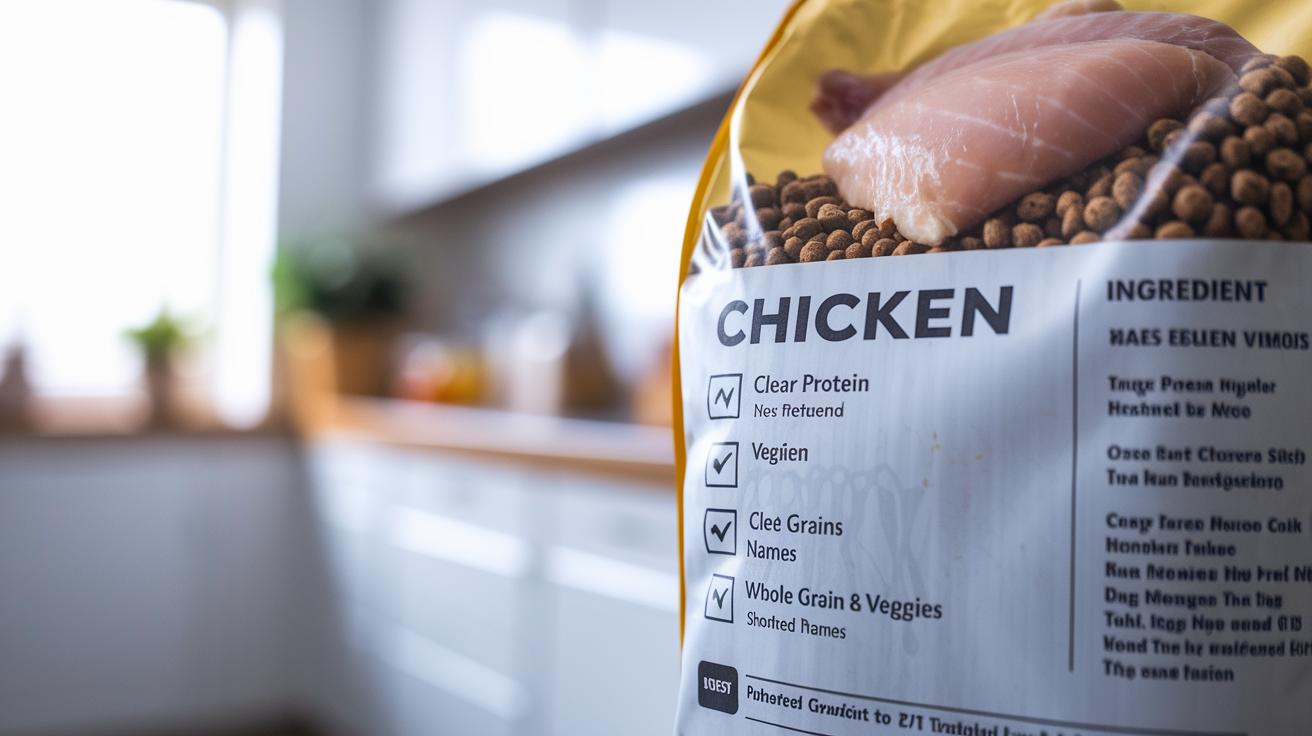
When you shop for dog food, start by looking at the ingredient list. This list shows what fills the bag. The ingredients are listed from heaviest to lightest, so the top few items make up most of the food. For example, if chicken is the first ingredient, your dog food has plenty of real animal protein.
Look for clear protein names like beef, chicken, or sardine. Foods with these ingredients at the top are usually higher quality. Then check for nutrient-rich items like whole grains, fruits, or vegetables. These add vitamins, minerals, and fiber while giving your pet the energy they need.
Be cautious with artificial colors, flavors, or preservatives. These ingredients don’t help with nutrition and might signal fillers. Fillers, such as unnamed meat by-products or too many grains, offer less nutritional value.
When you’re shopping, keep these tips in mind:
- Make sure the first ingredient is a quality animal protein.
- Look for healthy, nutrient-dense ingredients next.
- Avoid products with too many fillers or artificial additives.
Following these simple steps will help you choose a better dog food that supports your pet's health.
Decoding the Guaranteed Analysis on Canine Diets
The Guaranteed Analysis on a dog food label shows you the basic nutrient numbers. It tells you the minimum amounts for protein and fat and the maximum amounts for fiber and moisture. For example, a bag of dry kibble might list protein between 25% and 35%. This range usually works well for active dogs. More protein helps with muscle repair and energy, while fat gives energy and keeps your dog’s coat shiny.
A quick tip: If you see fiber numbers over 8%, the food might have more plant fillers like corn or wheat. These fillers can be tougher for some dogs to digest. When reading the label, match the numbers to your dog’s needs. Does your dog need more energy? Look for higher fat levels. If your dog has a sensitive stomach, you might want lower fiber.
Here's a quick snapshot of common values:
- Minimum crude protein: Typically 25%–35%
- Minimum crude fat: Enough to fuel energy and keep the coat healthy
- Maximum crude fiber: Ideally under 8% to avoid too many fillers
- Maximum moisture: Helps balance texture and keep the food fresh
Knowing these numbers makes it easier to pick a food that suits your dog’s nutritional needs.
Reviewer: Dr. Jamie Rivera, DVM | 10/01/2023
Understanding Calorie Counts in Dog Food

Calorie numbers help you balance your dog's daily energy intake. You might see them listed as kcal/kg (calories per kilogram) or kcal per cup. These numbers are not mixed with the protein, fat, fiber, or moisture details on the label. They simply show you how much food your pet should have based on size, activity level, and age.
For example, if you read 3500 kcal/kg on the label, you can use that number to figure out the right portions for keeping your dog at a healthy weight. Even a small mistake with these numbers can lead to gradual weight gain, which may hurt your pet's overall health. Accurate calorie information is key to preventing overfeeding and helping your dog live a balanced life.
By checking these calorie counts, you can adjust portion sizes to match your dog's energy needs. This helps keep their energy steady and supports a healthier weight. Every pet is different, so using these numbers for a customized feeding plan can really boost your dog's well-being.
Key Nutritional Components: Protein, Fats, Carbohydrates, Vitamins, and Minerals
Protein helps repair and build muscle. In good dog food, a real animal protein like chicken, beef, or sardine makes up much of the recipe. When you see “real beef” listed first, it usually means the food is rich in nutrients that help your dog recover and stay energetic. Animal proteins also provide essential amino acids (the building blocks for healthy body tissue) that your dog needs.
Fats give your dog a burst of energy and keep their coat shiny and healthy. Look for dog food that includes omega-3 and omega-6 fatty acids because they help keep the skin smooth and calm any irritation. A quick tip: ingredients like fish oil, which you can see in the list, can boost your pet’s overall health. Plus, fats help the body absorb vitamins that need fat to be used properly.
Carbohydrates come from grains, legumes, or tubers and give your dog quick energy along with much-needed fiber. This fiber supports a healthy stomach and helps keep blood sugar levels steady. When you check your dog food label, choose whole and lightly processed carbs like oats or sweet potatoes instead of grains that have been changed a lot.
Vitamins like A, D, E, and the B family do many jobs in your dog’s body. Vitamin A helps with good vision and a strong immune system, while vitamin D is important for keeping bones strong. These vitamins work together to keep your pet healthy.
Minerals such as calcium and phosphorus are needed for strong bones and proper body functions. They need to be in the right amounts so that your dog’s body can work well and support a strong skeleton.
When you pick dog food, remember that it should have the right mix of protein, fats, carbohydrates, vitamins, and minerals to match your dog’s age and activity level. A balanced meal plan gives your dog the energy they need to play, recover from exercise, and feel great every day.
Common Label Terms: Organic, Natural, Grain-Free, and More
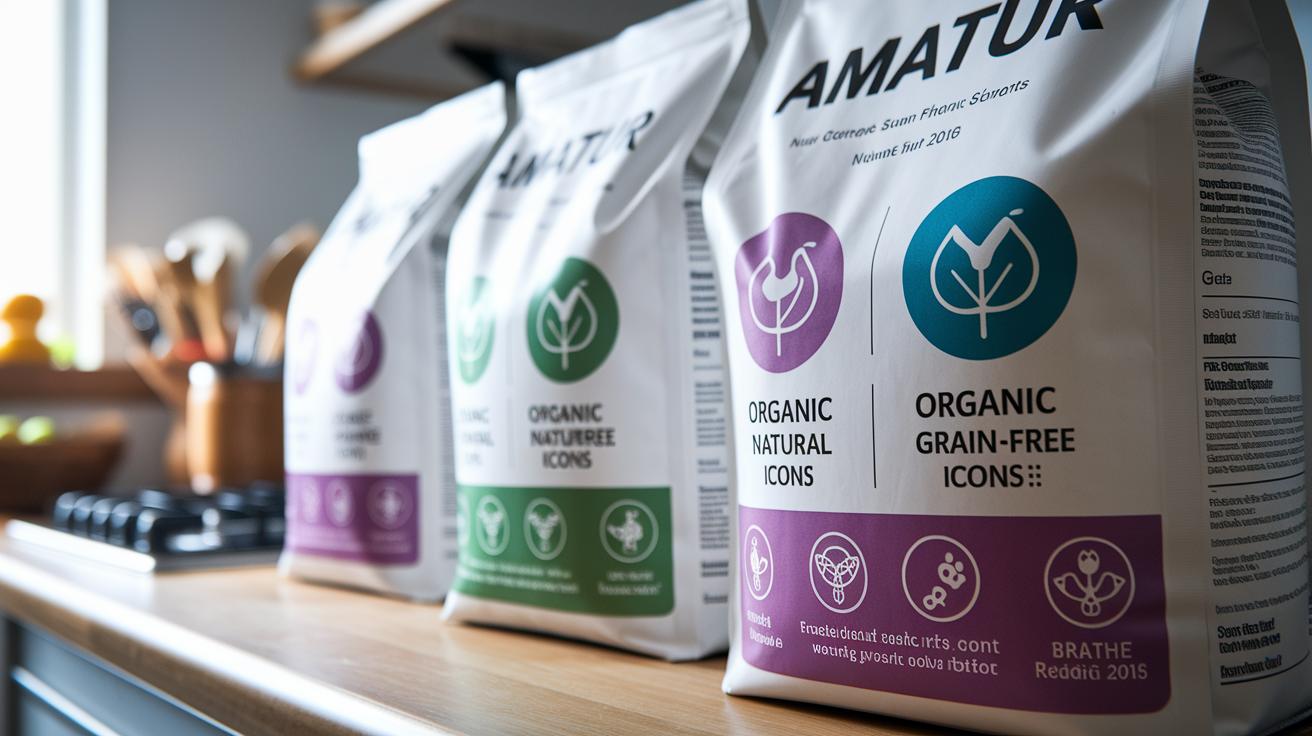
Dog food labels can be confusing sometimes. Organic means the ingredients were grown without man-made chemicals and follow strict USDA rules. For example, if you see organic chicken, it means the chicken came from birds raised on organic feed with careful care.
Natural means the food does not have any fake additives and is only lightly processed. A quick tip: if you see natural on the bag, it means the food ingredients haven’t been changed too much, even if they were dried or ground a bit.
Grain-free means the food does not include common grains like corn or wheat. Instead, it uses things like legumes (beans and peas) or tubers (like sweet potatoes) to give energy. This can be a good choice for dogs with food allergies or sensitivities.
There are other labels to know too. Human-grade means the food meets the safety standards used for people. Words like fresh, air-dried, gently cooked, and freeze-dried point to different ways of keeping the food’s nutrients or making it last longer.
High label clarity helps pet parents choose meals that fit their dog’s health needs, kind of like following a recipe to create a balanced meal.
Knowing these terms makes it easier to compare products and find a dog food that helps your pet stay healthy.
Life Stage and Dietary Recommendations for Dogs
AAFCO standards set the nutrient profiles for dogs at different stages of life. Puppies need extra calories, protein, and fat for fast, healthy growth. Adult dogs benefit from food that provides steady energy and helps them maintain a healthy weight. Some foods are made for every life stage, so always check that the recipe suits your dog’s needs.
Feeding directions on the bag give you clear guidelines based on your pet’s weight, age, and activity level. For example, if a label suggests 1 cup per meal for a 25-pound dog, you can easily work out the total daily feeding amount. Online feeding calculators or a quick chat with your vet can help you figure out the correct portions.
An active pup might need a high-calorie formula, while a laid-back older dog could do well with a lower-calorie option. Many veterinarians recommend keeping track of your dog’s weight and body shape. Adjusting the serving size little by little can help maintain the right balance of energy and body condition.
When choosing a dog food, look at both the ingredients and whether the formula suits your pet’s current stage of life. Check the label for proper portion sizes and balanced nutrients. Using online tools and vet advice can help you find the perfect match for your dog’s dietary needs, and regular checkups will keep their meal plan on track.
Balanced Meal Strategies and Homemade Diet Considerations

Feeding your dog a balanced meal means offering a mix of protein, fats, carbohydrates, vitamins, and minerals to keep them healthy and full of energy. A good daily diet usually has about 25-35% protein to build muscles and 12-20% fat for energy and a shiny coat. Carbohydrates give quick energy and fiber, while vitamins and minerals help keep bones and organs strong.
When you cook at home, make sure your recipes meet AAFCO guidelines (standards for pet nutrition) or use supplements to fill any gaps. Home-cooked meals let you know every ingredient, but balance is key. Always check where your ingredients come from and watch for allergens, especially if your pup has a sensitive stomach.
Here are some easy tips for planning both store-bought and homemade meals:
- Start with a lean protein like chicken, beef, or sardines to provide essential nutrients.
- Add healthy fats by using fish oil or a small bit of olive oil to support skin and coat health.
- Choose easy-to-digest carbohydrates such as sweet potatoes or oats for energy and fiber.
- Mix in fresh vegetables and fruits to boost vitamin and mineral intake.
- If your meal plan seems to miss something, talk with your veterinarian about supplements.
For keeping costs in check, shop for seasonal produce and buy quality proteins in bulk. If your dog is allergy-prone, avoid common allergens and try new protein sources. Always adjust portions based on your dog's size, age, and activity level to ensure they get all the nutrients they need.
Final Words
In the action, we broke down dog food labels step by step, from reading ingredient lists to deciphering guaranteed analysis and calorie counts. We also explored key nutrients like proteins, fats, and vitamins while clearing up common terms such as organic and grain-free. This guide simplifies diet choices, making it easier to select meals that match your dog's needs. Dog Food Nutrition Facts Explained enable smart feeding decisions to keep your pet healthy and happy. Enjoy making choices that benefit your furry friend every day!
FAQ
Frequently Asked Questions
- What do dog food nutrition facts explain for dry and wet formulas?
- The dog food nutrition facts explain the ingredient order (from heaviest to lightest), nutrient percentages (protein, fat, fiber, moisture), and calorie content. They help pet parents compare labels for both dry and wet foods.
<dt>How do I know which dog food ingredients to avoid, including dangerous ones?</dt>
<dd>
  The list helps you avoid harmful items like artificial colors, flavors, and preservatives along with fillers from cheap by-products. Such additives can lower the food’s nutritional quality and may affect your pet’s health.
</dd>

<dt>What should I look for on a dog food ingredients list or checker?</dt>
<dd>
  The ingredients list shows items arranged by weight. A checker tool helps identify high-quality proteins and warns against fillers and artificial additives, ensuring you choose a nutritious dog food option.
</dd>

<dt>What information does a dog food formulation PDF provide?</dt>
<dd>
  A dog food formulation PDF details the recipe’s balance, showing nutrient ratios and ingredient percentages. It explains how the food meets nutritional standards, aiding informed decisions about your pet’s diet.
</dd>