

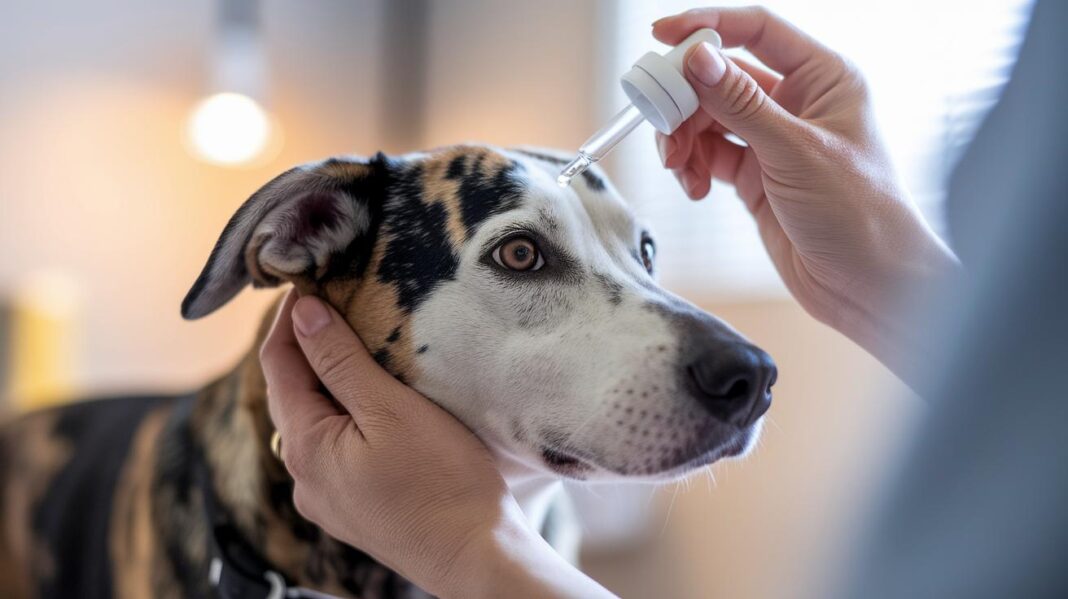

Is your dog shaking its head a lot? This might be a sign of an ear infection (a painful inflammation inside the ear).
A mix of a gentle natural rinse and medicated drops can bring quick relief.
In this guide, we'll walk you through how to treat your dog's ear infection safely and effectively.
By learning to spot the signs and choosing the right treatment, you can help calm your dog's irritation and reduce the chance of future issues.
Follow these simple, step-by-step tips to help your furry friend feel better fast.
Dog Ear Infection Treatment: Quick Relief Now
Ear infections are one of the most common reasons to take your dog to the vet. If you leave them untreated, your dog can suffer from ongoing pain, hearing loss, or even nerve issues. For mild to moderate infections, a mix of ear drops and natural rinses can help. Your vet may recommend medicated drops that fight bacteria or yeast, usually given twice a day for 2 to 4 weeks.
Natural rinses, like one with hypochlorous acid (a gentle cleaning solution), work by washing away dirt and soothing the irritation. Think of it like a mini spa treatment for your dog, a refreshing rinse that calms a sore ear like a cool rain on a hot day.
Using both treatments together often gives the best results. The natural rinse boosts your dog’s own defenses, while the drops provide fast relief. If the infection is very severe or keeps coming back, your vet might suggest a longer treatment plan or even surgery.
The key is to follow your vet’s advice and use the right treatment plan, whether it’s over-the-counter options, natural rinses, or a prescription. This approach helps ease your dog’s discomfort quickly and stops future ear problems.
Identifying Signs and Types of Dog Ear Infections
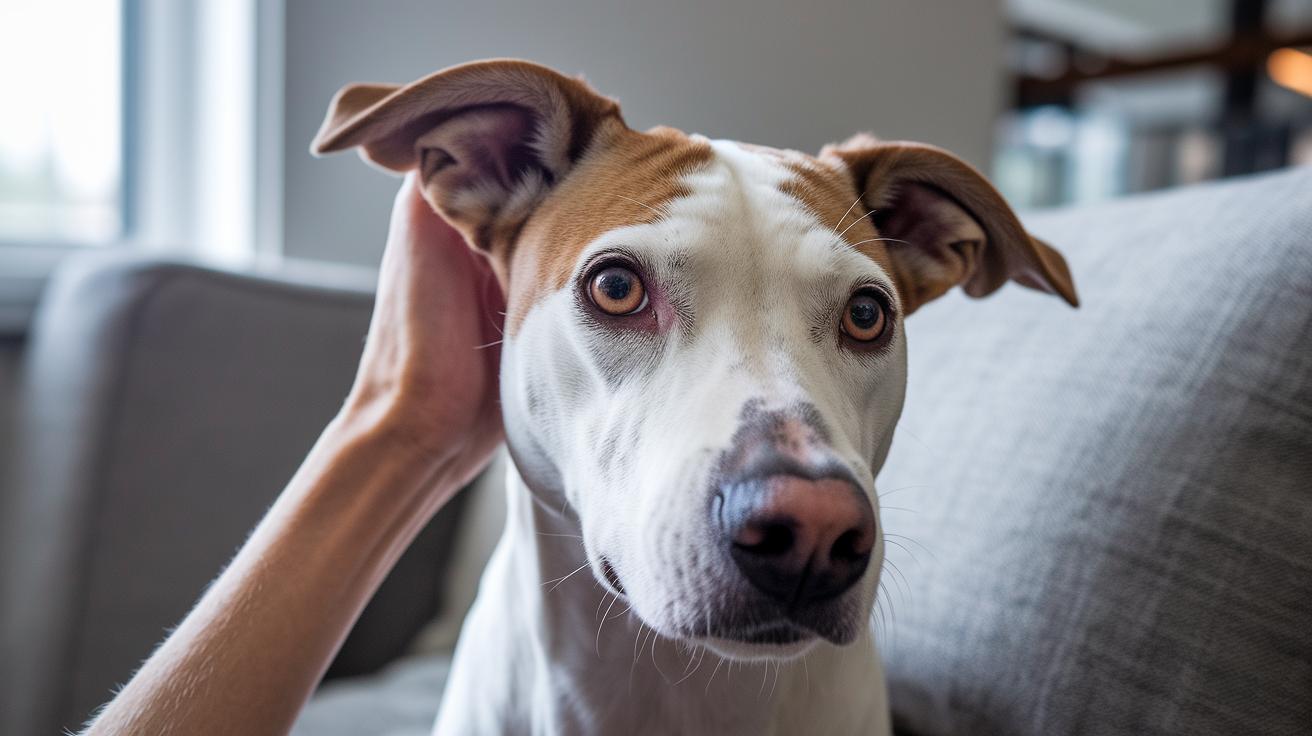
Dogs show they are not feeling well in obvious ways. They might shake their head a lot, tilt it oddly, or paw at their ears repeatedly. You may also see red and swollen skin or notice a bad smell coming from their ear. Sometimes, the affected ear feels warmer or the dog holds its head in an unusual way.
There are three common types of ear infections in dogs. The first type happens on the outside of the ear (otitis externa) and affects the ear flap and outer canal. In these cases, you might see clear irritation, redness, and even a scabby look after a swim or bath. The second type, called otitis media, occurs deeper in the ear canal. It usually causes mild discomfort and a small amount of discharge that might be easy to miss. The third type is the inner ear infection (otitis interna). This one is more serious because it affects balance and hearing, often leading to a noticeable loss of coordination or more head tilting.
Regularly checking your dog’s ears can help spot problems early. Lift the ear flap and look for any odd colors, smells, or swelling. For example, if your dog keeps tilting its head after a bath, it might be an early sign of an infection. A veterinarian will use a tool called an otoscope (a small light and magnifier for seeing inside the ear) to check exactly what’s going on and how severe the issue is. Recognizing these signs early means you can get help for your furry friend before things get worse.
Common Causes of Canine Ear Infections and Remedies
Moisture is a common reason dogs get ear infections. When a dog swims, bathes, or gets caught in the rain, water can linger in its ears. This wet spot can let bacteria and yeast grow. For instance, if you forget to dry your dog's ears after a pool day, it may lead to an infection.
Allergies from food or the environment, like pollen, dust, or mold, can inflame the ear canal. After a windy, pollen-filled day, you might see your dog scratching its ears. This is a sign that an ear infection, possibly caused by yeast, might be starting.
Small objects can also cause problems. Tiny pieces of grass, such as foxtail grass, can get into the ear and cause irritation. Sometimes, too much wax builds up and traps dirt, which can lead to an infection. In addition, dogs with hormonal issues, like hypothyroidism (a condition where the thyroid does not produce enough hormones), may have poorer skin and ear health, increasing their risk for infections.
Dogs with floppy ears, like Cocker Spaniels and Basset Hounds, are more likely to get infections because their ears trap moisture. Dogs with narrow ear canals may also struggle to remove debris. To help prevent ear infections, clean your dog's ears regularly with a vet-approved cleanser, dry them thoroughly after water exposure, and manage allergies with dietary changes or immunotherapy if needed.
For example, after a rainy walk, Sam carefully dries his Golden Retriever's ears. This simple step often prevents issues like yeast overgrowth in the ear canals.
Comparing Professional and At-Home Dog Ear Treatment Options

Vet-prescribed Medications
When your dog has an ear infection, a vet may prescribe drops that directly fight the bacteria or yeast. If bacteria are the culprit, antibiotic drops are used, and antifungal drops work on yeast overgrowth. Often, the treatment plan includes a short course of oral medications with pain relievers during the first few days to make your pup more comfortable. The full course usually lasts between 2 and 4 weeks. For example, your vet might say, "Apply two drops every 12 hours for 3 weeks," giving you a clear schedule to follow.
OTC and Natural Ear Drop Solutions
Over-the-counter ear drops often include pH-balanced cleansers like vinegar or hydrogen peroxide to clear debris and adjust the ear's acidity. Always run these by your vet first to avoid irritation. Natural remedies, such as a homemade garlic-olive oil mix or a commercial hypochlorous acid rinse, can help ease mild inflammation while supporting your dog's natural defenses. Imagine a gentle rinse that soothes your dog's ear like a cool splash on a hot day.
Professional Procedures
In some cases where the infection does not improve with regular drop treatments, a vet might suggest more hands-on procedures. For tougher or long-lasting infections, sedation-assisted ear flushes can help remove stubborn debris or foreign materials that simple cleaning cannot dislodge. If your dog's ear structure is causing repeated problems, the vet might even recommend minor surgery to fix it. This approach is reserved for infections that need more than at-home care.
| Option | Use | Frequency |
|---|---|---|
| Prescription Medications | Fights bacteria or yeast to clear the infection | 2-4 weeks |
| OTC Cleansers | Removes debris and adjusts ear pH | As needed |
| Natural Rinses | Soothes inflammation and supports natural defenses | Daily or as directed |
| Professional Procedures | Flushes, debris removal, or surgery for severe cases | Per veterinary schedule |
Step-by-Step Dog Ear Cleaning and Medication Guide
Let's help your dog feel better with a simple ear cleaning routine. First, gather your supplies: a vet-approved ear cleanser, some cotton wool, and any pain medication your vet prescribed. Remember, avoid plain water since it can make the infection worse. Treat your dog gently, like calming a nervous friend.
- Secure your dog in a safe spot and check the ear to make sure it feels comfortable.
- Apply a small amount of the ear cleanser into the ear canal.
- Gently massage around the base of the canal for 20 to 30 seconds to help loosen any dirt.
- Carefully wipe away the loosened debris using cotton wool.
- Let your dog shake its head to help remove any extra cleanser.
- Dry the ear flap and canal completely with a clean towel. Keeping the ear dry is important to prevent bacteria or yeast from growing.
If your dog seems uncomfortable, you can give the prescribed pain medication for the first 2 or 3 days. This routine helps keep your dog’s ear clean and eases irritation, supporting a steady recovery.
Preventative Strategies for Maintaining Healthy Dog Ears
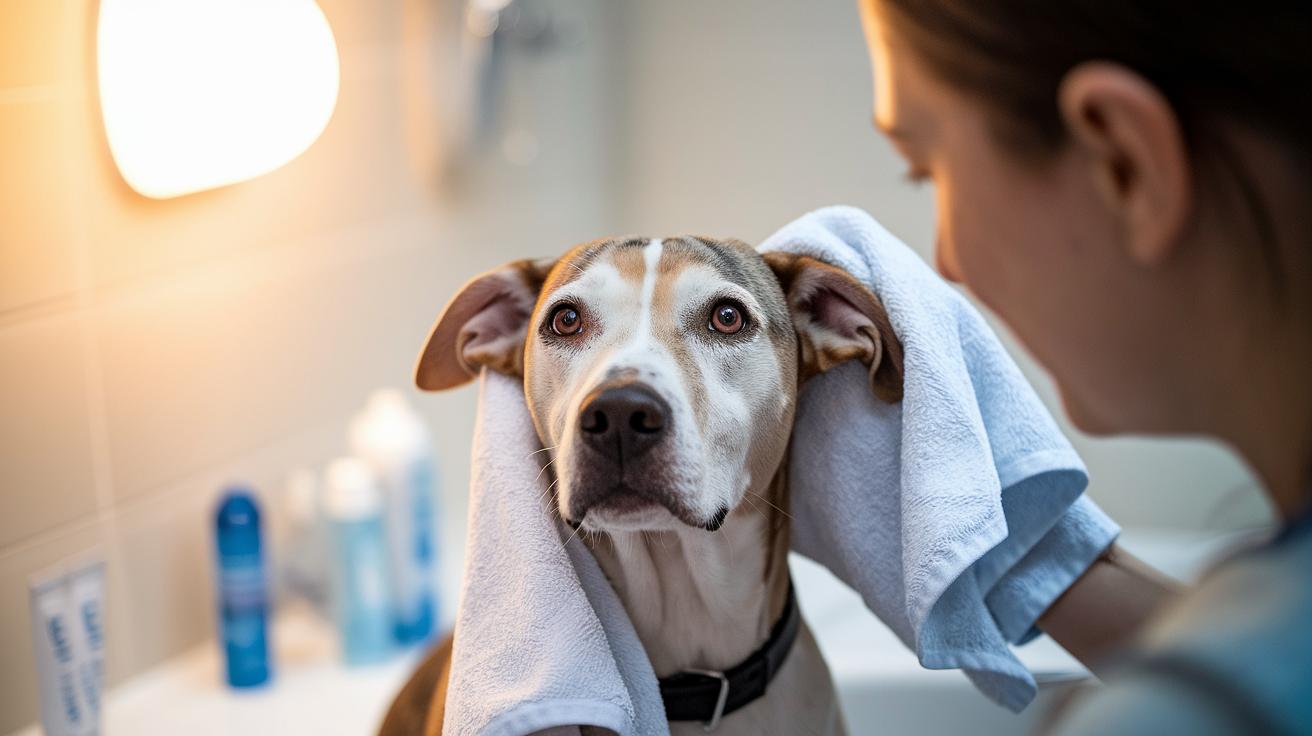
Cleaning your dog's ears once a week usually works well for most breeds. For dogs with floppy ears or allergies, it helps to check their ears more often so that any problems can be spotted early. After a swim, for example, dry your dog's ear completely, imagine gently patting down a wet towel to remove all the moisture.
A simple ear care routine can include:
- Using a vet-approved cleanser once a week.
- Drying the ears well after baths, swimming, or rainy weather.
- Trimming ear hair if it makes proper air circulation difficult.
- Watching for early signs of irritation like a bit of redness or a mild odor.
Managing allergies is also key in keeping your dog's ears healthy. Adjusting your dog’s diet or cutting down on dust and mold can help reduce irritation, similar to how a clean filter works in a machine.
Regular vet check-ups are important too. Your veterinarian can suggest if you need to clean the ears more frequently or try a special routine based on your dog's breed and health. Keeping up with ear care helps your dog feel comfortable and stops small irritations from turning into serious problems.
Final Words
In the action, we tackled signs, causes, and care options for dog ear infections. We broke down symptoms and step-by-step cleaning methods, and compared professional treatments with safe at-home remedies. Short, clear directions can help you choose between prescription drops, over-the-counter solutions, and natural cleansers. Regular check-ups and proper drying routines are simple yet powerful ways to keep discomfort at bay. Use these insights for effective dog ear infection treatment and help your pet stay happy and healthy.
FAQ
Where can I find dog ear infection treatment near me?
Dog ear infection treatment near you is available at local veterinary clinics and emergency pet hospitals. They assess your pet’s condition and provide safe, approved treatment options tailored to the infection.
How can I treat my dog’s ear infection at home?
Treating your dog’s ear infection at home means using a vet-approved cleanser to gently clean the ear. Always consult your vet first to ensure correct techniques and medication use for your pet.
What is the cost of dog ear infection treatment?
Dog ear infection treatment cost varies with severity and treatment type. Home care options are generally less expensive, while veterinarian-prescribed medications or procedures may cost more based on your area and specific needs.
How does dog ear infection treatment with antibiotics work?
Dog ear infection treatment with antibiotics works by targeting bacteria directly. Veterinarians prescribe medicated drops or oral antibiotics for a specific duration—usually 2 to 4 weeks—depending on the infection’s severity.
What over-the-counter and hydrogen peroxide treatments are available for dog ear infections?
Over-the-counter options include pH-balanced ear cleansers and, sometimes, diluted hydrogen peroxide, which help clear debris and adjust ear pH. Always seek your vet’s approval before using these treatments on your pet.
What do I do if my dog keeps shaking its head and scratching its ear?
Shaking and scratching often signal ear discomfort or infection. Observe for redness, swelling, or discharge, and consult your vet promptly to diagnose the cause and start proper treatment for relief.
What natural antibiotic options exist for dogs?
Natural antibiotic options like coconut oil, known for its antimicrobial properties, are sometimes used for minor issues. Remember to check with your vet before using any home remedy to treat your dog’s ear infection.