

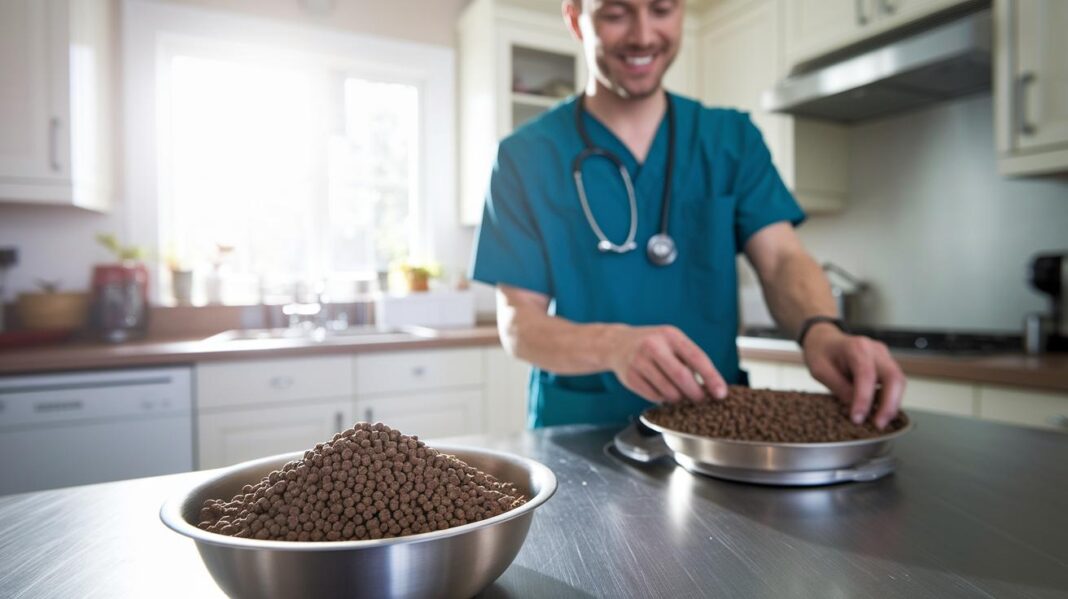

Have you ever wondered if a homemade meal can be as nutritious as the food your vet recommends for your dog? Many caring pet parents ask the same question when they cook at home. In this post, we share easy recipes that licensed experts have approved. These meals mix proteins, carbohydrates (energy sources), and fats in just the right amounts for your dog. They use whole-food ingredients to boost energy and support healthy aging, all without breaking the bank. If you’re ready to serve safe, delicious meals that keep your pet active and well-fed, read on for simple, step-by-step instructions.
Proven Vet Approved Homemade Dog Food Recipes You Can Make Today

These homemade dog food recipes have been carefully designed by licensed veterinarians using whole-food ingredients. They offer a balanced meal that busy pet owners can trust for their dog's nutrition.
These recipes are safe because every ingredient is approved by vets. They make it easy to control portions, manage costs, and ensure your dog gets the right mix of proteins, carbs, and fats. That way, you can feed your pet nutritious meals that meet their energy and health needs.
Dr. Karen Becker’s recipe is a popular pick. It makes about 5.75 pounds (2.6 kg) of food and packs 44 calories in every ounce. On average, it costs around $30 per batch. For an active senior dog weighing 80 pounds (36 kg) that eats about 2 pounds (0.9 kg) a day, this works out to roughly $10 daily. You can serve this meal either raw or lightly cooked based on your dog's needs. Both veterinarians and pet owners rely on this recipe to support healthy aging and keep dogs active.
Key Veterinary Guidelines for Vet Approved Homemade Dog Food Recipes

It is important to work with your veterinarian when planning meals at home for your dog. A vet helps make sure that each meal gives the right balance of nutrients your pet needs to stay healthy.
Here are some simple guidelines:
- Lean proteins such as ground beef, chicken, or turkey help build muscles.
- Digestible carbohydrates like quinoa, brown rice, or sweet potatoes provide energy without upsetting the stomach.
- Fiber-rich vegetables such as broccoli, spinach, or pumpkin support a smooth digestive system.
- Essential fats from wheat germ oil or flaxseed oil help keep the coat shiny and the skin healthy.
- Eggs and seeds, for example, a whole egg or raw sunflower seeds, add extra protein and nutrients.
- Following AAFCO standards (rules that set minimum vitamin and mineral levels) makes sure the meals are complete.
Begin by adding lean proteins to boost muscle health and energy. Next, mix in digestible carbohydrates that fuel daily activities and are gentle on the tummy. Then, add fiber-rich vegetables to promote good digestion. Essential fats improve coat and skin, while eggs and seeds round out the meal with extra nutrition.
Always rely on your veterinarian’s guidance to adjust recipes so they fit your dog's age, size, and lifestyle.
Essential Nutrients and Ingredients in Vet Approved Homemade Dog Food Recipes

Proteins give your dog's body the tools it needs to repair tissues and make hormones. These building blocks, called amino acids, work like a team to build muscle and heal wounds. Carbohydrates provide fast energy and help with important body processes, while fats support strong cell membranes and help absorb vitamins that dissolve in fat. Vitamins and minerals, on the other hand, help enzymes do their job and keep nerve signals flowing.
Choosing ingredients like lean ground beef, salmon, broccoli, and whole eggs means your dog gets quality proteins and fats that are easy to use. Salmon is full of omega-3 fats that boost skin and coat health, and broccoli adds fiber plus vitamins C and K for a quick vitamin boost. Below is a simple table that shows these key ingredients, how much to use, and the calories they offer.
| Ingredient | Role | Example Amount | Calories/oz |
|---|---|---|---|
| Ground beef | Protein source, muscle maintenance | 48 oz | 44 |
| Broccoli | Fiber, vitamins C & K | 2 cups chopped | 15 |
| Salmon | Omega-3 fats, skin & coat support | 8 oz | 60 |
| Whole egg | Complete amino acids, biotin | 2 large | 72 |
Simple Step-by-Step Blueprint for Vet Approved Homemade Dog Food Recipes
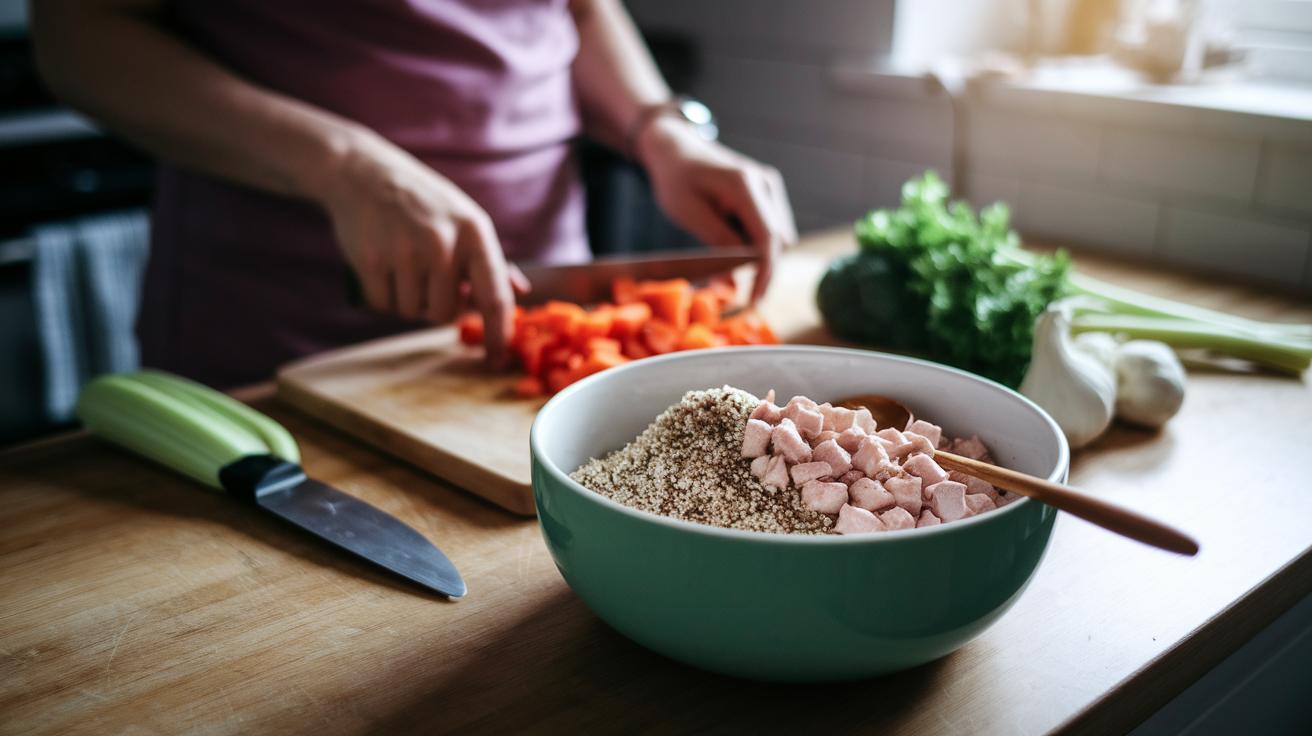
This recipe template makes it easy to create balanced homemade meals for your dog. It blends lean proteins, digestible grains, and healthy vegetables to give your pet the nutrients they need. When you follow this guide, you are creating meals that are safe, tasty, and full of important vitamins and minerals. It uses basic cooking techniques that keep flavors bright and nutrients intact, just like a professional kitchen would.
First, prepare each ingredient with care. Start by cooking grains like quinoa in water or a light bone broth for about 15 minutes to boost their nutrition. While your grains are simmering, cook lean proteins and eggs on medium heat until they get a gentle, golden crust that locks in flavor and goodness. At the same time, steam your vegetables so they soften and release vitamins, and gently mash fresh berries to draw out their natural sweetness and antioxidants. These careful steps ensure every part of the meal is both balanced and easy on your dog’s tummy.
Finally, put all the prepared ingredients into a large bowl. Add any extra seasonings or a little drizzle of essential oils. Mix everything until it is evenly combined. Then, divide the mixture into daily portions based on your dog’s size and needs. Any extra food can be stored in the refrigerator for up to 3 days or frozen for later. This way, you’ll always have a batch of vet-approved, homemade dog food ready for your beloved pet.
Top Vet Approved Homemade Dog Food Recipes Collection

Our collection features vet-approved recipes that serve up balanced, tasty meals for your furry friend. Each recipe uses good proteins, whole grains, and vitamin-rich vegetables to support your dog's health. Whether you prefer a raw meal or one that’s gently cooked, you’ll find plenty of options here.
Chicken Veggie Mash-Up
This dish blends lean chicken with quinoa (a nutritious grain) and a mix of colorful vegetables. The combo of proteins and carbs gives your dog energy and helps keep muscles strong. It’s a light, balanced meal perfect for active pups.
Chicken and Pumpkin Pot Pie
Using a hearty chicken base, this meal adds in pumpkin (rich in fiber) and naturally sweet potatoes. Together, these ingredients help your dog's digestion and supply important vitamins. It’s a gentle meal ideal for pups with sensitive tummies.
Pork and Pear Delight
This recipe mixes savory pork with barley for a steady supply of carbohydrates. Sweet pears lend a natural hint of sweetness, while flaxseed oil (a healthy fat) helps maintain a shiny coat. It’s a great option for dogs needing extra skin and fur support.
Savory Pork and Veggie Stew
Packed with butternut squash (full of vitamins) and lentils (a good protein source), this warm stew comes with a light broth that soothes and nourishes. It works well on cooler days or for older dogs needing extra care.
Turkey and Cranberry Kibble Topper
Combine lean turkey breast with cranberries and spinach to create this nutrient boost. Loaded with antioxidants, this topper adds flavor and extra nutrition to your dog's regular meal.
Hearty Turkey Veggie Mash
In this recipe, 2 cups of cooked, shredded turkey mix with a variety of mashed vegetables to form a dish that wins over even picky eaters. The texture and taste come together to make a satisfying meal for any dog.
Customizing Vet Approved Homemade Dog Food Recipes by Dog Size and Age

Every dog is unique. To help them stay healthy, it's important to adjust their portions by weight and life stage. This way, your pet gets just the right amount of food to keep their energy steady and their body nourished.
Puppies, for example, need meals that pack a lot of energy because they burn calories fast while growing. Small, frequent meals throughout the day work best, fueling their playful spirit and rapid development.
Small adult breeds usually do well with moderate portions. A serving of about 1–2 cups per day helps keep their blood sugar steady and energy levels even.
Large dogs benefit from steady, evenly spaced meals so they don’t eat too much at once. For instance, an 80-lb dog might need roughly 2 lbs of food each day from a batch of about 5.75 lbs. This routine can help lower the chance of bloating or digestive issues.
Senior dogs often need fewer calories because their metabolism slows down with age. Their food should also include joint-supporting ingredients, which can help them move comfortably and feel their best during their golden years.
Safe Transition and Precautions for Vet Approved Homemade Dog Food Recipes

When you change your dog's food from store-bought to homemade, do it slowly over about 7 to 10 days. Start by adding just a little bit of the new food to your dog's usual meal and increase it a bit each day. This gentle switch helps your pet's tummy adjust and lowers the chance of issues like diarrhea or vomiting.
Once you prepare a fresh batch of homemade food, keep it in the refrigerator for up to 3 days so it stays safe and packed with nutrients. If you have extra food, freeze it and thaw only what you need each day. Setting aside individual servings ahead of time can make mealtime easier and help prevent accidental overfeeding.
Watch your dog closely for signs of allergies or sensitivities. If you see symptoms like itching or an upset stomach, call your veterinarian right away. Regular check-ins with your vet during this diet change can keep you sure that your dog's meals are meeting all their nutritional needs.
Final Words
In the action, this article walked through creating balanced, nutrient-rich meals using lean proteins, digestible carbohydrates, and veggies. It explained key guidelines, portion sizes for different dog sizes and ages, and safe transition practices for a smooth switch from commercial food.
Each step builds confidence in making healthy meals at home. Trust these vet approved homemade dog food recipes to provide safe, balanced nutrition that keeps your pet healthy and happy.
FAQ
What are vet approved dog food recipes?
Vet approved dog food recipes are balanced, homemade meals created with expert guidance and careful attention to nutrient levels, ensuring your dog gets a safe and complete diet made from whole-food ingredients.
Are there vet approved homemade dog food recipes tailored for large and small dogs?
Vet approved recipes can be adapted for both large and small dogs by adjusting portion sizes and ingredients, ensuring each recipe meets the specific nutritional needs of different breeds and sizes.
Where can I find nutritionally complete homemade dog food recipes in PDF format?
Nutritionally complete homemade dog food recipes in PDF format provide detailed instructions and ingredient lists vetted by professionals, making it easy for pet owners to prepare balanced meals at home.
What are some vet approved homemade dog food recipes for specific health problems?
Several vet approved homemade dog food recipes target specific health issues by incorporating key ingredients that support digestion, skin health, or joint care, helping tailor meals for dogs with special needs.
What are the best vet approved homemade dog food recipes?
The best vet approved homemade dog food recipes combine balanced proteins, healthy fats, and digestible carbohydrates, providing a complete meal that meets dietary requirements while maintaining safety and quality.
Is there a vet approved chicken recipe for homemade dog food?
A vet approved chicken recipe for homemade dog food typically uses lean chicken and nutrient-rich ingredients, offering a balanced meal that supports muscle maintenance and overall health in dogs.
What do vets recommend for homemade dog food?
Vets recommend using high-quality ingredients, such as lean proteins, whole grains, and fiber-rich vegetables, and following precise nutrient profiles to ensure homemade dog food is safe, balanced, and effective.
What should I avoid when making homemade dog food?
When making homemade dog food, avoid using toxic ingredients like onions or garlic, excessive salt, or unbalanced supplements, as these can upset your dog’s stomach or lead to health issues.
What is the most important ingredient in homemade dog food?
The most important ingredient in homemade dog food is a quality protein source, which supports muscle repair, energy production, and overall growth, forming the foundation of a balanced canine diet.
What are common mistakes in homemade dog food?
Common mistakes in homemade dog food include missing essential nutrients, using improper portion sizes, lacking variety, and neglecting to consult a veterinarian, which can lead to nutritional imbalances in your pet’s diet.