

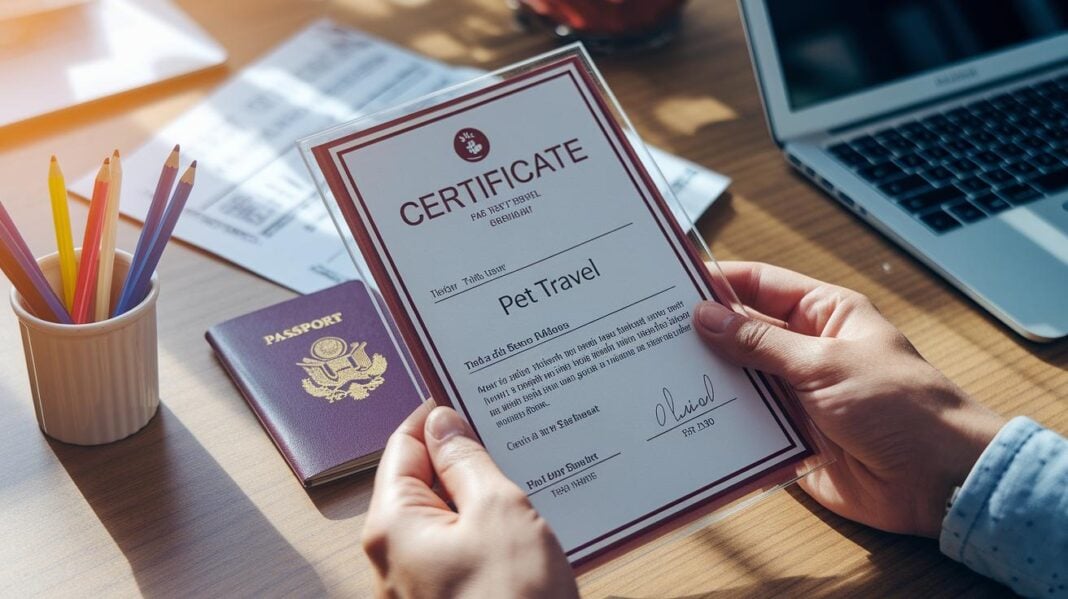

Ever wondered if you really need a pet health certificate before traveling? Without it, extra fees or a long quarantine could quickly turn a fun trip into a stressful experience. That certificate, signed by a licensed vet after a full checkup, shows your pet is healthy and ready for new adventures. In this article, we share five clear benefits that make this certificate much more than just paperwork. It’s your ticket to smooth, worry-free travel with your furry best friend.
Essential Requirements for Certificate of Health for Pet Travel

A pet health certificate is key for a smooth travel experience. It helps you avoid delays, extra fees, or even a long quarantine. A licensed veterinarian must examine your pet and sign the certificate. Remember, you need two copies, a main copy and a spare, to meet most travel rules.
The certificate must be dated within 10 days before your pet arrives at its destination. This ensures that the health check is fresh and shows your pet is safe to travel. If you choose an electronic certificate, make sure it has a certificate number and the correct vet license information. For domestic travel in the U.S., an electronic version without an ink signature is acceptable. For round-trip flights, the same certificate is valid for the return journey if it falls within the 10-day period. If your trip lasts longer, you will need a new certificate.
- Find a licensed veterinarian.
- Schedule a health check within the 10-day period.
- Make sure your pet’s vaccinations and parasite treatments are up to date.
- Complete any extra tests required by your destination (like blood or stool tests).
- Get two signed copies of the health certificate.
- Confirm that an electronic copy meets the travel requirements if you choose that option.
Veterinary Travel Inspection for Certificate of Health for Pet Travel
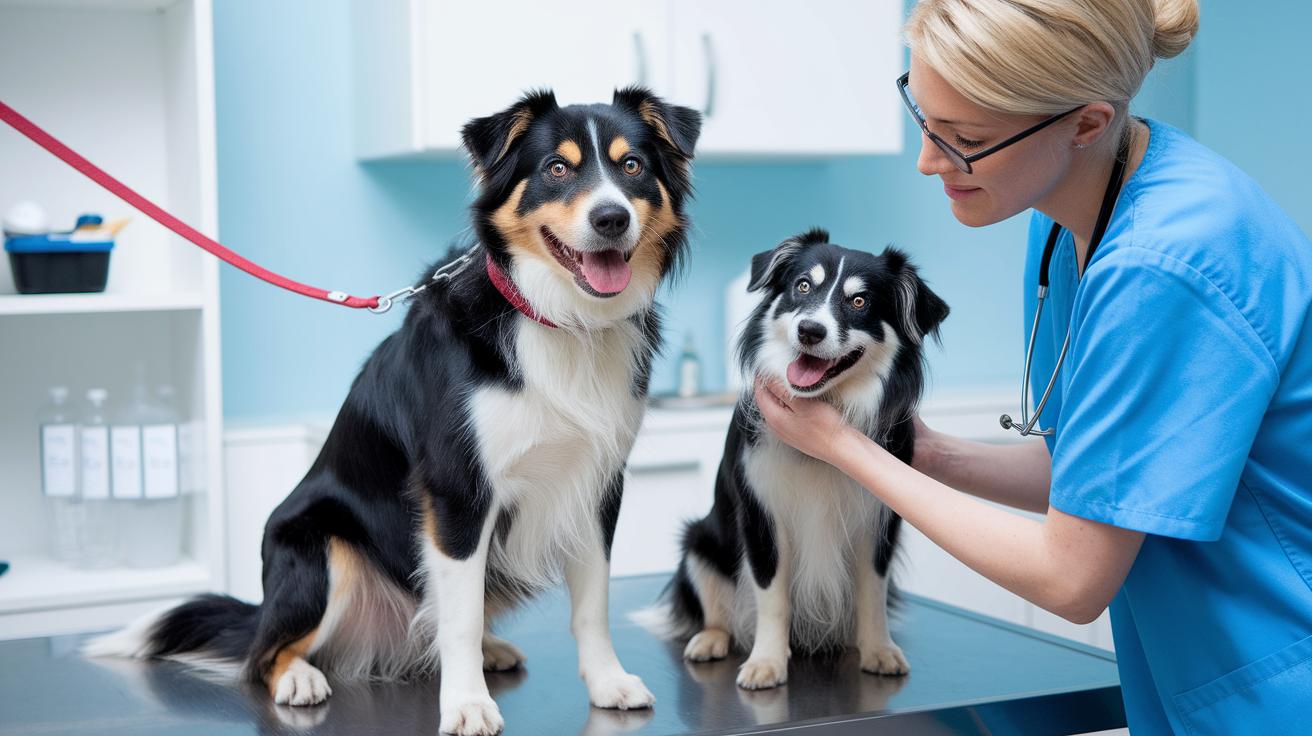
Before you plan a trip with your pet, a veterinary travel inspection is a must. Your vet will check your pet's overall health with a full physical exam. They look for obvious signs of illness, such as trouble breathing or a slow heartbeat. Imagine a happy pet wagging its tail confidently, this shows they’re fit to travel.
Your vet will also review your pet's vaccination records, especially for rabies. (Remember, pets under 12 weeks old don’t need this shot.) They will check that treatments for pests like fleas, ticks, heartworm (a parasite spread by mosquitoes that harms a pet's heart), and intestinal worms have been given as needed.
Sometimes a disease screening is done using blood tests or fecal exams. This helps spot any hidden infections before travel. All these checks are recorded in a travel health record, giving you confidence that every safety step has been taken.
| Inspection Component | Requirement | Typical Timeline |
|---|---|---|
| Physical Exam | No signs of illness or injury | Same-day report |
| Vaccination Review | Up-to-date rabies and core shots | Instant |
| Parasite Control | Proof of treatment within the past 30 days | 2–3 days before travel |
With this travel health record in hand, you know your pet is ready for the journey ahead.
USDA and APHIS Guidelines for Certificate of Health for Pet Travel
The USDA APHIS Form 7001, also called the International Health Certificate, is needed for your pet to travel across borders. You must have the certificate signed by a USDA APHIS Veterinary Services office within 10 days before your pet arrives at its destination. This helps prevent delays at customs.
When you travel between states, your pet needs a Certificate of Veterinary Inspection (CVI). This certificate usually lasts for 30 days. However, some airlines and states only allow a 10-day certificate. Always check the rules before you travel. If your pet is flying in-cabin or as cargo, the airline may ask for extra details. For these trips, the certificate should be issued within 10 days of departure.
For international shipments, you need an IATA shipper’s certification. This means if you use a professional pet shipper or freight forwarder, they must follow IATA rules for animal travel. Every step has strict timing, so make sure all details on each document are right.
Following these federal and airline rules helps ensure a smooth journey for your pet and gives you peace of mind.
Validity and Renewal of Certificate of Health for Pet Travel

When traveling with your pet, the travel documents have set time windows. For international air travel, the certificate is only valid for 10 days. Land trips and some domestic travels might allow up to 30 days of validity. If you return within this period, you don’t need a new certificate.
When the certificate expires, simply book a new vet check-up. During this visit, your vet will make sure your pet is healthy and update your certificate if needed. For instance, if you plan an air trip after the 10-day period, set up the appointment at least a day before you leave to avoid any issues.
Below is a simple guide to the renewal process:
| Step | Action |
|---|---|
| 1 | Review your pet’s certificate to check its valid period based on your travel mode |
| 2 | If the certificate has expired, schedule a new veterinary inspection |
| 3 | Obtain the updated certificate before your journey |
Make sure to book follow-up vet appointments early so your pet’s travel documents are always up to date.
Special Pet and Destination Considerations for Certificate of Health for Pet Travel

When you plan to travel with your pet, the travel documents need to cover special situations for both your pet and the destination. For instance, certificates for pregnant animals need extra care. A veterinarian must check that traveling will not start labor during the trip. Also, pets should be at least eight weeks old before they travel, and animals who have recently had a litter should wait until they are fully better. These steps help keep your pet safe while on the move.
Sometimes, you may need breed verification forms. These forms prove that your pet's breed is allowed in the place you are visiting. Some areas do not allow certain breeds, so having the right paperwork can make entry easier. In addition, if you plan to travel in extreme weather, you might need temperature acclimation documents. This certificate should list the lowest safe temperature your pet can handle, whether the ground temperature is between 20°F and 44°F (about -6°C to 7°C).
Exotic birds have their own rules too. Many airlines and destinations ask for a written note on official letterhead as well as online certification to show that the bird meets international pet health standards. If you are shipping primates, remember they need to be at least six months old, fully weaned, and transported through a designated cargo terminal as per veterinary export guidelines.
Before you travel, check the pet entry rules for your destination. A small change in temperature can affect some species, so having clear and detailed health certificates is very important for a smooth trip.
Tips for Certificate of Health for Pet Travel Compliance and Avoiding Delays
Plan ahead to keep your pet's travel papers ready and avoid last-minute problems. Book a vet appointment at least two weeks before you travel. This gives your vet enough time to do any necessary tests or treatments before giving you the health certificate. Keep both digital and printed copies of every document. Some airlines accept digital files, but it is a good idea to check with your carrier to be sure.
Make sure your pet's microchip information is current and secure any needed import permits if your destination requests them. Work with a reliable logistics partner to manage customs clearance. This extra step can help simplify entering the U.S. and cut down on delays. Also, take a moment to review your airline's pet rules, like crate sizes, whether your pet will travel in-cabin or as cargo, and any specific health document requirements.
By following these steps, you create a simple checklist that helps you focus on your journey. You can relax knowing that your pet’s paperwork meets all the needed requirements.
- Schedule a vet appointment at least two weeks before travel.
- Keep digital and printed copies of your pet's health documents.
- Confirm your pet's microchip is updated and handle any required import permits.
- Partner with a trusted logistics provider for customs clearance.
- Review your airline's pet policies.
- Verify that your carrier accepts your documents in advance.
Final Words
In the action, this post broke down all you need to know about the certificate of health for pet travel. It explained proper requirements and the tight timeline for health inspections, the role of a travel veterinarian certification, and guidelines from USDA and APHIS. The article also offered tips to avoid delays and stress when preparing your pet's documents.
- Locate an accredited veterinarian.
- Book a health inspection within the 10-day window.
- Verify required vaccinations and parasite treatments.
- Complete any destination-specific tests (e.g., blood or fecal).
- Obtain two signed copies of the certificate.
- Confirm acceptance of electronic copy, if preferred.
FAQ
What is a certificate of health for pet travel template and how can I get a PDF version?
The certificate of health for pet travel template is a sample document outlining required vet details, vaccinations, and inspection dates. You can usually get a PDF version from your veterinarian’s office or online resources.
Where can I get a pet health certificate in the USA?
The pet health certificate for travel in the USA is issued by a licensed veterinarian. Many clinics offer both paper and electronic certificates that meet USDA and state requirements.
Do I need a pet health certificate to fly and what documentation is required?
The pet health certificate is mandatory for most flights and international travel. It must include recent health inspection details, vaccination records, and any special test results as specified by the airline or destination country.
How much does a pet health certificate cost?
The cost of a pet health certificate varies by clinic and location. Prices typically range from $50 to $150, which can include the inspection fee and any additional tests required for travel.
What are the USDA pet travel requirements and what does a CVI health certificate mean?
USDA pet travel requirements include a valid Certificate of Veterinary Inspection (CVI), which details your pet’s health status. The CVI must be issued by an accredited veterinarian and is subject to specific timing rules.
What is involved in obtaining a pet health certificate for international travel?
For international travel, the certificate must comply with destination guidelines, include up-to-date vaccination records, and be endorsed by proper authorities like USDA APHIS, ensuring your pet meets all health and documentation requirements. The process involves the following steps:
- Locate an accredited veterinarian.
- Book a health inspection within the 10-day window.
- Verify required vaccinations and parasite treatments.
- Complete any destination-specific tests (e.g., blood or fecal exams).
- Obtain two signed copies of the certificate.
- Confirm acceptance of an electronic copy, if preferred.