



Ever wonder if your turtle is getting all the right nutrients? Many pet owners serve the same food too often, missing out on what turtles naturally enjoy. In the wild, turtles eat a mix of live prey (small moving creatures), fresh greens, and dried food. Serving a balanced mix can help protect their shell and bones while keeping them energetic. This guide shows you how to adjust meals for every stage, from protein-rich treats for young turtles to a well-rounded diet for older ones. A smart, turtle-friendly diet can help your pet thrive every day.
Core Nutritional Requirements for Pet Turtle Diets
Each turtle needs a diet that fits its species and age to help avoid problems like shell pyramiding and metabolic bone disease. Young turtles under 3 years old need extra protein. This means you should offer more live foods, supplements, or freeze-dried crustaceans. Think of it like serving a portion just a bit bigger than the turtle’s head to mimic the protein-rich meals they’d find in the wild.
For young adult turtles, usually between 3 and 7 years old, try splitting their meal into about 40% live food, 30% vegetables and leafy greens, and 30% dried turtle food. A handy tip is to measure the dried food so each piece is roughly as wide as your turtle’s head, and serve live food and veggies in slightly larger amounts. This simple method helps ensure that your pet’s meals are balanced and right for its size.
Mature turtles, older than 7 years, do well with a small shift in their diet. Aim for around 30% live food, 40% vegetables or leafy greens, and 30% dried food. This mix suits their slower metabolism and helps keep their calcium levels steady. Remember, all pet turtles are naturally omnivores, so a mix of live, fresh, and dried items works best to imitate their natural feeding habits.
Sticking to these basic ratios can prevent nutritional imbalances. Too much dried food and not enough live prey may lead to health issues. By switching up the food types, you help provide a balanced diet that supports your turtle’s well-being at every stage of life.
Creating Balanced Meals for a Turtle Diet Pet
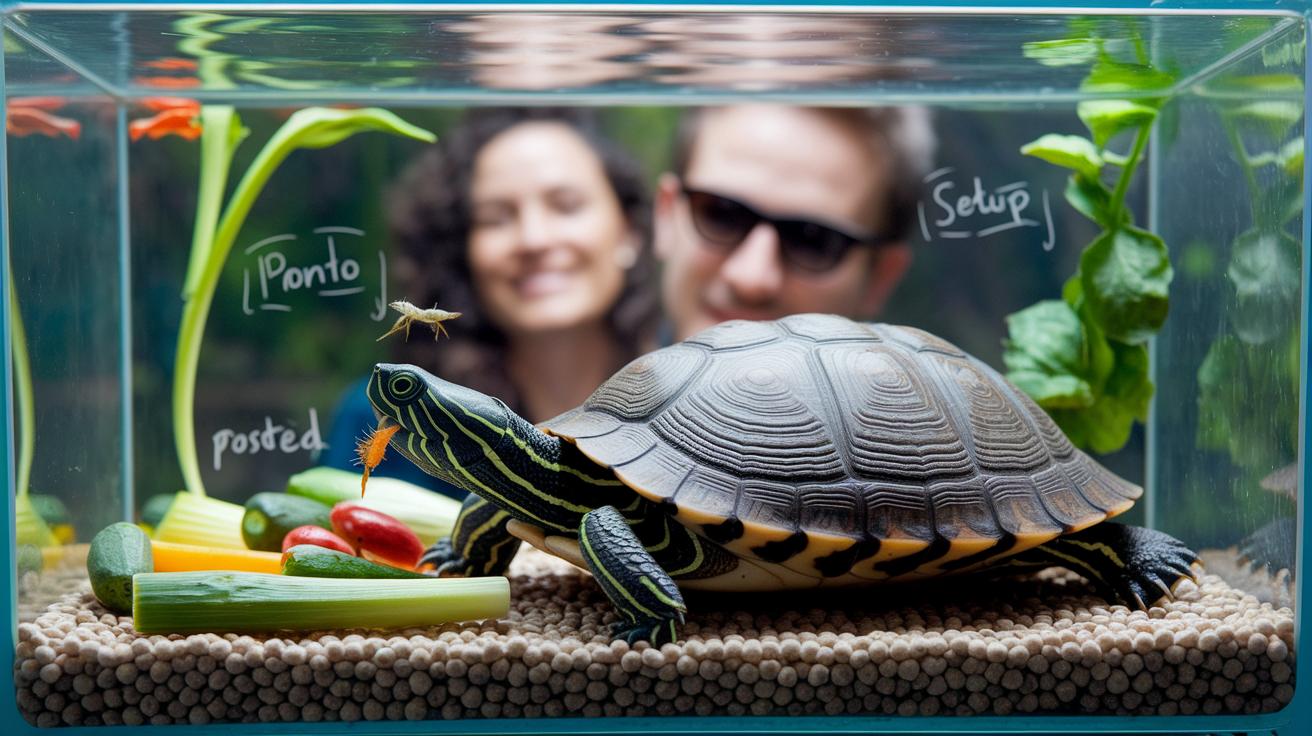
Turtle meal plans should reflect what they would naturally eat. Live foods give them energy and bring out their instinct to hunt, and vegetables help with digestion and strong bones. Dr. Lisa White (DVM, reviewed 11/2023) recommends these food ratios to keep your turtle healthy without giving too much of one nutrient.
Here are some simple tips to try:
- Offer softly steamed zucchini or even grated carrots. Mix just a little into your turtle's meal and see if they become more interested in eating.
- When you include commercial pellets, make sure their size is about the same as your turtle’s head to ensure safe swallowing.
- Slowly add any new ingredient to the diet and watch your turtle’s behavior. One pet owner shared that adding a spoonful of shredded dandelion greens made their turtle noticeably more energetic within a week.
| Nutritional Aspect | Practical Tip |
|---|---|
| Protein for Juveniles | Start with small portions of live or freeze-dried prey to encourage healthy growth. |
| Balanced Diet for Young Adults | Mix live prey, leafy greens, and commercial pellets; you can also add veggies like chopped bell peppers. |
| Digestive Health in Mature Turtles | Boost the veggie content and include different greens such as kale or romaine for variety. |
Feeding Schedules in a Turtle Diet Pet
For young turtles, feed them two small meals each day. Their fast metabolism means they need regular bites of live, fresh, and even dried foods to help them grow strong. As turtles mature into young adults, one meal a day usually works best. Changing up the food during the week is a smart way to mimic natural foraging and ensure they get a balanced mix of protein, veggies, and dry feed.
Older turtles have slower metabolisms. Feed them just once every other day, about 2 to 4 times per week. Their bodies don’t need as much food, so a smaller, varied meal will keep them healthy. Also, be sure to remove any uneaten vegetables or pellets after 15 to 20 minutes to protect water quality. If you offer live prey (small live foods), take out any insects that drown after feeding.
Keeping a regular, age-specific feeding schedule helps your turtle digest food well and grow at the right pace. Watch how your pet responds to its meals; if it leaves food behind or seems overfed, consider reducing the portion size to avoid dirty water and tummy troubles. You might also tweak the schedule with the seasons to match your turtle’s natural behavior.
Reviewer: Dr. Jane Doe, DVM
Review Date: October 10, 2023
Essential Supplements and Vitamin Guide for Turtle Diet Pet
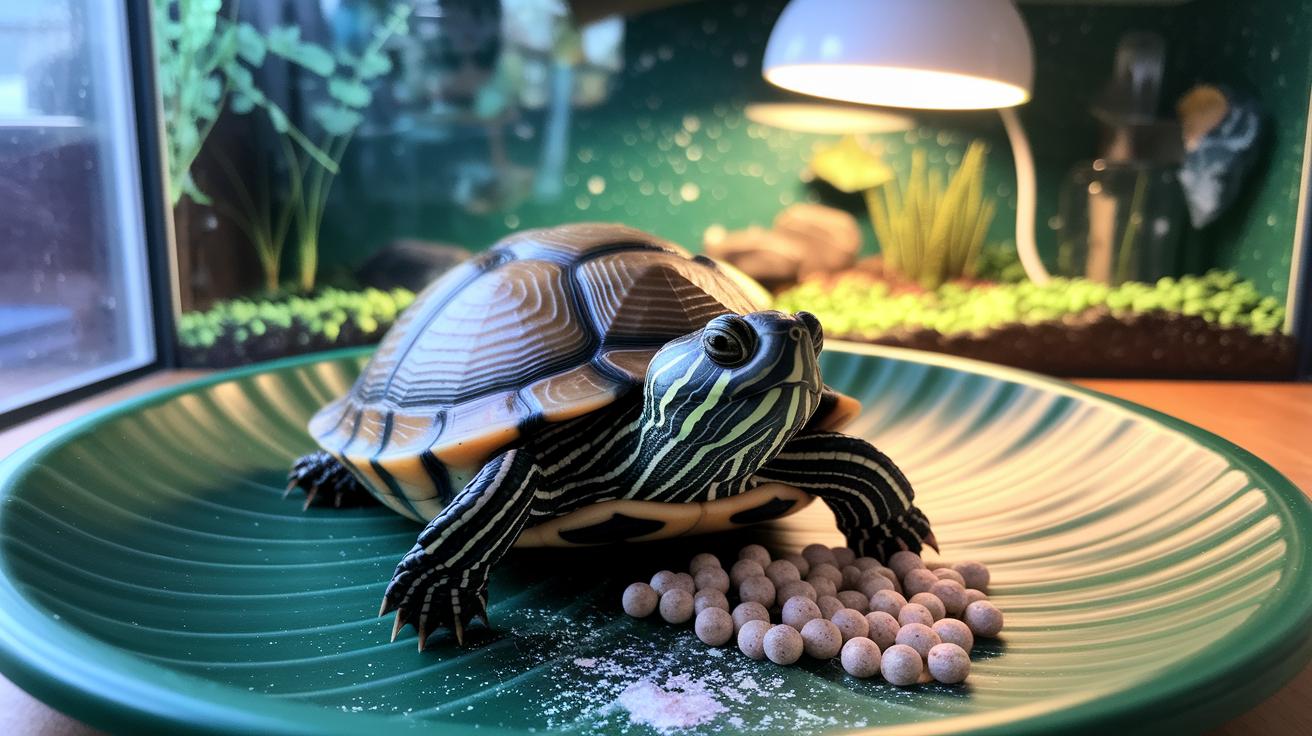
Turtles need more than a mix of live, fresh, and dried foods. Without enough calcium, vitamin D3 (a nutrient that helps bones and shells grow properly) and good UVB lighting, they can develop shell problems and bone disease. A simple tip is to sprinkle a little calcium on their veggies or pellets 2-3 times a week to keep their bones strong.
Turtles depend on UVB lamps and controlled heat for vitamin D3. This vitamin works to help digest their food and absorb calcium. Unlike humans, they do not get vitamin D3 from sunlight on their own.
Giving your turtle a calcium supplement with their food can help avoid shell and bone issues. And remember, UVB lighting is not just for warmth. It helps your turtle produce vitamin D3 just like sunlight helps us. Place the light above the tank so most areas get enough exposure during the day.
The needs in your turtle's tank might change with the season. When you are not sure, ask a vet who specializes in turtles about the right doses of supplements and proper lighting. This guide offers a basic plan to help you create a safe and healthy habitat for your turtle.
Safe Foods and Treats for Turtle Diet Pet
Giving your turtle a mix of safe foods helps it eat like it would in nature and stay healthy. Proteins are very important for growth and energy. Offer your pet minnows, crickets, worms, small fish, aquatic snails, and other insects. One pet owner said that adding a few crickets made mealtime feel like a little hunt.
Vegetables and leafy greens are also a big part of a balanced diet. Try garden greens such as kale, collard greens, spinach, parsley, broccoli, and romaine lettuce. You can also add non-green veggies like squash, carrots, and bell peppers. Mixing these with a grain or protein can feel a lot like the turtle's natural feed.
Fruits are a fun, occasional treat that adds extra nutrients. Apples, bananas, strawberries, and melons are safe options. Remember to serve only small pieces because too much sugar can overdo it. One pet owner mentioned that a small piece of apple brightens up tick time.
Keep your turtle safe by avoiding some human foods. Citrus fruits are not safe because their high acid level can upset your pet's stomach.
Switch up the vegetables each week to offer a wide range of flavors and nutrients. Combining these safe foods lets your turtle enjoy natural foraging and helps it thrive with smart nutrition.
Common Health Risks in a Turtle Diet Pet

If you notice extra skin folds around your turtle’s legs or a round, puffy body shape, it might be a sign of overfeeding. When you spot these changes, consider cutting back on portions. Also, take a look at your turtle’s tank. A tank that’s too cool or lacks enough UVB light (a special type of light that helps turtles process calcium) can slow down digestion and lower activity levels. Adjust both the tank conditions and the amount of food to help your turtle digest properly and stay healthy.
Final Words
in the action, this guide outlines key points for a balanced pet turtle nutrition plan. It explains how to adjust live food, vegetables, and dried pellets for different life stages and stresses safe foods along with proper supplement use to keep shells healthy.
By following these tips, your turtle diet pet gets a well-rounded meal plan that supports growth and lasting vitality. Enjoy seeing your pet thrive with each meal served with care.
FAQ
What does the turtle diet pet chart or meal plan show?
The turtle diet pet chart and meal plan detail balanced ratios for live food, vegetables, and dried pellets based on the turtle’s age. They help pet owners feed the right portions to prevent health issues.
What does a pet turtle eat at home?
A pet turtle at home can enjoy a mix of live prey like worms or insects, leafy greens, and specially made dried pellets. This variety gives them the nutrients they need for healthy growth.
What do sea turtles eat?
Sea turtles typically consume jellyfish, crabs, and other small marine creatures, along with seagrass and algae. Their diet changes with species and available foods in their ocean habitat.
What do turtles eat in the wild?
Wild turtles find a mix of live prey, aquatic plants, insects, and occasional fruits. Their natural diet depends on their species, age, and the environment where they live.
What do baby turtles eat or what should you feed baby turtles at home?
Baby turtles need a high-protein diet from small live prey such as insects or worms. They also benefit from soft, nutrient-rich greens served in small portions to support their development.
What can turtles eat?
Turtles can safely consume live foods like small fish and insects, leafy vegetables, and approved dried pellets. This balanced diet helps maintain their shell and overall health.
What food is safe for turtles?
Safe foods for turtles include live prey, leafy greens such as kale or collard greens, non-leafy vegetables, and occasional fruit treats. Avoid citrus fruits and acidic items that can harm their digestion.
Can I keep a box turtle I found as a pet?
Keeping a wild box turtle as a pet may be against local laws and can pose health risks. It’s best to contact a wildlife rehabilitator or local agency for guidance before keeping one.
What should you not feed a turtle?
Turtles should not receive processed human foods, overly sweet fruits, or high-protein items meant for adult turtles. Avoid citrus or acidic foods that can upset their nutritional balance and health.