

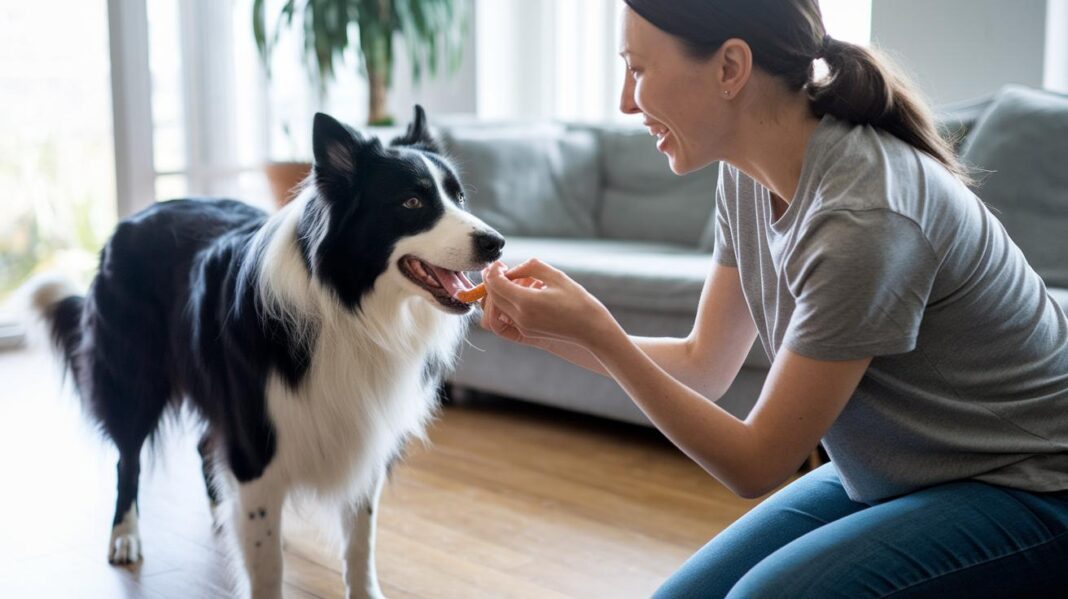

Does your dog seem a bit confused about your commands? Try a training method that rewards small wins. When your dog follows a command, give a treat, a few kind words, or a little playtime. This simple reward system shows your pet that good actions bring rewards, which helps boost their confidence.
Start with easy commands like sit, stay, or down. With just a few short sessions, you’ll notice a stronger bond and better communication. Your dog will soon learn that following your lead brings happy and warm moments.
How to Train Your Dog with Positive Reinforcement
Positive reinforcement training means giving your dog a reward as soon as they do something right. This method helps you and your pet form a strong bond by focusing on the good behaviors instead of punishing mistakes. For example, if your dog sits when you ask, give a small treat immediately so they know sitting is what you want. This fun way of training also boosts your dog's confidence.
A big part of this approach is using a marker. This marker can be a clicker (a small device that makes a ticking sound) or a consistent word like "Yes!" When your dog hears it, they know they did something good. Think of the marker as a high-five that instantly celebrates their success and tells them a reward is on its way.
Using this method, you can teach basic commands like sit, stay, and down quickly. Keep training sessions short and regular so your dog learns to connect commands with treats, praise, or petting. In just a few minutes of focused work, your dog will understand that following commands gets immediate rewards, which is a great start for teaching more complex tricks later on.
positive reinforcement dog training: Sparks Joyful Behaviors
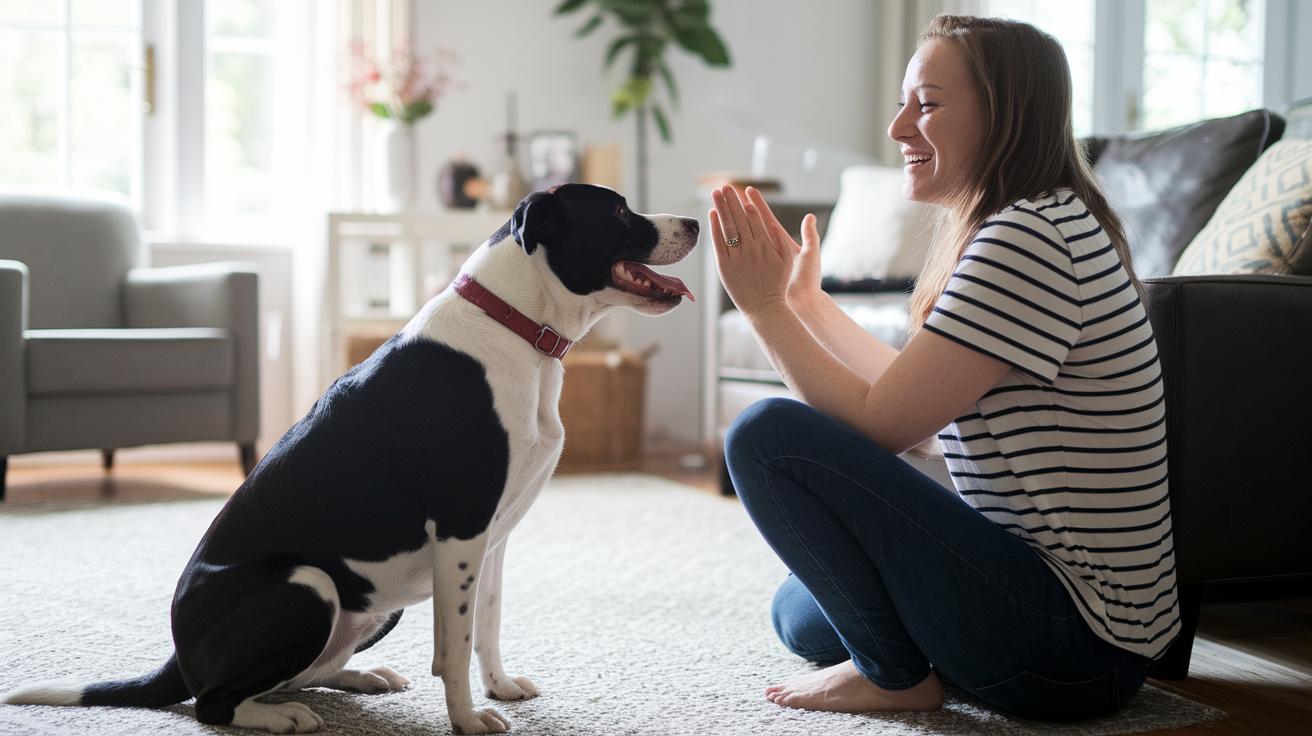
A clear reward system lays the groundwork for fun and effective training. It shows your dog which actions earn a reward and helps build a strong connection between you. When your training plan is simple, it avoids confusion and makes learning feel exciting. Pick rewards that your dog loves, like:
- Tasty treats – small, bite-sized snacks (for example, little pieces of dried liver) that are hard to resist.
- Praise – a cheerful "Good dog!" or a friendly pat that makes your pet feel happy.
- Playtime – a brief session with a favorite toy or a quick game of fetch to mix in some fun.
- Petting – gentle belly rubs or head scratches that show love and reward effort.
Reward every small step toward the goal. For example, when teaching a command like "sit," even a hint of a sitting motion deserves a little praise. As your dog gets better, cheer on every bit of progress until the full command is achieved. This step-by-step approach gives your dog a clear path to follow and builds confidence with every little win.
Keep training sessions short, no longer than 20 minutes, so your dog stays focused and never feels overwhelmed. By using the same rewards and cues during each session, your pet begins to understand what is expected. This steady routine makes training a positive experience and leads to joyful behaviors that stick with your dog long after the session ends.
Essential Tools for Effective Positive Reinforcement Training
When training your dog using positive reinforcement, you really only need two key tools. First, you need a behavior marker, a clear signal like a clicker or a special word that tells your dog which action earned praise. Second, you need rewards your dog loves, such as small, healthy treats and lots of praise.
| Tool | Description |
|---|---|
| Behavior Marker | A clicker or a consistent word that marks the behavior you want. |
| Rewards | Small, nutritious treats and praise to reinforce good behavior. |
You can also add a few extra tools to make training even easier. A treat pouch keeps your rewards handy so you don't have to stop the session. Sometimes, a favorite toy works well too if it really motivates your pet.
When picking treats, choose ones that are healthy and budget-friendly. Bite-sized pieces are best because they let your dog enjoy the treats throughout the training without getting too full too soon. This way, every training session stays fun and effective.
Step-by-Step Positive Reinforcement Training Guide

This guide gives you easy steps to help your dog learn quickly. Use a marker, like a click or a "Yes!", right when your dog does something right. This way, your pet connects the cue with the reward and training stays fun.
Follow these steps:
- Start with a simple command (like sit or down).
- Pick a reward your dog loves.
- Give the reward within one second of the correct behavior.
- Reward every good response when you first start training.
- Keep sessions under 20 minutes so your dog stays focused.
- End with a command your dog already knows for a positive finish.
Fast rewards help your dog learn fast. For example, when your dog starts to sit, say "Yes!" and give a small treat, like a piece of cheese. This immediate praise shows your dog exactly what you want. If your pet seems unsure, try shortening the wait time, reducing distractions, or breaking the behavior into smaller parts.
Finish every session with a familiar command. Ending on a known note boosts your dog's confidence and prepares them for the next session. If your dog feels uncertain, a known command at the end helps reinforce their success and keeps the training positive.
Benefits of Reward-Led Instruction in Dog Training
Using rewards during training helps build trust and ease stress. Your dog stays focused, excited to learn, and feels secure throughout each session.
- Clear Focus: Dogs pay attention when they know a reward is coming. For example, Buddy patiently waits for a treat.
- Calm and Secure: A friendly, positive setting helps your pet feel safe and at ease.
- Easy Socializing: Reward-based training makes it simpler for dogs to get comfortable with new people and places. For example, Luna greets visitors with a happy wag after a quick session.
- Long-Lasting Habits: Regular rewards help establish behaviors that stick, strengthening the bond between you and your pet.
Puppies love this approach because it helps them adjust quickly. When they earn treats, praise, or a gentle pat, they learn that good behavior gets rewarded. Expert Dr. Jane Smith (DVM, 2023) points out that puppies trained with rewards show better social skills and adapt faster to new environments.
This reward-based method avoids the stress and fear that come with punishment. It turns training into a chance for clear communication and teamwork, making every interaction a way to strengthen your special bond.
Positive Reinforcement Dog Training vs Punitive Methods

Many pet parents have used punishment methods like yelling, physical corrections, or a harsh tone to stop unwanted behavior. These approaches can scare and confuse your dog. Instead of understanding what to do, your furry friend may feel anxious and unsure. This can lead to less effort in trying new behaviors and a loss of trust.
Reward-based training fixes these problems by using positive reinforcement. With a clear marker like a clicker or a consistent word, your dog quickly sees that good behavior brings a reward. This helps build confidence and makes training more reliable, even if there are occasional mistakes. Instead of feeling threatened, your pet learns that a good action always leads to a positive result.
| Training Method | Outcome |
|---|---|
| Punishment-based | Fear, confusion, and uncertainty |
| Reward-based | Consistency, confidence, and clear understanding |
| Mixed approach | Uncertain behavior and mixed results |
When switching from punishment to rewards, start by stopping any harsh corrections. Use a steady signal and always offer a treat when your dog does something right. Over time, swap any negative feedback with praise for good actions. These small, daily changes help your pet feel more secure and make training a fun, trusting experience for both of you.
Success Stories from Positive Reinforcement Dog Training
These stories show how reward-based training can bring out the best in your dog. Real-life examples like these can give you ideas to try new techniques and renew your trust in training with treats and praise.
- Deaf dog case study – A deaf dog learned basic cues using a clear signal like a clicker paired with delicious treats. Soon, the dog understood which actions earned rewards. This boost in confidence helped it communicate better with its owner.
- Puppy socialization success story – A young pup became more comfortable around strangers and in new places through short, fun sessions with rewards. With each treat and word of praise, the puppy grew friendlier and stronger in its bond with its owner.
Many pet owners have noticed big changes in their pets. Dogs trained with rewards often show better obedience, more focus, and a calmer personality. Even small steps in training can lead to great improvements over time.
Final Words
In the action, this article broke down how to use rewards and markers to teach simple commands quickly and effectively. It explained setting up a structured plan with treats, praise, and short sessions. The steps outline a clear, timed method that makes training easier for both dogs and owners. Real-life success stories show how positive reinforcement dog training can build trust and improve behavior. Embracing these reward-led steps makes training a fun, confident, and positive experience for every pet.
FAQ
What does “positive reinforcement dog training near me” mean?
“Positive reinforcement dog training near me” refers to finding local trainers or classes that use reward-based techniques, offering treats, praise, or play to encourage your dog’s good behavior.
What does “positive reinforcement dog training reddit” refer to?
“Positive reinforcement dog training reddit” points to online communities on Reddit where pet owners share tips, success stories, and advice on using rewards to teach and motivate their dogs.
What are examples of positive reinforcement dog training methods?
Positive reinforcement in dog training typically means immediately giving a treat, praise, or playtime when your dog performs a desired action, like sitting or staying, to encourage that behavior.
What type of books cover positive reinforcement dog training?
Books on positive reinforcement dog training explain reward-based methods with practical guides, step-by-step instructions, and real-life examples that help owners build strong bonds with their pets through consistent rewards.
How does psychology explain positive reinforcement dog training?
Positive reinforcement dog training psychology shows that rewarding desired actions encourages dogs to repeat those behaviors, reinforcing learning and strengthening the bond between pet and owner without using punishment.
How does positive reinforcement differ from correction-based training methods?
Positive reinforcement focuses on rewarding good behavior instead of punishing mistakes. This approach builds a dog’s confidence and trust by clearly showing which behaviors you want to see repeated.
What are options for positive reinforcement dog training certification programs?
Certification programs for positive reinforcement dog training offer courses, workshops, and assessments focused on teaching reward-based methods that promote effective, trust-building techniques between trainers and their dogs.
Where can I find a positive reinforcement dog training PDF?
You can often find positive reinforcement dog training PDFs on reputable pet training or veterinary websites, which provide free guidelines and step-by-step instructions to help you train your dog effectively.
What is an example of positive reinforcement in dog training?
An example is giving your dog a small treat and praise immediately after it sits on command, reinforcing the behavior so that your dog is more likely to repeat it in the future.
What is the 7 7 7 rule for dogs in training?
The 7 7 7 rule suggests structuring training sessions into 7-minute long segments, using 7 basic commands with 7 short repetitions to keep your dog engaged and learning effectively.
What is the 3-3-3 rule for dog anxiety?
The 3-3-3 rule for dog anxiety generally involves 3 minutes of calm time, 3 steps to reduce stress, and repeating the process 3 times, although details can vary depending on the source.
How do you discipline a dog using positive reinforcement?
When disciplining with positive reinforcement, redirect unwanted behavior by rewarding an alternative, correct action. This method teaches your dog what to do instead of focusing on punishment for mistakes.