


Have you noticed your dog snapping at everyday sights and sounds? Your pup might be feeling stressed when new faces or loud cars pass by. This kind of reaction is common in dogs that get overwhelmed by sudden changes in their world. Our post explains why this happens and offers simple ways to help your furry friend feel calmer. By spotting these triggers and gently managing them, you can help your dog relax and enjoy daily adventures more.
Understanding Your Reactive Dog: Definition and Core Reasons
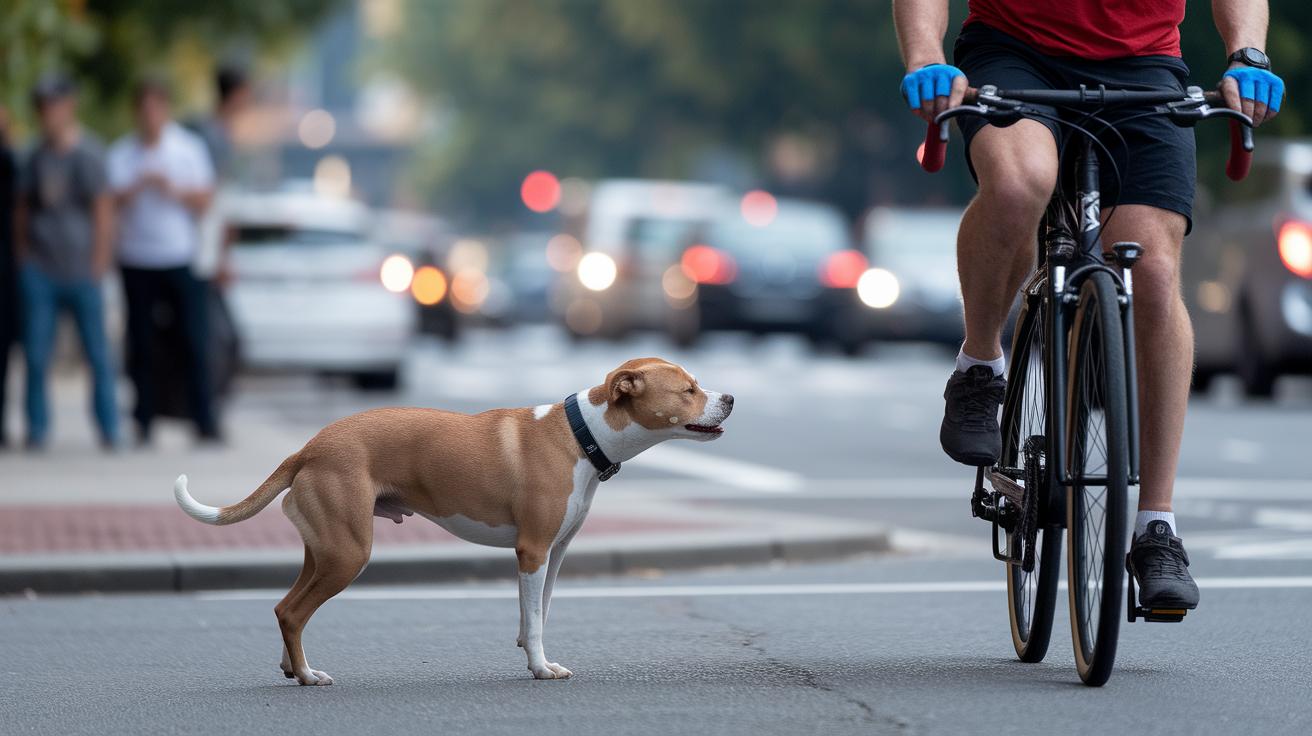
Reactive dogs quickly lose their calm when they face certain triggers like other dogs, unfamiliar people, or loud sounds. These triggers can overwhelm your pet so fast that it feels almost like a sudden shock. Some dogs may even show signs similar to post-traumatic stress (a condition where past events cause lasting anxiety). This sudden upset can make everyday walks or outings very stressful for both you and your furry friend.
Common triggers include:
• Other dogs coming too close
• Strangers or unknown people
• Loud noises, such as traffic or construction sounds
• Fast-moving objects like bikes or skateboards
• Tight, confined spaces
Understanding what sets off your dog's reactions is the first step in helping them feel better. Every reaction is a mix of strong emotion and learned behavior. Once you know which situations cause stress, you can use gentle, reward-based training to help ease your dog's anxiety. With small, gradual steps, your pet can learn to stay focused and calm during their everyday adventures.
Identifying Triggers in Your Reactive Dog’s Environment

Your dog's trigger point works like a boundary. When something pushes this limit, say an unexpected noise or a new face, it reacts strongly. It’s like a door that swings open when things get too much, showing that your pet is already feeling on edge.
Keep an eye on your dog's body language. A stiff stance can mean stress, while a "whale eye" (when your dog shows the white of its eyes) signals anxiety. Raised hair along the back is another sign that a reaction might soon escalate. For instance, if you see its tail tucked or ears pointed forward, your dog is getting ready to protect its space. Recognizing these cues lets you gently step in or create more room before things get worse.
Making small changes in your daily surroundings can help reduce these triggers. Try switching up your walking route or choosing quieter times to go out. Little adjustments like these can help keep your pet calm and in control.
Practical Management Strategies for Reactive Dog Behavior

Emergency U-Turn Cue
Teach your dog an emergency u-turn cue that can really help when things get stressful. Begin at home when your pup is calm by pairing a simple verbal command with a quick change in direction. Practice in a relaxed setting until your dog learns that this cue means to move away from any stress right away. For example, if your dog starts to fixate on something during a walk, say the cue and gently guide them away before things escalate.
Low-Trigger Sniff Walks
Plan your walks on quiet routes where your dog can explore safely. Let your pup take plenty of time to sniff around, which helps shift their focus from stressful triggers to calm exploration. Consider using a puzzle toy or treats during these walks so your dog learns that calm behavior brings rewards. This method not only entertains your pet but also reduces overall reactive responses.
Threshold Management
Know your dog's early signs of stress, such as a stiff body or a fixed stare. When you spot these signals, take quick action to change the situation. This could mean shortening the walk, taking a different route, or stepping away from the trigger. Also, review daily routines like feeding or playtime to ensure you're not accidentally reinforcing stressful behavior. With practice, this approach builds your dog’s confidence and helps them stay calm longer.
Training Solutions: Desensitization and Counterconditioning for Reactive Dogs

This training method uses rewards to help change your dog's negative feelings. When your dog sees a trigger like another dog, you give a yummy treat or praise. Over time, your dog learns that these moments are safe and not scary. With gentle repetition, fear turns into calm confidence.
Short, regular training sessions are key. Try practicing when your dog is relaxed, maybe after a quiet play session or a peaceful nap. Even a few minutes each day can make a big difference. You might notice your pet becoming more focused and less reactive. With consistent practice, your dog builds trust in you and feels more at ease.
| Training Method | Purpose | Example |
|---|---|---|
| Desensitization & Counterconditioning | Change the dog’s emotional response | Give a treat when another dog appears |
| Look At That | Improve focus and calm | Reward a quick glance at a trigger |
| Engage-Disengage | Teach approaching and taking a step back | Click and treat when your dog looks away |
| BAT 2.0 | Help adjust behavior in structured steps | Work at a safe distance chosen by your dog |
| Fired Up Plan | Manage high energy levels | Gradually expose and then offer breaks |
Keep your training sessions short yet frequent to build and maintain these new associations. Schedule sessions when your dog is most relaxed to help reinforce positive behaviors without overwhelming them. Even small, daily exercises add up and lead to gradual changes. By watching your dog become more focused and calm in trigger situations, you will see a reduction in reactive outbursts. Adjust session lengths and slowly expose your dog to more challenges, so your pet can learn at his own pace and grow increasingly confident and calm.
Building Confidence and Emotional Regulation in Your Reactive Dog

Keeping a steady routine at home helps your dog feel safe and relaxed. Set specific feeding times, create a special rest spot, and set aside a quiet area where your dog can unwind. This regular schedule helps ease anxiety by giving each part of the day a clear purpose. Using the same cue for every command also builds a trusting, predictable environment.
Try games that teach impulse control. Practice a sit-stay command or use a "wait" signal when moving between rooms. Reward calm behavior with a treat only after your dog remains steady. Simple activities like gentle petting or using a massage mat can also reduce stress. These small, consistent steps build trust and help turn anxious energy into a calm, confident demeanor.
When to Seek Professional Help for Your Reactive Dog

If your dog is getting harder to handle at home, it is time to think about getting help from a professional. Look for signs like rising aggression, signs of stress, and sudden outbursts that you can’t stop. These behaviors can make everyday tasks like feeding, walking, or having visitors very challenging. A simple behavior checklist can help you see if the issues are serious. If you feel overwhelmed or worry about safety, it is best to call in an expert right away.
Consider hiring a trainer who builds trust instead of using punishment. They will offer one-on-one sessions and group workshops that use kind, reward-based techniques. Many trainers are available locally, like in Alexandria, VA (contact: (717) 809-3715), while others work through online networks. These sessions give you clear advice and plans that help both you and your dog feel more calm and confident.
Success Stories and Case Studies in Reactive Dog Rehabilitation
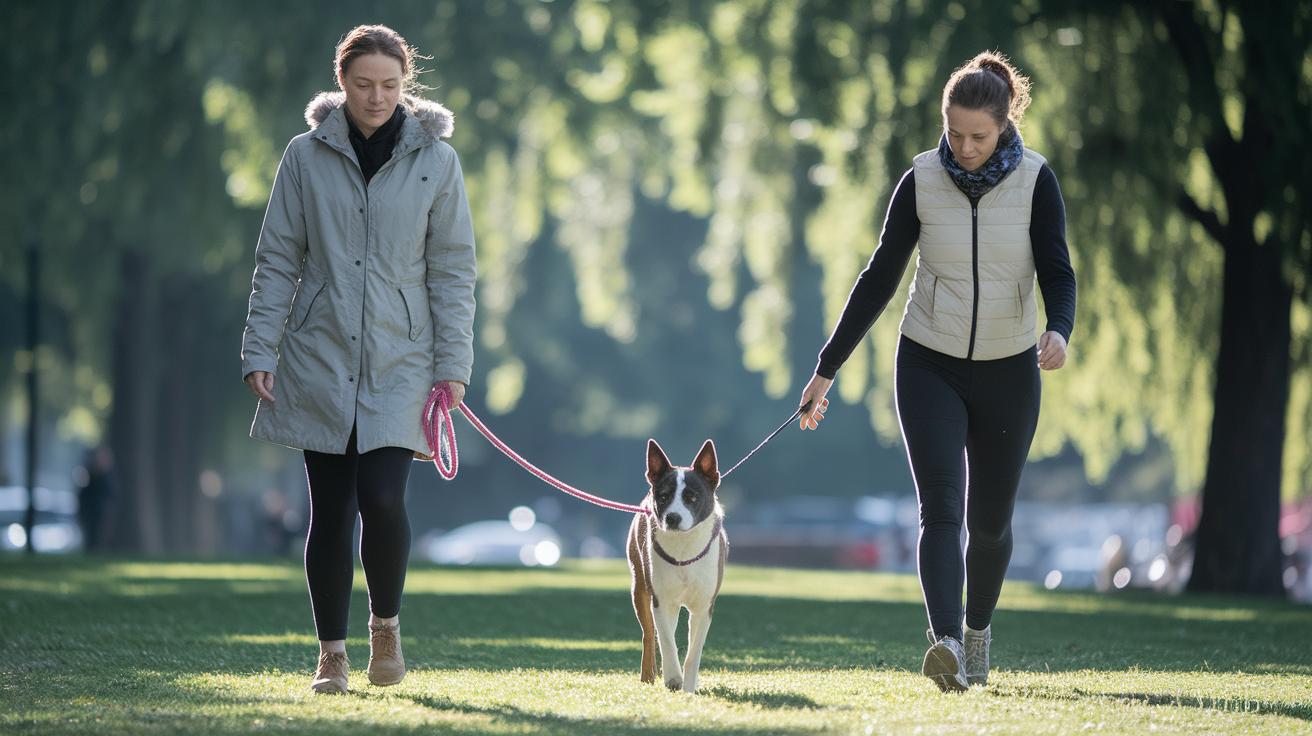
One case study looked at Rex, a dog who lunged at other dogs every time he met one. His owner used DSCC by pairing tasty treats with short, calm exposure to things that normally upset him. They even added an emergency u-turn cue during walks. After 10 weeks of steady training, Rex had fewer outbursts, and his walks became much calmer and more focused.
Another story features Bella, who used to jump and freeze whenever she heard loud noises. Her handler followed a structured DSCC plan with gentle, low-trigger sniff walks to help Bella adjust. Over 8 weeks, Bella’s panic turned into calm behavior. Even fellow dog lovers showed their support with 54 positive comments, celebrating her smoother outings.
A third example involves Max, who got overwhelmed in small spaces. Max’s owner worked with him using special DSCC sessions and the emergency u-turn cue to keep him steady. This clear and patient approach helped reduce his lunging and made his walks peaceful and controlled.
Final Words
In the action, this guide stripped reactive dog behavior down to its basics and causes. We explored clear definitions, common triggers, and body language cues that signal overstimulation. You learned practical tactics like emergency u-turn cues and low-trigger sniff walks to better manage your dog's reactions. Training methods, from desensitization to building confidence, were outlined to support steady progress. With simple steps and the right support, a reactive dog can become a happier, better-adjusted companion. Stay positive and take one step at a time.
FAQ
What does a reactive dog sign mean?
The reactive dog sign means your dog may show sudden stress with behaviors like barking, lunging, and a stiff posture when exposed to triggers such as other dogs, strangers, or loud noises.
What is reactive dog training?
The reactive dog training means using structured exercises like emergency u-turn cues, low-trigger sniff walks, and reward-based methods (DSCC) to teach your pet calm and controlled behavior.
How do you socialize a reactive dog?
The reactive dog socialization process means gradually exposing your pet to controlled interactions, rewarding calm behavior, and increasing the level of exposure slowly to help the dog adjust to social situations.
What are common reactive dog symptoms?
The reactive dog symptoms include behaviors like sudden agitation, barking, lunging, and a stiff posture when the dog faces triggers like unfamiliar people, dogs, or sudden noises.
How can I calm a reactive dog on a walk?
The reactive dog calming method on a walk means using an emergency u-turn cue, opting for low-trigger sniff walks, and maintaining a safe distance from potential stressors to reduce anxiety during outings.
What should I avoid doing with a reactive dog?
The reactive dog management advice suggests avoiding harsh corrections, punishment, or forceful interactions, which can heighten anxiety and worsen your pet’s reactive behavior.
How do you fix a reactive dog?
The reactive dog improvement process means using consistent training methods like DSCC, proactive trigger management during walks, and sometimes professional guidance to gradually reduce reactive behavior.
What is the 3-3-3 rule for dog anxiety?
The 3-3-3 rule for dog anxiety means introducing three minutes of calming time, offering three small rewards, and scheduling three short breaks to help lower your dog’s stress levels.
Is it okay to have a reactive dog?
The reactive dog situation is manageable with proper training, structured routines, and sometimes professional help, showing that having a reactive dog is acceptable as you work to improve behavior and reduce stress.
What if my reactive dog is ruining my life?
The reactive dog affecting your life signals that you might need a new approach with structured training and possibly professional support. With consistency, you can help your pet improve, easing your daily challenges.
What is the most reactive dog breed?
The most reactive dog breed depends on the individual pet; however, breeds with strong guarding instincts might be more prone to reactivity. Each dog is unique, so behavior should be assessed on a case-by-case basis.