


Do pets feel emotions like we do? Think about your dog's wagging tail or your cat's soft purr. These actions are like secret messages telling you how they feel. Every little behavior offers a clue about their mood. This article helps you learn the signals, from a stiff, tense position to a loose, relaxed way of sitting. With these tips, you can grow your bond with your pet and respond with care.
Pet Psychology: Happy insights into pet feelings
Pets follow natural urges that come from deep in their genes. Take dogs, for instance. They bark when something feels off, dig holes because it is in their nature, and guard their space for safety. Cats too have their way of communicating, they purr when they are happy, scratch to mark their spot, and hide when they feel uneasy. These actions are built into who they are.
Each pet breed brings unique behaviors. A herding dog might gently nudge or try to gather people or animals, while a lap cat often seeks extra cuddles. Every pet shows its feelings, whether it’s fear, curiosity, or warmth, in a special way.
Look for simple signs in your pet’s body language. For example, a dog with a loose, wagging tail is usually friendly, but a tail held stiff may mean the pet is tense. Here are some tips to help guide your pet:
- Watch for small changes like a tilted ear or a shift in posture.
- Use gentle hands when guiding your pet. Rough handling can make them scared or more upset.
- Try short timeouts paired with treats or praise to help adjust behaviors.
- Be patient and keep your efforts steady, as change takes time.
By matching training to your pet’s natural ways, you build a stronger bond. This mix of instinct and gentle instruction helps your pet feel secure and loved while learning new behaviors.
Pet Psychology Insights: Decoding Communication Signals

When your pet "talks" through body language and sounds, you get a peek into how they feel. Their tail wag, ear position, or even a simple purr tells you if they are happy, scared, or calm. This makes it easier for you to decide how to respond in a friendly and caring way.
Here are some common signals and what they might mean:
- Wagging tail vs. stiff tail: A loose, wagging tail usually shows friendliness. A stiff tail might mean your pet is tense.
- Ear positions: When their ears point forward, it often shows they are curious. Ears pushed back can mean they feel scared.
- Posture cues: A play bow is like an invitation to have fun. A crouched body or an arched back can show discomfort.
- Barking types: High-pitched, rhythmic barks often mean your dog is feeling playful. Loud, sharp barks may be a warning about something nearby.
- Yawning: If your pet yawns a lot, they might be stressed or tired.
- Lip-licking: When your pet licks their lips, it can be a sign of nervousness or a way to calm down during a stressful moment.
By keeping an eye on these signs, you can adjust your training and everyday routines to help your pet feel safe and loved.
Pet Psychology and Emotional Well-being: Managing Stress and Anxiety
Knowing how your pet feels can change the way you care for them during hard times. For example, a dog might pace, pant, or chew on things when they feel upset. These signs show that your pet is stressed. Cats may groom themselves too much, hide in quiet spots, or act aggressively when they are anxious. Spotting these behaviors early means you can help them feel better.
Pay close attention to your pet's body language. If your dog seems restless or your cat starts to isolate, it might be time for a little change. Adjusting their surroundings can make a big difference. Try to add simple, fun activities to their day, like:
- Puzzle feeders that make them think.
- Scent games to spark their natural curiosity.
- Cozy spots where they can retreat and feel safe.
These activities not only distract your pet from stress but also support their mental health by letting them act naturally. Studies show that these small changes can help, though more research is needed to fully understand the impact.
Remember, every pet is different. With a bit of patience and care, you can create a safe space where your pet feels secure and loved.
Cognitive Functions and Learning in Pet Psychology

Pets rely on both natural instincts and what they learn from everyday life to handle challenges. They use skills like remembering lessons, paying attention, and solving problems. For example, when you use leash training with treats, your dog starts to see the leash as a sign of good things. This is a simple form of classical conditioning (a method of teaching by repeated pairing). Even fun puzzles or interactive games can spark your pet's natural ability to learn.
Animals mix what they are born with and what they learn over time. A dog might naturally want to chase moving objects. However, through reward-based training (teaching with praise or treats), that same dog can learn to fetch properly. Trainers use treats or kind words to encourage good behavior, and short time-outs help set clear limits when needed. This blend of natural drives and careful training shows that pets adjust their learning to fit their surroundings.
Structured programs work very well for training. For example, the Walk 'n' Train program uses a planned reward system that supports good behavior while reducing other instincts. Daily training might mix different methods: one day, a pet learns that a simple command brings a tasty treat, and the next, a pause in rewards teaches self-control. These training strategies build your pet’s confidence and strengthen the special bond between you and your furry friend.
Scientific Foundations of Pet Psychology: Research and Studies
Studying pet psychology helps us understand why animals behave the way they do. Researchers use different methods to watch pets in real-life settings. They observe pets in parks or at home and also ask pet owners about their everyday experiences. Small experiments test clear ideas by keeping some factors the same while changing others.
Zooeyia research (studies that look at how pets affect our health) shows that spending time with pets can make us feel better. Many studies find that owners often have lower blood pressure and improved well-being. Still, some of these studies have limits, like having only a few participants or showing links without proof of cause and effect.
Comparative research finds that different breeds have their own behaviors. For example, studies on dogs explore how they think and learn through training, while research on cats looks at the special ways they communicate. Knowing these differences helps owners choose the best approach to interact with each pet.
New fields like pet neuropsychology (the study of a pet’s brain and nerves) and sensory perception tests offer even more clues. Learning how pets see, hear, and smell the world lets scientists suggest better ways to care for them. Combining old and new research methods gives us a clearer picture of animal behavior every day.
Applying Pet Psychology: Case Studies and Training Programs
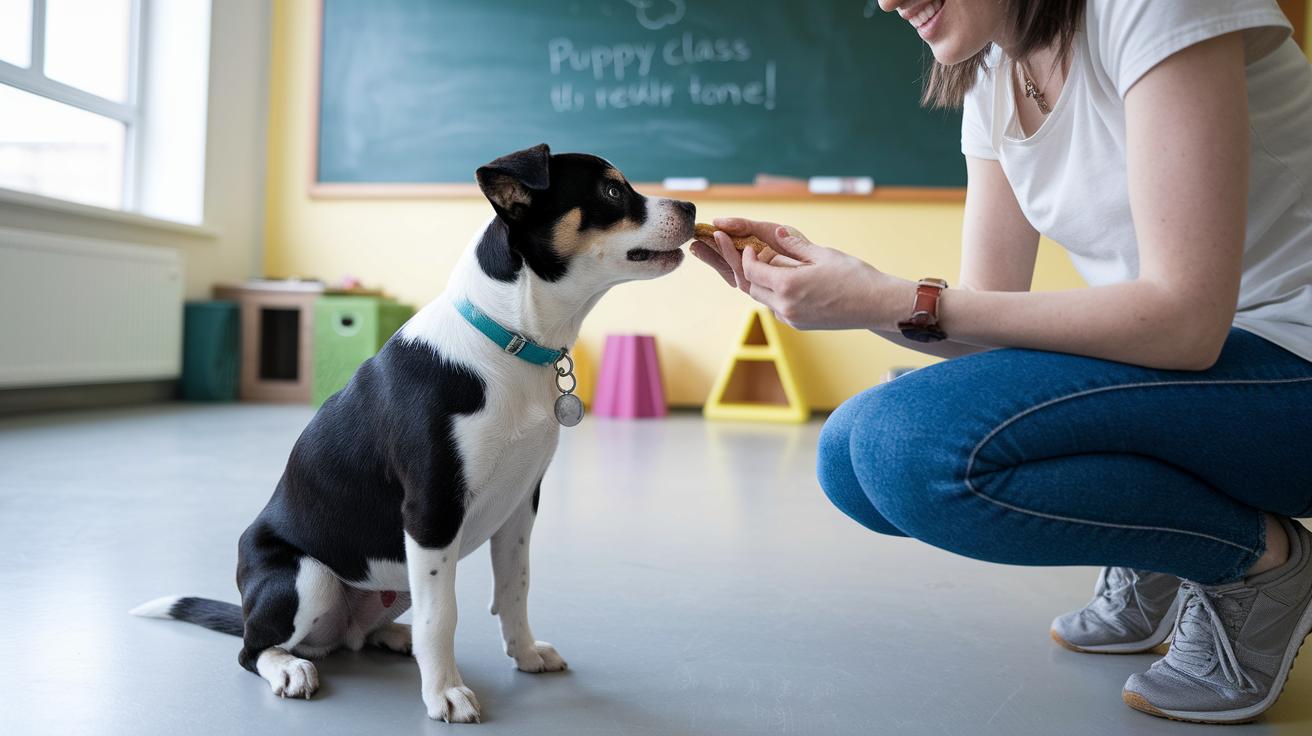
Using pet psychology in training can really help your pet learn new behaviors. Real-life examples show that these programs work. In one puppy class teaching the sit-stay command, 85% of puppies learned the trick after just six sessions. This shows that clear lessons and positive rewards make a big difference for a young dog's learning.
Basic obedience classes also bring great results. With a focus on rewarding good behavior, recall (coming back when called) improved by 60%. Rewarding these actions encourages your pet to repeat them every day.
Some owners have even turned to online behavior consults when dealing with separation issues. Working with experts over video calls helped reduce these stress behaviors by 70%. This way, you get valuable help without leaving home.
One case study looked at a Labrador retriever that scratched and dug a lot. The trainer used a method that rewards good behavior and ignores the unwanted actions. As a result, the dog's digging dropped by 80%. This shows that using pet psychology can boost obedience and cut down on bad habits.
| Training Program | Result |
|---|---|
| Puppy Class | 85% success with sit-stay |
| Basic Obedience | 60% improvement in recall |
| Virtual Consults | 70% reduction in separation behaviors |
| Labrador Case | 80% drop in
Pet Psychology Perspectives: Personality, Socialization, and AttachmentOur pets have unique personalities that shape how they interact with the world. Some are naturally bold and take charge during play, while others are very sociable and love to be around people. These traits affect how they learn and react to daily life. Introducing your pet to new people, places, and other animals when they're young is very important. Puppies and kittens (usually between 3 and 12 weeks old) benefit a lot from meeting a variety of people and pets. This early exposure builds a friendly attitude and helps them adjust easily as they grow. How your pet bonds with you also matters. Pets can form secure or insecure connections with their owners. A secure bond builds trust, which can reduce unwanted behaviors and makes communication clearer. If a pet feels insecure, they might become overly dependent or shy, sometimes leading to habits like too much barking or hiding. Studies show that a strong bond between you and your pet leads to fewer behavior issues. By understanding your pet's personality, socialization needs, and the way they attach to you, you can help them grow into a confident and well-adjusted companion. Final WordsIn the action, we explored pet psychology fundamentals, decoding nonverbal signals, and managing stress in pets. We looked at everyday behaviors, learning principles, and real-world case studies that show how training methods work. The discussion shed light on how instincts and emotions drive our pet companions. Embracing pet psychology insights can boost confidence in everyday pet care and guide decisions that keep pets safe, healthy, and happy. Enjoy applying these tips and see the positive change in your pet's life. FAQWhat is pet psychology definition and what is a pet in psychology?The pet psychology definition explains how pets’ feelings and instincts influence behavior. It studies actions like barking and hiding, helping owners understand and improve their pets’ care and training. What is a pet psychology machine?The pet psychology machine is a tool that monitors pets’ signals using sensors and data analysis. It helps researchers learn about animal emotions and body language to support better training. What is a pet psychology course?A pet psychology course teaches the basics of animal behavior, communication, and training. It covers natural instincts and emotions, offering practical strategies for addressing common pet behaviors. What is a psychology dog experiment?A psychology dog experiment examines how dogs learn and react using simple rewards and cues. It reveals how they process information and develop behavior patterns. Where can I find dog psychology PDFs and books?Dog psychology resources like PDFs and books offer insights on canine behavior, training techniques, and body language. They provide research-backed guidance to help owners connect with their dogs. What does the psychology of dogs on Netflix cover?The psychology of dogs on Netflix explores how dogs think, feel, and learn. It features expert interviews and real-life examples, showing how instincts shape a dog’s behavior. What is animal behavior psychology?Animal behavior psychology studies how pets act based on instincts, emotions, and environmental cues. It explains behaviors such as a cat’s hiding or a dog’s tail wagging, aiding in effective training. What does a pet psychologist do?A pet psychologist works with pet owners to understand and address behavioral issues. They observe body language, analyze habits, and offer customized training advice to strengthen the pet-owner bond. What is the 3-3-3 rule for pets?The 3-3-3 rule for pets is a guideline for regular stimulation. It suggests short, frequent activity intervals—three minutes of play every three hours—to keep pets mentally engaged and active. What is the 7 second rule for dogs?The 7 second rule for dogs advises waiting at least seven seconds before correcting behavior. This pause gives the dog time to register positive cues, which can enhance training effectiveness.  Subscribe for exclusive contentCopyright -2025- Pets News LLC |