



Do you notice your cat’s tail held high or your dog’s tail wagging in a different way? Our pets talk without words. Their simple body language tells us if they feel happy, scared, or uneasy. By watching these small signals, you can better care for your furry friend and catch early signs of stress or illness.
Today, we share five heartwarming gestures that let you interpret your pet’s silent messages. Stick around to learn what these little actions mean and how to grow your special bond.
Essential Nonverbal Communication Signals Across Pet Species
Pets talk without words, through their body language. They show their feelings by the way they move and look. For example, a dog's tail wagging, and even which side it wags on, can mean it is excited or a bit nervous. A cat that holds its tail high usually feels sure of itself. Paying attention to these signs helps you connect with your pet and spot any early signs of health or behavior issues. Did you know that even a slight tilt of a dog's ear can reveal a lot about its mood?
Different pets express their emotions in their own simple ways. Birds adjust their wing positions and fluff or smooth out their feathers to show if they feel good or uneasy. Small animals like rodents might freeze or flick their tails when they are unsure. By watching these signals, you can tell when your pet is content or stressed and adjust your care routine to keep them safe and loved.
| Pet Species | Key Nonverbal Signals | Emotional Meaning |
|---|---|---|
| Dogs | Tail wagging/position, ear tilt | Happiness, nervousness, fear |
| Cats | Tail position, ear orientation | Confidence, irritation, stress |
| Birds | Wing posture, feather positioning | Comfort, agitation |
| Rodents | Freezing behavior, tail flicks | Anxiety, contentment |
Canine Nonverbal Communication: Decoding Dog Body Language

Dogs show us how they feel without saying a word. When you watch how a dog's tail moves, you can get a clear idea of its mood. For instance, a wag to the left might mean the dog is feeling cautious or unsure about something new. A wag to the right often shows that the dog is happy to see someone it knows. Along with its eyes and face, these tail movements tell a story about a dog's feelings.
Even small changes in how a dog holds itself can reveal its emotions. A balanced, relaxed posture usually tells you the dog feels calm and content. In contrast, a lowered head or hunched body may signal fear or submission. Notice how the ears might shift from standing straight to drooping lightly. These small signals show how comfortable your dog is and add clues to its overall mood.
Watch these signals closely when you're with your pet. Look for:
- How the tail wags
- Changes in ear positions
- Variations in eye contact
- Shifts in body posture
- Movements of the lips or mouth
- Soft, subtle sounds
Noticing these cues can help you respond in the right way and build trust with your furry friend. A dog that gives clear, steady signals is usually relaxed and happy. If you see mixed or anxious behaviors, it might be a good idea to check in gently or ask a pet professional for advice. Understanding these silent hints lets you create a closer bond while keeping your pet’s well-being in mind.
Feline Nonverbal Communication: Reading Cat Gestures and Expressions
Cats often speak through their tails. When a cat holds its tail high, it usually feels safe and confident. A quick twitch or gentle flick might mean the cat is a bit annoyed or on high alert. And when the tail moves slowly in a smooth sway, the cat is both relaxed and focused. Picture a cat gently swinging its tail while watching a bird outside; it's a clear sign of curiosity mixed with caution.
Keep an eye on the ears and eyes too. If the ears are pointed straight ahead, the cat is likely interested and ready to interact. But if the ears lie flat against the head, it could mean the cat feels uncomfortable or is getting defensive. Notice the eyes, a slow blink often comes off as a warm, fuzzy greeting, while wide, round eyes might signal stress or excitement.
Don't forget the whole body posture. A relaxed, easy stance tells you the cat is at ease, while an arched back can be a warning to keep your distance. Even tiny changes in the face, sometimes measured by what experts call the feline grimace scale (a way to spot signs of pain), give you clues about your pet’s mood. These simple signals offer you a caring glimpse into your cat's world, helping you understand and care for your furry friend better.
Nonverbal Signals in Birds and Small Mammals: Beyond Dogs and Cats
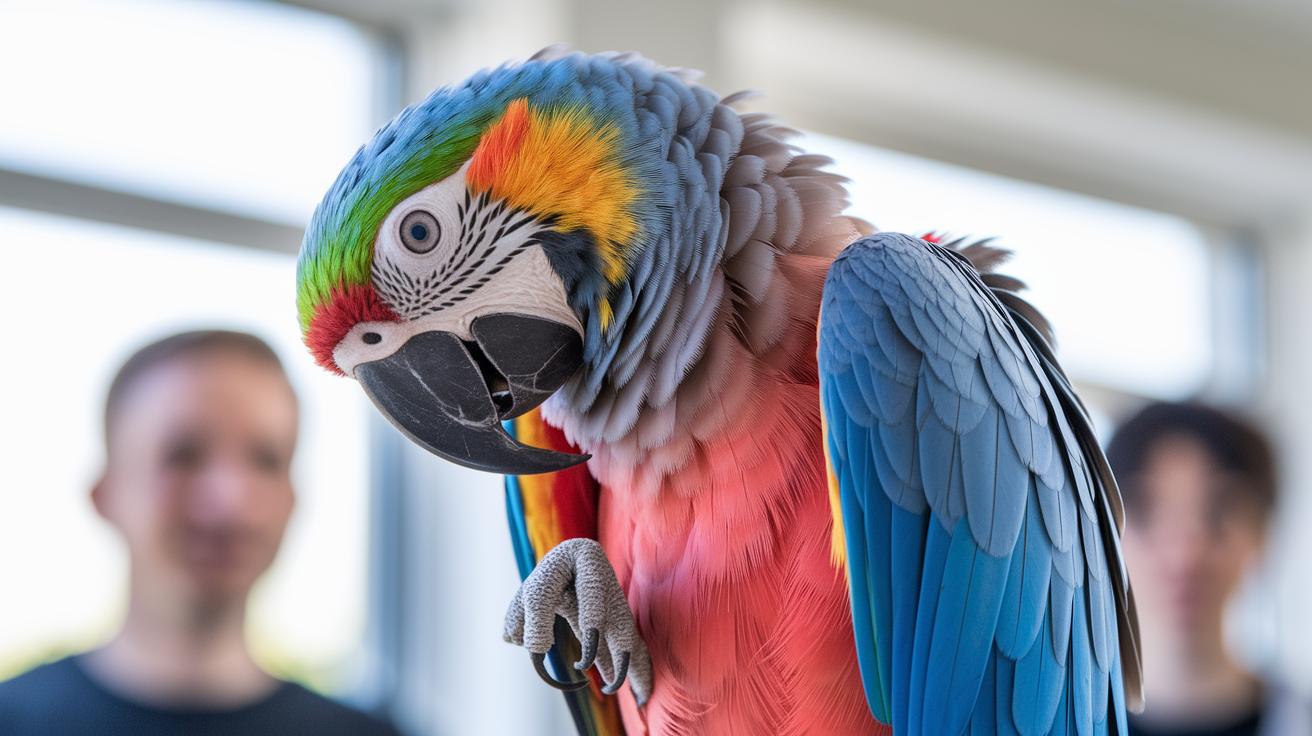
Birds show their feelings without words. When you see a bird tilt its head gently and let its wings relax, it usually means they feel calm and safe. Studies have noticed that birds with soft feather displays often have lower stress levels. For example, a parrot that quietly adjusts its feathers during calm moments is likely showing that it feels secure and connected.
Rodents also share their moods in quiet ways. Instead of just freezing or twitching, observe changes in their usual grooming or a smooth, gentle tail movement. These small shifts can signal that your pet is reacting to a change in its surroundings and might need a little extra comfort or space.
Keeping track of these cues can really help you care for your pet. Try noting down behavior changes when the environment shifts. Check out this table for a quick guide:
| Pet Type | What It Means |
|---|---|
| Birds | Soft feather displays and relaxed head positions often show calm and readiness for social time. For example, a slight head tilt when greeting can signal affection. |
| Rodents | Changes in grooming patterns and smooth tail movements can indicate stress or the need for a quieter space. For example, slower grooming when visitors are around might mean your pet feels uneasy. |
Paying attention to these subtle signals in context can help you create a nurturing home for your pet.
Recognizing Stress, Fear, and Aggression Through Nonverbal Pet Behavior
Dogs can show they are stressed by yawning, licking their lips often, or even sneezing when it doesn’t seem like the right time. They might scratch themselves too when nothing seems to bother them normally. Cats may groom themselves too much or suddenly stop grooming altogether as a way to show they are uneasy. When you see a pet trembling, not approaching you, or staying very still, it may be a hint that they feel unsafe. For example, if your dog stops playing and starts scratching repeatedly, it might be a sign they need a quieter space or a check-up from your vet.
Aggression may show up in your pet’s body language. A dog might stand very stiffly, with raised fur or ears pinned back, and a hard stare. Cats can show close body tension when they're scared. In these moments, the best step is to give your pet room to calm down in a quiet spot. Recognizing these small signals early helps you adjust how you interact with your pet, keep problems from getting worse, and make sure they know they are safe.
Responding to Pet Nonverbal Cues: Practical Tips for Owners

When you work with your pet, start with a calm and gentle approach. Stand or sit with relaxed shoulders and a soft look. This helps your pet feel safe when you mirror their calm stance. For example, lean gently or hold a quiet pose. Use clear hand signals for common actions. A simple open palm can mean stop, and a soft wave might greet them. If you notice your pet stepping back or turning their head slightly, give them more space to keep building trust.
During daily routines like greeting, play, or training, watch your pet's body language. When their tail is relaxed and they make gentle eye contact, speak in a friendly tone and use open body language. If you see signs of hesitation or they seem closed off, pause the activity to let them feel comfortable again. For instance, if your pet seems unsure during play, take a short break with a kind nod before continuing. These small changes help your interactions feel natural and respectful.
Keep an eye on your pet's nonverbal cues every day to maintain a strong, clear connection.
When Pet Body Language Signals a Need for Professional Help
If your pet starts hiding for long periods, stops eating, or walks oddly, these signs may mean something isn’t right. A pet refusing food or changing its walk can be hurt or uncomfortable. Even cats may show pain with small shifts in their face (a sign called the feline grimace scale).
It’s important to get help from a vet early. Quick professional care can stop a minor issue from turning into a serious problem. Keep an eye on your pet’s behavior and trust your instincts, catching these signals early gives your furry friend the best chance for a fast recovery.
Final Words
In the action, the blog post walked through essential nonverbal communication signals in pets. We covered common cues from dogs, cats, birds, and rodents, using tail wagging, ear positions, and posture changes as examples. It also highlighted stress, fear, and aggression signs, with tips on how to respond calmly. Learning nonverbal communication in pets can help you understand your companion better. Keep observing these clear signals and enjoy every moment with your furry, feathered, or small friend.
FAQ
Q: What does nonverbal communication in pets pdf include?
A: A nonverbal communication in pets PDF includes detailed insights into animal body language, covering facial expressions, gestures, and postures. It often provides illustrations and charts that help explain these silent signals.
Q: What does a nonverbal communication in pets essay discuss?
A: A nonverbal communication in pets essay explores how animals express themselves without words. It explains behaviors like tail wagging or ear movements and discusses the research behind these signals.
Q: What is the importance of nonverbal communication in pets?
A: The importance of nonverbal communication in pets lies in its ability to reveal emotions, needs, and health issues. Understanding these cues helps build a stronger bond and promotes better care.
Q: What are dog communication signals?
A: Dog communication signals include movements such as tail wagging, ear positioning, and changes in body posture. These signals indicate a dog’s mood, such as playfulness, anxiety, or fear, guiding appropriate responses.
Q: What does a dog body language chart show?
A: A dog body language chart visually lists common signals like tail position, ear movements, and facial expressions. It helps owners quickly understand their dog’s emotions and intended messages.
Q: How do dogs use body language with other dogs?
A: Dogs use body language with other dogs by displaying cues like play bows, sniffing, and posture shifts. These signals communicate friendliness, submission, or dominance to maintain safe interactions.
Q: How do dogs use body language with their humans?
A: Dogs use body language with humans through relaxed postures, direct eye contact, and wagging tails. Such signals show that a dog feels secure and happy around its human companions.
Q: How do dogs communicate in 50 different ways?
A: Dogs communicate in many ways, including tail wagging, ear shifts, facial expressions, and subtle body gestures. Each behavior provides insight into their emotional state and helps guide owners in their care.
Q: What are the nonverbal communications of animals?
A: The nonverbal communications of animals include body postures, facial expressions, and specific gestures used to express moods and intentions. These silent signals are vital for interaction and survival.
Q: What are 5 examples of non-verbal communication?
A: Five examples of non-verbal communication are tail wagging, ear movements, facial expressions, body postures, and blinking. These actions help convey feelings without the need for sound.
Q: What are the 4 types of communication in animals?
A: The four types of communication in animals are non-verbal cues (body language), vocalizations, chemical signals (pheromones), and tactile signals (touch). Each helps animals interact and bond.
Q: What is non-verbal communication in cats?
A: Non-verbal communication in cats includes tail movements, ear positions, and subtle facial expressions. These signals help cats express moods like confidence or irritation, allowing owners to better understand their needs.