

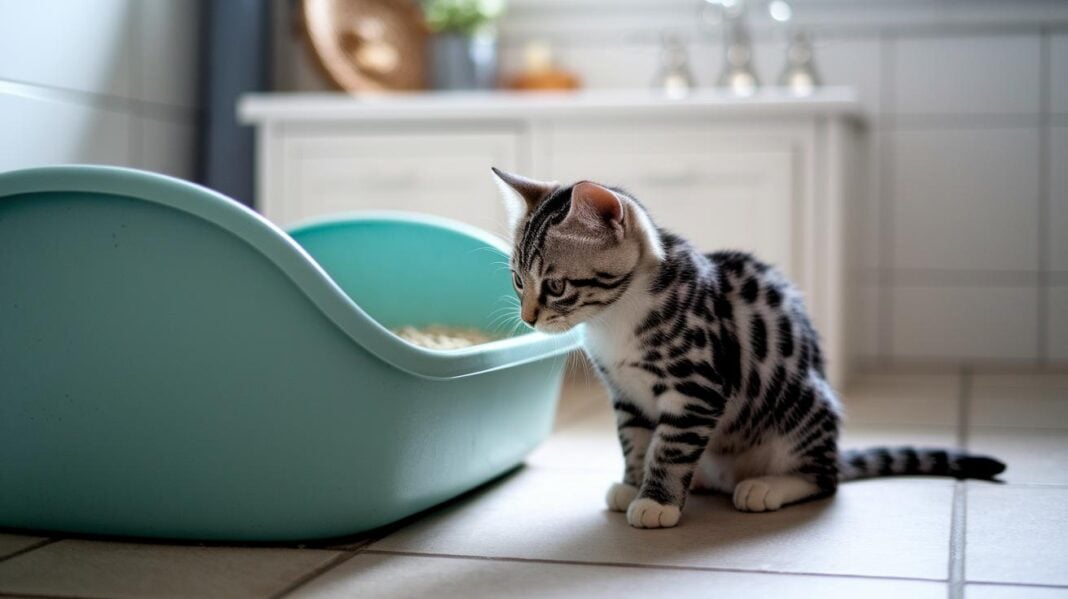

Have you ever wondered if your cat can learn to use the litter box without constant fuss? With a steady routine, a quiet spot, and plenty of praise, even a shy cat can catch on quickly. Guide your cat to the litter box after meals or naps and reward them with a treat and a warm "Good kitty." You might see improvements within just a few weeks. This guide shares simple steps and practical tips to help make litter training smooth and easy for both you and your furry friend.
Step-by-Step Litter Training Guide for Cats
Litter training can be simple when you stick to a routine, pick the right spot, and celebrate your cat’s efforts. Adult cats naturally like sandy, granular areas, while kittens, starting at around 3 to 4 weeks old, need a little hand-holding. With a set schedule, a quiet space for the box, and plenty of rewards, your cat will likely form good habits in 4 to 6 weeks.
- After meals, drinks, or naps, gently guide your cat to the litter box. For example, lead them there right after breakfast so they start to expect it.
- Place the litter box in a calm, quiet spot away from busy areas and loud appliances. A peaceful corner works best.
- Introduce your cat to the litter by softly placing their paws in it. This shows them how to dig and cover, making the box feel like a natural spot.
- Offer gentle praise or a small treat right after they use the box. A quick “Good kitty!” with a treat can really build a positive habit.
- As your cat gets the hang of it, gradually let them explore more of your home. Start with a small area that includes the box, then slowly widen their range.
- If accidents happen, clean them up thoroughly with an enzymatic cleaner to remove scents that might attract repeat mishaps. A short period of confinement in the area can help them relearn the habit.
For extra tips and guidance, like choosing the perfect litter box and litter, or handling more than one cat, check out our other sections. With a mix of routine, a good environment, and rewards, your cat can enjoy stress-free and natural litter habits.
Choosing the Right Litter Box and Litter for Effective Cat Training
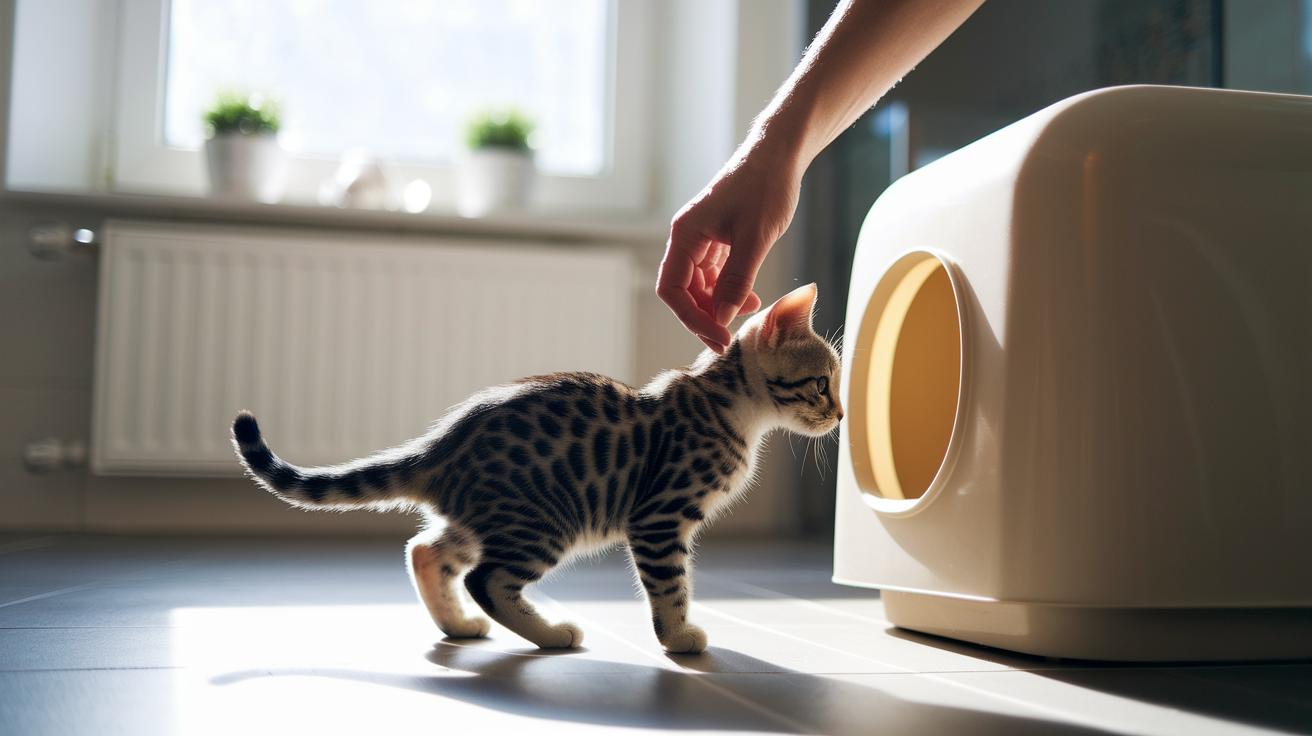
Choosing the right litter box and litter helps your cat feel comfortable and confident. Many cats love open-top boxes because they can easily see what is happening around them. When you first introduce your cat to the litter area, try an open box. For kittens under 8 weeks old, a shallow cardboard tray with a low side works well so they can step in and out with ease.
Older cats or those with trouble moving often do better with low-sided boxes. These boxes help your pet get in and out without straining, which can prevent injuries. Make sure the box is big enough for your cat to turn around comfortably but not so big that the waste smells get lost.
When picking litter, many pet owners choose a fine-grain type because it feels soft on a cat’s paws. A depth of 2–3 inches (about 5–7.5 cm) is just right for digging and covering waste. When you first introduce a new litter box, fill it with the correct amount of litter and stick to unscented, non-clumping types until the kitten is 2–3 months old. This helps avoid irritation and harsh chemicals. If you prefer a covered box, look for one with a removable top so your cat can feel safe but still enjoy the open space if they need it. Experiment with these options to find the one that suits your cat’s habits best.
Strategic Placement and Setup for Cat Litter Boxes
Place your cat’s litter box in a quiet, safe spot that feels calm and private. Choose a spot away from noisy appliances and busy areas so your cat can relax. A hidden corner where the box sits neat and undisturbed helps your kitty feel secure.
Make sure the litter box is always easy for your cat to reach. If you have several cats, spread the boxes around your home to avoid stress and fights over space. Even if you rearrange furniture or move to a new place, take a few minutes to set up steady spots for the litter boxes. This small effort keeps your cat comfortable and supports good litter habits.
For indoor setups, pick a cozy area that feels sheltered and offers a bit of privacy. If you plan an outdoor spot, be sure the area is protected from harsh weather but still easy for your cat to access. A bit of thoughtful planning makes a big difference in your cat’s routine and helps ensure smooth litter training.
Troubleshooting Common Litter Training Challenges for Cats
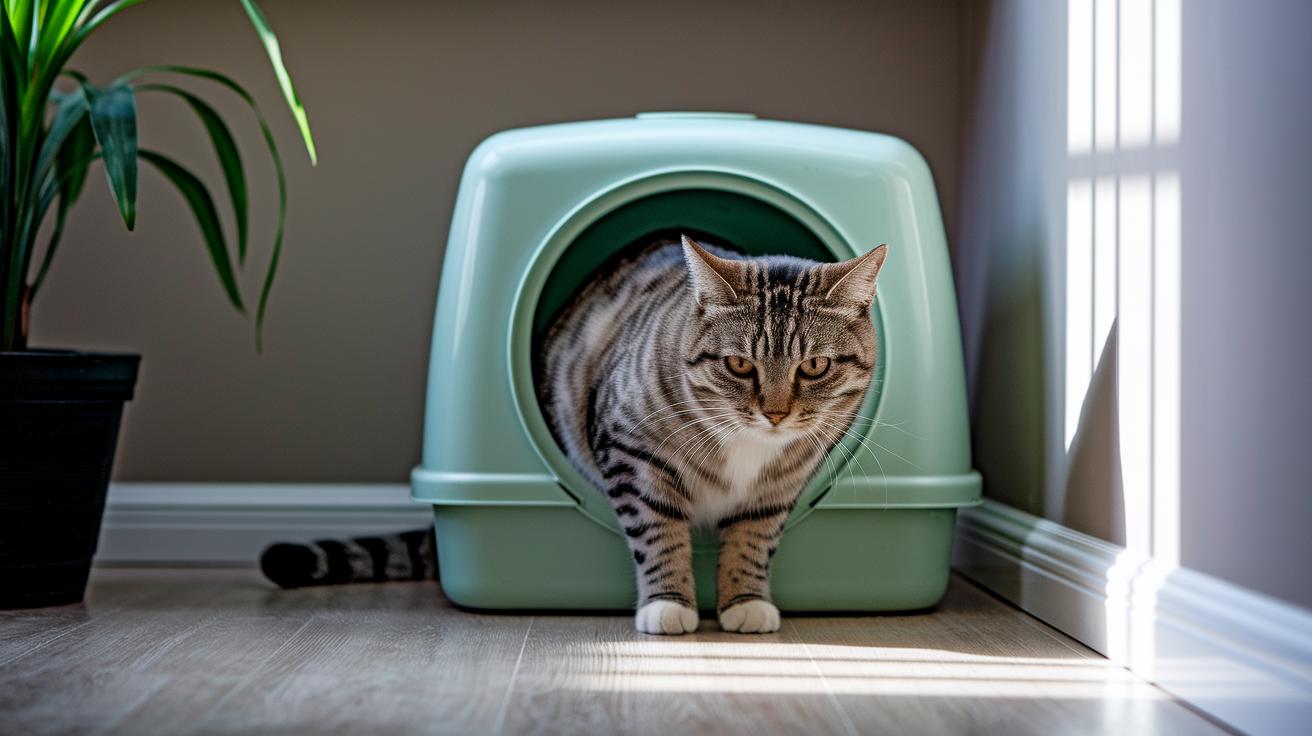
Sometimes your cat might stop using their litter box because it’s too dirty, in a busy spot, or just not the right fit. They might also avoid it if they feel pain or discomfort from a health problem. When you see these issues, try these simple steps to help get things working again.
First, check that the litter box is fresh and clean. Make sure you have about 2–3 inches (5–7.5 cm) of litter so your cat has enough room to dig. Also, try to keep the box in a quiet place where your cat can feel safe.
If your cat still avoids the box, here are a few things to try:
- Dirty box: Scoop it right away.
- Noisy or busy area: Move the box to a calmer place.
- Wrong type of litter: Use fine-grain or unscented litter.
- Signs of illness: Get advice from your vet.
- Anxiety or stress: Try limiting their space for a little while to help them settle.
It’s also important to clean any accidents with an enzymatic cleaner (a cleaner that breaks down odor-causing ingredients) to remove smells that might bring your cat back to the same spot. Adjust one thing at a time so you know which change makes the biggest difference. With a little patience and careful checking, you can help your cat feel comfortable with their litter box again.
Maintaining Cleanliness and Consistency in Cat Litter Training
Taking care of your cat's litter box every day is very important. Scoop the litter right after your cat goes, or at least once a day, to keep the space fresh. A simple tip is to sprinkle a little unscented baking soda under the litter to help control smells without troubling your cat's delicate nose.
Fill the box with about 2 to 3 inches (5-7.5 cm) of litter so your cat has enough room to dig and cover up waste. Replace all the litter once a week to get rid of debris and odors. Wash the box with mild soap and water every month to remove any bacteria and keep it safe and inviting.
Following these easy steps gives your cat a clean and reliable spot to do their business. A well-kept litter box not only stops odors but also makes litter training a positive experience for your furry friend.
Age and Situation-Specific Tips for Kittens, Seniors, and Stray Cats
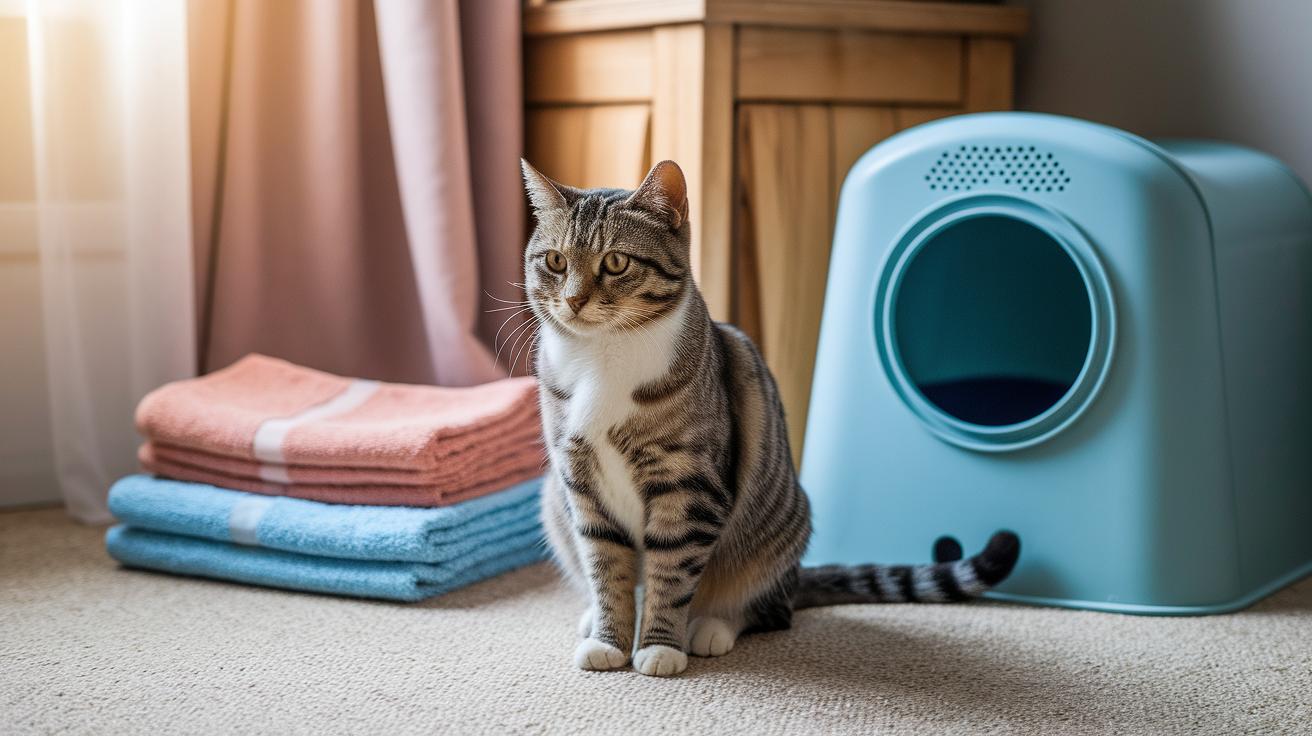
For kittens and older cats, check the earlier tips on setting up their litter box.
Stray or rescue cats have special needs. Give them a small, quiet room with one litter box and another one nearby. This helps reduce their stress and builds a routine. For example, set up a neat area with a clear spot for the box and a backup box close by so your new cat feels safe and secure.
Final Words
In the action, we covered setting a steady routine, choosing the right box and litter, and guiding your pet with gentle praise. We addressed troubleshooting common pitfalls and keeping boxes clean for a smooth process. We also discussed adjustments for kittens, seniors, and rescued cats to ease the transition. Stick with these practical tips, and you'll see progress in litter training a cat that lasts. Keep the process calm and positive, and enjoy watching your furry friend learn and adapt over time.
FAQ
When is it too late to litter train a cat?
It is never too late to litter train a cat. Adult cats can learn with routine, proper box setup, and gentle guidance after accidents, combined with calm praise after successful attempts.
How do I get a cat to use the litter box when they refuse and train a cat to use litter?
When a cat refuses the litter box, start with a quiet, clean area. Gently guide your cat’s paws into the litter and use rewards immediately after each successful use to reinforce the habit.
What are common tips for litter training shared on Reddit?
Many share advice like establishing a consistent routine, using a quiet area, gently guiding the cat’s paws into the litter, and offering treats to reinforce proper usage, making training smoother.
How do I quickly litter train my kitten for the first time?
Start as early as 3–4 weeks by placing your kitten in a shallow box after meals, naps, or play. Gently introduce the litter and offer praise or treats to build fast habits.
How can I train an outdoor cat to use a litter box?
Train an outdoor cat by gradually introducing the box in a sheltered, quiet spot. Keep the routine consistent so the cat begins to associate that clean area with eliminating.
Can adult cats be litter trained?
Adult cats can be litter trained with patience. Use a well-placed, clean box, a consistent routine, and positive rewards, while slowly expanding their area once habits are established.
How do I stop a cat from peeing everywhere but the litter box?
To stop accidents, keep the box clean and in a quiet place. Check the litter’s texture, clean accidents with an enzymatic cleaner, and consult a vet if the behavior persists.
How can I find local litter training support for my cat?
Look at nearby pet shelters or vet clinics for guidance on litter training. They can offer advice on the right box setup and litter options based on your area’s resources.