

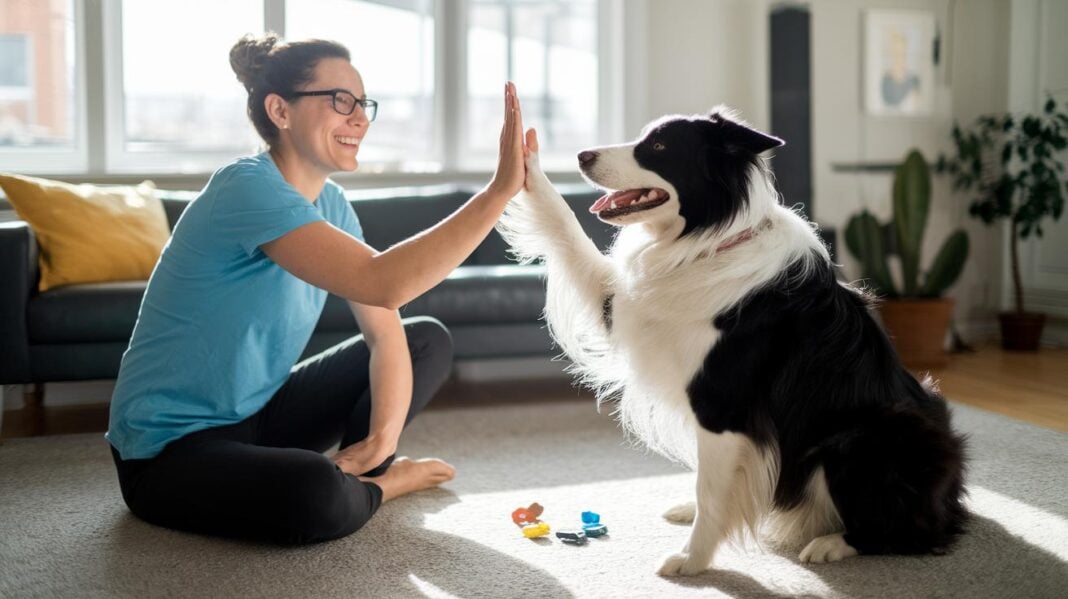

Have you ever seen how a wagging tail or a joyful bark speaks louder than a stern lecture? Positive training lifts fear and pain, filling your dog's day with rewards and fun.
Instead of harsh methods, a clicker (a small tool that makes a sound) and a tasty treat can show your dog it’s done something right.
Research shows that quick rewards build trust and speed up learning. In this post, we explore how using rewards turns training into a fun and friendly activity for both you and your furry buddy.
positive reinforcement dog training methods bring pup joy
Positive reinforcement builds trust with your dog without causing pain. Instead of using choke chains or prong collars, today’s trainers rely on rewards. When your pup sits on cue, a quick click from a clicker and a tasty treat show them they did a great job.
This friendly method works faster than punishment. Research tells us that rewarding desired actions helps your dog trust you more. Rather than focusing on mistakes, a quick reward encourages your dog to repeat good behavior. It’s just like giving a friend a smile and kind words when they do well.
Using rewards in training benefits both you and your pup. It creates clear, reliable signals without making your dog scared. When everyone in your household uses the same reward system, it cuts down on confusion and anxiety. With sessions full of positive energy and immediate treats, your dog learns quickly and gains confidence, making training fun for both of you.
The Science Behind Positive Reinforcement Dog Training Methods
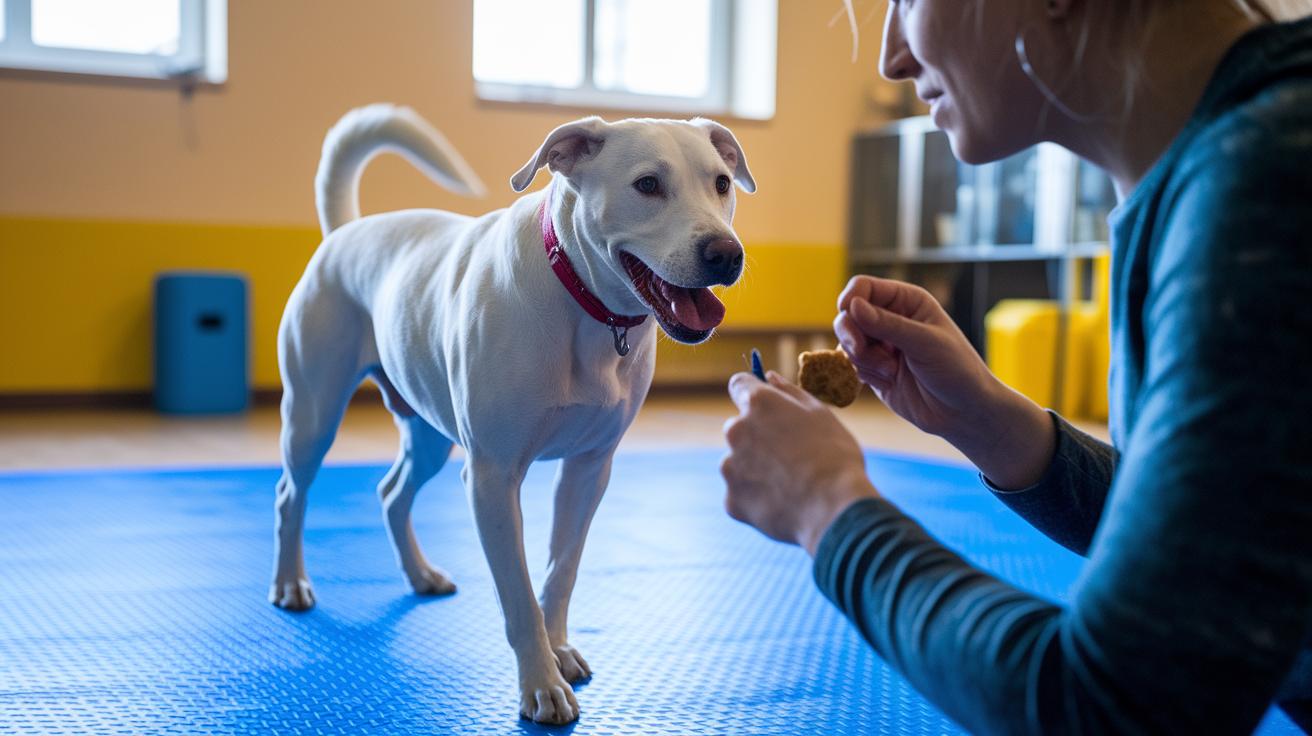
Positive reinforcement helps your dog learn by rewarding good behavior. This training method is based on a science called operant conditioning (a way to increase a behavior by giving a reward). Trainers often use a clicker or a special word along with treats right after your dog does something right. Think of that quick click as a friendly "Good job!", a bit like a teacher clapping when you get an answer right.
The idea works best when you use rewards your dog loves, like tasty food or a favorite toy. When the reward is a perfect match for your dog, learning happens faster and everyone has more fun during training.
Research shows that this approach reduces stress and helps build trust between you and your dog. When your pet knows that good behavior means an instant reward, it gets more excited to listen and learn. Just remember to always give the reward immediately after your dog does something good. This simple, fun method turns training into a game that keeps your dog motivated and happy.
Step-by-Step Guide to Applying Positive Reinforcement Dog Training Methods
-
Pick a simple word that tells your dog what to do, like "sit" or "stay." Use one clear word so your dog quickly understands. For example, use "stay" to signal that your dog should hold still for a moment.
-
Choose treats or a toy that your dog loves. Small, soft treats with a strong smell or tasty flavor work best to grab your dog’s attention.
-
Use a clicker or say a special word at the exact moment your dog does what you asked. This simple sound or word is like saying, "Good job!" and helps your dog know they did right.
-
Give the treat right after the click or marker. Quick rewards are key because any delay can confuse your dog, much like a fast cheer after a great play.
-
Repeat the process each time your dog responds correctly. Doing this over and over helps your dog connect the cue with the good behavior.
-
Sometimes, mix up your rewards. Not every correct response needs a treat; you can also offer praise. This keeps training fun and engaging for your dog.
-
Start with short commands in a quiet space and slowly add mild distractions. Gradually asking for longer responses builds your dog’s confidence in busier environments.
-
Keep a simple record of your training sessions. Write down what works and what might need a tweak, so you can track progress.
-
Adjust the type and timing of rewards based on what really motivates your dog. Some dogs might love extra play time more than another treat.
-
Celebrate small wins together. A little extra praise or a fun play session can make training a joyful journey for both of you.
Essential Tools and Rewards for Positive Reinforcement Dog Training Methods
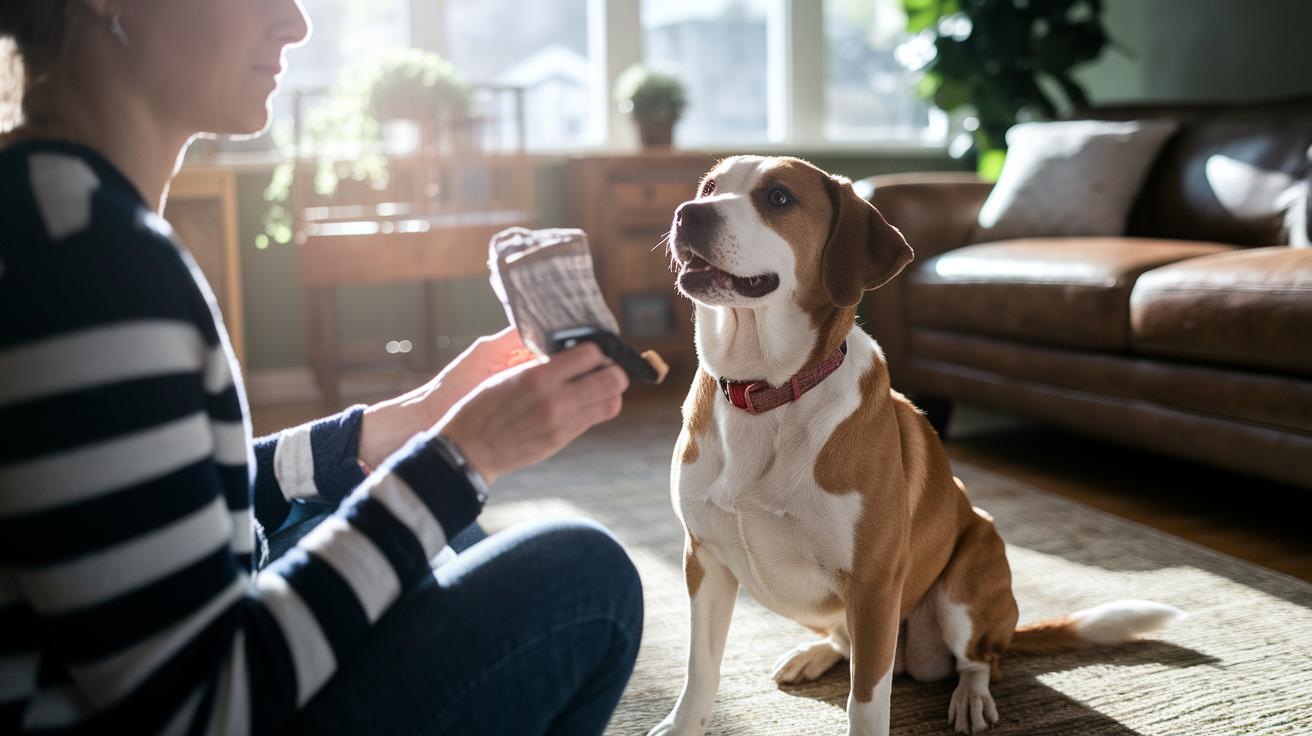
Choosing the right tools can turn training into a fun and clear experience for both you and your dog. Reward-based training relies on items that show exactly when your dog does something good and give instant encouragement. A clicker marks the exact moment your pup follows a command, making it easier for him to connect the action with a reward. A treat bag keeps soft treats handy so you can quickly give rewards during training sessions. High-value treats (those with a strong smell that quickly catch your dog's interest) help keep him focused. And if your dog has dietary restrictions, verbal praise or toy rewards work well as non-food alternatives.
| Tool or Reward | Purpose |
|---|---|
| Clicker | Marks the behavior at the exact moment |
| Treat Bag | Keeps rewards handy for quick delivery |
| Soft High-Value Treats | Keeps your dog focused and motivated |
| Verbal Praise | Rewards good behavior without food |
| Toy Rewards | Offers a fun alternative for play-driven dogs |
Using these tools in each training session helps create clear, engaging moments and builds a lasting bond between you and your pup.
Key Benefits of Positive Reinforcement Dog Training Methods
Positive reinforcement relies on rewards like treats, kind words, or a little play instead of punishment. When your dog sits and receives a small treat, it quickly learns that obeying commands brings good things.
This method helps boost your dog's confidence, which can make both of you feel like winners. One pet parent said each training session feels like a win for both of them. When a dog knows it can earn a reward, it feels safe and valued, and that calmness often shows during everyday challenges.
Regular rewards help your dog remember commands over time. This means your daily interactions become easier and more enjoyable. In short, positive reinforcement training builds a strong, lasting bond between you and your dog while teaching solid, good behavior.
Overcoming Common Challenges with Positive Reinforcement Dog Training Methods
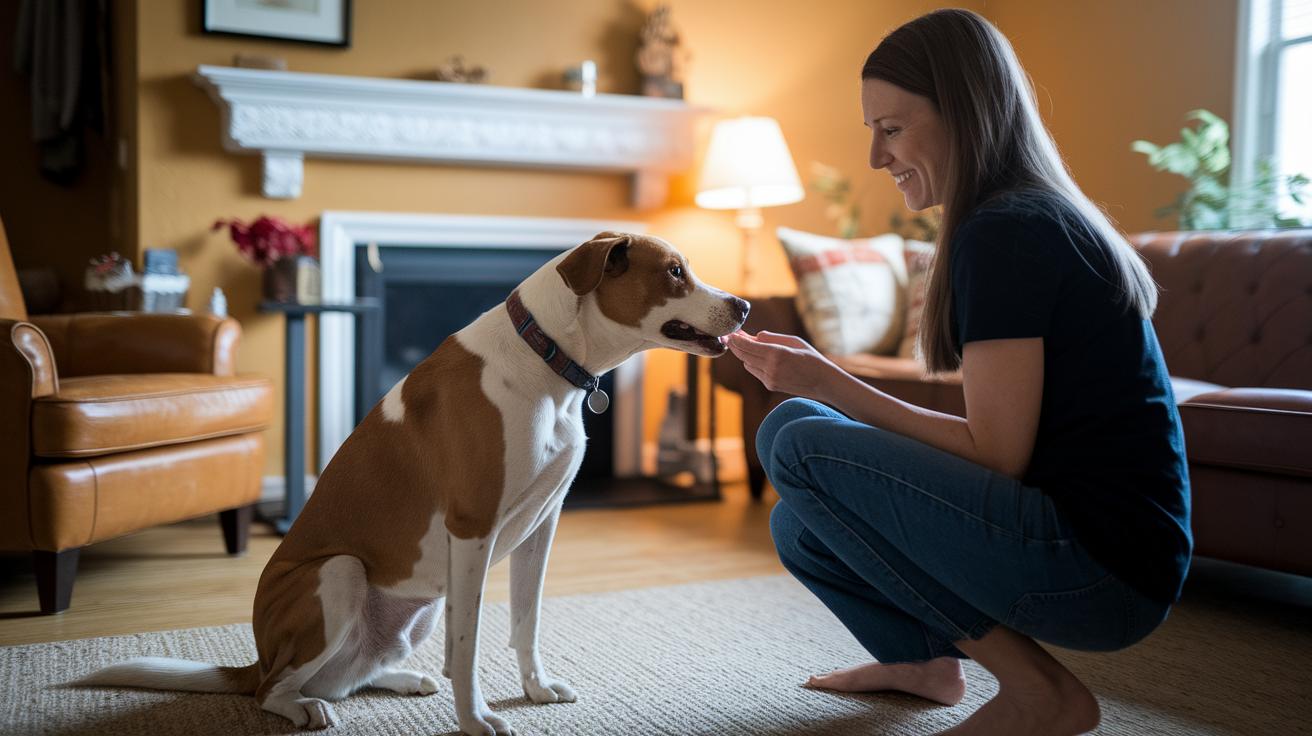
Many pet owners and trainers find it tough to move from punishment methods to rewarding ones. Some still stick with old tools like prong collars because of past habits. These methods can leave both you and your dog with a mindset that makes positive training hard to accept. Dogs that learned to obey out of fear might seem slow or even act aggressively at first. When a dog is used to negative signals, switching to praise and treats can feel very new.
To help your dog adjust, try mixing in small, tasty rewards with commands they already know. For example, if your dog learned to sit through harsh methods, offer a soft treat and kind words when they sit now. Over time, your dog will link a friendly voice and a treat to doing the right thing. This slow switch builds trust and boosts confidence. Using calm, steady praise can also ease any fear and help your dog respond better over time.
Advanced Positive Reinforcement Dog Training Methods for Lasting Obedience
Once your dog has learned basic commands with simple treats and praise, you can add a twist. Instead of rewarding every time, offer treats only sometimes. This unexpected reward helps make your dog's response stronger and less tied to constant food treats.
Using extra playtime or a favorite toy as a reward is another great trick. When your dog gets a quick play break after following a command, it learns that obeying commands leads to fun experiences, not just food. Over time, you can slowly fade out the treats. Start by giving smaller treats less often while boosting your kind words until your dog listens well to your praise alone.
Remember, no two dogs are the same. A shy dog might need softer rewards and extra care, while a high-energy pup could do better with lively play sessions. Take some time to figure out what motivates your dog most. This personalized plan, using clear rewards and friendly words, can help build lasting obedience without harsh punishments.
Final Words
In the action, positive reinforcement dog training methods replace forceful tactics with rewards that build trust and bring clear results. Clear steps, from using clickers to treat bags and verbal praise, show how rewarding the right behavior strengthens the bond. Simple training sessions yield reliable obedience and a happier pup. Seeing small, steady wins reminds us that patient, reward-driven techniques lead to lasting success and joyful connection every day.