

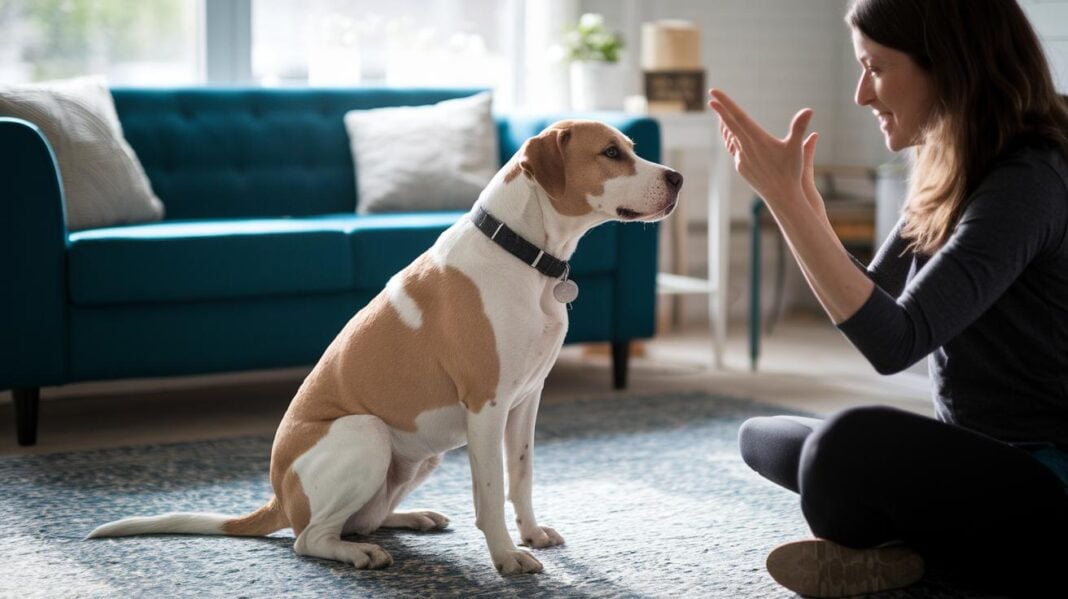

Have you ever noticed how some dogs just listen perfectly? Basic obedience training does more than teach simple commands, it builds a strong bond and clear communication between you and your dog. In this guide, you'll learn how quick, fun training sessions using easy commands like sit, stay, and come can make a big difference in your daily routine. Each step helps both of you feel closer and more confident. Keep reading for a simple plan that makes training fun and easy for every pet owner.
Basic Obedience Training for Dogs: Step-by-Step Starter Guide
Start with short sessions of 5 to 10 minutes, two or three times a day. This way, your dog stays interested without getting too tired. Think of each session as a small step toward better behavior. Remember the three important ideas: commitment, a clear plan, and patience. For example, guide your dog to sit on a mat during family time.
Training today isn’t just about repeating words. It teaches your dog useful skills for everyday life. Mix simple commands with real-life practice, like calling your dog from another room. This helps build trust and a stronger bond.
Try these easy commands in your sessions:
- Sit
- Stay
- Come
- Down
- Heel
Begin with a few clear repetitions for each command. Once your dog understands, slowly increase the time or distance. Each win helps your dog apply the command in different settings. Stay patient, follow the plan, and enjoy every moment as your dog grows more focused and well-behaved.
Core Commands in Basic Obedience Training for Dogs: Sit, Stay, Come
Sit
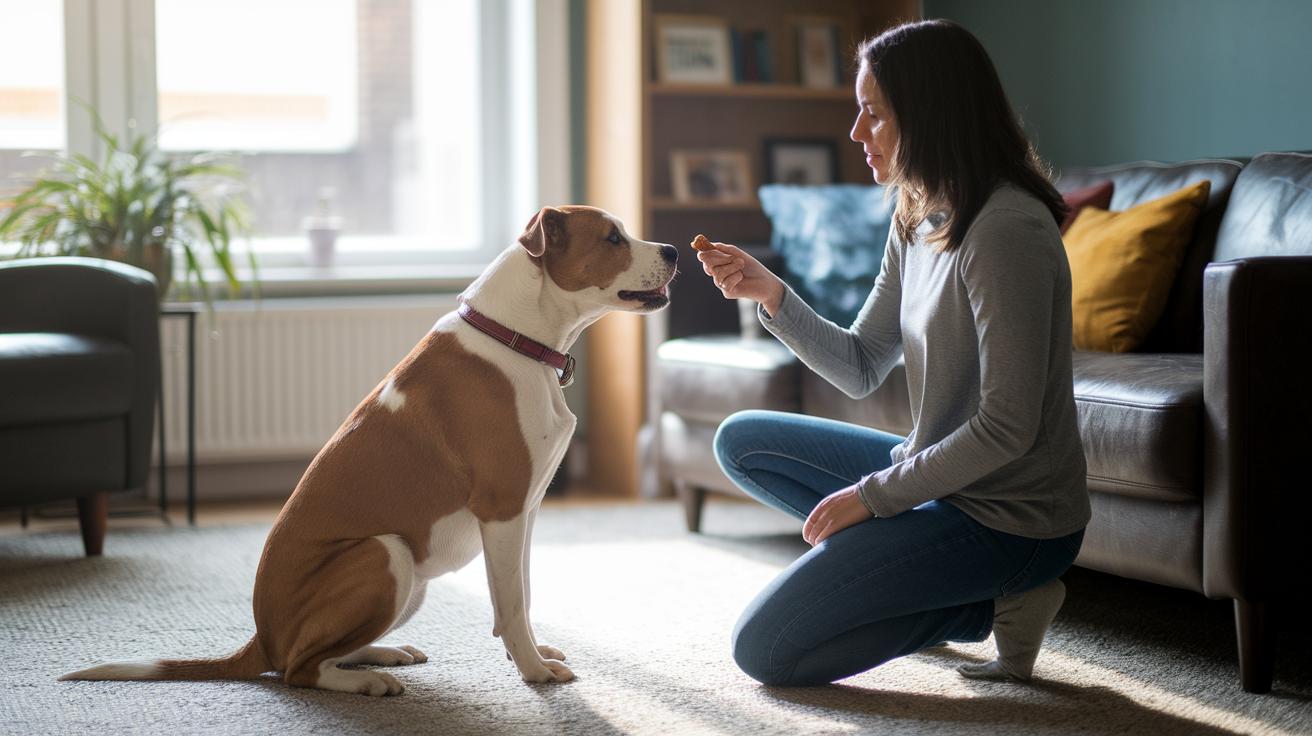
Begin with sit as the first step for building focus and control. Keep your dog's leash secure and hold a treat in your hand. Slowly move the treat upward so your dog naturally lowers its bottom to the ground. As soon as your dog sits, say "yes" and give it a treat within one second. This quick reward helps your dog understand the command. Try doing this 5 to 10 times in one session, using a clear "sit" command each time you guide the treat.
Stay
Once your dog sits well, you can introduce stay. Ask your dog to sit, then give a short marker word like "yes" or click your clicker right when it holds the position. Start with just a 2-second stay. Take a tiny step back and reward your dog for staying put. Gradually increase both the time and your distance, always rewarding the right behavior. This slow process helps your dog learn to relax while staying in place.
Come
For the come command, use a long training line in a safe space. Call your dog in a warm and excited tone from a short distance. When your dog comes to you, offer lots of praise and a treat right away. This quick reward makes your dog feel happy about coming to you. As your dog gets better, try calling it from another room. Practice 5 to 10 times per session, steadily raising the challenge as your dog gains confidence.
Positive Reinforcement in Basic Obedience Training for Dogs
Reward methods quickly build trust. When you give your dog a treat, a click, or some kind words right after they obey, they learn that following your cue brings a pleasant surprise. For example, say "good" the moment your dog sits so they connect the action with the reward.
Reward-based training works better than punishment. It encourages your dog to repeat good behaviors instead of linking mistakes with negative feelings. Punishments can confuse or upset your dog, making learning harder. In contrast, rewards make training fun and help your dog build confidence when learning commands like sitting on a mat or staying focused despite distractions.
It is very important to give the reward at just the right moment. If you wait too long, your dog might not link the reward to the action. Try these three timing tips during training:
- A clicker or a quick word like “good” at the exact time your dog does the right action.
- A clear reward system, using simple kibble for practice and a special treat when your dog masters a skill.
- A changing plan, where you start with a treat every time and slowly move to giving praise only now and then.
As your dog learns to settle calmly, these well-timed rewards help make good habits stick, creating a lasting and positive learning experience.
Avoiding Common Pitfalls in Basic Obedience Training for Dogs
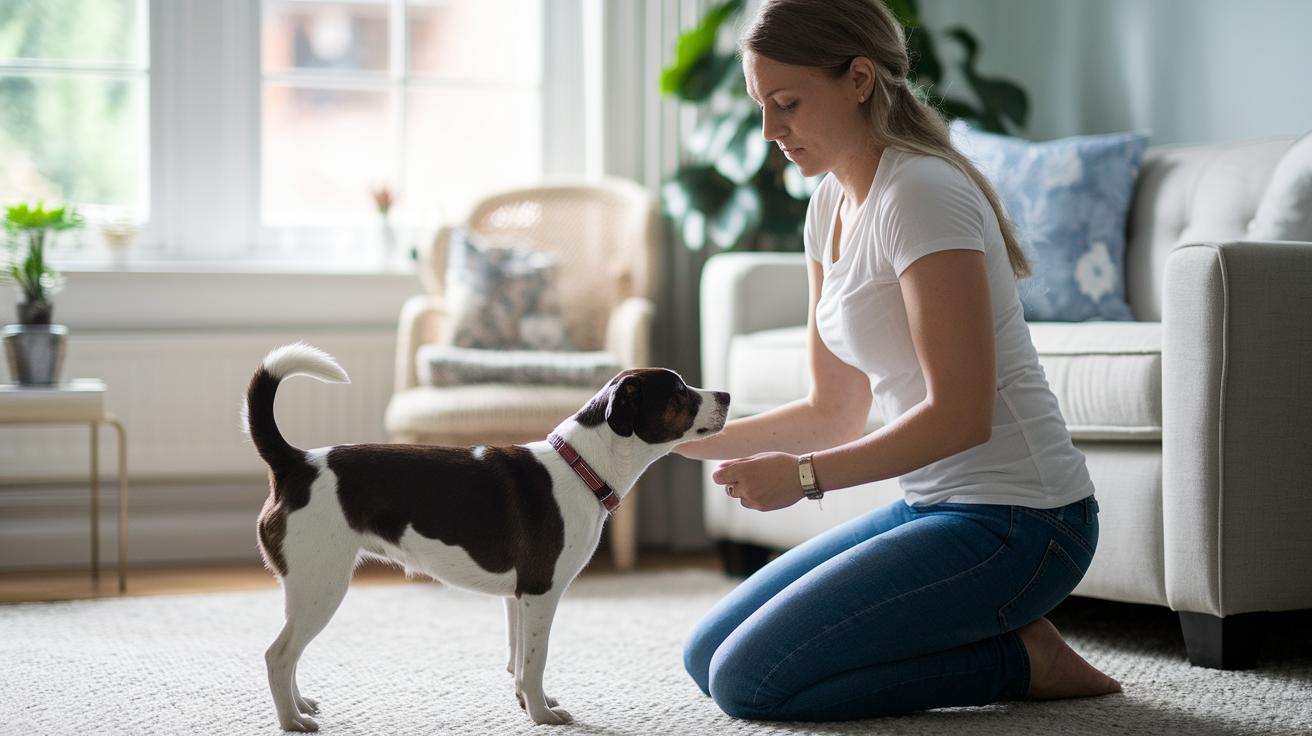
A common mistake is mixing up the words you use when giving commands. When you say "sit" sometimes and "sit down" at other times, your dog gets confused. Pick one word, like "sit," and use it every time so your pup clearly understands what you mean.
Another issue is making training sessions too long. If you train for more than 10 minutes, your furry friend might get tired and lose focus. Instead, plan short, fun sessions that last no longer than 10 minutes to keep learning fresh.
Starting training in busy or noisy places can also be a problem. When your dog is still learning, busy spots like crowded parks can distract them. Begin in a quiet, familiar area and slowly add more distractions only when your dog is ready.
Timing is key when it comes to rewards. Dogs learn best with quick praise or treats right after doing the right action, ideally within one second. If you wait too long, the link between the action and the reward weakens, and your dog might get confused.
To keep your training on track:
- Use the same command every time.
- Stick to short sessions to keep your dog engaged.
- Start in a calm place and slowly introduce distractions.
- Reward immediately to strengthen the connection between the behavior and the treat.
Consistency and Home Environment Strategies for Basic Obedience Training for Dogs
Blend short training drills into your daily routine. For example, ask your dog to sit-stay every time before they cross a doorway. This simple step helps your pup learn to follow the same command no matter where they are, making transitions smoother and safer.
Try a 5-minute leash-control drill each day. Walk with your dog and mix in quick stops, starts, and turns. When your dog keeps up and follows your cues right away, offer a treat or praise. This regular practice makes leash control feel natural and boosts their focus.
Another handy exercise is the calm-settle drill using a mat. Place a mat in different rooms during your day. Invite your dog to lie down and relax with gentle commands and rewards. This helps your dog learn to settle, even with everyday distractions.
Once your dog masters these basic drills, slowly add small distractions. For example, keep the TV on at a low volume or let a family member walk by. Start with mild distractions and increase them gradually. Over time, these simple, consistent steps make obedience a natural part of daily life.
Recommended Resources and Tools for Basic Obedience Training for Dogs
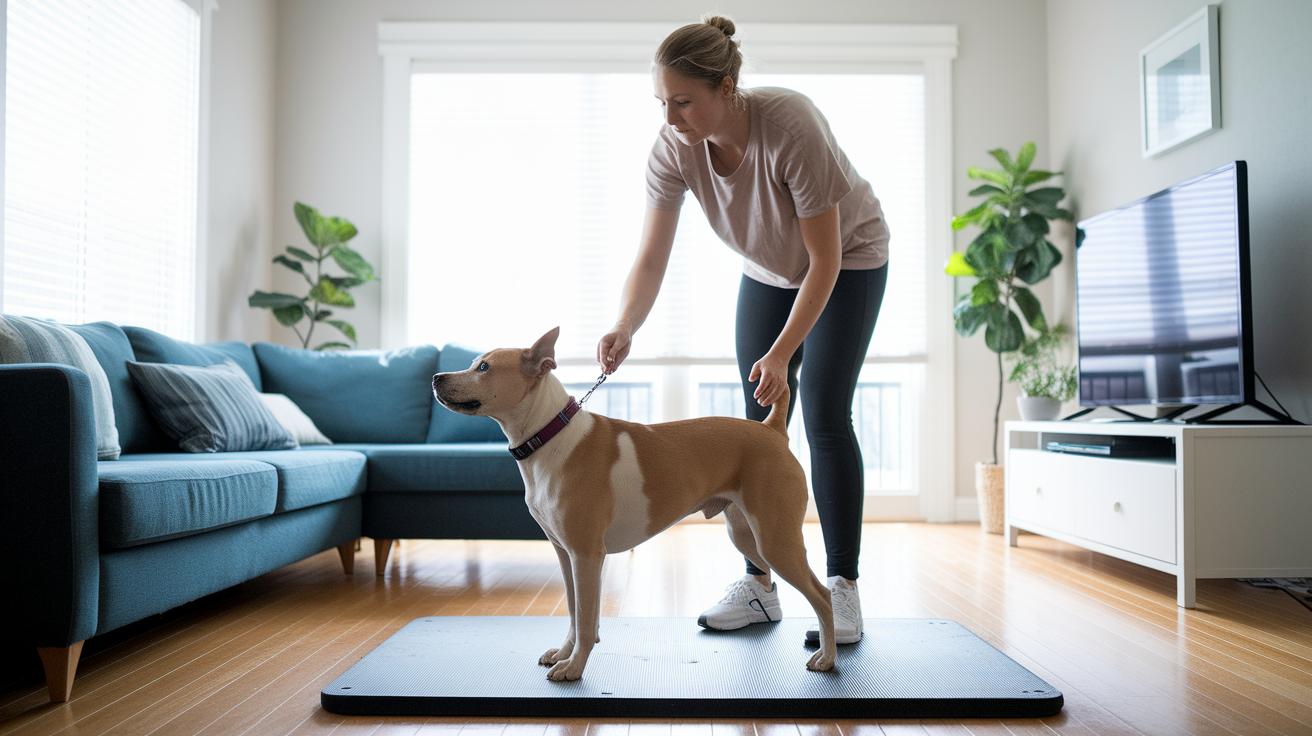
Online video libraries are a great way to get started with basic dog training. You can watch free lessons that break down each command and show you how to use a training mat. These self-paced videos give clear examples of the right commands and motions, making it easier for you and your dog to learn together.
If you prefer real-time help, consider interactive training sessions. Virtual consultations or in-home training packages can offer live guidance. For example, Romping Dogs Dog Training offers live coaching sessions where a trainer walks you through step-by-step discipline exercises. Quick tip: booking one of these sessions can make learning more organized and fun.
Don’t forget to pair these lessons with useful training tools. Items like a basic clicker, a target stick, and a portable training mat help your dog understand clear cues. Some membership programs even offer discounts on future gear, which can be helpful as you add to your training toolbox.
By combining these well-reviewed resources and tools, you set a strong foundation for turning everyday practice into a structured and engaging learning experience for your dog.
Tracking Progress and Next Steps in Basic Obedience Training for Dogs
Keep a simple log for every training session. Note the date, which command you practiced, the number of repetitions, the session length, and the distraction level. This record lets you see your dog improve over time. For example, you might write: "June 1 – Sit: 10 reps, 5 minutes, low distractions."
Aim for about 50 repetitions each week. Once your dog reliably follows a command, make it a bit tougher by increasing the distance or adding new distractions. One pet owner even boosted their off-lead recall from 20% to 80% in four weeks by keeping track of every detail.
As your dog masters the basics, slowly introduce more challenging skills. Look over your log and use it to decide when to raise the difficulty. This step-by-step plan builds your dog's confidence and shows exactly where more practice is needed.
- Date
- Command practiced
- Number of repetitions
- Session duration
- Distraction level
Every note you record helps guide the next step in your training plan.
Final Words
In the action, you learned a quick guide to starting basic obedience training for dogs with short, focused sessions. The article broke down simple commands, using positive rewards to encourage good behavior. You also saw how to weave training into daily home routines and track progress with a simple log. This clear approach helps build trust and confidence in your pet’s abilities. Keep practicing, and enjoy watching your dog grow more focused and happy each day.
FAQ
Basic obedience training for dogs near California
Basic obedience training near California means local trainers and facilities offer sessions that teach commands like sit, stay, and come in face-to-face classes or group sessions.
Basic obedience training for dogs near Texas
Basic obedience training near Texas means that local training centers and pet experts provide in-person classes designed to help dogs learn essential commands in a structured setting.
Basic obedience training for dogs YouTube
Basic obedience training on YouTube offers video tutorials where pet experts demonstrate key commands like sit, stay, and come, letting pet parents practice new techniques at home.
Free basic obedience training for dogs
Free basic obedience training for dogs can be found online or via community programs that cover core commands, offering guidance without cost to help you begin training at home.
Dog training basic obedience lesson plan PDF
A basic obedience lesson plan PDF is a structured guide that outlines sessions for commands like sit, stay, come, down, and heel, giving you step-by-step instructions for effective training.
Basic obedience training for dogs at home
Basic obedience training at home uses short, focused sessions with treats or praise to teach commands. Consistent, daily practice in your familiar surroundings helps build lasting behavior.
Obedience dog training near me
Obedience dog training near you involves local trainers and programs that offer in-person classes or one-on-one sessions to improve your dog’s behavior and response to commands.
Basic obedience dog training price
The cost of basic obedience dog training varies by location and session type, with prices influenced by factors such as group class versus private training and the trainer’s experience.
What is the 7 7 7 rule for puppies?
The 7-7-7 rule for puppies suggests using brief training sessions—seven minutes long, seven times a week—to build focus, reinforce commands, and establish consistent training routines.
What are the 5 D’s of dog training?
The 5 D’s of dog training refer to key tactics like distract, drop, distance, down, and dwell, each guiding you to manage behavior and keep your dog safely focused during training.
What are the 3 C’s of dog training?
The 3 C’s of dog training focus on clarity, consistency, and calmness. Clear cues, regular practice, and a relaxed approach help your dog understand and follow commands reliably.
What are the 7 basic commands for dog training?
The 7 basic commands typically include sit, stay, come, down, heel, leave it, and wait. These fundamentals create a strong foundation for effective obedience and safety in everyday situations.