

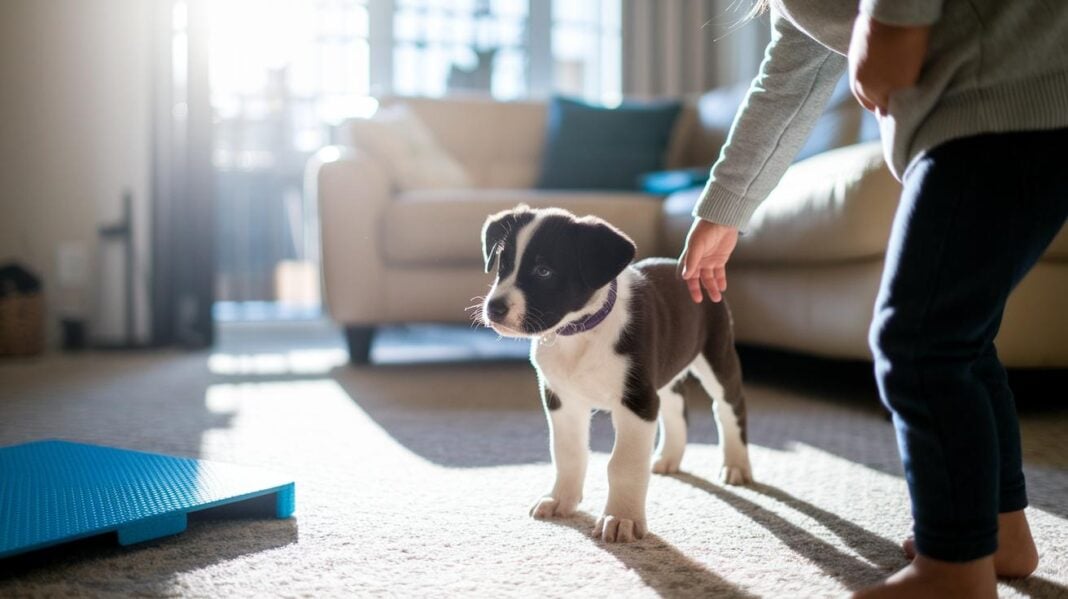

Ever wonder if there's a secret for quick, clean puppy potty training? A steady routine may be just the trick. Regular trips outside, a snug crate, and clear commands can help your pup learn where to go. These simple steps build trust and set clear rules, turning potty time into a win-win for both of you. Give it a try and watch your puppy grow more confident every day.
Step-by-Step Potty Training Methods for Puppies
A regular routine helps set clear rules for you and your puppy. By sticking to a set schedule, your pup quickly learns when it is time to go outside. This approach lowers the chance of accidents indoors and builds trust between you both. A steady routine also makes training easier and less confusing.
Regular trips outside and crate breaks are key to success. Puppies between 8 and 16 weeks old need to get outside every 30 to 40 minutes during the day and every 4 to 6 hours at night. Crate time helps prevent accidents because puppies have small bladders. When you take your puppy out right after waking up or after a meal, say a short phrase like "Time to go" to connect the words with the action, then give lots of praise.
- Feed your puppy two set meals each day.
- Take your puppy outside as soon as they wake up.
- Go out every 30 to 40 minutes.
- Use the same phrase each time, like "Time to go."
- Praise your puppy and offer a small treat right after they do their business.
- Return your puppy to their crate or play area when finished.
- Keep a simple log of meals, breaks, accidents, and successes.
Following these steps will boost your puppy’s bladder control and confidence. Using a simple cheat sheet and a Puppy Tracker, you can easily record each meal, break, accident, and win. A well-planned routine not only cuts down on mishaps but also helps your puppy become a happy and well-trained companion.
Crate Training Potty Techniques for Puppies
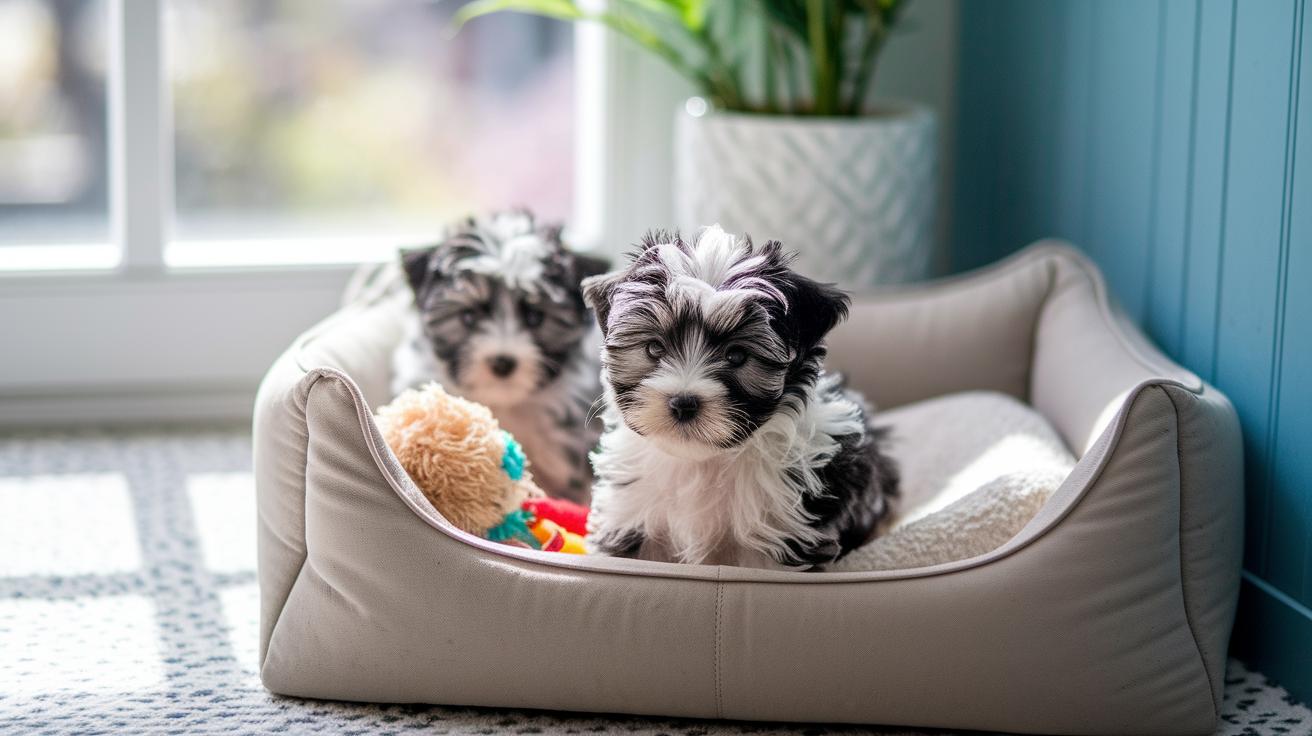
A good crate gives your puppy a cozy, den-like space that matches their natural habits. A crate that is just the right size helps keep accidents to a minimum by limiting the area they can use. This small space means a puppy is less likely to choose a corner for an indoor accident. It feels safe and familiar, which boosts their confidence while keeping your home cleaner.
Keep crate time short and steady based on your puppy’s age and how long they can hold their pee. Set up the crate with a comfy bed and a small toy to make it inviting, and be sure it has plenty of fresh air. As soon as you let your puppy out of the crate, take them straight outdoors for a potty break. Using a consistent phrase like "Time to potty" each time helps them connect leaving the crate with going outside. This simple routine builds good habits and teaches your puppy when and where to go.
Puppy Potty Scheduling and Elimination Cues
A clear schedule is key to training your puppy where to go. Set regular times for meals, play, and rest, then take your puppy outside right away. Feeding them twice a day helps create a steady tummy routine, so it’s easier to predict when they need to go. Soon, your puppy will connect meals, play, and rest with going potty. This easy routine cuts down on accidents and makes learning fast.
| Time of Day | Action | Frequency |
|---|---|---|
| Morning Wake-Up | Outdoor Trip | Right after leaving the crate |
| Post-Meal | Outdoor Trip | 10 to 15 minutes after eating |
| After Play | Outdoor Trip | After every play session |
| Pre-Bed | Outdoor Trip | Just before bedtime |
Keep a simple log of each successful trip. Writing down these moments shows you clear patterns and helps boost your puppy's bladder control. Soon, you’ll notice real progress and can tweak the schedule as your puppy grows.
Using Puppy Pads and Transitioning Outdoors
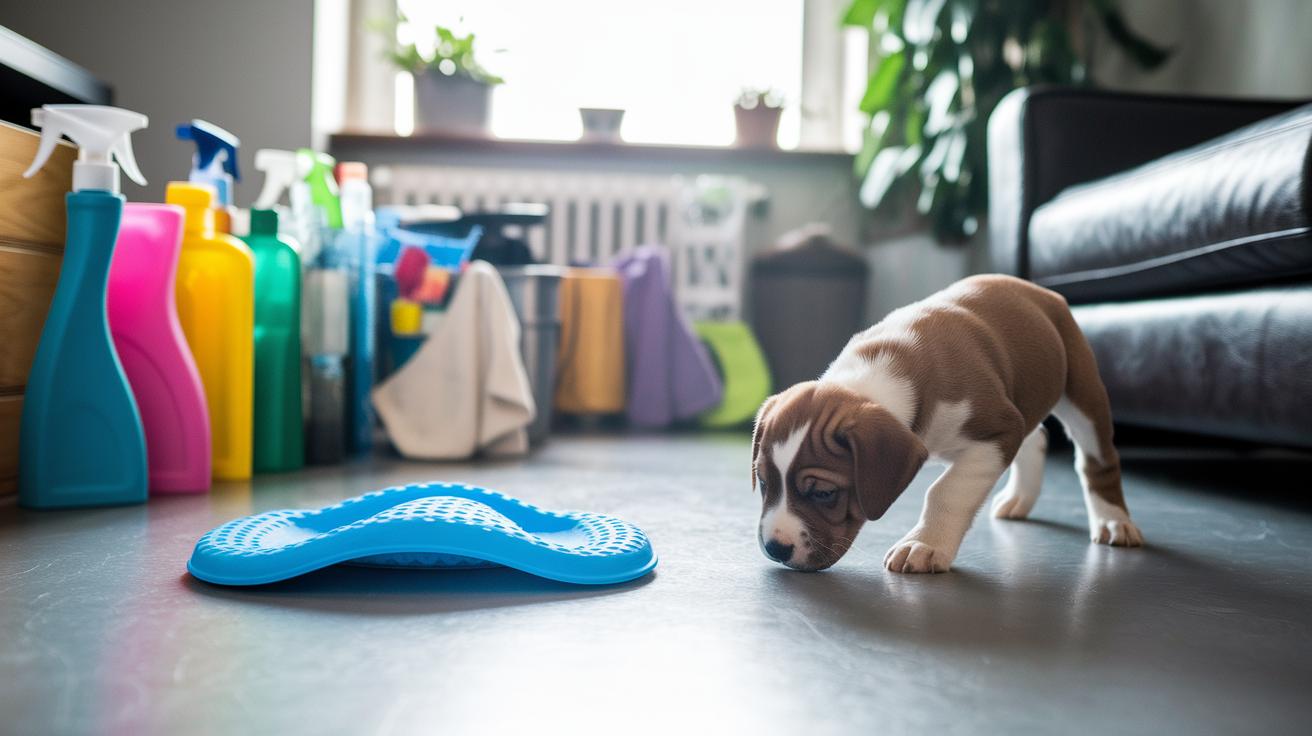
Start by placing the puppy pad in the same spot indoors every day where your puppy can easily see it. Choose a flat area that isn’t busy and keep a pet-safe cleaner nearby for quick clean-ups. Watch for signs like sniffing or circling, which show that your dog needs to go. This helps your pup learn that the pad is the right place to relieve itself.
Over the next 7 to 10 days, slowly move the pad closer to your door. Each day, shift it a few inches so your pet begins to link the pad with going outside. Once it gets near the door, gently encourage your puppy to step out for bathroom breaks with praises and kind words. When your dog reliably uses the pad near the door and is doing well outside, you can remove the pad completely. This gradual move makes the change from indoor pads to outdoor breaks easier for both of you.
Positive Reward Strategies in Puppy Potty Training
Timing and consistency are key in potty training your puppy. When your pup goes outside, offer a quick treat and say "Good job!" right away. This helps your puppy link going potty outside with a positive response. Everyone in your home should use the same kind words and actions each time. It turns every break into a chance to learn.
Simple rewards can be tasty treats, a brief play session with a favorite toy, or even a short game. If an accident happens, avoid scolding. Instead, calmly guide your puppy back to where they can go outside next time. Celebrating every successful potty break builds your puppy's confidence and teaches that good behavior always comes with a warm reward.
Troubleshooting Puppy Potty Accidents
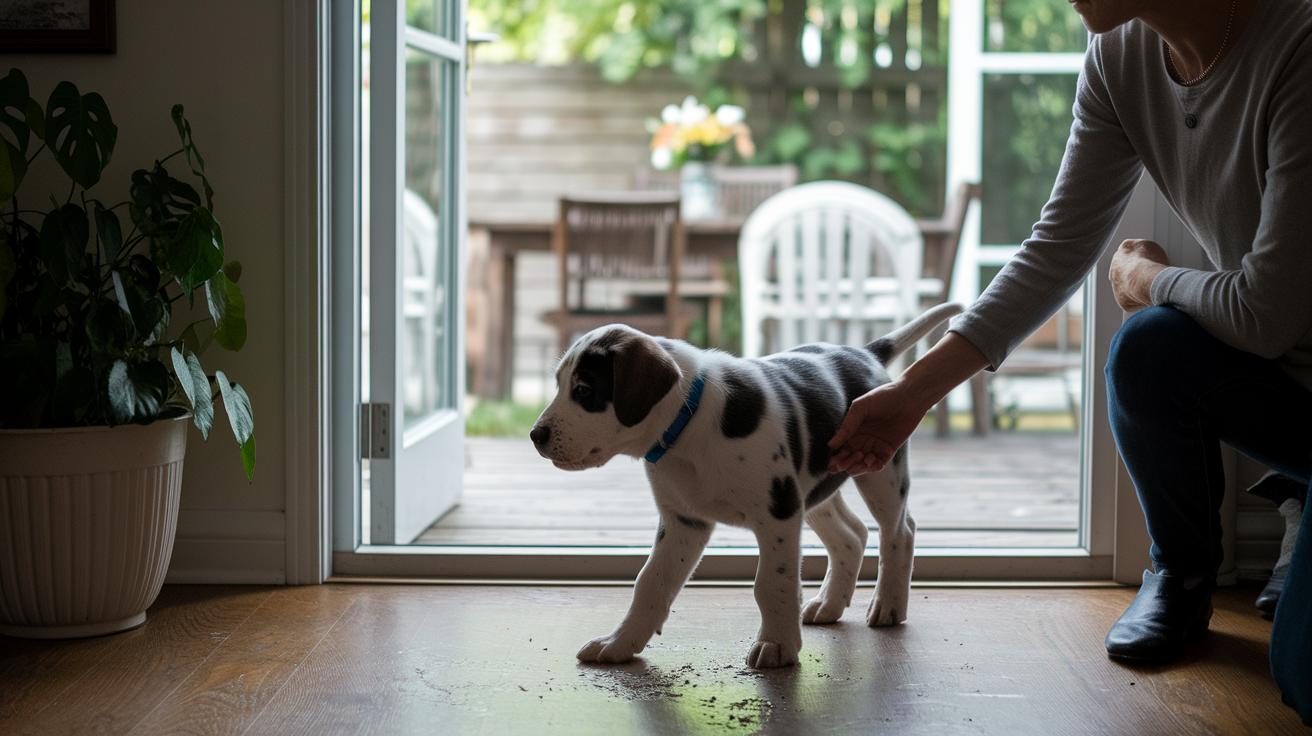
When you see your puppy having an accident inside, keep your voice calm and friendly. Gently guide your puppy outside with a simple phrase like "Time to go outside." Avoid any yelling or punishment because that can make your puppy scared and confused. Clean the mess right away with an enzymatic cleaner (a product that breaks down waste smells) to stop your puppy from returning to the same spot.
Next, check your potty schedule to see if there are any gaps, especially after naps or playtime. If you notice accidents at similar times, try taking your puppy outside more often. Keeping a simple log or using a Puppy Tracker can help you see patterns and decide the best times for breaks. With a few small changes, you can reduce indoor mishaps and boost your puppy's confidence in the routine.
Nighttime Puppy Potty Training Routine
Puppies aged 8 to 16 weeks can hold their pee for about 4 to 6 hours at night. A quick trip outside right before bed helps them empty their bladder. Stick to the same bedtime every night and use a simple cue like "time to sleep" so your pup knows it's time to rest. For example, take a short walk and gently say, "time to sleep."
Set a soft alarm at night to remind you to take your puppy out briefly. Keep these outings calm and low-key to avoid excitement. As your puppy gains better control, slowly stretch out the time between these trips. This routine not only builds confidence but also strengthens bladder control, ensuring a peaceful night for both of you.
Final Words
In the action, this guide laid out clear steps to tackle potty training methods for puppies. It broke down a step-by-step routine, proper crate use, scheduled outdoor breaks, and immediate praise. Each tip helps reinforce good habits while tracking progress and handling mishaps calmly.
Taking these steps builds your puppy’s bladder control and confidence. Stick with the routine and celebrate every achievement, small wins add up to a happy, well-trained puppy.
FAQ
How can I potty train my puppy quickly in just a few days?
Potty training quickly relies on a strict routine with frequent breaks. Schedule outings every 30–40 minutes and reward your puppy immediately after elimination to build bladder control and confidence.
What resources offer clear methods for puppy potty training?
Online platforms like YouTube and Reddit provide step-by-step guides. These methods emphasize regular outdoor breaks, crate training, and immediate praise to build a positive routine.
What is the fastest way to potty train a puppy?
The fastest method uses proactive scheduling and immediate rewards. Frequent trips every 30–40 minutes during the day and tracking successes help your puppy learn correct elimination habits quickly.
What does the 10-10-10 rule for puppy potty training mean?
The 10-10-10 rule assigns consistent potty breaks at three key times—after meals, after naps, and after play—to establish a reliable routine and encourage proper outdoor elimination habits.
How do I potty train a puppy that refuses to go outside?
For a puppy that resists outdoor trips, start by using puppy pads indoors near your exit. Gradually move the pad outside and reward your puppy with treats to build positive outdoor associations.
What is the 5 minute rule for puppies in potty training?
The 5 minute rule suggests that if you see your puppy sniffing or circling, quickly take them outside within five minutes. This helps reinforce quick, timely outdoor elimination.
What should a puppy potty training schedule by age include?
A schedule by age incorporates frequent outdoor trips tailored to your puppy’s developmental stage, ensuring breaks every 30–40 minutes during the day and structured meals, play, and rest times.
How do I potty train a 6-month-old puppy effectively?
A 6-month-old still benefits from consistent breaks and clear cues. Adapt your routine to the puppy’s improved control, using immediate praise, treats, and a tracking method to reinforce good habits.