

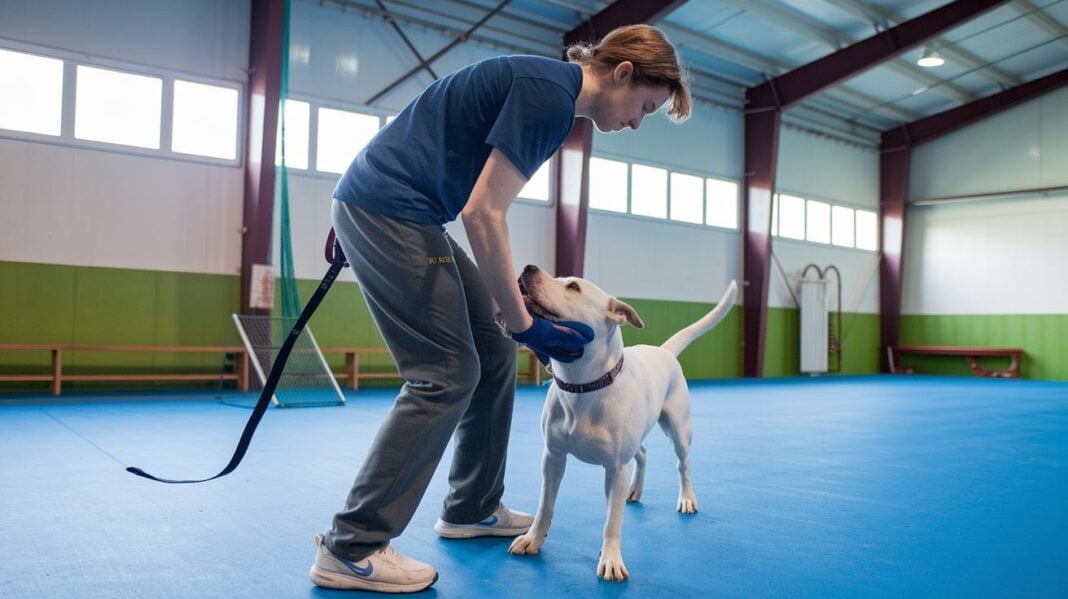

Do you think your dog might be ready for safe bite work training? This training helps your dog use their natural instincts in a controlled way, especially under stress. Trainers start with simple steps, like teaching your dog to bite a sleeve when you ask. With each step, your pet builds focus and confidence. Your dog learns to trust its own instincts while staying alert and calm. In this post, we'll show you how bite work training can prepare your dog for protection roles, sports, or security work while keeping the experience safe and fun for both of you.
Fundamental Approaches to Bite Work Training
Bite work training is a special method that gets dogs ready for roles in protection, sports, and security. It starts by teaching bite basics, like biting a sleeve when asked, which builds focus and control. In other words, you help your dog learn to trust its own instincts when things get intense.
The training moves slowly from simple tasks to exercises that feel like real-life challenges. The goal is to boost your dog's confidence, control, and ability to decide quickly under pressure. For example, a trainer might create a scenario with sudden distractions so both you and your dog learn to stay on task.
- Drive building and prey-drive imprinting – Use fun play and targeted exercises to spark a natural drive, hinting at your dog’s hunting nature.
- Controlled aggression and targeting – Show your dog how to focus its energy on a specific target in a safe way.
- Positive reinforcement and reward timing – Give your pet a treat right away when they do something right, so they know they’re on the right path.
- Release-on-cue ("out") training – Teach your dog to quickly let go when given a signal, making the switch from action back to calm smooth.
- Obedience integration during bite drills – Mix bite work with simple obedience commands so your dog learns to stay focused and behave well.
By following these steps, trainers build a strong teamwork bond between you and your dog. Dogs trained in this way perform reliably even under stress, execute tasks carefully, and help create a safer environment.
Selecting the Right Dog for Effective Bite Work
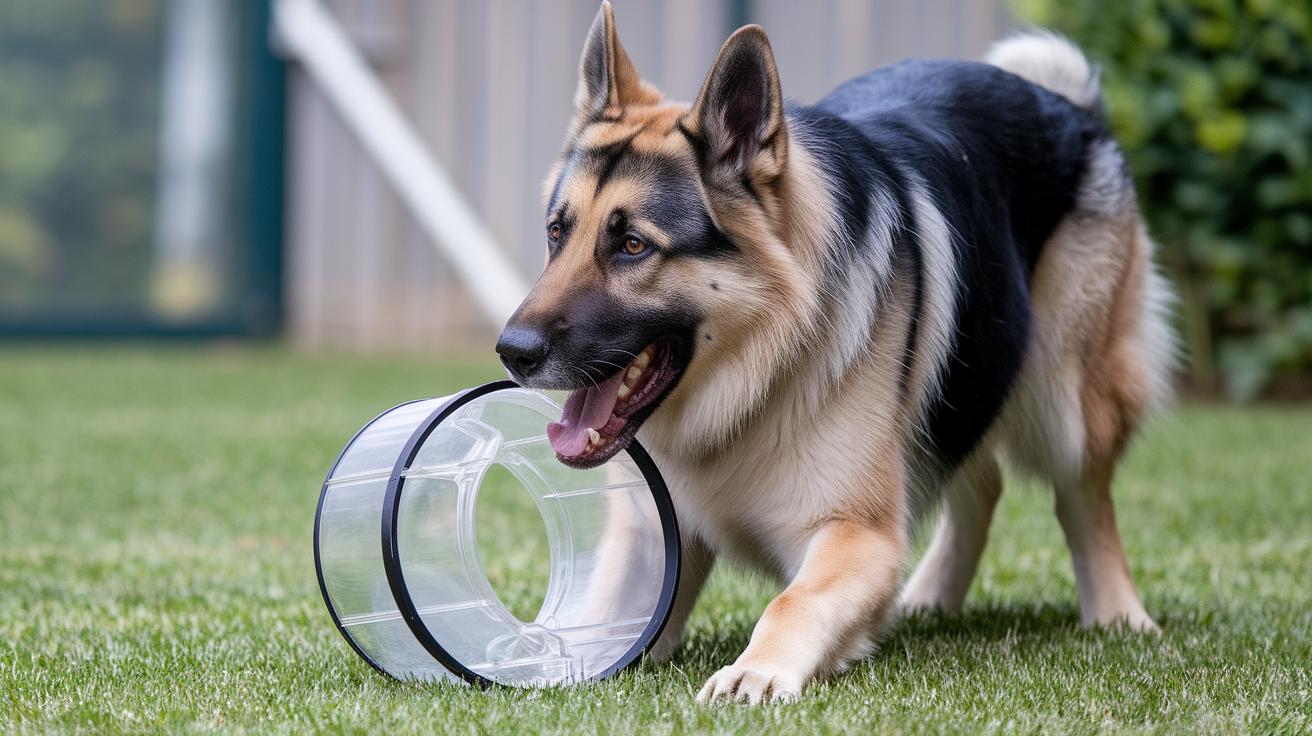
When you are picking a dog for bite work, focus on its genetics, temperament, and drive. A dog's natural focus and ability to work under stress start with good genetic traits. Many dogs used by the police lose confidence because they were not chosen for the traits that support high-intensity bite work. Even a promising dog may not perform well if it lacks the right drive or calm temperament.
For bite work, the best dogs have a mix of natural talent and good training. A dog that shows strong hunting behavior and stays calm during stressful times is easier to train for demanding situations.
- Strong prey drive
- Stable nerves under stress
- Good physical health
Choosing a dog with these qualities boosts its chances of certification success and long-term performance. When a dog is well-suited for bite work, it stays engaged during drills and in real-life situations. Picking the right dog not only builds a strong bond between pet and owner but also helps meet performance standards for bite training.
Essential Equipment Guide for Canine Bite Work Drills
Using quality gear is key to keeping your dog safe while making sure training goes as planned. Trustworthy equipment helps prevent injuries and creates a realistic setting in a controlled space. When your dog works with durable materials, it can boost confidence and keep focus high during drills. Safety and performance work together when you use gear that has been properly certified.
- Bite sleeves (made from jute or synthetic materials) give your dog a real target to work on.
- Full bite suits (jacket and pants) protect your dog during hard training sessions.
- Protective gloves and shin guards help keep you safe during close interactions.
- A sturdy utility harness and leash offer secure control over your dog's movements.
- Impact-resistant training muzzles allow safe practice of proper bite techniques.
- Reward toys or treats help encourage good behavior and mark progress.
Choose gear made from tough materials for long-term safety. Always check for certification labels to ensure the equipment meets industry standards. Regular inspections help catch signs of wear before they become a problem. Investing in top-notch gear leads to better training performance and keeps both your dog and you safe while enjoying effective, scenario-based training.
Structured Development Practices and Progress Tracking in Bite Work
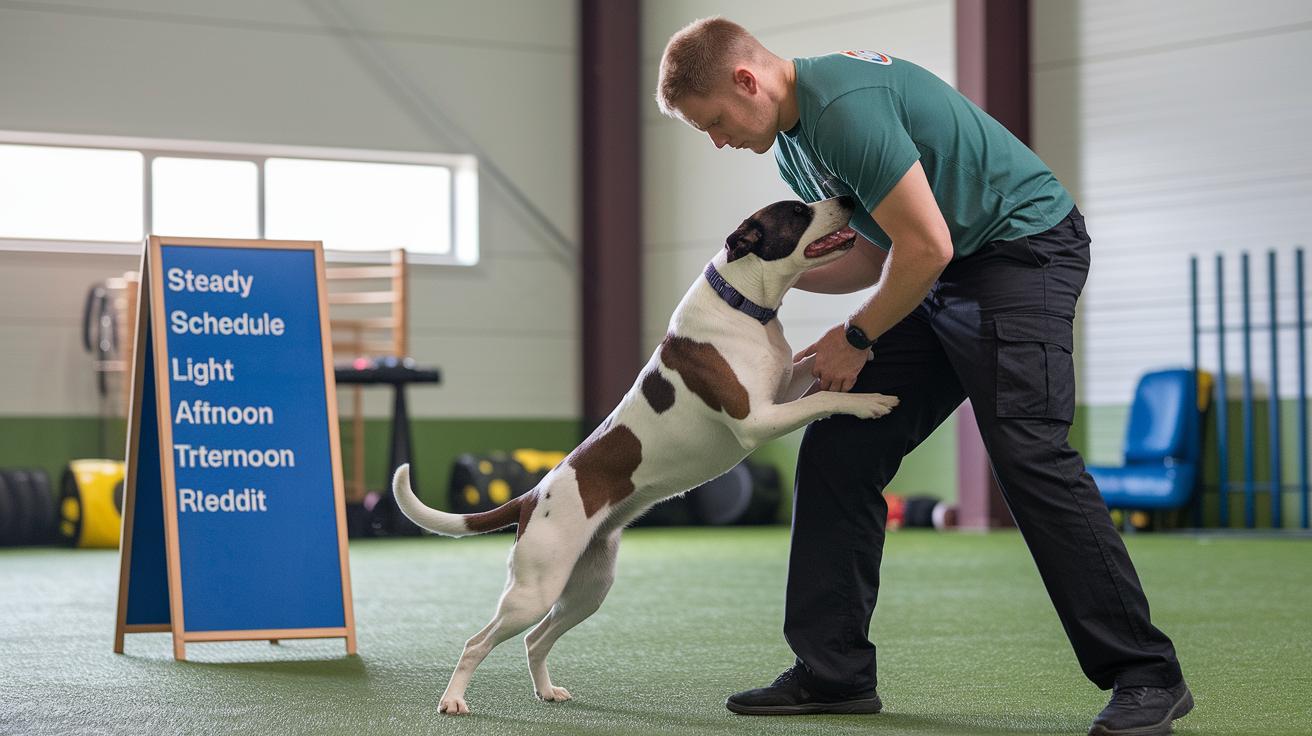
Using a set curriculum and regular session times can really boost the quality of bite work training. When you plan drills on a schedule, both you and your dog know what to expect, and every session builds your dog's confidence and control. This method works even in tough, high-pressure situations that mimic a hiding suspect or the presence of weapons. Consistent practice helps you spot small improvements, making each session count. Keeping a steady plan also eases the stress during more advanced drills. Tracking each session lets you see which exercises help most and which might need a bit of tweaking.
Session Planning Components
- Objective and success criteria
- Scenario description (location and distractions)
- Equipment checklist
- Duration and rest intervals
- Metrics to record (like bite duration and grip pressure)
Advanced Drill Techniques
- Multi-target distraction drill – In this exercise, a handler signals one target to back off while the dog focuses on another, which sharpens focus even when distractions are around.
- Weapon retention scenario – Here, the dog steps in to protect the handler’s arm under controlled pressure, building strong control and stability.
- Rapid-response speed drill – This timed drill trains the dog to move quickly and apprehend a target, which boosts reaction time and agility.
Detailed logs of each session, including bite metrics and reaction times, offer clear insights into your dog’s progress. Reviewing these records can show where extra precision training is needed. This methodical approach helps each session build on the last, leading to reliable performance under pressure while keeping engagement safe and controlled.
Safety Protocols and Legal Considerations in Canine Bite Training
A good trainer makes all the difference in bite work training. The trainer should hold proper certifications, have hands-on experience, and know emergency recall steps. This way, if things get stressful during defense drills, the handler can call the dog back quickly and safely. It is also important that the trainer and pet owner talk clearly so the dog learns exactly what to do during unexpected training drills.
- Local rules for liability and licensing
- Required insurance for both trainers and owners
- Making sure the program meets set performance standards
- Following public safety guidelines during shows
Choosing an accredited facility and experienced experts is a smart way to keep training sessions safe. Accredited programs follow strict safe practice rules and offer clear guidance on how to handle defense drills with your dog. This cuts down on risks during public displays or controlled exercises. It is a good idea to speak with a lawyer before you start any public training sessions. A lawyer can help you understand public safety rules and make sure you follow local liability codes. Always choose trainers with proven credentials and solid experience. This helps your dog learn important skills in a controlled, safe setting while keeping everyone secure.
Finding Professional Bite Work Training Programs and Certified Instructors
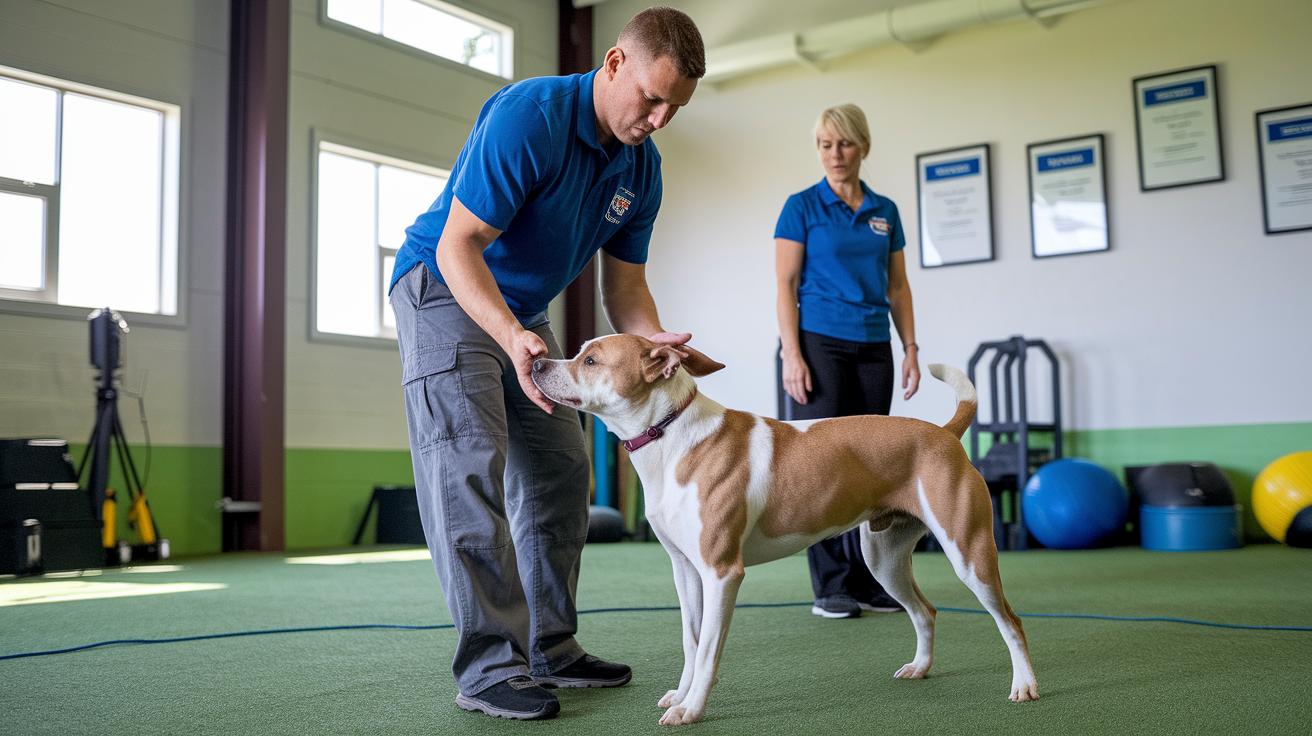
When you choose bite work training, check that the instructor is both certified and experienced. A seasoned instructor not only holds the right credentials but also uses real-life know-how to guide your dog safely. This gives you peace of mind that every session follows trusted methods and safe practices.
Look for a program that covers more than the basics of bite work. A good program should include a wide range of topics, have accreditation from reputable groups, clearly display the instructor's qualifications, and offer a comfortable and safe training space. It should also list certification details, share expert local recommendations, and provide information on nearby training centers. These features show that the training meets the high standards needed for bite work while keeping everyone safe.
If you live in regions like California or Texas, you have local options. For quick information about local programs or to book a facility tour, call (724) 320-9421.
Finally, check reviews from other local trainers and book a tour to see the training in action. This way you can hear honest opinions from fellow pet owners and be sure the program is both trusted and effective.
Final Words
in the action, this post broke down core bite work training methods. The outline revealed how to train a dog to respond to commands under pressure with structured drills, proper equipment, and safety checks.
We saw the importance of selecting the right dog and tracking progress through clear metrics. With bite work training for dogs handled step by step, you can build a safe, controlled, and confident training program. Stay positive and keep refining your teamwork.
FAQ
Where can I find bite work and protection dog training programs near me?
Bite work and protection dog training programs are available through local certified instructors and accredited training centers in areas like California, Texas, or your region. Contact local facilities for schedules and details.
What are the first steps of bite work training?
The initial steps of bite work training include teaching a dog to bite a sleeve on command, followed by drive building and establishing a release-on-cue command, forming the training foundation.
What is considered the best bite work training for dogs?
The best bite work training uses structured, scenario-based methods that improve control and decision-making, all under expert instruction, to ensure both confidence and safety during drills.
How much does bite work training cost?
Bite work training costs vary, often ranging from $500 to $2000, based on factors like program length, instructor expertise, and the type of equipment included.
What equipment is needed for dog bite training?
Essential equipment includes bite sleeves, full bite suits, protective gloves and shin guards, a robust harness and leash, impact-resistant muzzles, and high-value reward items for positive reinforcement.
Can any dog learn bite work?
Not every dog is suited for bite work. Effective bite work training requires dogs with strong prey drive, stable nerves under stress, and good overall physical health to perform consistently.
What is the average payout for a dog bite claim?
The average payout for a dog bite claim can vary widely by location and injury details. Consult a legal expert or local resource for more accurate figures in your area.
What is the hardest command to teach a dog?
Teaching the release-on-cue command is often the hardest, as it demands consistent timing and clear signals for the dog to understand when to let go.
What does the 3 second rule for dogs mean?
The 3 second rule means giving your dog three seconds to process a command before you repeat it, which helps them better understand and learn the instruction.