

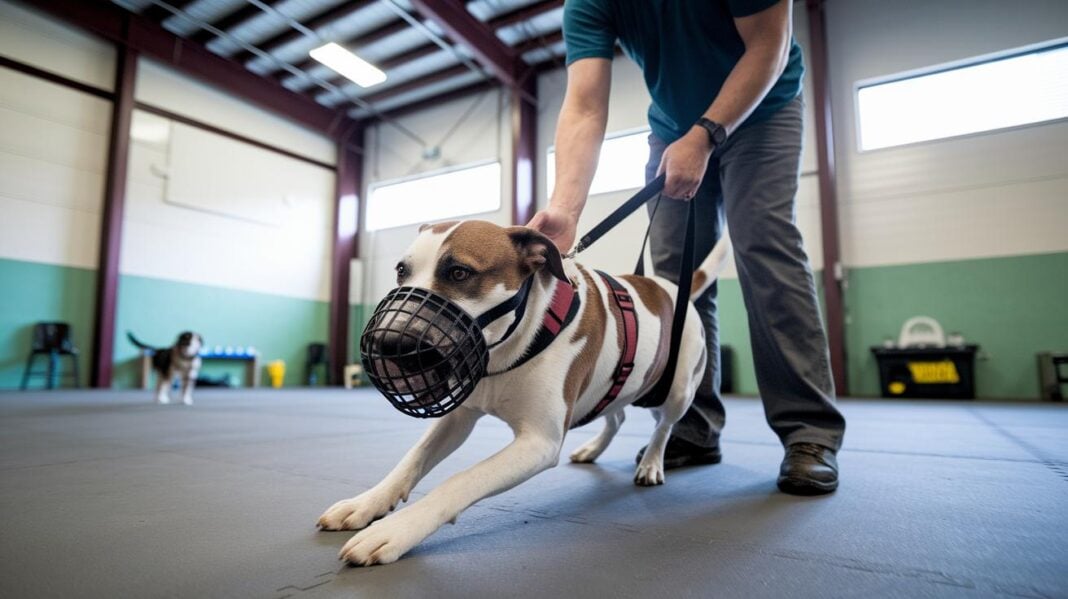

Ever wondered if bite work training could be both safe and effective? Bite work training uses your dog's natural energy and turns it into a focused skill.
Trainers use gentle, step-by-step methods so dogs learn to bite on command in a controlled setting. This method helps dogs become confident working animals while still being friendly at home.
It works for police and military dogs and also for sports like IGP/IPO and KNPV. In this post, we explore how modern bite work training uses rewards rather than punishment to achieve safe and skillful results.
Comprehensive Overview of Bite Work Training for Dogs
Bite work training helps dogs develop skills needed for police work, military duty, or activities like IGP/IPO and KNPV. These courses work with a dog's natural energy, and trainers choose dogs with the right drive while growing their abilities over many years. They teach using kind, modern methods that never rely on hitting, kicking, or power belts. Instead, they reward good actions. For example, a trainer might say, "When my dog targets and grips the sleeve on command, he is learning the proper bite technique."
This training builds balanced, social dogs. During sessions, dogs learn to bite on command while staying calm and friendly outside of training. First, they practice bite drills using items like special sleeves. If a dog gets too far on the leash, the trainer might simply turn around so the dog understands to stay close. This clear, step-by-step method helps dogs learn the right behaviors without any harsh corrections.
Bite work training focuses on the basics of bite control and guard dog discipline. It’s a careful balance where dogs use their natural instincts, and handlers manage their stress and excitement. Patience and clear communication are at the heart of this approach. The result is a controlled, thoughtful bite response that keeps training safe and effective. This modern technique not only builds talented working dogs but also ensures they behave well in public.
Essential Equipment Essentials for Bite Work Training
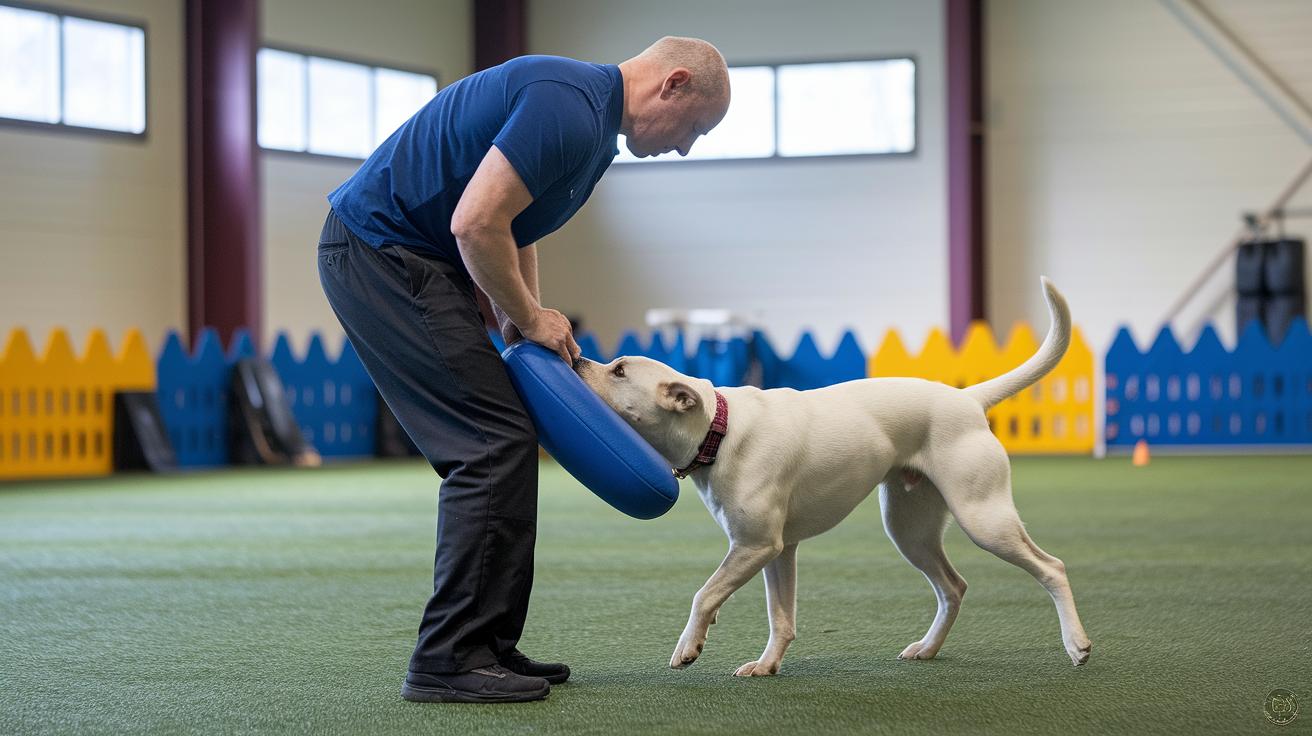
Bite work training has come a long way from using harsh tools to using better, safer gear. Trainers now use equipment that lets dogs use their natural drive in a positive way while keeping both the dog and trainer safe. A key tool is the bite sleeve. For example, a trainer might say that a bite sleeve gives the dog a safe target to practice on without any harm. This shows how clear bite sleeve instructions help create controlled and positive training sessions.
High-quality bite sleeves and full bite suits are a must for effective training. A full bite suit protects the trainer during drills, and a bite sleeve works like a soft cushion for the dog’s bite. Many trainers even follow DIY guides to customize and make their own protective gear. They often use strong materials that absorb shocks and resist tearing.
Experts recommend choosing bite gear made from quality materials that can handle heavy-duty training. This modern protective gear replaces outdated methods like power belts or hitting, allowing dogs to safely show their natural behaviors while keeping training calm and controlled.
Fundamental Bite Work Training Techniques for Dogs
Dogs learn to bite properly using clear, step-by-step drills with simple commands and built-in safety. In one drill, a trainer holds a safe sleeve and says a set command. When a dog grabs the sleeve, even with a light nip, the trainer quickly offers praise or a treat. This shows the dog that a careful bite earns rewards.
If the dog moves too fast, the trainer uses a gentle correction by turning and saying, "Wait, come back here." This quick reset teaches the dog that rushing means losing the chance to get praised and rewarded.
Training starts with rewarding a soft bite. As the dog improves, the trainer slowly asks for a firmer grip and adds a clear release word like "release." The drill is repeated until the dog gets the hang of it, and then the trainer makes the exercise a bit more challenging based on the dog's progress.
Safety always comes first. Trainers keep a calm tone, use the same commands each time, and hold short sessions to avoid overwhelming the dog. For example, a session might start at around 5 minutes and gradually get longer as the dog becomes more comfortable and controlled.
| Step | Technique |
|---|---|
| 1 | Start with a bite sleeve drill and praise a gentle bite. |
| 2 | If the dog rushes ahead, call it back to slow down. |
| 3 | Gradually ask for a firmer grip and use a release command. |
Trainers also adjust drills based on each dog's progress and always work in a safe area. This steady approach helps build better control and clearer responses every session.
Advanced Bite Control Methods and Scenario-Based Drills
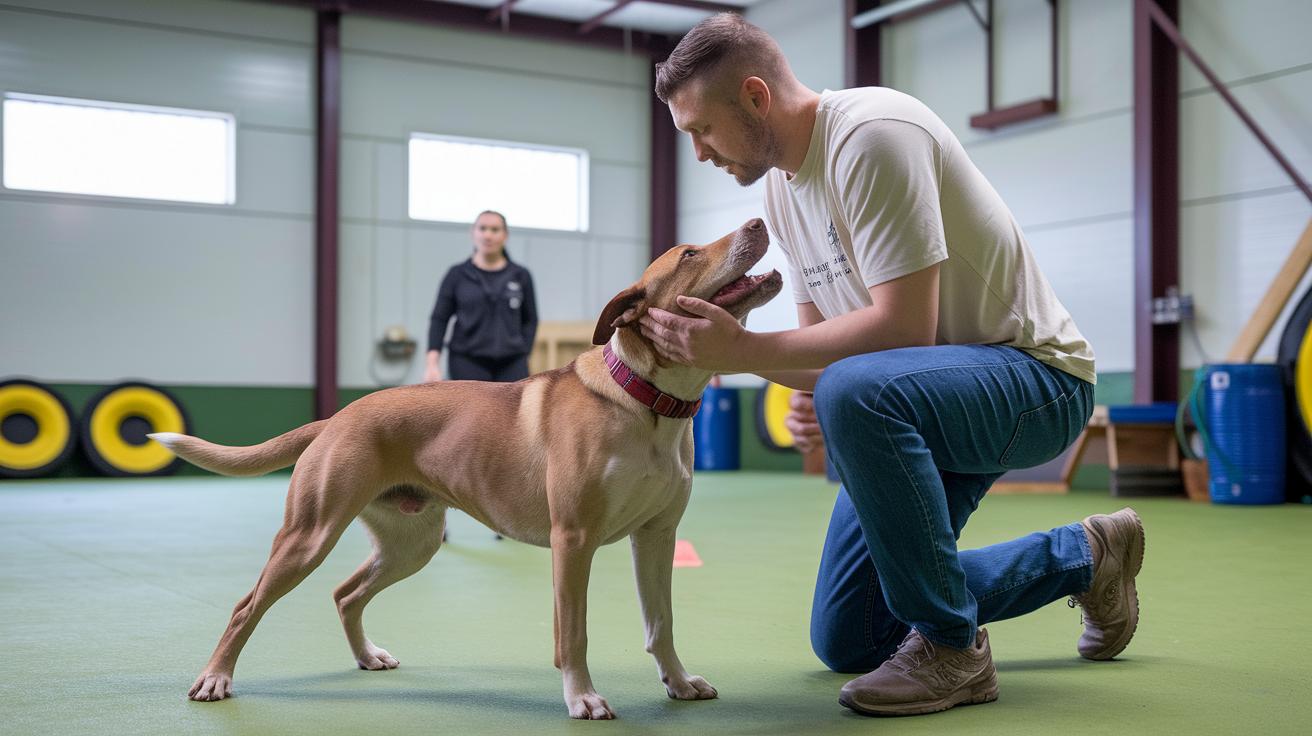
These bite control techniques help build a dog's confidence, control, and fast thinking when things get tense. Trainers use drills that mix simple commands with realistic challenges to mimic real-life surprises. For example, a drill may have the dog search for a hidden target while following quick instructions. This teaches the dog to pause, bite on command, and then let go, even with distractions around.
In one exercise, the handler gives a series of commands during a simulated operation. The dog must quickly switch from biting to coming back, which sharpens its ability to handle several cues at once. At first, the drills are done in calm settings. Gradually, trainers add sounds, flashing lights, or sudden changes to the environment so the training moves closer to real-life situations.
Another drill mimics a scenario with a weapon-bearing attacker. Here, the dog learns to tell the difference between a real threat and just a drill target by following the handler's signals. Trainers might use props that look real and add sudden changes to create a sense of urgency. If the dog acts too quickly, the trainer pauses the drill briefly to help the dog reset. This gentle reset shows the dog that it must stay focused without using harsh corrections.
Other exercises combine several commands at once, asking the dog to handle mixed signals while staying calm and precise. Trainers keep detailed records of each session, noting things like grip strength, how quickly the dog lets go, and overall response consistency. This careful tracking helps increase the dog's readiness for high-pressure situations where clear, controlled actions matter most.
Safety Precautions and Legal Considerations in Canine Bite Training
Trainers use safe methods to teach dogs bite commands while keeping everyone safe. They design programs that both allow a dog to bite on command and help it relax after. Instead of harsh physical corrections, a trainer might simply turn away when the dog gets too wound up. This gentle step works like negative punishment (taking away a pleasant outcome when the dog doesn’t follow the rules).
Family-focused training tips stress the need for clear, consistent commands and a firm release cue. Right after a dog bites, the trainer quickly gives the release command so the dog learns to let go. This controlled approach helps prevent accidental injuries during training.
Trainers also keep careful records of each training session. These notes track the dog's progress and highlight any issues that need attention. Detailed documentation supports meeting legal safety standards and shows the trainer’s commitment to community safety.
Certification, Professional Courses, and Cost Analysis for Bite Work Training
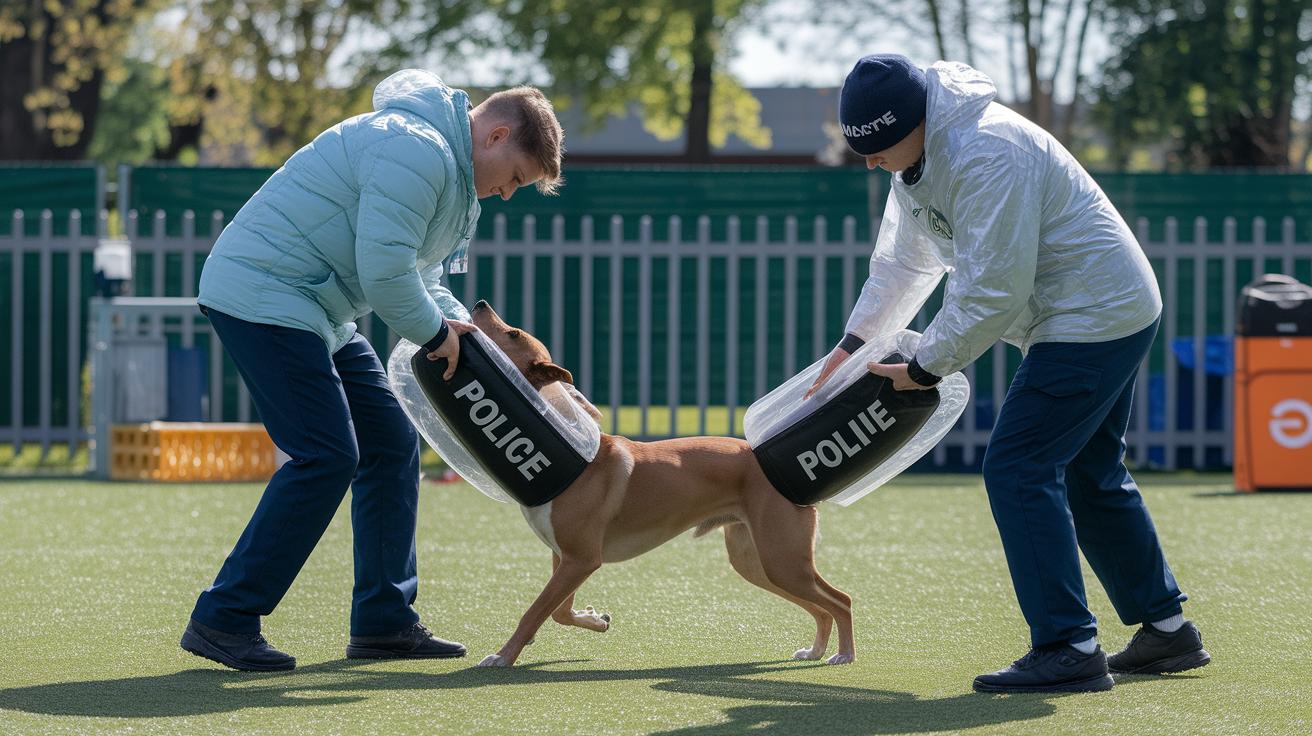
Dog bite work training certifications follow rules similar to police and military dog programs. These accredited programs focus on building your dog's drive, practicing real-life drills, and keeping both the dog and handler safe. Trainers earn the most when they learn bite techniques through hands-on practice mixed with classroom lessons. When you sign up for an accredited course in bite mastery, you get a step-by-step guide so you understand both the biting techniques and safety rules.
Many trainers shop around to compare the top courses in dog bite specialization. Often, these courses include multi-day workshops that build a strong foundation in controlled bite work. Costs can vary by course length and location. For example, a short workshop may cost between $500 and $1,500, while a year-long certification could cost from $3,000 up to $7,000.
These programs also offer clear explanations of bite work with detailed session logs and drills based on real scenarios. In addition to strong skills training, safety measures and ongoing performance checks are a key part of the courses. By looking at both what the course teaches and how much it costs, trainers can choose the program that best helps them build a safe and rewarding career in canine protection work.
Advanced Bite Control Methods
When working on advanced drills, remember that not every dog naturally holds a strong bite. If you see that the dog's grip is weak or it lets go too fast, it might be time to change the training pace or adjust rewards. For example, if a dog releases the sleeve in under one second, consider tweaking the drill a bit.
Keep track of important details during each session. Note the bite strength, how quickly the dog releases after you command it, and how it reacts when distractions are added. For instance, if a dog's grip weakens when a new distraction is introduced, slowly add that stressor while keeping control. Recording these details helps you spot small setbacks or improvements and adjust the training right away.
Real-World Case Studies and Success Stories in Bite Work Training for Dogs
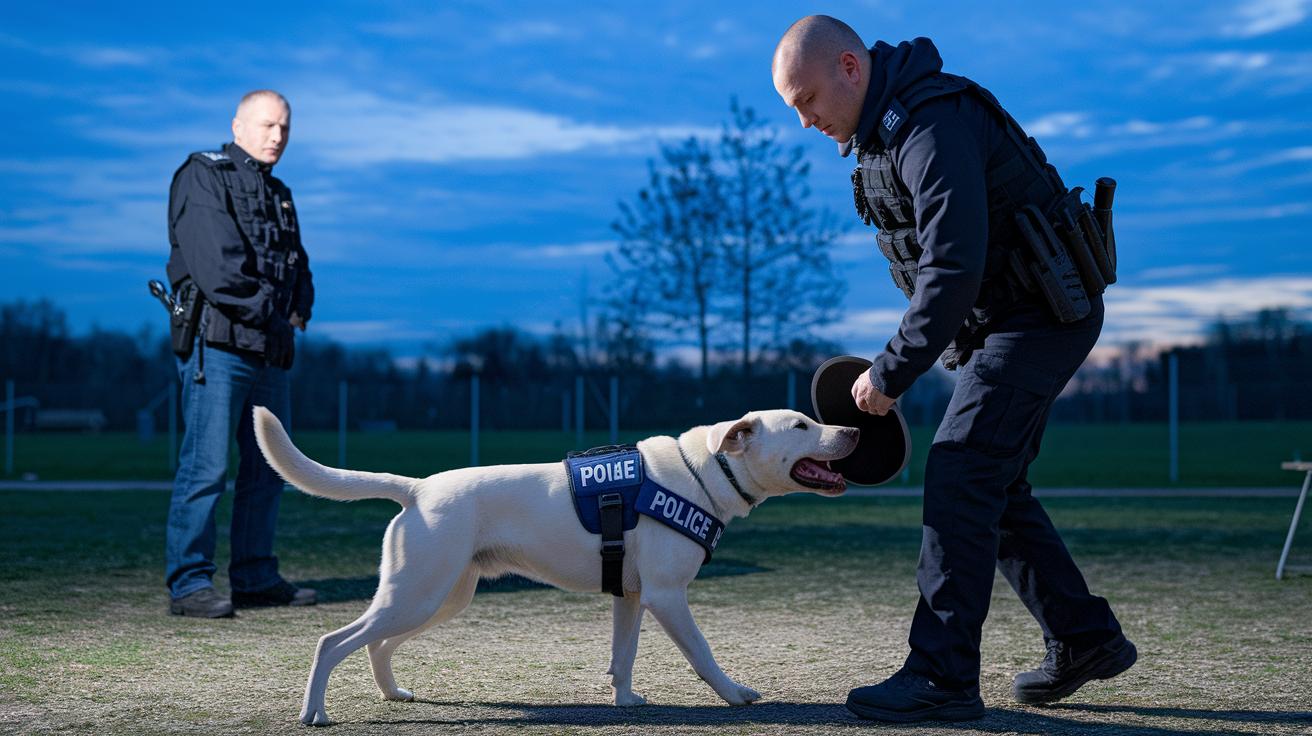
Police and military teams have proven that bite work training can turn dogs into safe and skilled partners during tough operations. One study looked at a K9 unit getting ready for high-risk situations. They used drills that looked just like real-life chaos. In these exercises, a dog learns to switch fast from a controlled bite to coming back on command when things get distracting or dangerous. One handler said, "During a drill where we pretended a suspect hid behind cover, my dog stayed focused and released on command." This shows just how effective the training is.
Military K9 programs use these methods too. They start with simple bite techniques and slowly move up to more advanced drills. Handlers keep a close eye on their dog’s reaction to stress and fine-tune commands while practicing. They even write down details like grip strength and the exact timing of the release command. This careful work helps the dog keep its bite work steady when it really counts.
Police teams develop bite work skills through real-world trials as well. One team shared that after lots of scenario training, their dog became much more reliable even under pressure. This improvement lets them work confidently in complex situations. Trainers have many stories of dogs that started off with unruly aggression but grew into reliable partners, ready for quick, safe action.
In short, blending controlled training with real-life practice helps dogs perform safe and precise bite work every time.
Final Words
In the action, we've explored how bite work training for dogs shapes skilled, controlled canines. We covered essential gear, basic drills, advanced tactics, and key safety steps. The methods shared encourage a balanced approach that builds drive and discipline. We also looked at course options, cost considerations, and case studies that show success in real-life settings. Positive practices help create confident handlers and reliable partnership with their dogs. Keep moving forward with your training, knowing you're building a safe, effective program for your pet.
FAQ
Where can I find bite work training for dogs near California, Texas, and around my area?
The bite work training near you means checking local training centers and certified instructors in California, Texas, or your region. Local directories and online reviews help find quality programs.
What is bite work training for dogs?
The bite work training for dogs teaches them to bite on command safely. This training prepares dogs for protection roles while ensuring they remain social and obedient off-duty.
What are the first steps of bite training?
The first steps of bite training involve introducing your dog to bite sleeves and simple drills. This helps them learn when and how to bite, build trust, and practice controlled grip and release.
How much does bite work training cost?
The bite work training cost can range from a few hundred dollars for short courses to several thousand dollars for full certification. Prices depend on the program and location.
What dog bite training equipment should I use?
The dog bite training equipment includes high-quality bite sleeves and protective suits. These tools let your dog practice biting safely while protecting both the dog and trainer during sessions.
What is a good option for protection dog training near me?
Protection dog training near you is available at many local specialized centers. These programs focus on bite work and obedience, ensuring your dog meets safety standards required for protection work.
What is the average payout for a dog bite claim?
The average payout for a dog bite claim depends on factors like injury severity and local laws. Claim amounts vary widely, so consult legal resources or an insurance agent for specifics in your area.
What is the hardest command to teach a dog in bite work training?
The hardest command to teach in bite work training is usually the release command. This command requires the dog to let go under pressure and takes consistent, patient training to master.
Should I teach my dog bite work?
Teaching your dog bite work depends on your training goals and your dog’s temperament. It is best done under professional guidance to ensure the training is safe, controlled, and effective.