

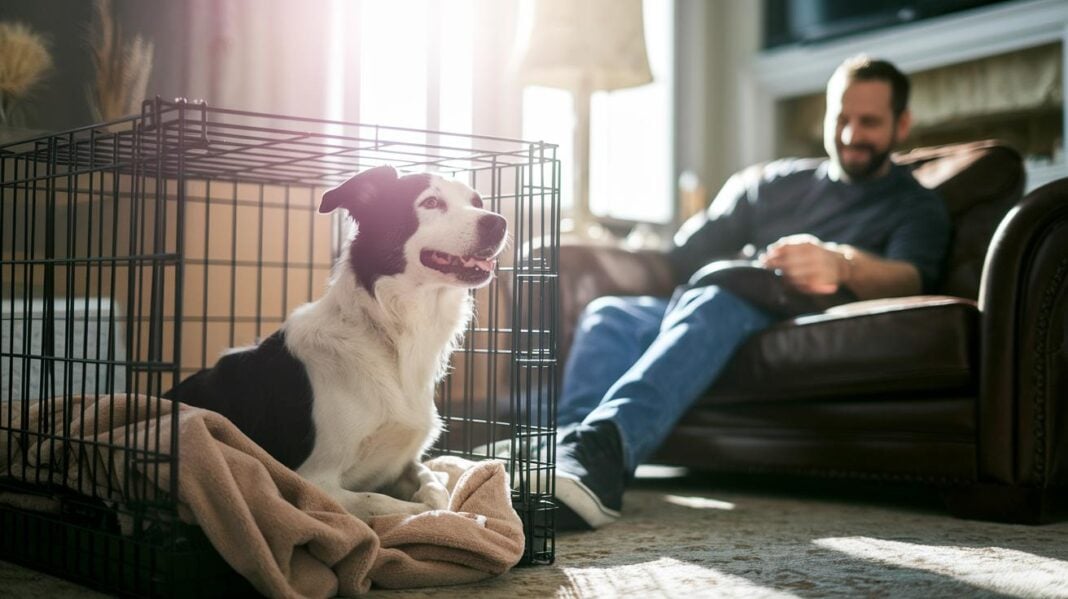

Ever wonder if a crate feels like a jail cell to your pet? Crate training actually gives your furry friend a cozy hideaway. It helps cut down on chewing, barking, and accidents inside. Your dog can learn a good routine in its own safe space. Many pet parents notice faster progress in house training and behavior when their pup has a den-like spot to call its own. This simple change can lead to a happier home for you and your pet.
Benefits of Crate Training: Happy Pet Harmony
Crate training sets a gentle routine for your dog while stopping habits like chewing and barking. It creates a snug, den-like space where your pet can relax, even in a busy home. Plus, it helps speed up house training because dogs naturally do not want to soil their own area.
When your dog has its own cozy spot, it feels secure and learns how to behave better indoors. A well-sized crate lets your pet stand, turn, and lie down comfortably without too much extra room that might invite accidents. This small change brings a sense of order that many pet parents appreciate.
| Benefit | Description |
|---|---|
| Safe, Den-Like Space | Gives your dog a secure area to relax and feel at home |
| Controls Unwanted Habits | Helps reduce destructive chewing, excessive barking, and indoor messes |
| Fast House Training | Taps into your dog’s natural instinct to keep its space clean |
| Proper Movement | Ensures there is enough room for natural movement while discouraging misuse |
| Age-Based Time Guidelines | Matches bladder control times to your dog’s age (in months plus one, up to 8–9 hours for adults) |
Real-life stories show that many dogs learn new, better habits when they have a dedicated area. One pet that once chewed on furniture now rests quietly in a crate, while another that used to bark at night finds comfort in its secure spot near the bedroom. This blend of safety and structure makes crate training a rewarding way to care for your pet every day.
Behavioral Advantages of Crate Training
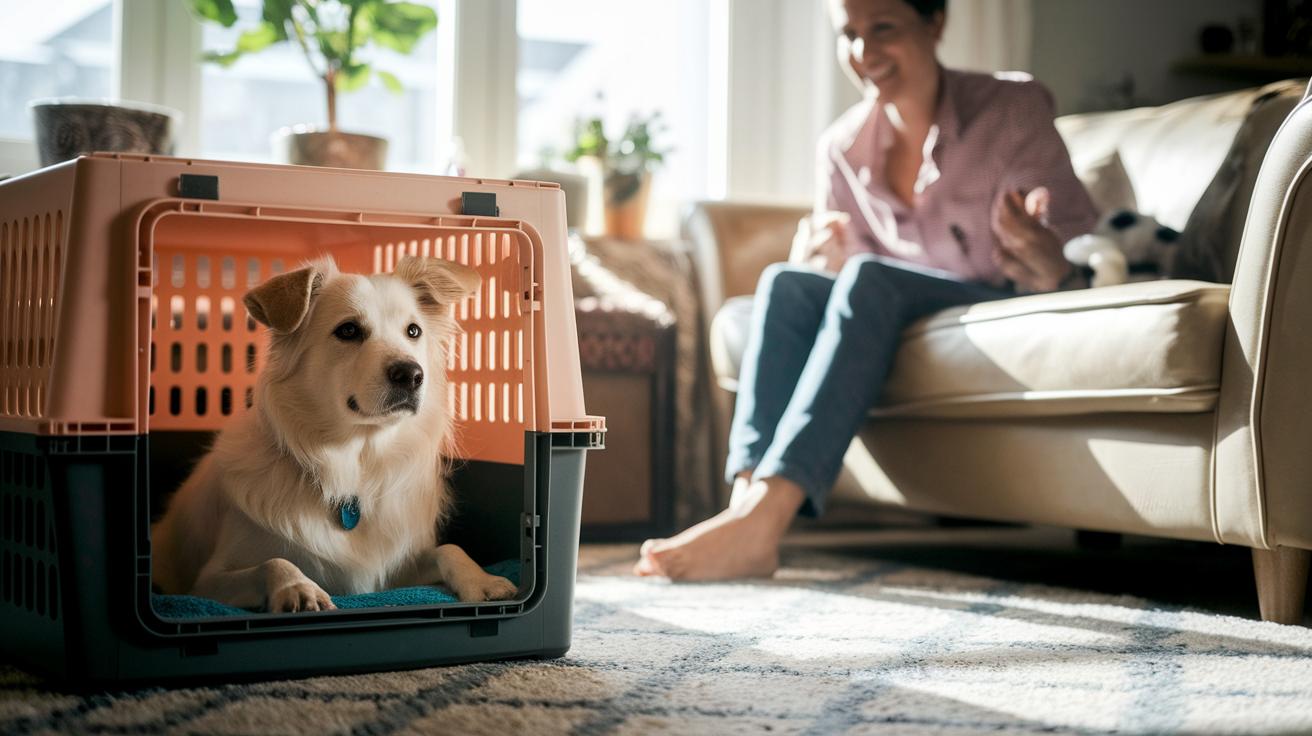
Crate training does more than keep your home neat. It helps calm your dog and guides better behavior. A crate can block your pup from getting into things that might tempt it to chew or bark a lot. Over time, your dog learns to relax on its own, even when you're not around.
Preventing Destructive Behaviors
When your dog stays in a crate, it is less likely to get into trouble like chewing furniture or having accidents indoors. For example, one Labrador stopped chewing on things once it understood that its crate was a safe haven. The crate gives your pet a quiet place to rest instead of acting out, making it easier to handle barking and chewing when you can’t watch over it.
Reducing Separation Anxiety
A crate can feel like a cozy den for your dog, making it easier to handle the feeling of being alone. Many dogs feel stressed when they are apart from their owners. A familiar crate helps ease that worry. For instance, one German Shepherd barked less at night after learning its crate was a place to feel safe. With steady introduction and routine, crate training builds your dog’s confidence and shows that being alone does not mean being lonely.
- Keeps your dog away from items that lead to destructive chewing and barking
- Supports self-soothing during moments of separation
- Helps your dog learn the difference between needing attention and having a real need to go out
- Creates a steady routine that brings more peace to your home
Safety and Practical Benefits of Crate Training
Crate training is a smart way to keep your pet safe and protect your home. A good crate stops your dog from getting into harmful chemicals, touching electrical cords, or eating something toxic. It also helps stop chewing or digging that might ruin your things. When you pick a crate that fits well, your dog gets a cozy spot to rest securely.
Crates aren’t just for the house. They are also built for travel. Many travel crates are designed so your dog touches three sides while resting, which keeps them safer on the go. At home, some crates even look like furniture. For example, furniture-style crates can double as an "End Table" that fits nicely with your decor while giving your dog a private retreat. This extra safety feature gives you peace of mind knowing your pet is secure and stylishly cared for.
| Safety Benefit | Description |
|---|---|
| Hazard Protection | Stops access to dangerous chemicals, cords, and toxic foods |
| Home Security | Reduces unsupervised chewing and damage to your belongings |
| Travel Safety | Travel crates are built so your dog touches three sides, keeping them safe |
Choosing the right crate depends on what you need. For your home, a larger or furniture-style crate might work best. If you need a crate for travel, look for a smaller, secure option that keeps your dog safe on the go.
House Training Efficiency with Crate Training
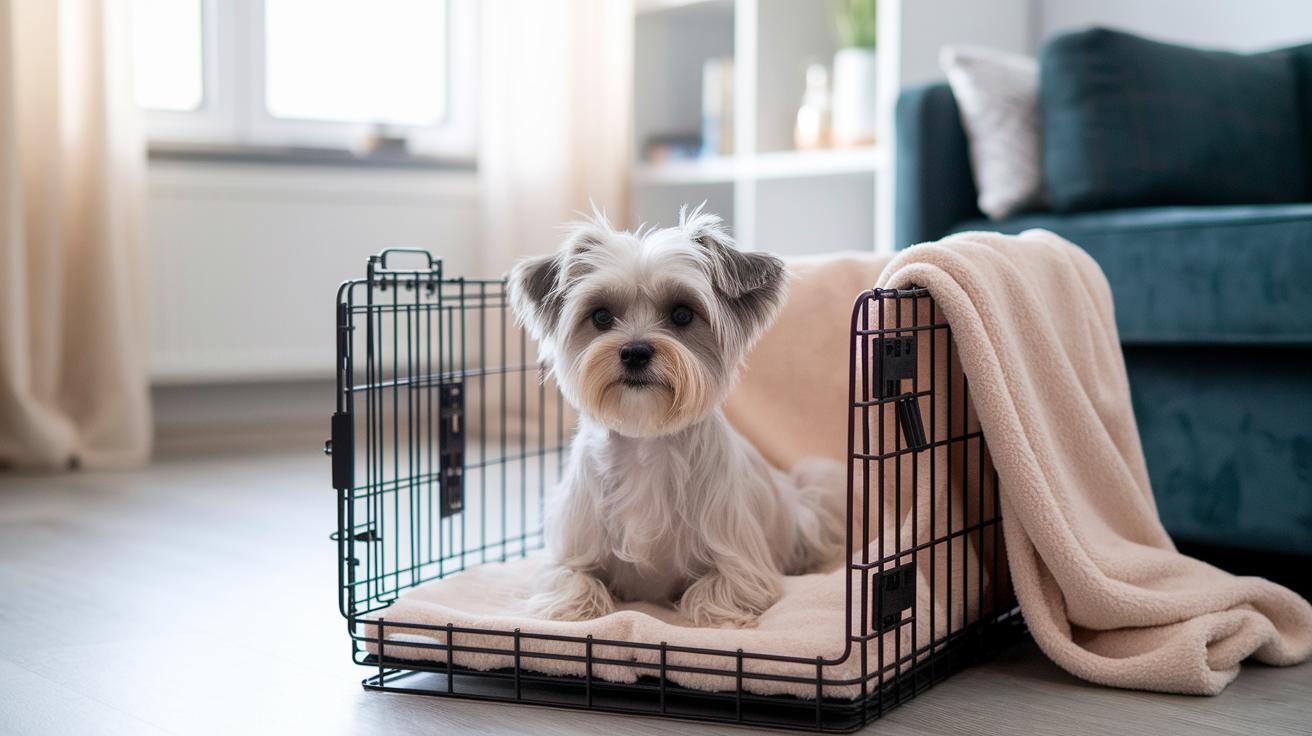
Crate training works with a dog's natural need to keep its sleeping area clean. It helps your pet learn faster by keeping them in one small space until it's time for a potty break. By following a set routine that includes feeding, playtime, crate time, and bathroom breaks, your dog quickly picks up on good habits. Over time, they learn to see the crate as a safe zone and that real signals like steady whining mean it’s time to go outside.
Start gently with short sessions of just 5 to 10 minutes. As your dog gets more comfortable and stays calm, slowly lengthen the time they spend in the crate. If your dog whines just to get attention, try to ignore it unless you’re sure they need to go out.
- Get your dog used to the crate using treats and a favorite toy for a 5-10 minute session.
- Follow a daily schedule that includes feeding, play or exercise, crate time, and a trip outside to go potty.
- Increase the time in the crate little by little as your dog shows they are relaxed.
- Only act on real signs, like sniffing or small pacing, that your dog needs a bathroom break.
| Step | Recommended Duration |
|---|---|
| Crate Introduction | 5–10 minutes |
| Routine Establishment | 10–15 minutes |
| Duration Increase | 15–20 minutes |
| Independent Holding | Age in months + 1, up to 8–9 hours (adults) |
Best Practices to Maximize Crate Training Rewards
Introduction and Positive Association
Begin by showing your pet that the crate is a safe, friendly space. Keep the crate door open and add a few treats and a favorite toy for about 5 to 10 minutes. This simple step helps your dog trust the crate. For example, you might say, "I put peanut butter treats in my dog's crate and let him explore for 10 minutes." Soon, your pet will see the crate as a welcoming little den.
Duration Progression
When your dog feels comfortable with the open crate, try closing the door for short periods while you stay near. Offer praise and the occasional treat when your dog stays calm. Start with 5 to 10 minutes, and slowly add a couple of minutes each time. This gradual approach builds trust and shows your pet that the crate remains a safe spot even if you are not right by his side.
Daily Integration
Make the crate a regular part of your dog's day. Use it for short naps during the day, quiet time in the evening, or overnight close to your bedroom. Even when you're traveling, a crate that fits well can keep your pet safe. By including the crate in daily routines, you help your dog learn that it is not a punishment, but a cozy, secure part of life.
Addressing Common Crate Training Concerns
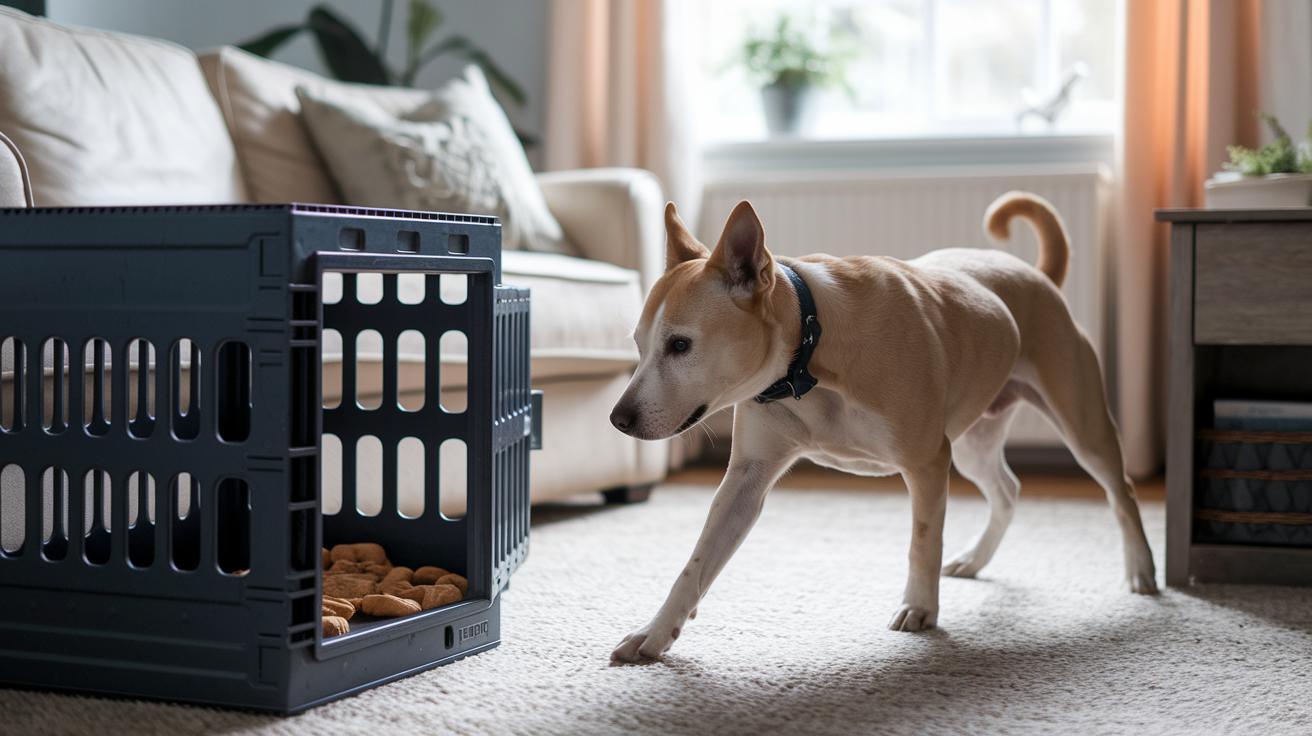
Some dogs might feel a bit nervous when they first see a crate. It’s completely normal for them to hesitate. Taking your time and offering plenty of praise and treats can make the crate seem friendly.
- Resistance to crate entry: Leave the crate door open and place your dog’s favorite toys or treats inside. This lets your dog wander in at their own pace.
- Anxiety during confinement: Keep crate sessions short and follow them with exercise, playtime, or some social time to help calm your dog.
- Crate size concerns: Check that the crate is just right so your dog can stand, turn, or lie down comfortably. A crate that is too big might lead to extra unwanted movement.
- Collars or harnesses in the crate: Take these off during crate time to prevent them from getting caught and causing problems.
A positive crate experience gives your pet a safe retreat they can rely on. By taking a caring, step-by-step approach, you help strengthen your dog’s overall well-being.
Final Words
In the action, we saw how crate training creates a structured routine, boosts safety at home, and speeds up housebreaking. The post detailed key benefits, behavioral improvements, and practical steps to help pet parents feel confident using this method. You learned to ease anxiety, prevent destructive behaviors, and provide a cozy den-like space for your dog.
Keep applying these tips and experience the benefits of crate training firsthand for a healthier, calmer pet.
FAQ
What are the benefits of crate training for dogs, at night and in general?
The benefits of crate training include creating a consistent routine that speeds up housebreaking, reduces destructive behavior, and offers a cozy, den-like space. It works well both at night and during the day.
What are the advantages and disadvantages of crate training?
The advantages include improved safety, faster potty training, and reduced anxiety, while disadvantages can arise if the crate is overused or used as punishment, which might cause stress in some dogs.
Is it cruel to crate a dog at night, including RSPCA guidelines?
The concern of cruelty is about how the crate is used. With proper breaks, exercise, and a suitably sized crate, nighttime crating is not considered cruel, as noted by RSPCA guidelines.
How can I crate train my puppy in 3 days?
The three-day method involves short, positive sessions with treats and toys. Gradually increasing the time in the crate while rewarding calm behavior helps the puppy view the crate as a safe, familiar space.
What is the 7 7 7 rule for puppies?
The 7 7 7 rule means starting with 7 minutes in the crate, then offering a 7-minute break outside, and returning for another 7 minutes. This cycle helps puppies adjust and builds a positive routine.
Do vets recommend crate training?
Vets generally recommend crate training as it supports safe behavior management, aids in housebreaking, and creates a secure resting area. They encourage using positive reinforcement and proper routines for best results.
What is a good age to start crate training?
The best age to start crate training is around 8 to 10 weeks when puppies are young and adaptable. At this age, they can easily form a positive association with the crate.
Are dogs happier sleeping in a crate?
Some dogs are happier sleeping in a crate when it is made into a comfortable, secure space. A properly sized crate can help pets feel safe and relaxed, leading to better sleep.