



Ever wonder if a simple beam of light could help your dog feel better? Laser therapy uses safe, targeted light to boost cell repair and ease pain. It also helps lower swelling. Many pet parents have seen improvements in arthritis, muscle injuries, or recovery after surgery. This treatment zeroes in on the exact spot that needs help, giving your dog more comfort and energy to play. Learn more about how laser therapy can soothe and heal your furry friend.
Laser Therapy for Dogs: Benefits, Procedure, and Safety Overview
Laser therapy, sometimes known as low-level or cold laser therapy, uses special light waves to help your dog's body heal safely and without pain. It works by sending light particles (photons) into the exact spot that needs healing. This boost helps cells repair themselves, increases blood flow, and lowers swelling and pain. Many pet owners have found this vet-approved treatment to be very helpful.
During a typical session, your vet uses modern equipment that emits red and infrared light (usually between 810 nm and 980 nm). The light energy is directed at the area that needs help. Each session lasts about 2 to 8 minutes per area, making the process quick and easy. The cold light wakes up the mitochondria (the cell's energy center) to speed up repair and support natural healing. This therapy is especially useful for arthritis, soft tissue injuries, and recovery after surgery.
Safety comes first with pet phototherapy. Vets use state-of-the-art devices to keep your dog comfortable throughout the session. Each dog gets a custom treatment plan based on its size and condition, ensuring the right amount of energy is used. Treatments in the office are carefully monitored by trained professionals who know how to handle the equipment. The devices are designed with safety features that reduce risks like overheating or too much exposure.
Always check with a licensed veterinarian before starting any new therapy. Your vet will guide you on how often to use the treatment and confirm that it is both safe and effective. Regular sessions with professional guidance help your pet improve steadily while keeping the care affordable.
Conditions Treated by Laser Therapy for Dogs

Laser therapy is a safe, non-surgical treatment that helps ease pain and speed up healing for your dog. It works by reducing swelling and boosting blood flow, which helps the body repair itself naturally. Many vets now use this treatment to help dogs feel better and recover faster from common issues.
Here are some problems that laser therapy can help with:
- Arthritis and joint pain (such as osteoarthritis or hip dysplasia)
- Soft tissue injuries (like sprains, strains, or muscle tears)
- Back pain from intervertebral disc disease (IVDD)
- Wounds and skin problems (including hot spots and slow-healing sores)
- Chronic ear infections (otitis externa)
- Recovery after surgery (it helps heal wounds and reduces scar tissue)
Your vet will adjust each session to suit your dog's needs. They might use a gentle, pulsing beam for joint pain or a slightly stronger beam for deeper muscle injuries. The treatment time and energy level are set based on your dog's size, the condition being treated, and how your dog reacts. This ensures that every session is safe and effective, helping your pet recover with little discomfort.
2 Laser Therapy for Dogs Soothes and Heals
At our clinic, we use red light treatments guided by veterinary protocols. Most dogs get 2 to 3 sessions each week for 4 to 6 weeks. One pet owner shared, "After only a few sessions, my dog seemed more comfortable and lively on walks."
Each laser session lasts between 2 and 8 minutes for each treatment spot. The exact time depends on the laser’s power and the dog’s size. We use Class IIIb or IV lasers with red (660 nm) and infrared (810 nm) settings. This lets us adjust the energy safely for each dog. A small area like a joint might take only a few minutes, while larger, inflamed spots may need a bit more time.
Every treatment plan is tailored based on a dog’s weight, age, and how severe their condition is. Many clinics even offer same-day appointments so you can start treatment right away. This careful planning ensures that each session is safe, effective, and designed to help your dog heal faster.
Experts say that following these treatment plans can greatly improve a dog's quality of life, especially for those dealing with chronic pain or recovering from surgery. With careful monitoring and adjustments, laser therapy gives your pet a gentle boost toward a more comfortable, active life.
Comparing At-Home Laser Therapy Devices for Dogs: Costs and Features
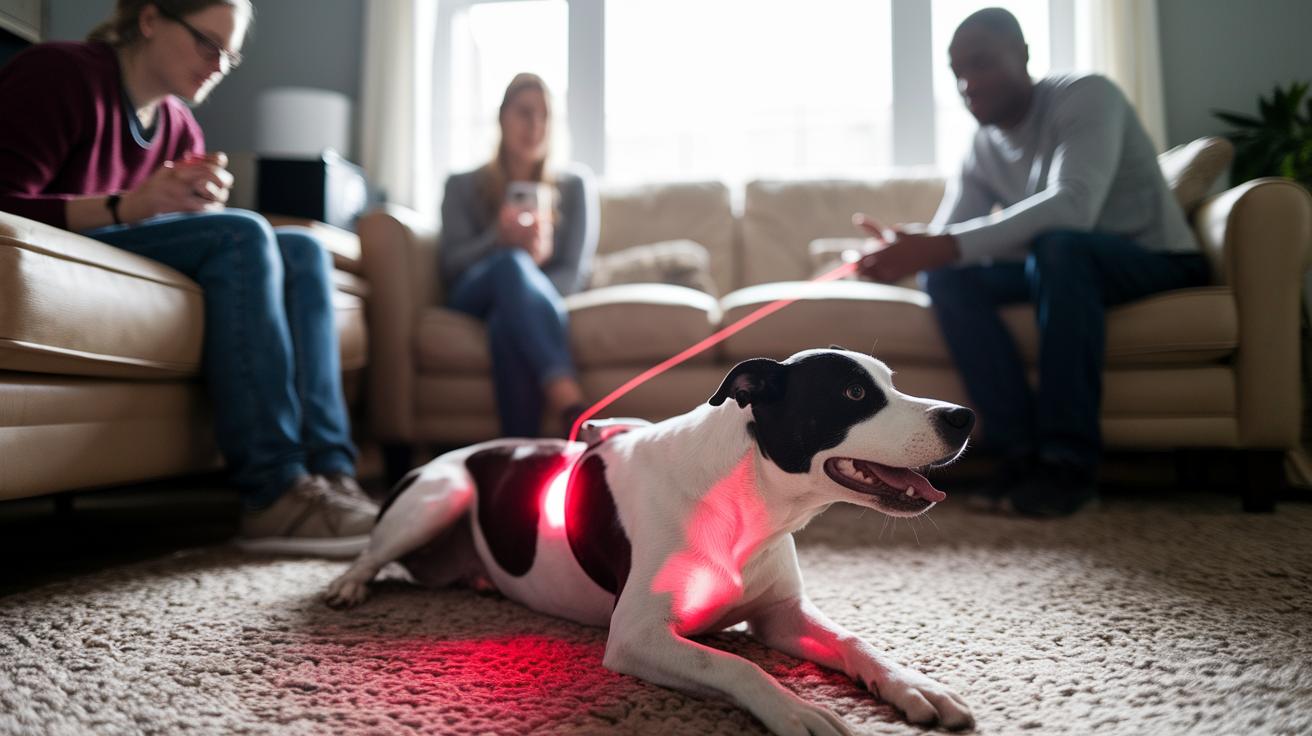
Using at-home laser therapy devices is an easy way to give your dog extra care in the comfort of your home. These devices come in many price ranges and offer different features so you can choose one that fits your dog's needs. They use red and infrared light and let you choose between steady or pulsed light modes. Many models are safe and even have vet approval to meet high standards.
These options are laid out in the table below. Prices run from about $200 to $2,000. Whether you need a simple, budget-friendly unit or a high-end machine with advanced settings, you can find the right match. They also vary in portability and ease of use, making it simple to pick the best mix of performance and convenience.
This side-by-side guide makes it easier to decide which device fits your budget and meets your dog's treatment needs.
| Device Name | Price Range | Key Features |
|---|---|---|
| My Pet Laser | $800 – $1,200 | Red/Infrared; Continuous mode; Portable; Vet-approved |
| B-Cure Laser Vet Pro | $500 – $700 | Red/Infrared; Pulsed and Continuous modes; Compact; Trusted by vets |
| TerraQuant TQ Solo | $1,500 – $2,000 | Red/Infrared; Combines laser, infrared, and magnetic fields; Advanced settings |
| Dog Med Laser | $300 – $500 | Red/Infrared; Made for dogs; Easy-to-use; Budget-friendly |
| Worx LumaPet | $200 – $400 | Red/Infrared; Beginner-friendly; Affordable; Compact portable design |
Best Practices for Safe Home Use of Laser Therapy on Dogs
Using a home laser device can help ease your dog's pain if you follow safe steps. First, set up a quiet spot where your pet feels comfortable. Both you and your dog should wear safety glasses during treatment. This simple measure keeps eyes safe if the laser drifts off course.
Here are easy guidelines to follow:
- Wear protective eyewear for both you and your dog; never point the laser at eyes.
- Keep the device about 0.5 to 2 cm (0.2 to 0.8 inches) away from the skin and limit treatment to 60 to 90 seconds per spot.
- Move the laser slowly and evenly so no single area overheats.
- Read the manufacturer's instructions and check the settings with your veterinarian before you begin.
- Do not use the laser on suspicious growths, on the growing areas of puppies, or over soft spots on the head.
By taking these safety measures, you help ensure your dog enjoys the calming, pain-relieving benefits of laser therapy without any risks.
Risks, Side Effects, and Contraindications of Laser Therapy in Dogs

Laser therapy can be a great help to your dog, but it may come with a few mild side effects. After treatment, you might notice a little redness or a warm feeling where the light was applied. Sometimes with sudden injuries, your dog may feel a brief burst of pain following the session. In rare cases, burns can happen if the laser is held in one spot too long or if it is set too high. Most of these effects are light and go away quickly when the treatment is done by a licensed vet in a safe clinic.
It is very important to follow safety tips for using low-level lasers on dogs. Do not use laser therapy on areas with cancerous growths, directly over the eyes, on a pregnant belly, near the thyroid gland, or where there is active bleeding. Always get approval from a licensed veterinarian before starting the procedure. Your dog's health and safety always come first.
Case Studies and Testimonials on Laser Therapy for Dogs
Real-life examples show that laser therapy can really help dogs feel more comfortable. One case involved an 8-year-old Labrador with osteoarthritis that started taking more easy steps. After 6 weeks of regular treatment, the dog moved with about 40% more ease.
Another story features a bulldog recovering from abdominal surgery. With laser therapy, the wound healed 30% faster than expected, and there was less scar tissue. One pet owner shared, "My dog's limp disappeared after just three treatments," and this helped the dog return to everyday activities.
Veterinarians have also noticed good results. One expert mentioned that regular light therapy treatments have allowed some dogs to cut their need for pain medicines (NSAIDs) in half. This means fewer medicines and more natural healing.
Each treatment plan is built to meet a dog's needs. Clinics adjust how strong the light is and how long each session lasts. This helps reduce inflammation and pain while supporting the body’s natural healing power.
Overall, these case studies show that laser therapy can ease discomfort and improve the quality of life for many dogs.
Final Words
In the action, we covered how laser therapy for dogs works, from its light-based healing benefits to the key safety tips for home use.
We walked through the treatment steps, looked at notable cases, and compared at-home devices with vet protocols.
The blog helped explain how low-level laser use can ease pain, boost healing, and support recovery.
The clear tips and real examples give pet owners a practical look at safe, vet-approved care.
Here’s to making healthy, happy choices for your furry friend.
FAQ
What does laser therapy for dogs near me mean?
Searching for laser therapy near you means finding a certified veterinary clinic that offers photobiomodulation treatment. Ask your local vet or check online directories for nearby specialists.
What does laser therapy for dogs at home involve, and can I give it safely?
Laser therapy at home uses a vet-approved device according to safety guidelines. Ask your veterinarian about the best device and training to ensure safe, effective treatment for your dog.
What is a laser therapy machine for dogs?
A laser therapy machine for dogs is a device that emits red and infrared light to promote cellular repair. These machines are intended for both veterinary applications and approved home use.
What does laser therapy for dogs cost?
Laser therapy prices vary. In-office sessions and at-home devices can range from a few hundred dollars to several thousand dollars, depending on treatment frequency and device features.
What are the side effects of laser therapy for dogs?
Laser therapy side effects in dogs can include temporary redness, mild warmth, or a brief pain flare. Rare burns may occur if the device is misused; always follow professional advice.
What do discussions on laser therapy for dogs on Reddit reveal?
Reddit discussions on canine laser therapy often highlight personal experiences with improved mobility and pain relief. Many owners report positive results when using the treatment under veterinary guidance.
What is the recommended frequency for laser therapy sessions in dogs?
Laser therapy for dogs usually involves 2–3 sessions per week. The exact schedule depends on the condition and is adjusted by veterinarians based on progress and dog size.
Does laser therapy really work for dogs?
Laser therapy works by stimulating cellular repair, reducing inflammation, and easing pain. Many pet owners and veterinarians confirm improved mobility and quicker healing with consistent treatment.