



Have you ever thought that a temporary home might truly change a pet's life? Pet fostering might seem simple, but it can brighten a pet's world, and even yours. In this post, we share clear and caring tips on setting up a safe, welcoming space. We'll explain how to get your home ready and pick the right pet for short-term care. Whether you're just starting out or have foster experience, these steps will help create a happy stay for both you and your furry friend.
Key pet foster care tips for successful temporary guardianship
Before you join a pet shelter network, it's amazing to learn that one simple phone call can change a pet's life, and even yours. Start by looking up local shelters and rescue groups to find a match that fits your lifestyle. Many of these places offer short-term fostering. This lets you try it out without a long commitment while you learn what caring for a pet really means.
Make a list of what your home needs to have for fostering. For instance, check that you have a safe outdoor area, like a private, fenced yard, and that your schedule allows for proper pet care. Here are some simple steps to follow:
- Call a few local shelters to compare their fostering rules.
- Ask about foster options that fit your home's layout.
- Get ready with essentials like food and any needed pet records.
Many experts suggest starting with adult or senior animals since they are often easier to care for than puppies. Adult pets may need some extra love and a comfortable crate or warm bed, but they usually have established routines that help ease the transition.
Short-term fostering is a great way to see if you’re ready for a more permanent role. It lets you try pet fostering without being overwhelmed by the demands of a younger pet. Stay in touch with shelter staff, they can offer advice and support along the way.
The secret to success is mixing careful home preparation with smart choices. Picture a safe, calm, and organized space that meets a pet’s basic needs and helps build trust, setting the stage for a happy future even if it’s not forever.
Preparing your home for pet foster care

Your home should be a safe, warm place for your foster pet. Start by collecting the basics and moving away any hazards. This helps lower stress for both your foster and resident pets, making it easier for them to adjust.
Essential Supplies
Here is a list of must-have items:
- Comfortable bedding
- A crate or baby gate
- Feeding bowls
- Leash and collar
- A grooming kit (brushes and comb)
- Enrichment toys
- Cleaning supplies
These supplies give your foster pet a clear space for meals, rest, and play. Try to keep these items in one area so that each zone meets a specific need without mixing with the supplies of your other pets.
Pet-Proofing Your Space
Follow these steps to create a safe area:
- Remove or move any toxic plants and dangerous items.
- Tie up loose electrical cords to stop your pet from chewing them.
- Lock cabinets that hold cleaning chemicals or sharp objects.
- Use gates or barriers to block off unsafe areas.
- Set up separate zones for play, eating, and resting to help reduce any tension between pets.
By focusing on the right supplies and taking pet-proofing steps, you can turn your home into a calm, secure haven for your temporary furry guest.
Nutrition and health protocols for foster pets
Foster pets, especially those who have gone through tough times, need a wholesome diet to bounce back. A balanced meal that mixes proteins, vitamins, and key minerals helps them build strength and recover faster. For instance, try offering a blend of good-quality store-bought food and vet-approved homemade meals. This simple switch can boost their energy and overall health.
It’s also important to stick to a schedule for health checks. Once your foster pet is home, set up regular visits for vaccinations, dental check-ups, and general wellness. These routine appointments help spot any problems early and let your pet slowly adjust to their new home. Your vet can also guide you if the diet or exercise needs changing.
Keep an eye on small changes too. If you notice a dip in weight or energy, it might be a sign they need a little extra care. Combining thoughtful meal plans with regular vet visits sets your temporary friend on a path to a brighter, healthier future.
Behavioral training and socialization in pet foster care

Once your foster pet feels at home, give them a little quiet time to relax before you start any training. Watch your pet’s body language and mood to see if they are ready to learn. Begin with simple commands like sit, stay, and learning good leash manners. Positive reinforcement means giving a treat or a kind word when your pet does it right. For example, say "Good job!" and offer a small treat when your foster dog sits on command.
When your pet meets new people or other animals, keep introductions gradual. Start on neutral ground, a calm walk on a quiet sidewalk or a brief stop in the backyard works well. This slow approach helps your pet feel safe and builds confidence.
Keep an eye out for accidents or signs of nervousness. If your foster pet has an accident, clean it up calmly and gently continue your training. If they seem unsure during a new meeting, take a short break and try again later.
Following these steps helps you understand your pet’s signals and build trust. Give your pet time to adjust, and a kind, patient approach will set the stage for lasting, positive behaviors during your fostering journey.
Bonding and emotional support in pet foster care
Connecting deeply with your foster pet is key to helping them feel safe and loved. Notice and celebrate little wins, like when they eat well, obey a simple command, or play with a favorite toy. Each small milestone builds their confidence and shows them that they are making progress.
Spend time together with gentle petting and a calm, kind voice. Create a cozy space with soft bedding and familiar items, such as an old sweater or blanket. These simple comforts help lower anxiety and give your pet a sense of security.
Set up a regular routine that includes quiet time and soothing interactions. For example, notice how your pet relaxes when you speak softly and offer a gentle caress. This consistent care helps your pet feel at home.
By giving steady, loving attention, you reduce stress and build trust. This caring approach makes the transition smoother for both you and your pet, and it shows your commitment to their well-being every single day.
Transition strategies for foster pets to permanent homes
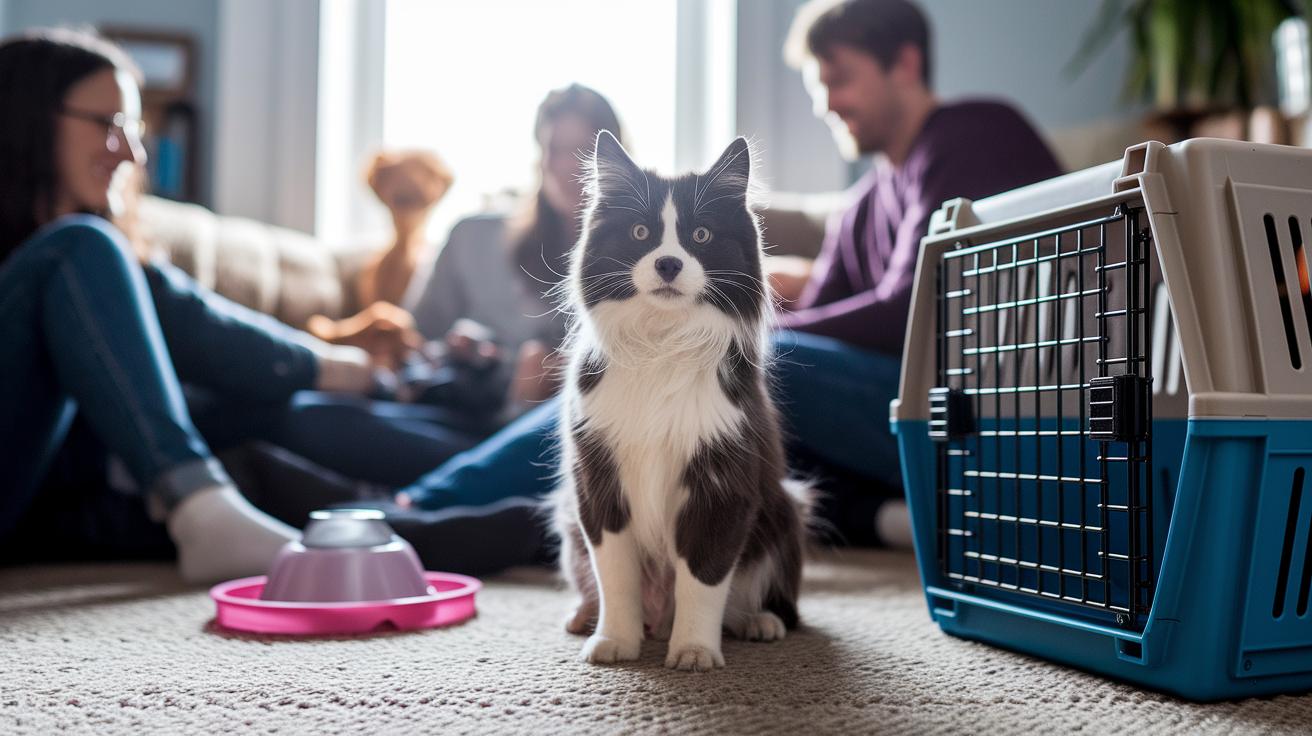
Keep your pet's daily routine the same as before. If your foster pet already loves its crate and follows a set feeding time, stick with those habits. Think of it like reading a bedtime story to a child, a steady routine helps your pet feel safe and welcome.
Make a simple record of your pet’s health and behavior. Write down what you notice each day, like how energetic they are or if they learn a new trick. For example, you might note, "On Tuesday, Rex calmly greeted a visitor." This kind of note shows the pet is making progress.
Take clear, quality photos and share updates on social media. Doing so not only tracks your pet’s development but also sparks interest from families looking to adopt. Also, consider joining at least one local adoption event each month to introduce your pet to a wider audience.
- Stick with the same daily routine
- Write down important health and behavior details
- Snap clear photos to share online
- Join local adoption events
Using these steps can help your foster pet smoothly settle into their forever home.
Final Words
In the action, we covered key steps for making pet foster care work. We explored preparing your home with must-have supplies and safe spaces. We discussed nutrition, timely health checks, and gentle behavioral training that builds trust. We also touched on socializing foster pets and easing their transition to permanent homes. Each section provides practical, pet foster care tips to help foster animals thrive while giving temporary guardianship a smooth flow. Every tip helps keep our four-legged friends healthy, safe, and happy.
FAQ
Q: What do online communities say about being a good pet foster?
A: Online voices share that good pet fostering means preparing your home, having realistic expectations, and following basic care routines. Many suggest learning from shared tips and stories for smoother temporary care.
Q: What should I know about temporary dog foster care?
A: Temporary dog foster care involves providing a short-term home for a dog. It lets you ease into pet fostering without long-term commitment while offering the animal a safe, nurturing space.
Q: What are common reasons people stop fostering dogs?
A: Many people stop fostering because they find the emotional toll and care challenges overwhelming. Balancing time, unexpected behavior issues, and attachment can lead to ending a foster care experience.
Q: What are the pros and cons of fostering a dog?
A: Fostering dogs can be personally rewarding by saving lives and learning about pet care. However, it may also bring extra responsibility, potential costs, and emotional ups and downs with temporary bonds.
Q: How can I find dog foster programs near me?
A: You can find local dog foster programs by checking with nearby animal shelters, rescue groups, or your veterinarian. Online directories and community groups also list available foster opportunities.
Q: How much does it cost to foster a dog for a week?
A: Fostering a dog often has low costs since many shelters help cover expenses. Still, you might need to budget for food, supplies, and any extra care items during your week of fostering.
Q: What advice is there for fostering a puppy for the first time?
A: Fostering a puppy requires extra attention to training, socialization, and safety. Beginners might find starting with an adult dog easier, but if you try a puppy, be ready for more hands-on care.
Q: What is the 3 3 3 rule for foster dogs?
A: The 3 3 3 rule is a guideline suggesting three weeks for adjustment, three days to observe behavior, and three follow-up evaluations to gauge the dog’s stability. Check with your program for details.
Q: What should I avoid doing when fostering a dog?
A: Do not rush introductions or ignore consistent routines. Avoid forcing interactions or training sessions too soon, as these can stress the dog. Safety and gradual acclimation are key for a positive foster care experience.
Q: What is the hardest part of fostering dogs?
A: The toughest aspect is often managing emotional attachments and unpredictable behavior. Saying goodbye when it’s time for the dog to move on can be especially challenging for many foster caregivers.