


Have you ever wondered if ditching grains can help your pet feel better? More pet owners are picking grain-free diets that use ingredients like peas and potatoes instead of common grains. These diets are full of animal proteins, oils, and key vitamins that give your pet a quick burst of energy. However, because these foods digest fast, your pet might feel hungry sooner if the portions aren’t just right. In this post, we explain the benefits and some possible downsides of grain-free pet food so you can choose what’s best for your furry friend.
Grain-Free Nutrition Overview: Composition, Benefits & Drawbacks
Grain-free pet food is made without common grains such as wheat, corn, rice, barley, oats, or rye. Instead, these foods use ingredients like peas, lentils, potatoes, and sweet potatoes to provide energy in the form of carbohydrates. These alternatives usually have less fiber than grains, so food moves through the system faster. This quick digestion may mean your pet doesn’t feel as full and could eat a bit more if portions aren’t carefully managed.
The main protein in grain-free diets often comes from animal sources like beef, chicken, or fish. These proteins are important because they supply the amino acids needed for tissue repair and growth. In addition, these diets usually include healthy fats from fish oil and plant oils, which offer omega fatty acids that help maintain a shiny coat, healthy skin, and proper cell function.
Many grain-free foods also contain vitamins like A, D, E, and B-complex along with minerals such as calcium, phosphorus, iron, and zinc. Vitamins help your pet’s body perform essential functions, while minerals work to keep bones strong and organs running well. Interestingly, although cereals naturally provide fiber and protein, fewer than 1% of dogs actually have grain allergies.
Research shows that grains themselves do not cause obesity. Carbohydrates from grains can help lessen hunger by saving proteins for the body’s repair work. However, the FDA has looked into a possible connection between diets high in peas, lentils, and potatoes and a heart condition in dogs called dilated cardiomyopathy (DCM). This means it’s important to choose a diet with a balanced mix of nutrients to support overall health.
Before you switch to a grain-free diet, make sure the formula meets nutritional standards and check with your veterinarian. They can help you decide if this diet is the right choice for your pet’s unique needs.
Protein & Amino Acid Profile in Grain-Free Pet Food
Most grain-free pet foods rely on animal proteins like beef, chicken, and fish. These protein sources are similar to what wild dogs would eat. Meat even contains muscle glycogen (a form of stored carbohydrate that gives energy during play) to help fuel your pet when they are active. Producers also follow AAFCO guidelines to include the essential amino acids that repair tissues and help with growth.
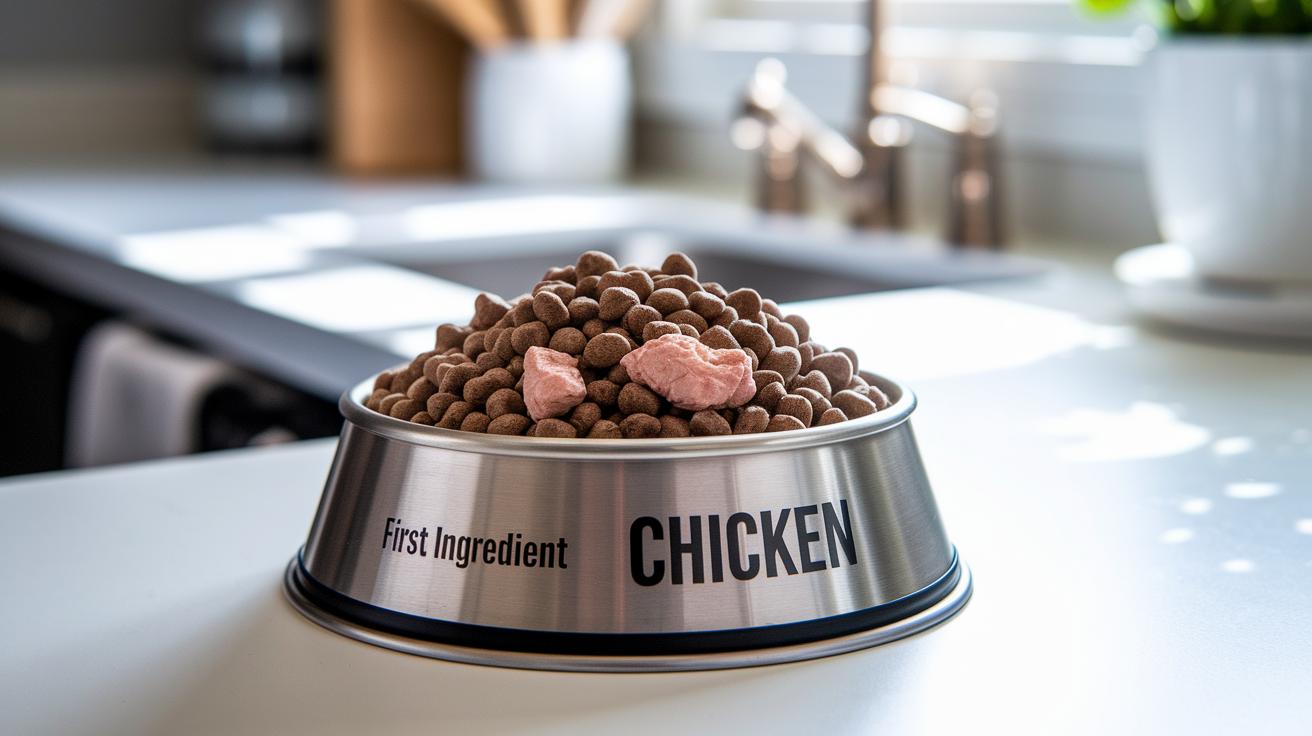
Good quality grain-free formulas list meat as the first ingredient. When you glance at a label and see "Chicken" at the top, it’s like having a strong foundation for a building. This prioritizes bioavailable protein, meaning your pet easily gets the balanced mix of amino acids needed for healing and maintaining healthy muscles.
Key points for a quality protein profile include:
- High levels of animal-derived protein that mirror natural diets
- Muscle glycogen for extra energy during play
- Compliance with AAFCO guidelines for essential amino acids to support tissue repair and growth
Focusing on animal protein lets grain-free diets meet your pet's nutritional needs without relying on cereal grains. Clear protein guidelines on labels help you be sure the food meets daily nutritional requirements, keeping your pet strong and healthy.
Fatty Acids & Omega Profile in Grain-Free Pet Food
Grain-free pet foods use a mix of fats to boost your pet's health. Many formulas add fish oil and flaxseed to provide omega-3 fats (EPA and DHA), which help keep your pet's coat shiny, brain sharp, and immune system strong. They also include omega-6 fats to keep skin moist and support cell repair. Pet food makers aim for an omega-6 to omega-3 ratio between 5:1 and 10:1 to balance the nutrients.
They combine plant oils with animal fats so your pet gets benefits both inside and out. This balanced approach can lower inflammation, support brain power, and keep your pet active throughout the day. Fish oil supplies easily absorbed omega-3s, while flaxseed adds extra fiber and nutrients.
These healthy fats are key for maintaining tissue health, helping with recovery, and even improving brain function in active pets. Look at the label to be sure these good oils are included. A well-made grain-free diet mixes animal and plant sources to give a full range of omega benefits. Choosing the right formula means your pet gets better energy, smoother mobility, and strong overall support.
Carbohydrate Alternatives & Fiber in Grain-Free Pet Food Formulas
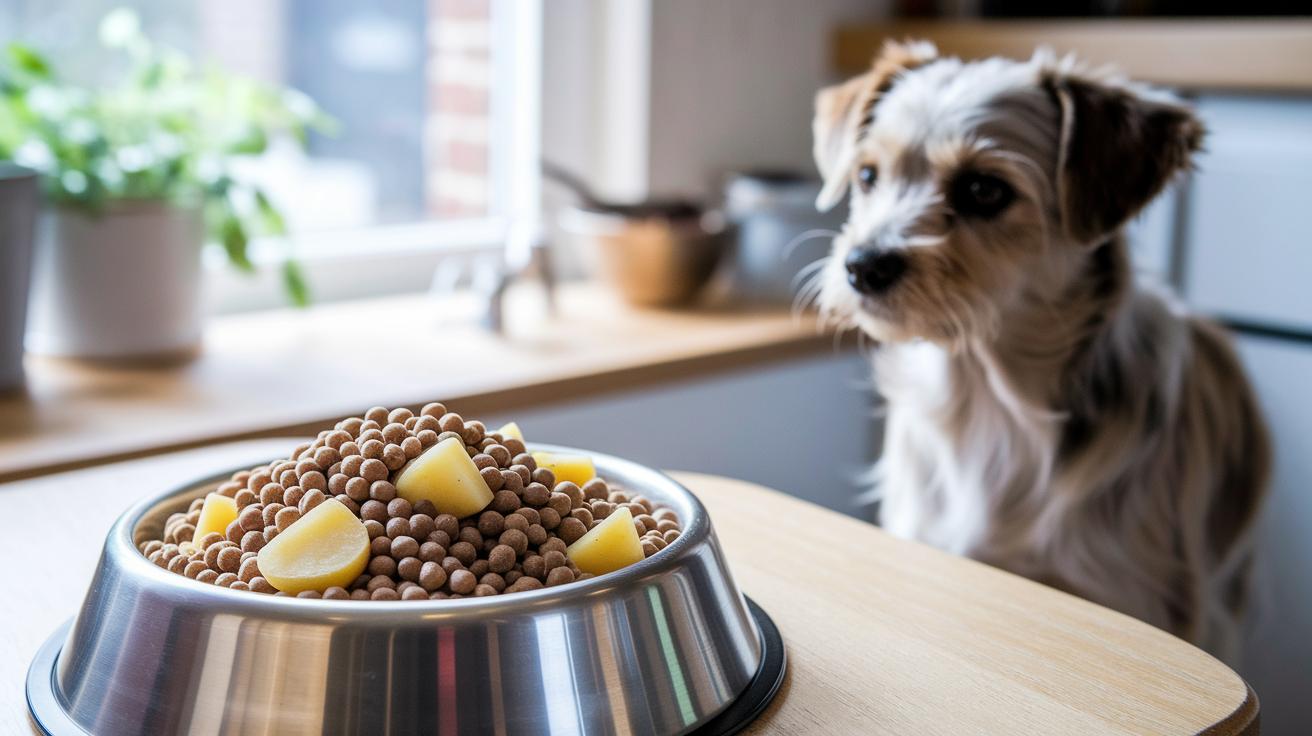
Grain-free pet food recipes swap traditional grains for ingredients like potatoes, peas, sweet potatoes, lentils, and beans. Each ingredient provides energy in its own way. For example, sweet potatoes have a lower glycemic index (a measure of how fast a food raises blood sugar) than regular potatoes. This means they release energy more evenly. Imagine a pet food with high calorie density as a tiny battery that gives quick bursts of energy. Serving the right amount is very important.
Less fiber in the food can speed up digestion. When food moves faster through the stomach and intestines, your pet may not feel as full and might eat more. Detailed nutritional data shows how these differences can change your pet’s meal experience:
| Ingredient | Calories (approx per 100g) | Glycemic Index (approx.) |
|---|---|---|
| Potatoes | 77 | 78 |
| Sweet Potatoes | 86 | 70 |
| Peas | 81 | 51 |
| Lentils | 116 | 29 |
Studies show that starchy legumes can increase the calorie count in your pet’s meal and that lower fiber levels may reduce feelings of fullness. Pet owners should watch portion sizes carefully to help maintain a balanced diet and prevent overeating.
Vitamin & Mineral Balance in Grain-Free Pet Food
Grain-free pet food shows a list of vitamins like A, D, E, and B-complex along with minerals such as calcium, phosphorus, iron, and zinc. It also includes trace elements like selenium and copper to help support your pet's energy and natural defenses.
Each nutrient is carefully added to keep the food complete and balanced. For example, you might see, "Fortified with vitamin D and calcium to support bone strength," which means the recipe is designed to help your pet's bones grow strong.
We merged this information with our Grain-Free Nutrition Overview to give you a clear look at how these essential nutrients work together for your pet’s health.
Comparing Grain-Free Pet Food to Grain-Inclusive Diets
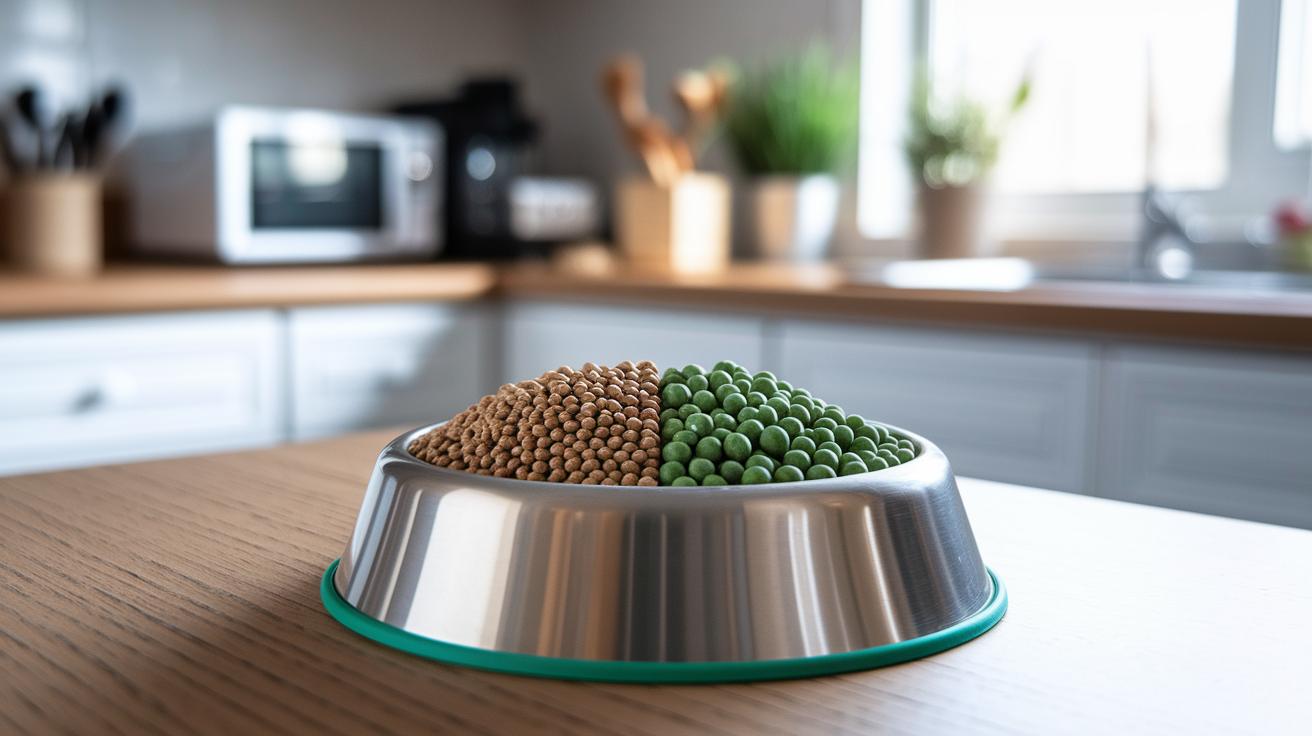
Both grain-free and grain-inclusive diets can give your pet all the nutrition it needs when they are made right. Grain-inclusive foods usually contain wheat, corn, rice, or oats to offer fiber and steady energy. Grain-free diets use ingredients like peas, lentils, potatoes, or sweet potatoes instead, which can lead to more carbohydrates.
It’s smart to check the nutrition label. Look for a clear list of ingredients and the calorie information. For example, a label might say "Total Carbohydrates: 40%," which tells you about the energy in each bite. This helps ensure that, whether there are grains or other ingredients, your pet gets a balanced mix of protein, fats, vitamins, and minerals.
Health Impacts & Safety Considerations of Grain-Free Pet Food
Many pet owners say their pets experience easier digestion after switching to grain-free food. They notice firmer stools and less gas. One pet parent explained that after changing diets, their sensitive dog, Max, started having much firmer stools within a few days. This change made mealtimes a lot less worrisome.
Some grain-free diets include lots of peas, lentils, and potatoes. These ingredients have been linked to a small risk of a heart problem called dilated cardiomyopathy (DCM) in large dogs. Even though this risk is low, it’s a good idea to watch your pet if they seem less energetic or act differently.
It’s also worth noting that grain allergies are rare in pets. In fact, ingredients like beef or chicken are more likely to cause an allergic reaction.
Keep these points in mind:
- Some pets may show better digestion with firmer stools and less gas.
- High levels of certain legumes and tubers could be linked to a risk of DCM in large dogs.
- Protein allergies, such as reactions to beef or chicken, are more common than grain allergies.
Always check with your veterinary team before making any diet changes for your pet.
Grain-Free Pet Food Nutrition Facts Breakdown: Clear Perks
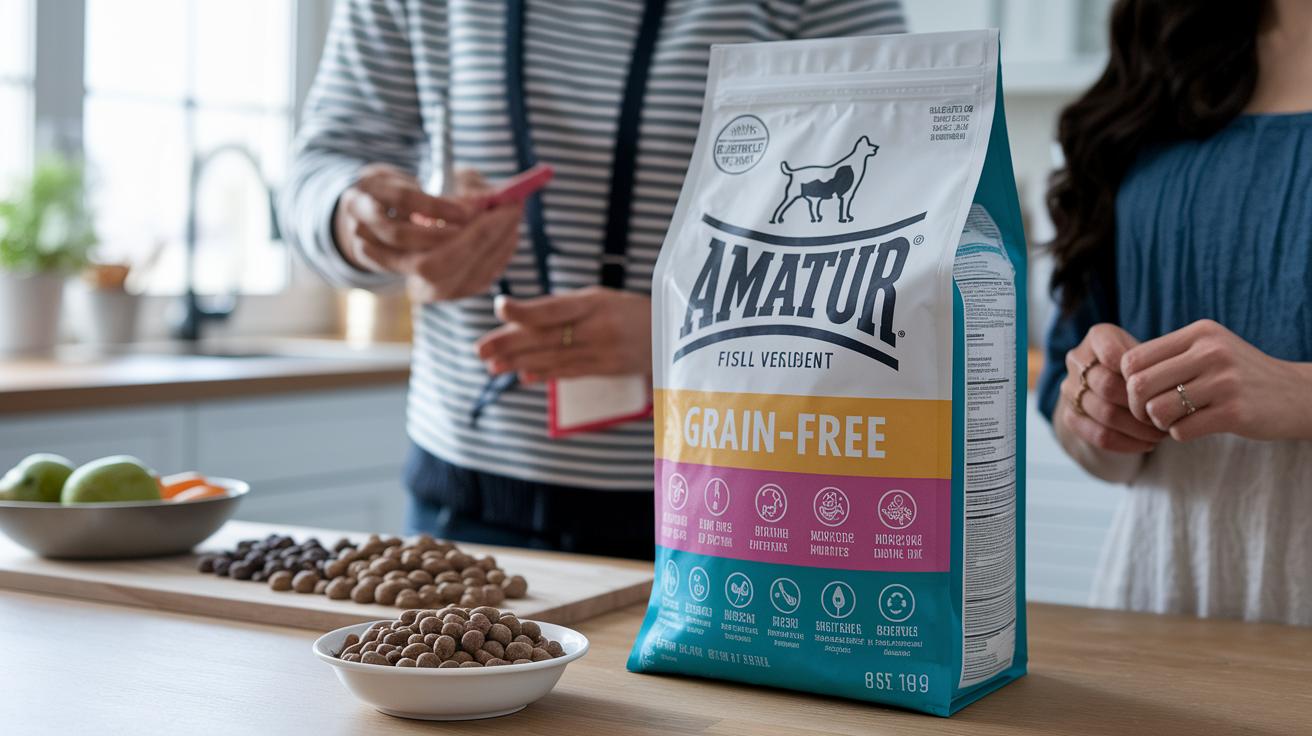
When you grab a bag of grain-free pet food, take a moment to check the ingredient list by weight. Make sure the first item is a quality meat like beef, chicken, or fish. This tells you the food is made to match the natural diets of pets.
Next, look for a “complete & balanced” statement. This means the food meets AAFCO guidelines for good nutrition, helping your pet get energy, repair tissues, and stay healthy. You should also see a list of vitamins and minerals, like vitamins A, D, E, B-complex, as well as minerals like calcium, phosphorus, iron, and zinc.
Also, check if the label mentions grain alternatives such as peas, lentils, or sweet potatoes. These are chosen to give energy and support digestion rather than just act as fillers. Keep an eye out for phrases like chemical-free and notes on how the ingredients are sourced. Even a detail like a BPA-free liner in the packaging can build extra trust.
Here’s a quick checklist to help you read the label:
- Main protein is shown at the top
- Clear “complete & balanced” AAFCO statement
- A vitamins and minerals panel
- Transparent sourcing and packaging details
| Marker | What to Look For |
|---|---|
| Protein Source | Animal protein listed first |
| Nutrient Balance | AAFCO compliance, vitamin/mineral panel |
| Sourcing & Packaging | Transparent claims and BPA-free liners |
Reviewing these points helps you know that the grain-free pet food is both safe and nutritious for your furry friend.
Expert Recommendations & Transition Guidelines for Grain-Free Pet Food
Switching your pet to a grain free diet needs care to keep their tummy happy. Start by mixing a small bit of the new grain free food into their current food. For example, use 25% new food and 75% old food. Do this slowly over 7 to 10 days so you don’t upset their stomach.
Watch your pet closely during the change. Check their weight and look at their stool every day. If you see any changes like strange behavior or loose stools, you might need to slow down the switch or adjust their portions.
It also helps to talk with a veterinary nutritionist. They can offer advice based on your pet’s age, breed, and how active they are. They might even suggest special supplements to keep your pet’s digestive system running smoothly.
Key transition tips include:
- Gradually mix in the new grain free food over 7 to 10 days.
- Monitor your pet’s weight and check stool consistency every day.
- Adjust portion sizes to help prevent weight gain.
- Consult a veterinary nutritionist for advice tailored to your pet.
- Follow safe practices if using raw diet options.
These steps can make the switch easier on your pet’s tummy and keep them feeling their best.
Final Words
In the action, we've broken down the benefits and considerations of grain-free diets into clear steps. We covered protein sources, fats, carbs, vitamins, and safety concerns so you can compare grain-free versus traditional pet food. Our guide also explains how to read labels and transition safely if you choose a grain-free option. This Grain-Free Pet Food Nutrition Facts Breakdown helps you make a smart, evidence-based choice for your pet's health. Keep moving forward with confidence and a focus on what makes your pet feel their best.
FAQ
Grain free pet food nutrition facts breakdown pdf
The grain free pet food nutrition facts breakdown PDF outlines key macronutrients, vitamins, and minerals. It helps pet parents check that the food meets their pet’s nutritional needs.
Best grain free pet food nutrition facts breakdown
The best grain free pet food nutrition facts breakdown compares the levels of proteins, fats, carbohydrates, vitamins, and minerals. This guide can assist you in selecting diets that match your pet’s health requirements.
What grains do dogs need for heart health
What grains dogs need for heart health varies, but many experts say dogs typically get essential nutrients from balanced diets rather than relying on grains solely for heart health. Always check with your vet.
Best grains for dogs with allergies
The best grains for dogs with allergies tend to be gentle options like rice or oats. These grains are often easier on the digestive system and less likely to trigger common allergic reactions.
Do vets recommend grain-free dog food
Many vets advise careful use of grain-free dog food. While it can help pets with specific sensitivities, some experts warn that these diets may lead to nutritional imbalances and potential heart risks.
What is grain in dog food
What is grain in dog food refers to cereal-based ingredients such as wheat, corn, or rice. These grains add fiber, protein, and energy, playing a role as an alternative carbohydrate source in pet diets.
Best grain-free dog food for skin allergies
The best grain-free dog food for skin allergies often features high-quality proteins and omega fatty acids that help support a healthy coat and reduce inflammation, making it suitable for sensitive pets.
How to add grain to a grain-free dog food
How to add grain to a grain-free dog food involves mixing in small amounts of cooked rice or oats with your pet’s meal. Transition gradually and consult your vet for guidance on portion sizes.
Why do vets not recommend grain free dog food?
Vets may not recommend grain free dog food because some formulas can lead to nutrient imbalances or have been linked to heart issues in certain breeds, especially if the diet isn’t carefully formulated.
What is the 80 10 10 rule for dog food?
The 80 10 10 rule for dog food describes a guideline where 80% of calories come from carbohydrates, 10% from proteins, and 10% from fats. Note that this guideline is more common in human nutrition discussions.
Is 32% protein too high for dog food?
A 32% protein content is generally acceptable, especially for active or working dogs. The ideal protein level depends on your pet’s age, breed, and health, so it’s best to consult your vet.
What ingredient is missing in grain free dog food?
What ingredient is missing in grain free dog food typically involves the exclusion of traditional grains like wheat, corn, or rice, with manufacturers opting instead for legumes and tubers as carbohydrate sources.