



Have you ever wondered what secrets your dog's DNA might reveal? A dog breed test shows you your pet's hidden background, like looking through an old family photo album. It can uncover surprising breed mixes that warm your heart and bring you even closer. In this article, we'll explain how these tests work, why they matter, and how they add a little extra joy to your everyday life as a pet parent.
Understanding How Dog Breed Tests Identify Canine Lineage
Dog breed tests help pet owners learn which breeds make up their dog's background. They work by checking your pet's DNA using an easy cheek swab. Think of it like discovering fun family photos that show unexpected parts of your history.
Here’s how it works: small parts of your dog’s DNA, called markers (short pieces that hint at breed traits), are examined. The lab uses special methods to pull these markers from the sample. Next, computer software compares them to a big breed database. This gives you a percentage for each breed found. Because companies update their databases, testing again might show slightly different numbers. Overall, it’s a useful way to get a snapshot of your dog’s genetic makeup.
Keep in mind that the results are an estimate, not an exact pedigree. Most tests are made for pet owners curious about their furry friend's background, while breeder tests are designed to confirm a precise lineage. The small changes in retesting show that these tests provide a best guess about your dog's unique mix of breeds.
Comparing At-Home Dog Breed Test Kits
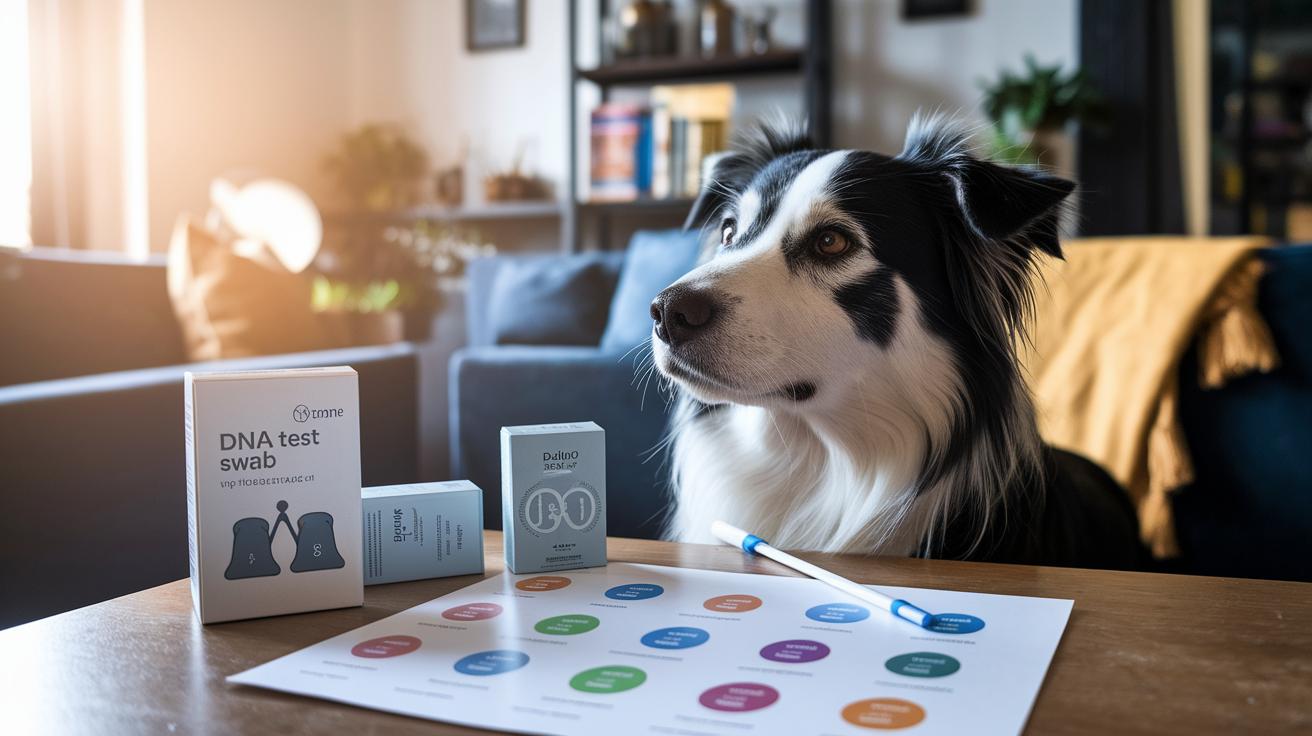
If you want to learn more about your dog's background using an at-home kit, there are several great options to choose from. Popular choices are the Embark Breed + Health DNA Test, Wisdom Panel Premium, and Darwin’s Ark Community Science kit. Each kit helps screen for dog DNA and maps your pet’s ancestry, but they vary in price and features. Embark offers a detailed, premium analysis. Wisdom Panel not only breaks down breed details but also gives hints about behavior. Meanwhile, Darwin’s Ark runs on a donation model (usually between $100 and $150) that helps fund ongoing pet DNA research.
Testing methods and breed databases are updated often to improve accuracy. For example, the Embark kit can find breeds that make up just 1% of your dog's DNA and screens for over 270 genetic health risks. Wisdom Panel Premium provides a clear breed breakdown, though some of its behavioral insights may not always be consistent. Darwin’s Ark is a great choice if you want to support science while discovering more about your pet.
| Kit Name | Detection Threshold | Health Risk Coverage | Unique Features |
|---|---|---|---|
| Embark Breed + Health DNA Test | 1% | 270+ genetic risks | Detects even small breed traces |
| Wisdom Panel Premium | N/A | Standard coverage | Detailed breed breakdown with behavior hints |
| Darwin’s Ark Community Science | N/A | N/A | Donation-based to support canine genetic research |
Dog Breed Test Procedures: Sample Collection and Lab Analysis
Dog breed tests use a straightforward method that any pet owner can follow. Most home kits ask you to take a cheek swab from your dog. Once you have the sample, seal it carefully and send it to a lab. The lab checks for specific DNA markers and compares them with a large database of breeds. This helps create a clear picture of your dog’s genetic mix. Experts refined the whole process by comparing eighteen different services, so you can trust the results.
Cheek Swab Sample Collection
Follow the kit directions step by step. Use the swab provided to gently rub the inside of your dog’s cheek. Make sure not to get your hands on the swab tip. A good sample now makes for a better analysis later. Think of it as collecting juice for a taste test.
Sample Submission and Processing
After you collect the cheek swab, put it in the container that came with the kit. Then, mail the sample using the supplied mailing kit. Most companies finish their work in 2 to 4 weeks, so you can plan ahead and look forward to your dog’s DNA report.
Lab DNA Analysis and Reporting
In the lab, technicians study the DNA markers in your sample. They compare these markers with trusted breed reference data to build your dog’s breed report. This report shows you a breakdown of the breeds in your dog, giving you a detailed look at its genetic makeup for future planning.
Accuracy Insights for Dog Breed Tests
Dog breed tests can be a fun way to learn about your pet's background, but they do have some limits. Companies update their methods from time to time, so if you test more than once, you might get different results. These tests give you an estimated mix of breeds rather than a guaranteed pedigree.
Sometimes, a test might show a small portion (as little as 1% in DNA) of a breed, but changes to the testing method can shift those numbers. There are also tests that offer ideas about behavior, although these may not always match what you see in your pet.
Factors that affect a test's accuracy include:
• The size of the breed reference database
• The number of DNA markers analyzed
• How low the test goes in detecting minor breeds
• The quality of the pet sample and risk of contamination
• How often the methods and reference data are updated
Always treat the health and behavior insights from these tests as a starting point. They can open up a conversation with your vet about your pet’s care, but remember that these profiles are estimates and may not perfectly match your dog's visible traits.
Interpreting Dog Breed Test Results for Health and Traits
Your report is set up in clear sections that show your dog's breed mix, health details, and behavior traits. One part breaks down the percentages of each breed. Another part flags any health issues to watch with your vet. Think of each section as a little window into your dog's background.
To read the breed numbers, look at the percentage and the range (confidence interval) shown for each breed. For example, if it shows 40% for one breed, that means this breed has a strong influence on your dog. The range tells you how sure the test is about that number. Remember, small changes might happen as testing methods improve. This clear layout makes it easy to see which breeds make up your dog's character.
When you check the health and behavior findings, keep your dog's history in mind. Some tests screen for many conditions (over 270, for example) and can point out potential genetic risks. The behavior part may give hints about your dog's traits, but it might not exactly match what you see every day. Use the report as a guide when talking with your vet, so you can give your pet the best care suited to its unique mix.
Choosing the Best Dog Breed Test: Recommendations and Next Steps

When picking a test, think about what your dog needs most. Do you want details on its breed mix, clues about health risks (small signs of possible issues), or tips on behavior? Keep your focus on what matters for your pet instead of getting lost in technical details.
Make a list of things like cost, how detailed the test is, the size of its breed database, and what other pet owners say about it. Reading reviews can help you find a test that fits your dog’s lifestyle and gives clear, personal insights.
Use the table below as a quick guide:
| Selection Criteria | Questions to Ask |
|---|---|
| Cost | Is the price right for the information you need? |
| Analysis Depth | Does the test show detailed breed and health information that matters to you? |
| Database Size | Does it use a large breed database for accurate results? |
| User Feedback | How are other pet owners rating the clarity and ease of use? |
After you receive the results, review them with your veterinarian. This way, you can tweak care plans and learn about any new health insights for your dog.
Final Words
In the action, we explored how dog breed tests work by examining canine lineage, sample collection, lab analysis, and accuracy factors. We compared popular at-home kits and shared tips on reading breed percentages, health risks, and trait markers. Short, practical pointers helped explain what results really mean and how to adjust pet care accordingly. The guide wraps up with key recommendations to share findings with your vet and refine your care approach using a dog breed test. Each step helps ensure your pet stays healthy, safe, and happy.
FAQ
How much does a dog breed test cost and do vets charge differently?
The dog breed test cost varies, with most at-home kits priced between $50 and $200, while tests done through a vet can cost more due to additional lab analysis and consultation fees.
What options are available for online and free dog breed tests?
Dog breed test online choices include affordable at-home kits and free quizzes that give a basic breed mix overview. Full DNA tests from companies like Embark offer more detailed results.
How does a dog breed test reveal personality traits and DNA details?
The dog breed test reveals personality traits and DNA details by analyzing genetic markers in a dog’s sample, then matching them against a breed database to offer insights into breed tendencies and lineage.
What is the most accurate dog breed test available?
The most accurate dog breed test uses a large breed database and sensitive DNA markers. Products like Embark and Wisdom Panel are popular for their detailed and precise breed breakdowns.
How do I test what breed my dog is?
To test your dog’s breed, order a kit, follow instructions to collect a cheek-swab sample, and mail it to the lab, where DNA is analyzed and compared to a breed database to report the breed mix.
How accurate is the DNAmydog test?
The DNAmydog test accuracy is similar to other commercial tests. It provides an estimated breed composition rather than a definite pedigree, with results that may change as testing methods are updated.