

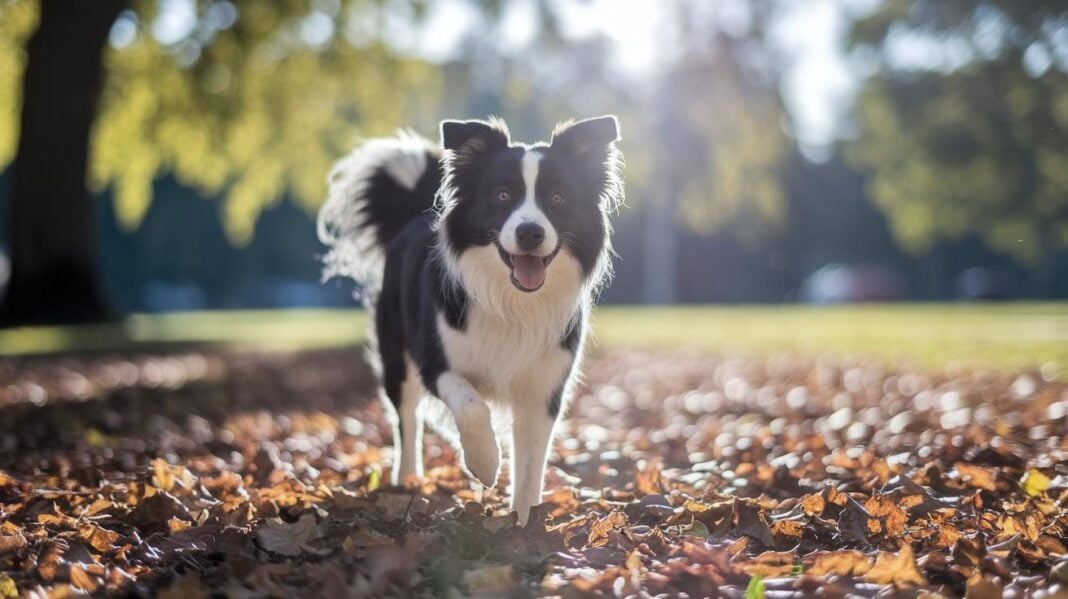

Have you ever stopped to think about what your dog's tail is trying to tell you? Some see it as a flag that shows how your pet feels, from being excited to feeling calm. A fast wag might mean your dog is happy, while a slow, gentle wag can show they feel at ease. Understanding these simple signals can help you connect better with your furry friend.
Getting to Know Dog Tail Language: Core Signals and Emotions
Dogs use their tails along with body movements and sounds to show how they feel and what they want. A dog’s tail has bones, muscles, and tendons that let it express many emotions. For example, a fast, circular wag when you come near can show that the dog is very happy to see you. The tail works like a signal flag to tell us if a dog is excited, careful, or alert.
The way a dog holds its tail can tell you a lot about its mood. A tail held high and stiff often means the dog is very alert or even ready to fight. When the tail is busy moving in a horizontal line at the same height as the spine, it means the dog feels confident and relaxed. If the tail hangs low and is loose, the dog might be feeling calm or submissive. When a dog tucks its tail between its legs, it is usually scared or anxious. A quick, strong wag often shows excitement while a slow, gentle wag can mean the dog is more mellow. Also, if the wag leans to the right, it usually means the dog is feeling positive, but a wag that leans to the left can suggest the dog is uneasy or unsure.
Studies, like the one by Quaranta and his team in 2007, show that dogs sometimes wag their tails more to one side than the other. A right-side wag is linked to happy feelings, while a left-side wag may mean the dog is worried. By watching these signs, you can know when your dog might need extra comfort, praise, or space during play. Combining tail signals with other body cues makes it easier to understand your dog and strengthens your bond.
Definitive Tail Positions in Canine Communication
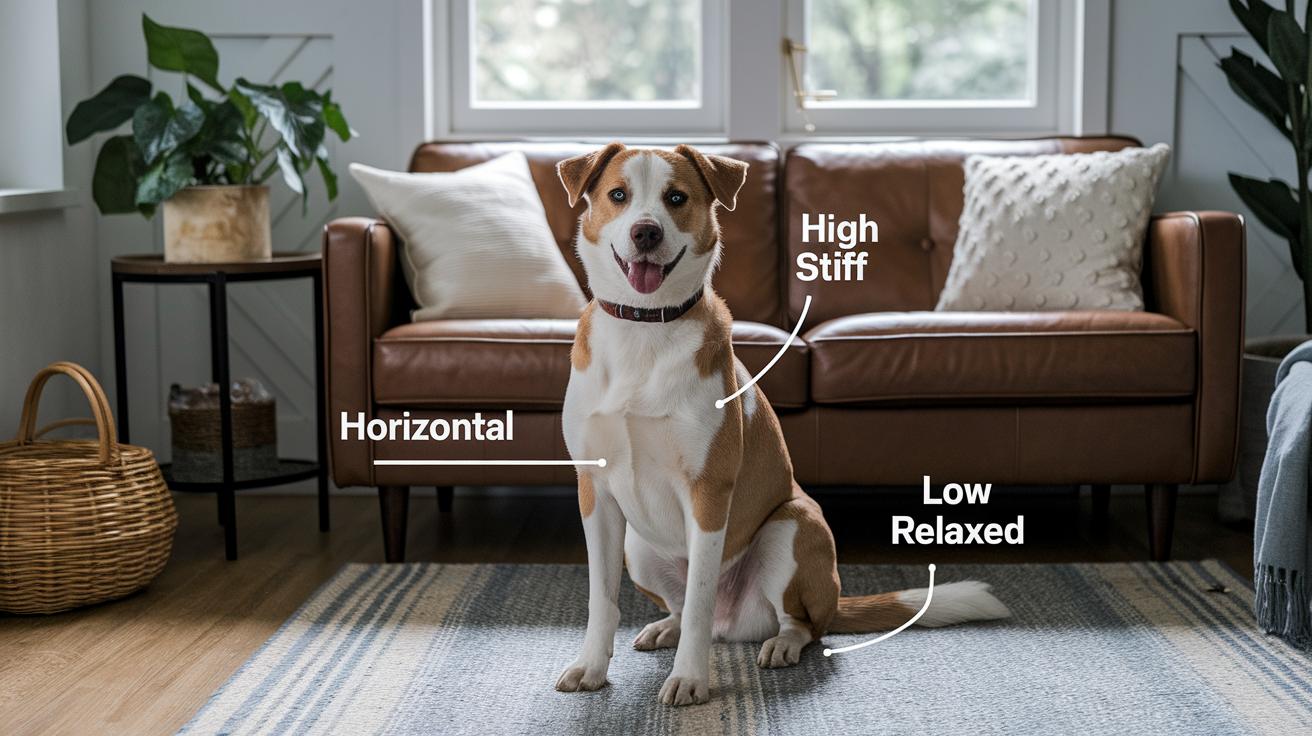
Understanding your dog's tail signals can help you quickly see how they feel. Below is a simple table that shows common tail positions and what they usually mean. Keep in mind that some breeds might signal a bit differently.
| Tail Position | Meaning |
|---|---|
| High & Stiff | This can mean your dog is alert, maybe even a little tense or ready to act |
| Horizontal | A level tail often shows confidence and a calm, neutral mood |
| Low & Relaxed | A tail held down usually means your dog feels relaxed and safe |
| Tucked Between Legs | A tail hidden between the legs is a clear sign of fear or worry |
| Docked/Short Tails | Dogs with shortened tails give fewer clues, so it can be harder to tell what they feel |
Remember, the same tail position can mean different things depending on the situation. For example, a high tail while playing might not be as worrisome as the same posture in a strange place.
Understanding Tail Wag Speed and Direction in Dogs
Dogs show how they feel using their tails. A fast wag means your dog is excited, like when they greet you at the door. A slow wag can mean they feel calm or a bit unsure.
A tail wag that is quick and energetic tells you your dog is happy and ready to play. For example, if Rex’s tail beats rapidly, he is thrilled to see you.
A gentle, slow wag often means your dog is quietly checking out their surroundings. It might be a sign to give them a little extra comfort.
If the tail moves mostly to the right, it usually means your dog feels safe and happy. But if it swings to the left, your pet might be feeling anxious or uneasy.
When you see a circular or figure-eight wag, it shows a burst of excitement. You might notice this when Luna spins around to greet her favorite toy during playtime.
Pay attention to these tail movements along with the everyday happenings around your pet. This helps you understand their feelings and respond to their needs more easily.
Decoding Specific Tail Movements and Their Meanings

When your dog's tail wags wildly from side to side or in playful circles, it means they are full of energy and excited to play. Think of it like the way your pet spins when you open the door.
A slow, gentle wag shows that your dog feels safe and loved. Imagine a calm tail gently swaying as your pet relaxes after a fun time together, maybe inviting you to offer a soft pat.
If you see a tail held low or partly tucked that sways slowly, it often indicates nervousness. This gentle movement is a sign that your dog might be unsure or scared, much like when they pause before exploring somewhere new.
A high, stiff tail that moves quickly is a sign of alertness or even aggression. This rapid, rigid motion tells you that your dog might feel tense or unsettled, so it's best to be cautious.
Sometimes, you might notice a subtle wag while the tail stays tucked. This timid side-to-side movement shows that your dog is yielding or calmly asking for a gentle approach during a stressful moment.
When a slow tail wag comes with a thoughtful head tilt, it means your pet is curious and paying close attention. It’s like when they stop to check out a new sound or smell.
A bold, sweeping wag along the side of the body shows confidence. Your dog is standing their ground and feels in control, much like a pet that trusts its space and situation.
Integrating Tail Language with Overall Canine Body Signals
A dog's tail is only one piece of its language. Even small details, like a gentle tail tension with soft eyes or a steady wag, can show that a dog feels calm, even in busy places. For example, a slow, smooth ripple of the tail can mean the dog is relaxed, even if its ears do not stand up.
When dogs are around others, you might notice extra signs. A fast wag often shows excitement during play. But if you see a relaxed body and calm face, the dog likely feels safe. If the tail becomes a bit stiff and the dog walks carefully, it might be a clue to give the dog a little more space.
Try to notice these subtle signals and compare them to how your dog usually acts. For instance, if you see short bursts of tail movement at a dog meet-up, it could be a mix of happy, friendly energy with a bit of doubt.
| Cue | What It Means |
|---|---|
| Slow, even wag | Calm and content |
| Short, burst movements | Friendly but a little cautious |
| Slight tail stiffening | A bit of tension in social settings |
Breed-Specific Variations in Dog Tail Language
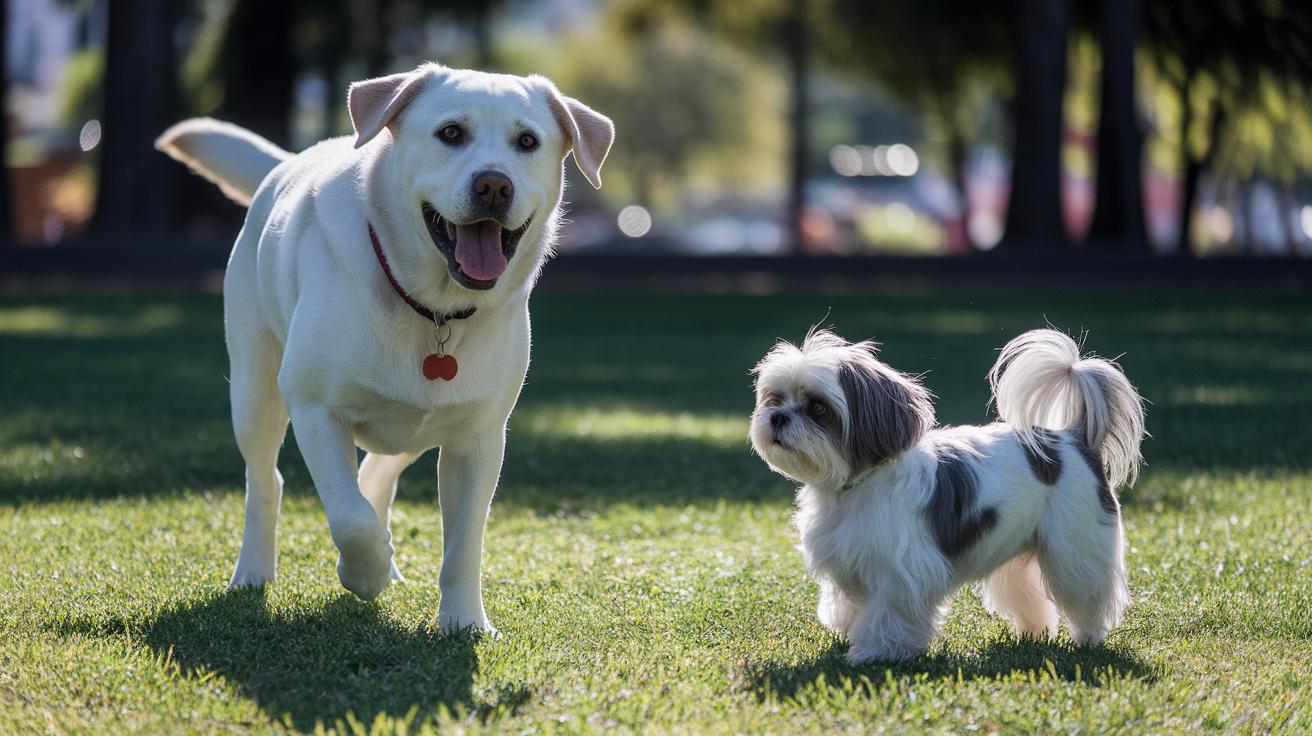
Different breeds show their feelings in their own way using tail movements. How a dog moves its tail can depend on the breed and the tail shape. For example, larger dogs often hold their tails up high, while smaller dogs might keep theirs lower. This shows us that there is no single way to read a dog's tail signals.
Labrador Wag Style
Labradors often wag their tails broadly and with lots of energy. Their tail moves right in the middle of their back. This clear, lively wag tells you they are excited and ready for play.
Shih Tzu Movements
Shih Tzus usually have soft, gentle tail movements. Their low, small wags, which can be hidden by their long hair, show that they feel calm and content.
Docked/Short-Tail Communication
Dogs with docked or shorter tails can be harder to read. They don’t have as many tail cues to share their feelings. Instead, they rely more on other body movements to show how they feel.
dog tail language: Happy Cues and Emotions
When your dog wags its tail in a broad, relaxed, and lively way, it's showing clear signs of happiness. Try giving lots of praise and playtime. For instance, if you see a friendly side-to-side wag, you might say "Good job!" and toss a favorite toy. This kind of positive attention helps your pet feel safe and understood while inviting more cheerful moments.
If your dog’s tail is tucked, barely moving, or wagging slowly, it might be a sign of anxiety. In these moments, set up a calm, quiet space and use a soft voice along with gentle petting to soothe them. However, if you notice the tail is held high and stiff, especially if it comes with ears pinned back or a fixed stare, give them plenty of room and avoid rushing in.
Sometimes the tail signals can be unclear, a slow wag here mixed with a hesitant posture there. In these cases, it’s best to look at your dog’s entire body language. Allow your pet to approach you when it feels safe. Watching carefully and responding gently builds trust and deepens your bond.
Final Words
In the action, this post explored the signals behind dog tail language. It broke down common tail positions, wag speeds, and directions so you can better understand your pet’s mood. The guide combined tail cues with overall body signals and even looked at breed-specific traits.
Practical tips were offered to help you react appropriately. Keep observing and learning to keep your pet safe, healthy, and happy. Enjoy every wag and cherish this clear insight into your best friend’s world.
FAQ
What does female dog tail language show?
The female dog tail language shows emotions like friendliness, alertness, or anxiety through the tail’s position and movement, just as in male dogs. It reflects her mood and intent clearly.
What does dog tail language mean?
Dog tail language means the way a dog uses its tail to express feelings. Different positions and movements signal moods such as excitement, fear, contentment, or caution.
How can I use a dog tail language chart?
A dog tail language chart summarizes various tail positions like high, horizontal, low, or tucked. Each position links with common feelings, helping pet owners quickly understand their dog’s mood.
What does it mean when a dog wags its tail while lying down?
A dog wagging its tail while lying down shows mixed signals. It might be relaxed yet alert or hesitant, so take a look at other body language clues to understand its true mood.
What does a circular tail wag indicate?
A dog wagging its tail in a circle indicates high excitement and happiness. This playful movement is often a sign that the dog feels joyful and is enjoying the moment.
What does a curled-up tail mean in dogs?
A dog with a curled-up tail usually feels nervous or scared. This posture can be a sign of discomfort or uncertainty in its current environment or situation.
How do you say “I love you” in dog language?
Saying “I love you” in dog language means showing care through actions. Gentle petting, kind words, and spending quality time together are simple ways to communicate love with your dog.
Are dogs truly happy when they wag their tail?
Dogs often wag their tail when they feel happy, but not always. Tail wagging can also indicate other feelings like alertness or anxiety, so it is best to look at the context to tell.
What do different tail wags signify?
Different tail wags signify various emotions. A fast, energetic wag means joy, a slow wag suggests calmness or uncertainty, and a stiff wag might warn of potential aggression.
What does a low tail position mean?
A low tail position often means that the dog feels relaxed, submissive, or a bit unsure. This posture is common when the dog wants to avoid conflict or feels a gentle calmness.