



Does your dog's heart race when fireworks light up the sky? Many pet owners see their furry friends panic when loud sounds fill the air.
You may try a few simple methods to help ease your dog's fear. Options include behavior therapy (training to change anxious habits), using sound recordings at a gentle volume, or trying a pressure wrap (a vest that gives calming, steady pressure). In this guide, we share clear, pet-friendly steps to boost your dog's confidence during noisy times so your companion can feel calm and safe.
Proven Treatment Strategies for Dog Noise Phobia
Using several methods together can really help your dog feel less scared of loud noises. Combining behavior therapy with medication, sound recordings, pressure wraps, supplements, and soothing music works from different angles. Loud sounds such as Fourth of July fireworks or busy city traffic can make your dog’s heart race, cause fast breathing, and raise blood pressure. With this complete plan, you can help your dog feel calmer during stressful times. Here are some ideas to try:
- Audio desensitization recordings (sounds like thunder, fireworks, or busy city noises)
- Vet-prescribed anxiety medications (for example, SSRIs or benzodiazepines that help calm anxiety)
- Pressure wraps or calming vests
- Calming music playlists
- CBD oil or herbal supplements
- Counterconditioning with rewards
These methods work both to reduce sudden panic and to build long-term strength. For example, a pressure wrap or a well-done sound therapy session can quickly ease your dog’s fear when a loud noise happens. At the same time, behavior therapy and counterconditioning slowly change your dog’s emotional response. Over time, your dog builds more confidence and learns that loud sounds can be handled.
This approach not only calms your dog’s fight or flight response during a noisy event but also creates safer and more positive associations in the long run. By gradually exposing your dog to the sounds and rewarding calm behavior, you help build a resilient mindset. The result is less anxiety and a happier, healthier pet.
Identifying and Diagnosing Noise Phobia in Dogs
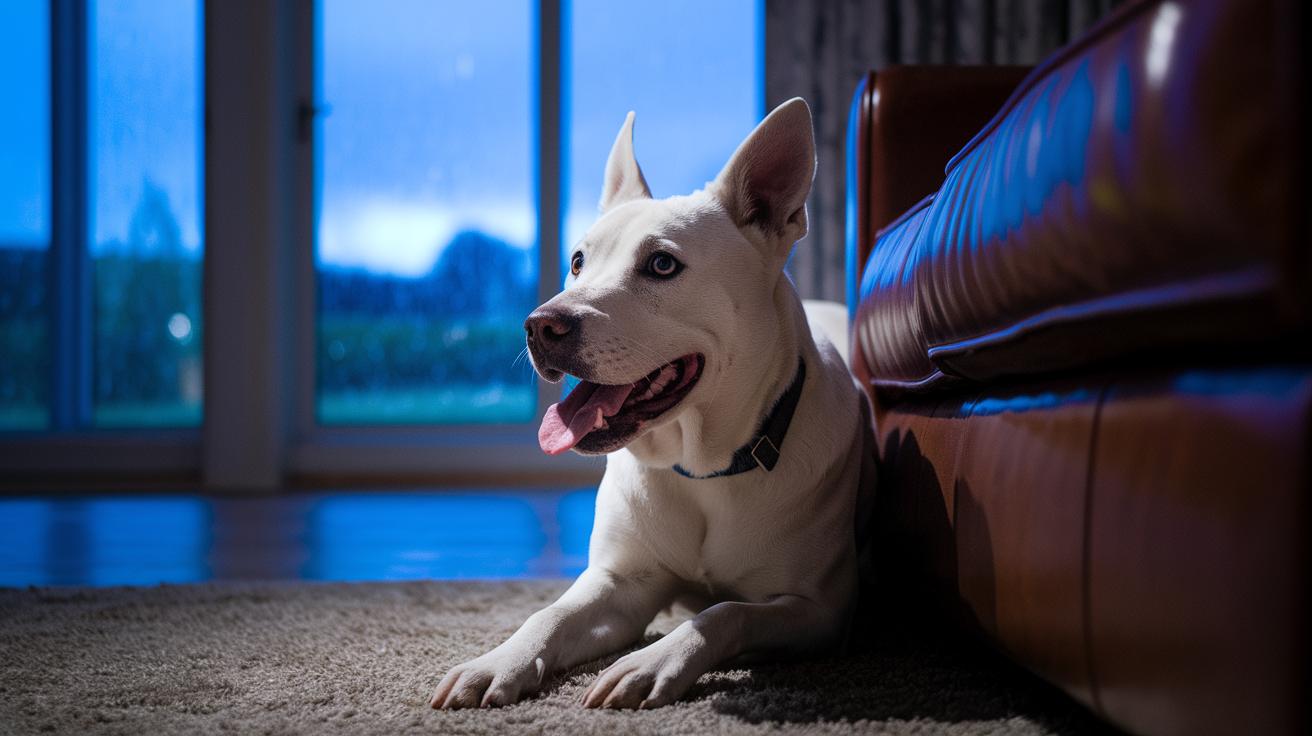
Noise phobia is when your dog feels very scared by sudden, loud sounds like thunder, fireworks, or sirens. These noises can trigger strong fear and make your pet act stressed. It's important to notice these triggers early, especially during storms or public events, so you can help your dog feel safer and lower their long-term anxiety.
Dogs with noise phobia show clear signs. You might see them shaking, panting quickly, or even barking and whining when a loud noise hits. They may also have wide eyes, yawn a lot, lick their lips, or groom themselves more than usual. Sometimes, they seem quiet and withdrawn, almost as if they feel sad. These behaviors are clues that your dog is sensitive to sudden noises and might need help to calm down.
If your dog often reacts with panic to loud sounds, it's a good idea to see a vet. A veterinarian can check your dog to make sure nothing else is causing these reactions. Laurie Anne Walden, DVM, advises that spotting these signs early can lead to better treatment outcomes. Your vet might also suggest seeing a behavior specialist who can work with you to create a care plan that suits your dog's needs.
2 dog noise phobia treatment: Calm Canine Care
Using desensitization, you can help your dog learn that loud sounds are not dangerous. This method pairs low-volume sounds, like soft thunder or fireworks, with yummy treats and calm praise. Your dog soon understands that these noises are simply part of daily life.
Start with a simple week-by-week plan. In the first week, play quiet recordings of rain or distant thunder during treat time. In week two, raise the volume just a bit and add sounds like gentle fireworks or city traffic. It’s like teaching someone to ride a bike, small steps and steady rewards build confidence over time.
Keep a small log of your dog's progress. Note if your dog shakes less, pants less, or settles down faster after a session. If you see stress, lower the volume and try again later. Short, daily sessions help your dog feel safe and calm, leading to lasting improvement over time.
Medication and Supplement Options for Canine Noise Anxiety
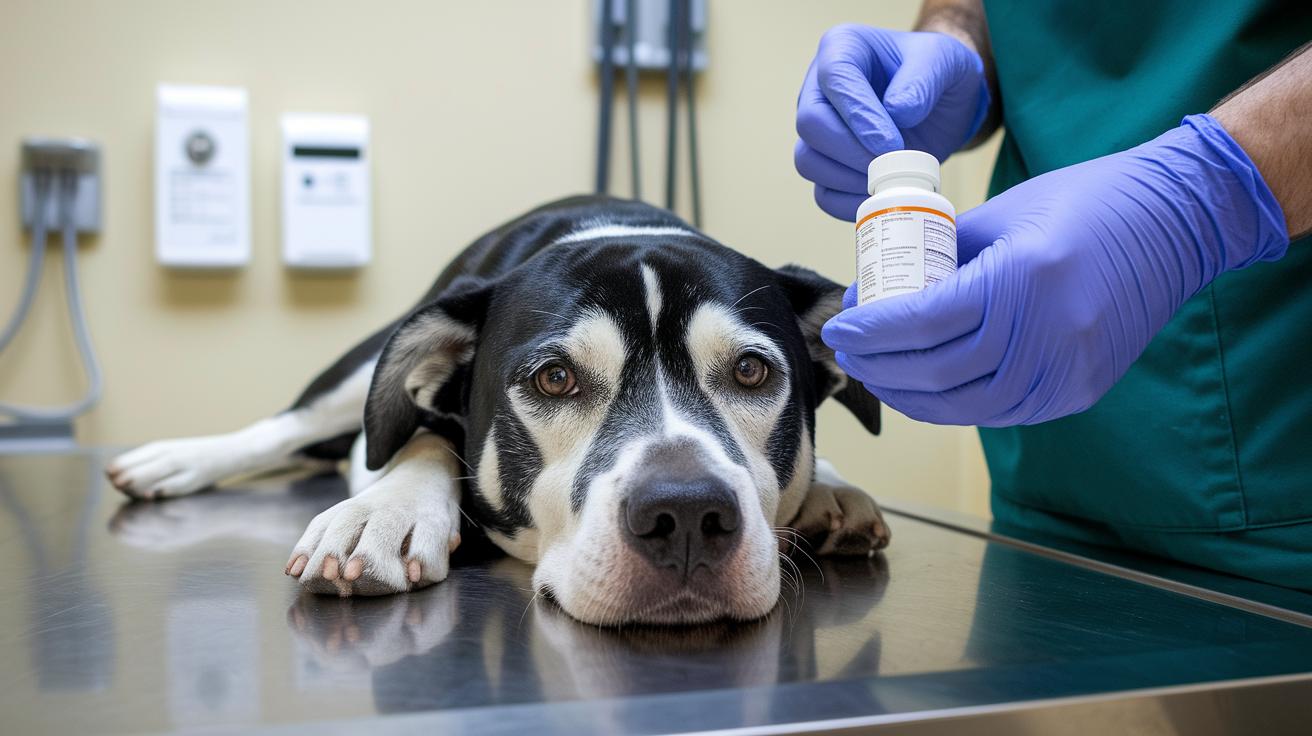
When loud noises worry your dog, a vet might suggest medications to help calm them down. These medicines, like benzodiazepines and SSRIs, work quickly during stressful moments. They require careful dosing and monitoring to avoid any side effects. Some pet parents also choose natural supplements for a gentler approach. Using both types of treatments can ease sudden panic while also helping with ongoing anxiety. Always follow your vet's instructions to keep your pet safe.
Vets often recommend medications such as alprazolam and fluoxetine. Alprazolam helps calm the nervous system fast, reducing signs of anxiety in your dog. Fluoxetine, an SSRI, is given daily for long-term management of anxiety. Your veterinarian will decide on the right medicine and dose by looking at your dog's weight and overall health.
| Medication | Type | Key Notes |
|---|---|---|
| Alprazolam | Benzodiazepine | Works fast; prescription needed |
| Fluoxetine | SSRI | Daily dosing for long-term relief |
| Alpha-casozepine | Supplement | Over-the-counter calming aid; few side effects |
For pet parents searching for non-prescription options, there are herbal supplements and calming chews available. Pheromone diffusers and products like alpha-casozepine can create a soothing environment for your pet. It is best to introduce these remedies slowly and under your vet's advice, as even natural options need the right dose. Mixing herbal aids with prescription medicine can help manage both immediate stress and build lasting calm for your furry friend.
Home Remedies and Environmental Management for Storm Fear Treatment
When storms roll in, try using sound masking to help your dog feel safe. White noise machines or calming music can soften sudden, loud noises. Set up a cozy area with familiar blankets and a comfy bed. This safe retreat gives your dog a quiet place to hide and relax during the storm.
Visual tricks can also lower noise-related stress. Hang heavy curtains or blackout drapes over windows to block flashing lightning and extra distractions. Use gentle lighting and even a quiet fan in another room to create a calm, daytime feel. These simple changes can help your dog feel more at ease.
You can also boost comfort with aromatherapy and favorite items. Diffuse a light scent of lavender or chamomile and include your dog’s beloved toys or bedding. This approach, using sights, sounds, and smells, creates a soothing space that eases anxiety during storms.
Case Studies and Expert Insights on Effective Noise Phobia Treatment
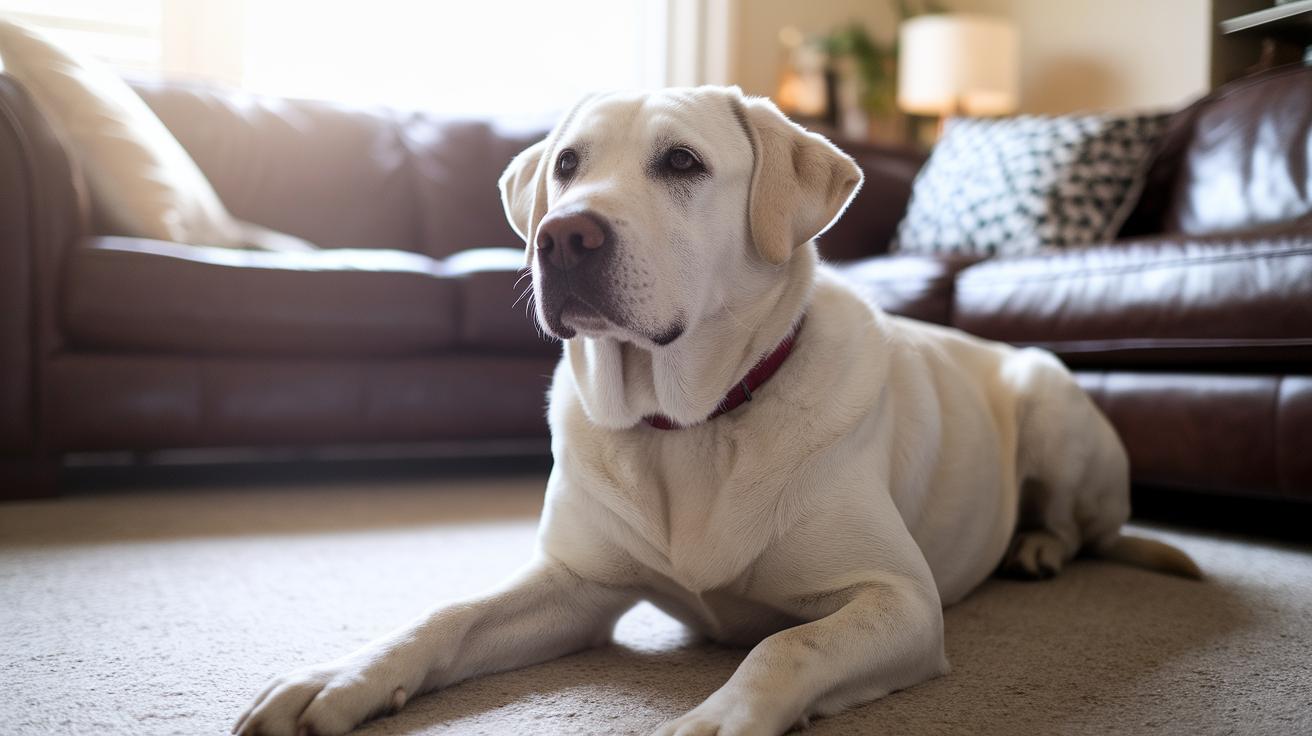
One example involved a 5-year-old Labrador mix that showed a 60% drop in panic after 8 weeks of sound training. The training used low-volume recordings of soft thunder and fireworks sounds, along with praise and treats. This repeated exposure helped the dog see that the noises were not a threat, so the dog felt less scared during loud events.
Another case looked at a senior beagle whose anxiety was eased with a small dose of fluoxetine (a medication that lowers anxiety) and a calming vest. During noisy times like Fourth of July celebrations, the snug vest made the beagle feel safe while the medication reduced its overall stress. This duo of treatments helped the beagle stay more relaxed in high-stress moments.
Dr. Walden, DVM, suggests that each dog's treatment plan should be made just for them. She recommends regular check-ups to see how each dog is doing and to adjust the plan if needed. By mixing sound training, careful use of medication, and helpful tools like calming vests, you and your vet can create a plan that builds long-term confidence and eases noise fears.
Final Words
In the action, this guide highlighted proven strategies for dog noise phobia treatment. It detailed behavior therapy, audio desensitization, medication options, and home adjustments that help soothe anxious dogs. The post inspected common signs of noise stress and showcased real-life examples where these techniques made a difference. Each step was broken down into practical advice to support both immediate calm and long-term resilience. Take these tips to heart and remember that small, steady improvements lead to happier, healthier pets.