



Have you noticed your dog's tummy acting up lately? A switch to digestive dog food might be just what your pet needs. This food is made with gentle ingredients that are easy to digest, helping to calm symptoms like diarrhea, vomiting, and a low appetite. Many pet parents have seen their dogs bounce back with better digestion and a happier belly. In this post, we share how a simple change in meals can support your dog's gut health and overall comfort.
digestive dog food solutions for canine gastrointestinal relief
Dogs with tummy troubles like diarrhea, vomiting, or no appetite often show signs of an upset digestive system. Gastroenteritis (inflammation of the stomach and intestines) is common in pets and can leave them feeling uncomfortable. A simple, bland diet using plain kibble or wet food offers essential nutrients gently while easing discomfort. Using easy-to-digest ingredients helps a dog’s sensitive system recover faster.
Special digestive dog food is crafted with whole-food meals that include fresh, high-quality ingredients. These diets skip harsh preservatives, artificial colors, and flavors. They are made to be easy on the stomach, which makes them a great choice for pets with digestive issues. Many of these meals also help with skin, stomach, and joint concerns, and they are often recommended by veterinarians for their balanced, low-fat, high-fiber recipes.
Key benefits include:
- Improved nutrient absorption
- Gentle care for the stomach lining
- Low-fat options to reduce pancreatitis risk
- High fiber to support regular bowel movements
- Hypoallergenic protein sources
- Vet-endorsed formulas
Targeted digestive dog food restores gut balance by delivering steady, essential nutrition in a gentle form. This helps repair the gut lining and promotes smoother digestion, ensuring your pet’s tummy can gradually return to normal. With these gut-friendly meals, pet parents can support their dog’s recovery and keep their furry friend comfortable and happy.
digestive dog food key ingredients that support gut health
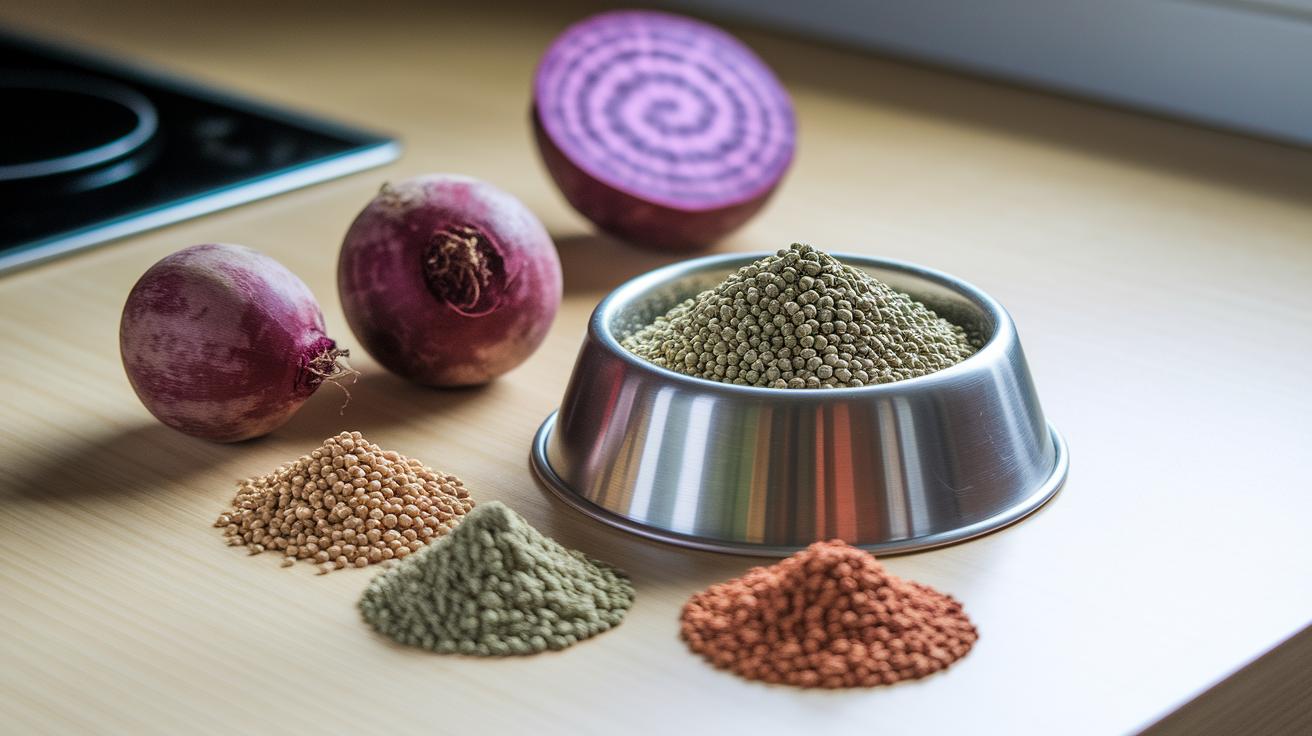
Fiber sources like beet pulp, inulin, and psyllium help keep your dog’s digestion running smoothly by adding natural fiber. They balance stools and improve poop quality by making it softer or firmer as needed. Inulin, for example, encourages the growth of good bacteria to keep the tummy balanced.
New and hydrolyzed proteins work well for dogs with sensitive stomachs or food allergies. These proteins lower the risk of triggering an immune reaction and help prevent digestive upset. A food trial using these ingredients can really improve your dog's comfort when regular proteins cause issues.
Low-fat recipes are a great choice for dogs dealing with ongoing gut troubles or pancreatitis (inflammation of the pancreas). Less fat makes it easier for your dog to digest food and helps reduce flare-ups. This gentle method also allows your pet to take in nutrients without overworking a delicate digestive system.
Minimal processing paired with a complete mix of vitamins and minerals gives your dog the best chance to absorb nutrients. These recipes follow strict AAFCO (Association of American Feed Control Officials) guidelines to keep each ingredient healthy and whole. By keeping processing low, the natural benefits of nutritious foods are preserved, making these diets a smart pick for supporting your dog’s belly health.
digestive dog food product comparison of top commercial options
Pet parents have many great options when it comes to digestive dog food. Some brands offer fresh frozen meals that you can keep in the freezer or pantry. These meals use real, whole-food ingredients without added preservatives. Other brands provide shelf-stable kibble or wet blends that support everyday digestion and fit easily on your pantry shelf.
If your dog has serious stomach issues, custom vet diets might be the best choice. They come with exact calorie counts and nutrition plans made just for your dog. Plus, there are handmade limited-ingredient treats that boost daily wellness. Many of these also have handy online features like vet portals, order tracking, and store locators.
With so many options available, you can choose the one that fits your dog's digestive needs and your lifestyle perfectly.
| Type | Form | Target Condition | Storage | Vet Recommended |
|---|---|---|---|---|
| Fresh Frozen Meals | Frozen | General GI support | Freezer/Pantry | Yes |
| Shelf-Stable Pantry Meals | Kibble/Wet | Everyday digestion | Pantry | Optional |
| Veterinary Prescription Diets | Kibble/Wet | Severe GI disease | Pantry | Required |
| Limited-Ingredient Treats | Treats | Daily wellness | Pantry | Yes |
Prices vary with these products. Fresh frozen meals and prescription diets tend to cost more because they offer tailored, high-quality nutrition. Shelf-stable options are more budget-friendly, and treats are priced for occasional use. Many brands also make it easy to reorder and track your purchases through online tools. This variety helps pet parents find a solution that fits their budget and keeps their busy household running smoothly.
homemade digestive dog food recipes for sensitive stomachs

A bland homemade meal uses just a few simple ingredients to help soothe your dog's upset tummy. Plain cooked chicken and boiled rice are favorites because they give energy without extra spices or fat. This single-protein dish makes it easier to spot any food intolerance. Using fresh, high-quality ingredients also helps avoid common irritants found in more complex recipes.
To make this chicken and rice meal, first boil water in a pot until it simmers steadily. Place skinless, boneless chicken breasts in the pot and cook until the meat is tender and fully done. While the chicken cooks, rinse a measured amount of rice and cook it in another pot with water until it becomes soft and easy to digest. When both the chicken and rice are ready, chop the chicken into small, bite-sized pieces and mix it thoroughly with the rice. Allow the meal to cool completely before serving so your pet does not get burned.
Even though this recipe can help ease an upset stomach, using it occasionally might leave some nutritional gaps over time. Homemade meals may not cover all of your dog's nutritional needs, so it’s a good idea to consult with a veterinary nutritionist (a pet health expert) to ensure your dog gets a balanced diet.
feeding transition guidelines for digestive dog food
Switch your dog's food slowly to help prevent tummy upset. Take about 10 days to make the change so their belly can adjust naturally. Start by adding a little bit of the new food to their regular meal. This careful mix keeps your dog comfortable as they try a new balanced diet. Keep an eye on their stool and behavior to decide if you need to change the mix.
Gradual food changes help keep your dog both happy and healthy during the switch. This steady method works for any type of food and lets your pet settle into a new routine without stress. Try these steps for a smooth food transition:
- Day 1–3: Mix 10% new with 90% old
- Day 4–6: Mix 25% new with 75% old
- Day 7–9: Mix 50% new with 50% old
- Day 10–12: Serve 100% new food
Watch your dog's reactions carefully and adjust the mix as needed to make the transition as smooth as possible.
veterinarian guidance on selecting digestive dog food

Your vet may start by checking your dog’s poop and trying a special diet test. These tests look for bugs like parasites and infections and help rule out food sensitivities by removing common triggers. Sometimes, they also do a blood test to check for inflammation or hidden issues.
If regular store-bought foods or homemade meals do not help, your vet might suggest a special prescription diet. These foods are made with research-based nutrition to give your dog a low-fat, high-fiber meal that is gentle on a sensitive tummy. Your vet will keep a close watch to see how your dog responds.
Watch for red-flag signs like ongoing vomiting, very bad diarrhea, or severe tiredness. In these cases, your pet might need hospital care for IV fluids and medication for nausea. If your dog isn’t getting better in a few days, call your vet right away.
Final Words
In the action, we explored how digestive dog food offers gentle relief for common gastrointestinal issues. We looked at nutrient-packed ingredients, compared top commercial options, and shared easy homemade recipes and safe feeding transitions. We also touched on valuable vet guidance to spot when it’s time for professional help.
This guide shows that making informed choices is simple. Using digestive dog food can help restore intestinal balance and keep your pet happy and thriving. Enjoy the journey to better pet health!
FAQ
What is the best digestive health dog food and which brands are top-rated?
The best digestive health dog food is made with gentle, low-fat and high-fiber ingredients. Brands like Purina and Blue Buffalo often meet these criteria, but always get a vet’s advice to suit your dog’s needs.
What food is good for a dog’s digestive system and are there reliable digestive dog food recipes?
Good foods for a dog’s digestive system include bland meals like boiled chicken and rice and specially formulated recipes. These options avoid harsh ingredients and help ease sensitive stomachs.
What are signs of poor digestion in dogs?
Signs of poor digestion in dogs often include diarrhea, vomiting, changes in appetite, and discomfort after eating. Observing these symptoms may indicate the need for a veterinary checkup.
How do Digestive Care Dog Food Wet and Digestive Care Puppy Food differ?
Digestive Care Dog Food Wet offers a softer texture suitable for dogs with sensitive digestion, while the Puppy Food version provides extra nutrients required for growing pups’ delicate systems.
Are there non-prescription gastrointestinal dog food options available?
Non-prescription gastrointestinal dog food options are available. They combine gut-friendly ingredients designed to support digestive health and are ideal for dogs with mild GI issues without needing a vet prescription.
Is Purina One digestive health a good dog food?
Purina One digestive health formulas are made with balanced, gentle ingredients aimed at easing digestion. Many pet owners report improvements, although checking with your vet is always best.
What do reviews say about digestive dog food options?
Reviews of digestive dog food often mention improved nutrient absorption, better stool quality, and gentle formulas that soothe sensitive tummies, though each dog may respond differently.
How does Blue Buffalo Digestive Care Dog Food perform for gut health?
Blue Buffalo Digestive Care Dog Food uses high-quality, natural ingredients targeted at sensitive stomachs. Its formulation is designed to support balanced gut health according to many satisfied pet owners.