



Ever thought that your dog's food might be the secret weapon against bladder stones? Maybe a few changes in their diet could ease discomfort and even help prevent future stones. This guide explains how what your dog eats can change their urine's makeup and manage different kinds of stones. With simple tweaks like adding lean chicken or a dash of organic cranberries, you can support a healthier urinary system and boost your pet's overall well-being.
Dietary Foundations for Managing Bladder Stones in Dogs
Diet is a key player when it comes to keeping bladder stones in check. It changes your dog's urine by affecting its makeup, how acidic it is (pH), and its concentration. When you adjust the diet, you are really changing how the body processes minerals and proteins, which in turn can affect stone formation. For example, struvite stones form when the urine becomes too alkaline and rich in magnesium and phosphorus. Adding foods that help lower the pH, like lean chicken and a little bit of organic cranberries, can make a big difference.
Calcium oxalate stones need a different plan. These stones are best managed when the diet helps create urine that is neutral or just a little alkaline. Lean meats such as chicken or turkey, mixed with balanced sources of calcium and a little vitamin D, can help keep that balance. A simple tip is to watch the amount of high-oxalate foods in the diet so that crystals do not form.
For cystine and urate stones, the focus shifts a bit. It is helpful to lower sodium and choose protein sources that are low in methionine (an amino acid) and cystine (another amino acid). Reducing foods that have lots of purines (found in some meats) also helps keep the urine in the right balance.
Small changes in your dog’s diet can help prevent stones from coming back. Instead of processed, filler-filled foods, try fresh, whole ingredients that provide the right mix of minerals and proteins. And remember, always check with your vet before changing your pet’s meal plan to ensure all nutritional needs are met.
Prescription Diets and Therapeutic Formulas for Bladder Stone Control
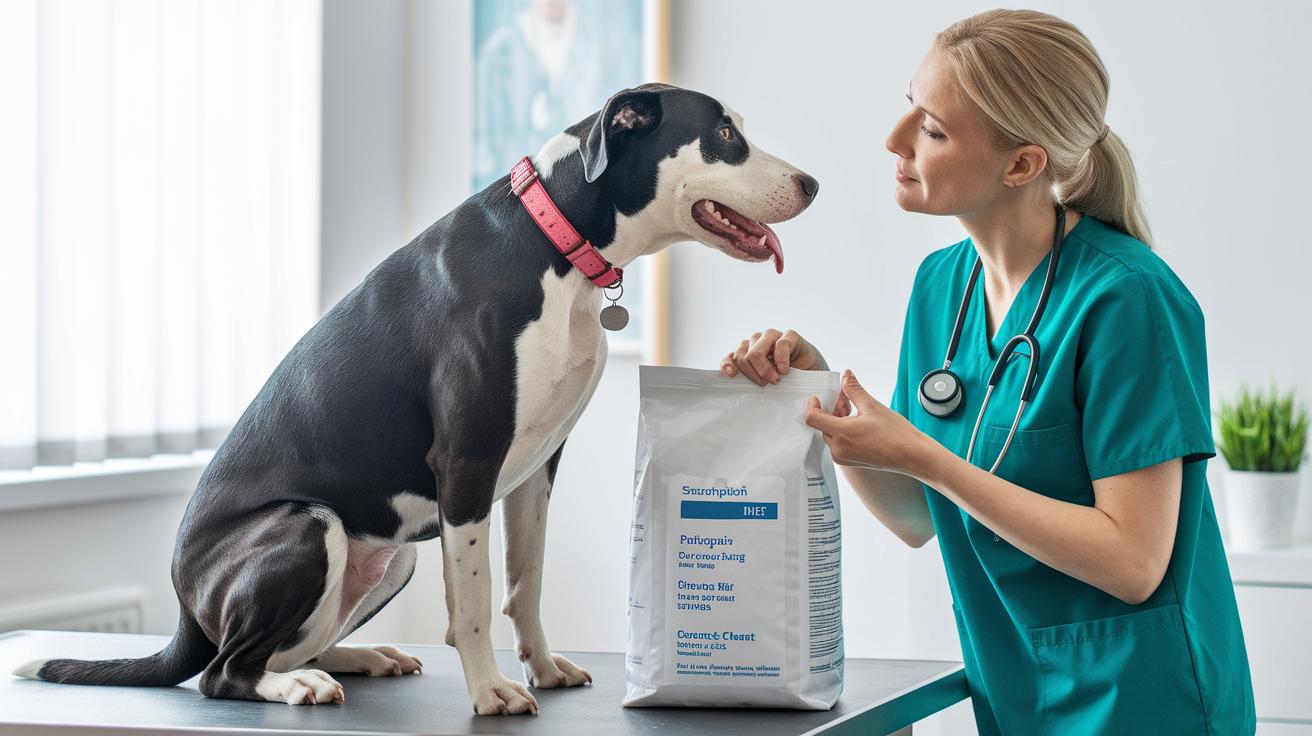
Veterinary approved prescription diets help balance your dog's urinary system. They use special amounts of protein, phosphorus, and magnesium to fight specific stone types. These diets are made to stop struvite stones from coming back and to manage oxalate and sulfate levels. Some holistic cleanses, like Volhard’s 21-Day Kidney & Bladder Cleanse, work by adjusting the urine’s acid level (pH) and removing toxins. This creates a cleaner environment that may lower the chance of crystal formation.
After a cleanse, maintenance formulas such as AM/PM Kidney & Bladder Support or Natural Diet Foundation 2 supply balanced nutrients to support urinary health. These therapeutic kibble and canned formulas give controlled minerals along with high-quality proteins. Always switch from a cleanse to a maintenance diet under your vet's care. This helps ensure the change is smooth and fits your pet's needs.
When your dog's treatment moves from an active cleanse to a long-term diet, following your vet's dietary advice is key. Regular check-ups and monitoring help make sure the plan stays effective in managing bladder stone issues.
Homemade Diet Strategies to Prevent and Dissolve Bladder Stones
When you make your dog’s food at home to help with bladder stones, you control every ingredient. You can change the recipe to help balance the urine acidity and lower the chance of stone formation.
Try lean meats like chicken or turkey with a few organic cranberries. The cranberries help make the urine more acidic. This trick works well for dogs that are prone to struvite stones (stones that form when urine is too alkaline). Some pet parents even report that adding cranberries gives their dog a little boost in energy.
If your dog has issues with calcium oxalate stones (stones linked to too much calcium), mix lean meats with a measured source of calcium, such as ground eggshell, plus a bit of vitamin D. This mix helps keep the urine pH balanced, close to neutral or a bit alkaline. It’s like a balancing act that keeps nutrition in check while helping the urinary system.
Another important tip is to make meals moist. Including lightly steamed vegetables like cabbage or cauliflower, a nourishing broth, or raw meat juices can thin the urine and reduce crystal build-up. Remember: extra moisture helps prevent heavy crystal concentration. Always check with your vet to ensure your recipes meet the proper nutrient profiles as recommended by standards like AAFCO.
| Stone Type | Key Ingredients | Cooking Method |
|---|---|---|
| Struvite | Chicken breast, cranberries, quinoa | Light simmer with a cranberry infusion |
| Calcium Oxalate | Turkey, ground eggshell, wild rice | Short boil with eggshell powder mixed in |
| Cystine/Urate | White fish, steamed zucchini, barley | Steam and mix immediately |
Work with your vet to adjust these recipes. Together, you can create a balanced homemade meal plan that protects your dog’s bladder and supports long-term urinary health.
Foods to Include and Avoid in a Canine Bladder Stone Diet

Changing your dog’s diet can help manage bladder stone issues. Some foods, like high-calcium dairy, organ meats, spinach, nuts, and processed kibble, can increase the risk of stones. Instead, try feeding your dog foods that support urinary health. For example, peeled apples, mushrooms, wild rice, quinoa, lean proteins such as chicken, turkey, white fish, and eggs can help build a balanced diet.
These safe options work together to cut down on extra minerals and supply quality protein without harmful additives. When you pick groceries or plan meals at home, think about how each item fits into your dog’s overall diet. Little changes over time can make a big difference in lowering the risk of stone formation.
| Foods to Avoid | Foods to Include |
|---|---|
| Cheese and milk | Peeled apples |
| Spinach and nuts | Cauliflower and cabbage |
| Organ meats | Wild rice and quinoa |
| High-purine fish | White fish |
| Processed kibble | Lean poultry |
| High-oxalate vegetables | Eggs |
Use this guide to update your grocery list and plan healthier meals that help protect your dog’s urinary system.
Hydration and Moisture-Rich Meal Plans for Bladder Stone Prevention
Water plays a big role in keeping your dog free of bladder stones. Drinking enough water helps thin out the urine so crystals don’t stick together. A good rule is to aim for 1–2 ounces (30–60 ml) of water per pound of your dog’s weight each day. You can try a pet fountain or even mix a little low-sodium broth into the water to make it more tempting.
It’s also smart to plan meals that are high in moisture. Foods like broth-based stews, lightly steamed veggies, and even raw meat mixtures help add liquid to your pet’s diet while keeping meals balanced. For example, mix shredded chicken with a splash of broth and steamed zucchini. Or try lean white fish with mashed carrots and wild rice for a tasty, hydrating dish. Paying close attention to water and food choices can lower the risk of bladder stones, so keep an eye on your dog’s water intake and adjust meals as needed.
Monitoring Urine pH and Vet Collaboration in Bladder Stone Care

Checking your dog's urine pH at home is a simple but helpful way to keep an eye on their bladder health. You can use test strips or products like VetStix™ to measure the pH. If the reading is over 7.0, the urine is too alkaline. This may lead to struvite stone formation, a common issue. In that case, you might add more acidifying ingredients to your dog's diet to help balance the pH.
If the pH falls below 6.2, the urine is too acidic. This situation can cause issues for dogs at risk for calcium oxalate stones, which need a more neutral or slightly alkaline environment. A diet with lean proteins and balanced calcium can help keep the urine pH in the right range.
Your daily observations are important. Write down the pH readings each day and look for any changes. Share these notes with your veterinarian during visits. Work together with your vet or a veterinary nutritionist to adjust your dog's homemade or prescription diet when needed. This team effort makes it easier to catch any shifts early and keeps your pet's bladder stone issues under control.
Supplements, Herbs, and Alternative Support for Bladder Stone Care
Herbal remedies can nicely support dietary changes for your dog. For example, herbs like uva ursi (a plant that may soothe the urinary tract) and marshmallow root (a gentle, calming herb) work well when steeped in warm or cool water. These simple infusions can help balance urine pH, which is important for both struvite stones (often linked to infections) and oxalate stones (crystals that can form in the kidneys). Some homeopathic options in 30C or 200C strengths may also be tailored to your dog’s specific needs. Always check with your vet before starting any new treatment.
Nutritional supplements can also play a part in supporting urinary health. They help by reducing inflammation and fighting oxidative stress. A small dose of cranberry extract may keep your pet's urine balanced. Omega-3 fatty acids (often found in fish oil) help ease inflammation, while vitamin E supports cell health with its antioxidant properties. Magnesium citrate can help maintain the right mineral balance and may prevent crystal formation.
- Cranberry extract for steady urinary support
- Omega-3 fatty acids to ease inflammation
- Vitamin E to protect cells as an antioxidant
- Magnesium citrate to help balance minerals
Working with your vet is key to figuring out the best doses and combinations for your dog's unique needs.
Final Words
In the action, the article explored key dietary foundations to manage bladder stones in dogs. It covered prescription diets, homemade meal options, and detailed food lists to include or avoid. The guide broke down hydration tips, urine-pH testing, and vet collaboration for safer care. It also touched on herbal and supplemental supports. Keep in mind that a proper diet for dogs with bladder stones can help maintain a healthy, safe, and happy pet. With clear steps and careful adjustments, you can support your furry friend’s well-being every day.
FAQ
Q: What does a homemade diet for dogs with bladder stones entail?
A homemade diet for dogs with bladder stones uses lean meats, veggies, and moisture-rich ingredients to help balance urine pH and reduce stone risks. Always work with your vet to meet your dog’s nutritional needs.
Q: What is the best diet for dogs with bladder stones?
The best diet for dogs with bladder stones focuses on balanced minerals, controlled protein, and ample hydration. Both prescription and nonprescription options exist, so consult your vet for guidance tailored to your dog.
Q: What treats can I give my dog with bladder stones, especially natural options?
Natural treats for dogs with bladder stones include plain lean meats, unsweetened apple slices, or small pieces of carrot. They provide fiber and nutrients without extra minerals. Always check with your vet first.
Q: What does a vegan diet for dogs with bladder stones involve?
A vegan diet for dogs with bladder stones relies on plant-based proteins and carefully balanced nutrients. It requires expert planning to meet all nutritional needs, so always consult your vet before switching diets.
Q: What will dissolve bladder stones in dogs?
A proper diet helps prevent new bladder stones, but it may not dissolve existing stones. Effective treatment usually requires specific medical interventions and close vet supervision.
Q: Is pumpkin good for dogs with bladder stones?
Pumpkin is good for dogs with bladder stones because its fiber content aids digestion and supports bladder health when added in moderation. Always consult your vet before making dietary changes.
Q: Are carrots good for dogs with bladder stones?
Carrots are good for dogs with bladder stones when given in small amounts, offering fiber and vitamins without adding excess minerals. Introduce new treats slowly and discuss any concerns with your vet.