

Does your dog guard its toys or food with intensity? Many experts say that when a dog does this, it's really trying to feel safe, not just being aggressive. In this post, you'll learn simple steps to help your dog relax around shared items. Trust-building exercises and reward-based training can ease your dog's worries and create a calmer home. These tips may bring big changes to your dog’s behavior and your daily routine. Let's explore these easy and effective ideas together.
Core Strategies in Dog Training for Resource Guarding
A balanced approach to resource guarding training sees the dog as a whole person, not just a set of behaviors. Every dog is unique and deserves training that fits its individual needs. One surprising fact: many expert trainers say a dog’s guarded reaction usually comes from a need for security, not just aggression.
Positive reinforcement is at the heart of this method. Using a kind, force-free approach helps your dog learn to trust you completely. Training options may include boarding classes or virtual support sessions. This steady, gentle method helps lower stress and builds confidence over time. Another interesting fact: studies show that dogs trained with rewards adjust faster than those corrected with punishment.
Here are six key steps that work together to reduce resource guarding and boost cooperation:
- Trust-building exercises
- Threshold desensitization drills
- Resource exchange games
- Impulse control activities
- Generalizing skills across different settings
- Maintenance protocols
Trust-building exercises help your dog feel safe around people. Threshold desensitization drills slowly expose your dog to its triggers while keeping control. In resource exchange games, high-value treats help your dog shift its focus from guarding to sharing. Impulse control activities teach your dog to stay calm and patient. By practicing these skills in different places and situations, your dog learns to behave well anywhere. Finally, regular maintenance keeps these new behaviors strong and lasting.
Understanding Canine Resource Guarding Behavior

Dogs may guard their stuff when they feel scared or unsure. When a dog doesn’t feel safe, it might cling tightly to food, toys, or even its favorite resting spot. For example, a little poodle grabbed a toy, shook it hard, and got tense, showing that fear was influencing its behavior.
Watch for signals that your dog might start guarding. They often stand very stiff, pull back their lips (which can look like a snarl), or suddenly freeze. Sometimes, your dog might stand as still as a statue or hold its tail and ears in a defensive way. These signs show that the behavior is linked to deeper feelings, not just the desire to keep something.
Noticing these warning signs is the first step in training. When you spot a stiff posture or a low growl early, you can step in before the behavior escalates. This lets you use compassionate and clear guidance to help your dog feel more secure.
Step-by-Step Resource Sharing Exercises in Dog Training
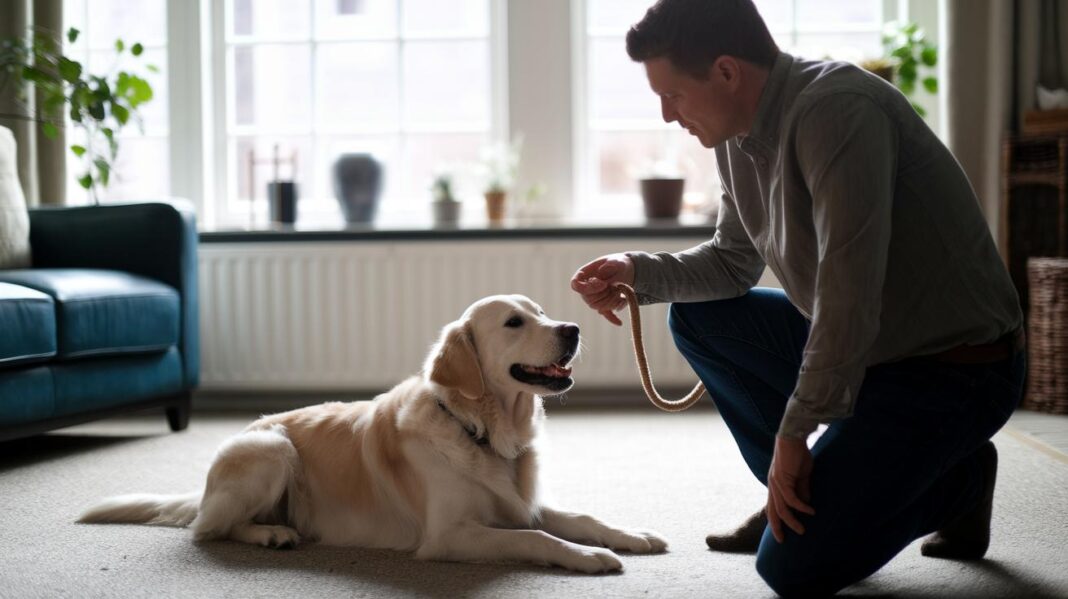
The approach retreat drill is a gentle, step-by-step way to show your dog that your presence near a favorite toy or treat is safe. Start by letting your dog play with its toy while you slowly move closer. When your dog notices you, back away right away before any stress builds up. This shows your dog that your approach does not mean the item will be taken away. Gradually shorten the distance and adjust the timing as your dog becomes more comfortable. Always use a tasty treat to reward calm behavior. For example, you might start by standing a few feet away and then move closer as your dog relaxes.
In the give and take food trade, you teach your dog that giving up a held item can lead to a reward. Hold out a high-value treat right when your dog seems unsure about giving up its favorite bite. The trick is to offer something even better than what your dog is holding so that the exchange feels like a win. Begin with calm, low-pressure trades and slowly increase the challenge as trust builds. Adjust the timing so that the treat comes at just the right moment to encourage sharing.
During supervised toy sharing sessions, you allow your dog to enjoy a toy and then gently introduce a second toy or even another pet in a safe space. Keep these sessions short and predictable. As your dog gets more at ease, you can slowly make the play area a bit more challenging or extend the session time. Use treats to celebrate when your dog willingly lets another interact with its toy. With steady practice, your dog will learn that sharing is both safe and rewarding.
Behavioral Modification Techniques in Resource Guarding Training

There are many ways to help calm a dog that guards its things. You can try board and train programs, virtual dog training, group classes, or shadow programs. These programs mix fun, reward-based redirection with lessons that teach your dog to control its impulses. Trainers also use loose leash walking, special lessons for separation anxiety (unease when you leave), and simple follow-up tips to encourage better behavior. This variety lets you pick a plan that fits your dog’s unique needs.
| Technique | Description | Ideal Setting |
|---|---|---|
| Aggression Redirection | This method uses rewards to help your dog change a reactive response into a calm one. | Board & train sessions |
| Impulse Control Games | These fun games teach your dog to pause and think before acting. | Group classes |
| Separation Integration | This combines strategies that help your dog feel safe when you are away. | Virtual training or board sessions |
| Loose Leash Context | These routines focus on calm walking and help reinforce steady behavior during movement. | Outdoor group classes |
| Post-Session Reinforcement | This approach uses extra videos and FAQs to keep up the behavior changes after the session. | Shadow programs or virtual check-ins |
Finding the right method means taking a close look at your dog's behavior. Sometimes trying a mix of these techniques can help lessen resource guarding and overprotectiveness, while building a strong, trusting bond with your pet.
Tailoring Training for Puppies and Adult Dogs in Resource Guarding
Starting young is important when dealing with a puppy that may start showing possessiveness. When you work with your puppy early on, you stop guarding behavior from turning into a long-term habit. Puppy classes that teach sharing and soft, gentle interactions can help lay a strong foundation. Many trainers agree that early, structured sessions work best, especially for adoptable dogs. They often use videos and specific tools to keep training steady and clear.
Adult dogs may have different challenges because they might have had years to develop resource guarding. For these dogs, a professional behavior program can make a big difference. Programs like board & train or virtual dog training give clear, step-by-step plans. They offer hands-on guidance through group lessons or by following along with a mentor. This method gives you quick help and a practical routine to keep guarding behavior in check day by day.
Choosing the right training method means matching your dog’s needs with what is available. Whether you decide on in-person lessons, online sessions, or a board & train program, the goal is to help your dog feel more relaxed and share more freely.
Expert Tips and Common Pitfalls in Dog Training for Resource Guarding

Try giving your dog a yummy treat when it stays calm. For example, one pet owner said, "When offered a treat, my dog sat quietly before munching away." Gradually move closer or farther away during training to help your dog feel safe. Celebrate every small win with a friendly praise to build trust and reduce fear.
Avoid using punishment that can stress your dog. Inconsistent rewards might confuse your pet and hurt the training. Also, practice in different places so your dog can learn the behavior everywhere.
Long-Term Maintenance and Preventing Relapse in Canine Resource Guarding
If you have several pets at home, set aside a special space and time for each dog during group activities. This helps reduce fights over food or favorite toys. Giving each pet its own spot can ease tension, especially if one dog seems a bit possessive.
Stick to a clear routine. Use separation during meals if needed so every dog learns that each resource has its own time and place. Many training programs offer group refresher classes and check-ins to keep progress steady. These sessions often include helpful videos and advice, along with tips on using special feeders or treat-dispensing toys to encourage sharing. This regular practice supports both new and familiar skills while letting you ask questions and celebrate successes.
Keep a close eye on your dog’s behavior. If you notice small signs of guarding, like a stiff stance during mealtimes or defensive moves during play, try adjusting the routine to help your pet feel calm and secure.
Final Words
In the action, the article outlined a balanced approach to dog training for resource guarding using 100% positive reinforcement and trust-building measures. It walked through key steps, from trust-building exercises and threshold desensitization drills to impulse control activities, resource exchange games, and maintenance routines.
These methods help counter possessive behavior and make training accessible for both puppies and adults. Remember, effective dog training for resource guarding builds confidence and benefits your pet’s wellbeing. Keep working steadily, and celebrate every small win along the way.
FAQ
Why does my dog resource guard a favorite human?
The answer is that a dog’s guarding behavior toward a loved one usually comes from fear or insecurity. This behavior signals that your pet feels the need to protect what they value and may benefit from gentle, positive training.
What are effective dog training programs for resource guarding?
The answer is that effective training uses a balanced, positive approach built on trust and clear, step-by-step methods. Look for local classes or virtual support that focus on counteracting possessive behavior through rewards and structured exercises.
How can I reduce resource guarding between dogs?
The answer is that reducing resource guarding between dogs requires structured training sessions that teach sharing and alternate turns. Consistent exercises help both pets learn calm behavior and improve their interactions over valuable items.
Can resource guarding be lessened, and how do I stop it in my dog?
The answer is that resource guarding can be eased through training that focuses on counter-conditioning and trade exchanges. Consistent reinforcement of calm, controlled behavior helps diminish the guarding tendency over time.
What is the 3 3 3 rule for dog training?
The answer is that the 3 3 3 rule is a guideline for gradually increasing the challenge during training sessions. It helps manage tasks step-by-step, building confidence and control in your dog while addressing resource guarding gently.
What breeds are more likely to show resource guarding behavior?
The answer is that while any breed can exhibit resource guarding, certain breeds known for strong bonds and protective traits may show it more frequently. Consulting a professional trainer can help tailor a plan to your dog’s needs.