

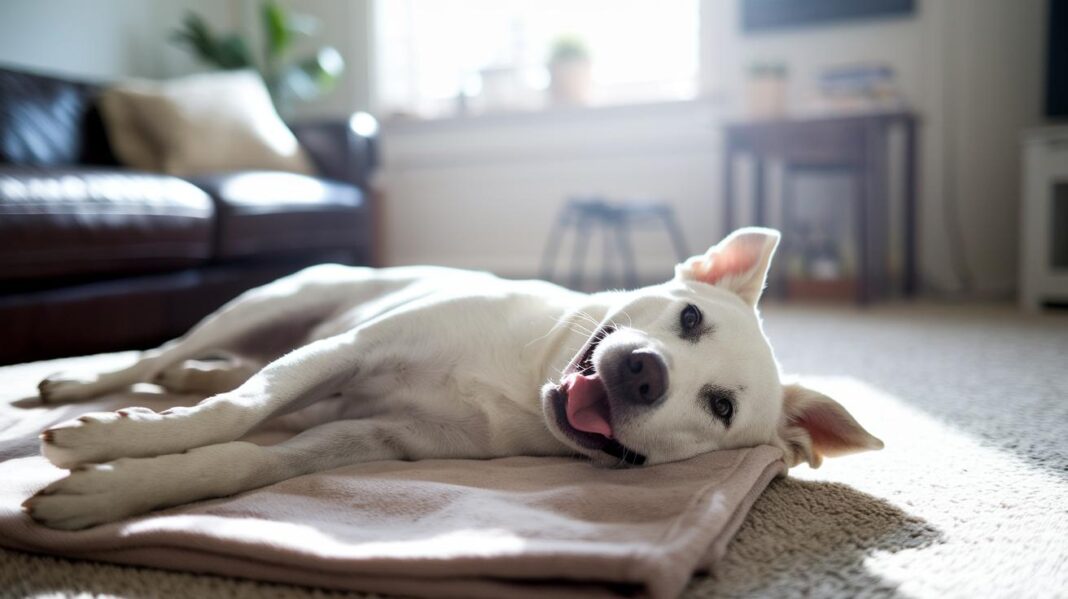

Ever notice your dog looking a little uneasy, almost like they're under stress too? Today, we’re sharing seven easy ideas to help calm your pup. Imagine a gentle pat, a quiet room, or a comfy bed that feels like a warm hug. These tips can help your dog feel safe and relaxed at home.
When you learn to spot your dog's stress signals, you can make their day brighter while strengthening your special bond.
Top Calming Methods for Stress Relief in Dogs
Dogs show stress in many ways, like pacing or whining. Here are seven simple tips to help your dog feel calm and safe at home.
- Regular exercise can help a lot. A 30-minute walk or a fun game of fetch not only tires your dog but also builds a stronger bond between you two.
- A good cuddle or gentle petting session can release feel-good chemicals in your dog's brain. This helps ease signs of nervousness.
- Try giving your dog a light massage. Begin at the neck and move slowly downward while supporting your pet. It works much like smoothing a cozy blanket over your sleeping pup.
- Soothing music is another great option. Soft tunes like classical music or nature sounds can lower your dog's heart rate and help mask scary noises.
- Create a quiet corner for your dog. A calm space with dim lights and a touch of safe aromatherapy provides a break when things get busy.
- Calming coats or t-shirts can help by giving gentle pressure, similar to a light hug. They are especially useful during travel or when there is a lot of noise.
- Homeopathic sprays like Rescue Remedy offer extra, non-invasive support during stressful times.
These tips give you quick and easy ways to help lower your dog's anxiety so they feel more secure and relaxed at home.
Recognizing Dog Stress Signs for Targeted Relief
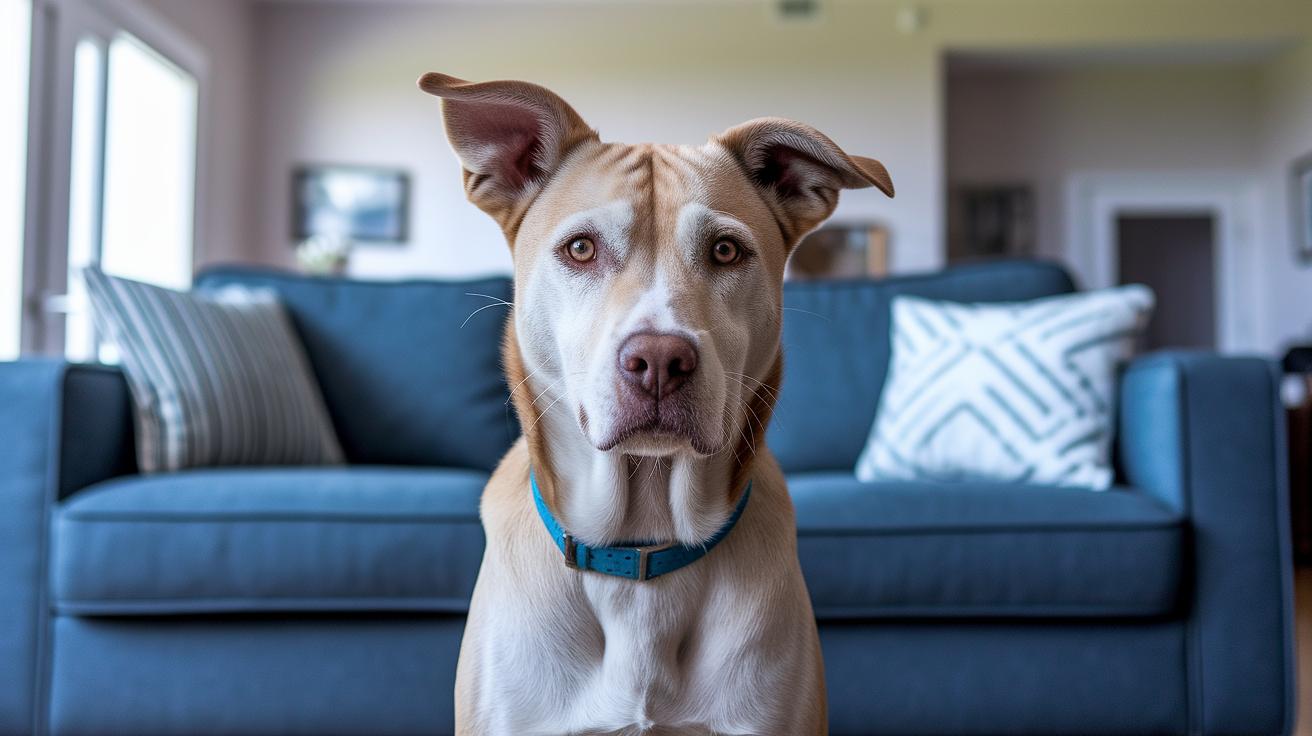
Dogs show they are stressed by acting in clear ways. When your pet seems off, these signs can help you step in early. Look out for:
- Whining or too much barking
- Pacing or trembling or shivering
- More shedding than usual
- Hiding or acting withdrawn
- Drooling or frequent yawning
- Chewing on furniture or other destructive behavior
- Accidents indoors (urinating or defecating)
- Changes in body language (crouching, ears pulled back, or showing the whites of their eyes as seen in a "whale eye")
If you hear your dog whining more than normal, it might be trying to tell you it is scared or uncomfortable. Pacing and trembling are signs of nervous energy that need your attention. Excessive shedding could be a hidden sign of ongoing stress. A quiet dog that hides or chews on furniture may be saying something is not right. Indoor accidents or a tense posture are also important clues. Spotting these eight signs early lets you comfort your pet and adjust your home environment to help ease your dog's anxiety.
Natural and OTC Stress Relief Products for Dogs
Over-the-counter supplements like L-Theanine (an amino acid that helps calm the brain) in Pet Naturals Calming Chews and Zylkene (a product made from milk protein) can help ease mild anxiety in dogs. They work by adjusting brain chemicals to encourage a calm state. Pheromone products such as Adaptil collars or diffusers mimic the natural scent of a nursing dog to offer comfort and reduce stress. Many pet owners include these in a broader plan to support their dog’s emotional health.
CBD-infused dog treats work with the endocannabinoid system (a network in the body that regulates mood and sleep). Melatonin, a hormone that helps control sleep cycles, is also used to manage noise fears or restless nights. Both of these products provide a natural way to ease anxiety, but getting the right dose is important. Always check with a vet before starting any new supplement.
Herbal remedies like valerian root, which acts on GABA receptors (parts of the brain that help you relax), and chamomile, known for its gentle calming effects, are popular choices too. Essential oils such as lavender can be soothing but should only be used under veterinary guidance because of potential risks. These non-prescription options give pet owners several safe strategies to help ease mild anxiety in their dogs.
Behavioral Strategies to Enhance Dog Calmness
Desensitization and Counterconditioning
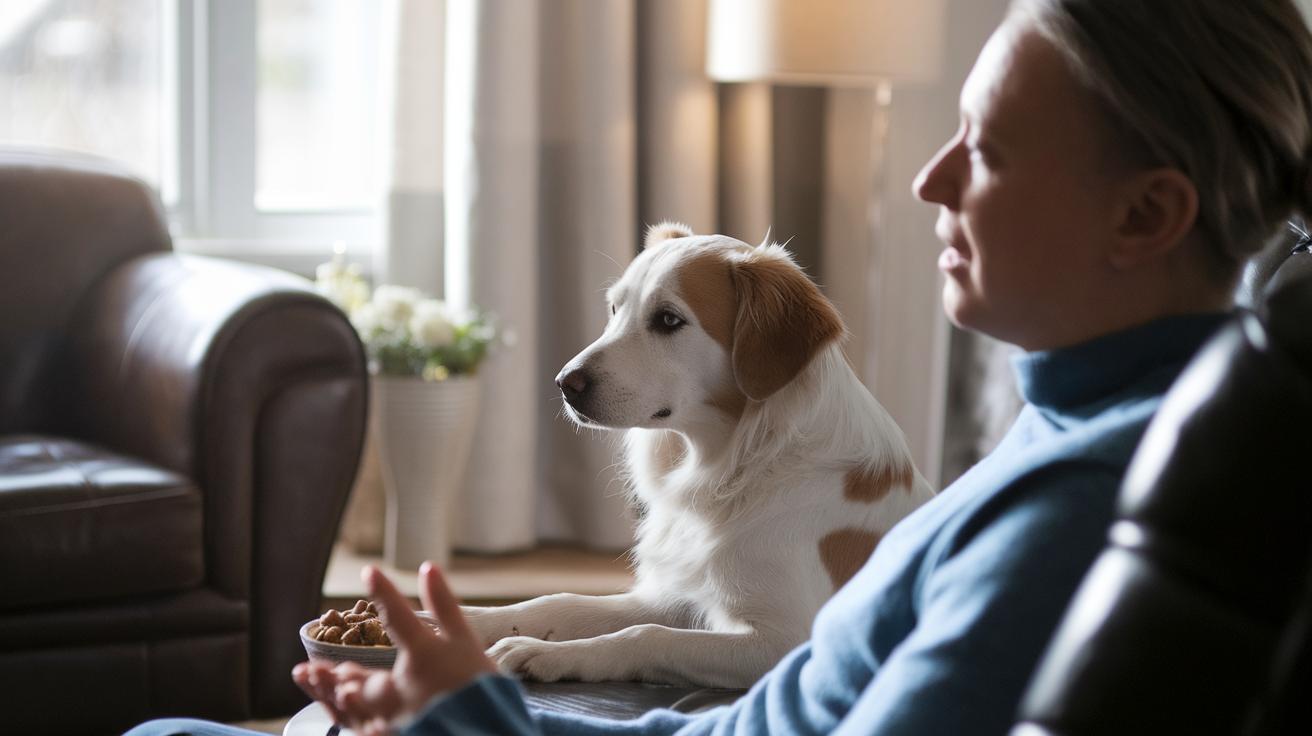
Begin by gradually exposing your dog to things that might usually make him anxious. For example, play a recording of a doorbell or soft thunder at a very low volume. While the sound is playing, offer a treat and speak in a gentle tone. This helps your dog learn to see the sound as something good rather than scary. Over time, slowly increase the volume while still rewarding his calm behavior. This step-by-step process builds his trust and helps him stay calm in everyday situations.
Pressure Therapy
Pressure therapy, like using a Thundershirt anxiety jacket, can be a quick way to ease stress. The firm, even pressure feels like a comforting hug, which can lower stress hormones in about 30 minutes. When your dog wears this pressure garment during noisy or busy times, it can help him feel secure and less on edge. Think of it as a reassuring squeeze telling him, "You're safe." This simple trick works without any extra training and offers fast relief when he feels overwhelmed.
Mental and Physical Exercise
Regular exercise and fun mental activities are key to reducing anxiety. Try combining a 30- to 60-minute walk with playful activities that challenge his thinking. For example:
| Activity | Description |
|---|---|
| Quiet Walks | Take a gentle stroll in a calm area to help him relax. |
| Chew Toys/Treat Puzzles | Use toys that make him think and focus on getting a treat. |
| Fetch or Gentle Play | Engage in games that let him burn off extra energy. |
This mix of physical exercise and brain games helps channel nervous energy into positive activities, keeping your dog happier and calmer.
Creating a Calming Environment for Dogs
Start by setting up a special spot for your dog. Use a crate or a small area filled with soft blankets and favorite toys. Think of this as a cozy hideaway where your dog can feel safe during thunderstorms or fireworks. Studies show that having a den-like space can help lower stress hormones. Fill the space with items your pet loves to boost their comfort and confidence.
Next, add some gentle background music. Try playing soft tunes or natural sounds at around 50 decibels (about the quiet hum of a small fan). This kind of peaceful music helps keep your dog’s heart steady. Picture a quiet stream flowing, it fills the room with a calm, reassuring sound.
Finally, include a soft scent using a diffuser. Some diffusers release gentle pheromones or a mix of lavender, chamomile, and geranium oils. This light aroma can cover up sudden loud noises and help ease any noise sensitivity. All these little touches work together to create a space that helps your dog relax and feel at ease.
Managing Noise and Separation Anxiety in Dogs

Try a simple routine to ease your dog's separation anxiety. Begin with short departures. Leave your dog alone for about five minutes. When you return, reward calm behavior with a treat or gentle praise. Gradually introduce crate training as a safe and cozy space. This steady routine teaches your dog that you always come back, reducing his fear of being alone.
For noise fears like thunder or fireworks, set up a quiet spot ahead of time. About 15 minutes before the noise begins, bring your dog to a calm room. Play soft background music with nature sounds to help cover sudden loud noises. You can also spray a pheromone product (a calming product that uses natural scents) to ease his stress. This combined approach helps create a buffer against startling sounds, so your dog feels safer.
If your dog struggles with nighttime restlessness, try using a veterinarian-approved dose of melatonin. Incorporate a consistent evening routine that might include a brief walk to burn off extra energy followed by settling into a dim, quiet room. This reliable routine signals that it is time to sleep, helping your dog relax and feel secure at home.
When to Seek Veterinary Support for Dog Stress Relief
If your dog seems anxious all the time and it really affects their day, it's time to talk to your vet. They can prescribe medicines like Fluoxetine (Reconcile), Clomipramine (Clomicalm), or Trazodone to help with long-lasting or situational anxiety. For sudden stress, short-term drugs such as Alprazolam are an option.
Your vet will choose the right dose just for your dog and watch carefully for any side effects. Sometimes, they might ask for a blood test and have you keep a simple log of your dog's behavior for about four to six weeks. This helps make sure the treatment stays safe and effective as your pet's needs change.
Often, the best way to ease your dog's stress is to mix medicine with behavior tips. Your vet might also suggest extra exercise or other calming activities at home. This balanced plan takes into account your dog's health history and daily life, offering a safe way to ease their stress and boost overall wellbeing.
Final Words
In the action of easing your pet's worries, we covered simple ways to help dogs relax. We explored calming activities from exercise and cuddling to gentle massage and music. You learned to watch for signs like pacing and hiding, and discovered both natural products and behavior tips that bring comfort. Setting up a safe, quiet space and knowing when to consult a vet can make all the difference. With these insights, stress relief for dogs becomes a reachable, effective goal, helping your furry friend feel calm and cared for.
FAQ
What are some home remedies for relieving stress in dogs?
The home remedies for relieving stress in dogs include exercise to tire them out, gentle massage, cuddling to release comforting endorphins, and setting up a quiet space with soft music to soothe anxiety.
What over-the-counter products and supplements help relieve dog stress?
The over-the-counter products for dog stress relief include calming chews with L-Theanine, Adaptil diffusers releasing soothing pheromones, CBD-infused treats, melatonin for noise phobias, and herbal options like valerian and chamomile.
What are critical signs of stress in a dog?
The critical signs of stress in a dog include excessive barking or whining, pacing, trembling, drooling, destructive chewing, unusual posture, and behaviors such as hiding or frequent yawning.
How can I quickly and naturally calm a stressed dog?
The quick and natural methods to calm a stressed dog involve using gentle petting, a quiet space with dim lighting, soft classical music, and calming aromatherapy, which can lower their stress almost instantly.
What is considered the best approach for relieving stress in dogs?
The best approach for relieving dog stress blends a stable routine with environmental enrichment, physical exercise, affection, and, when necessary, natural supplements or over-the-counter products to support overall calmness.