

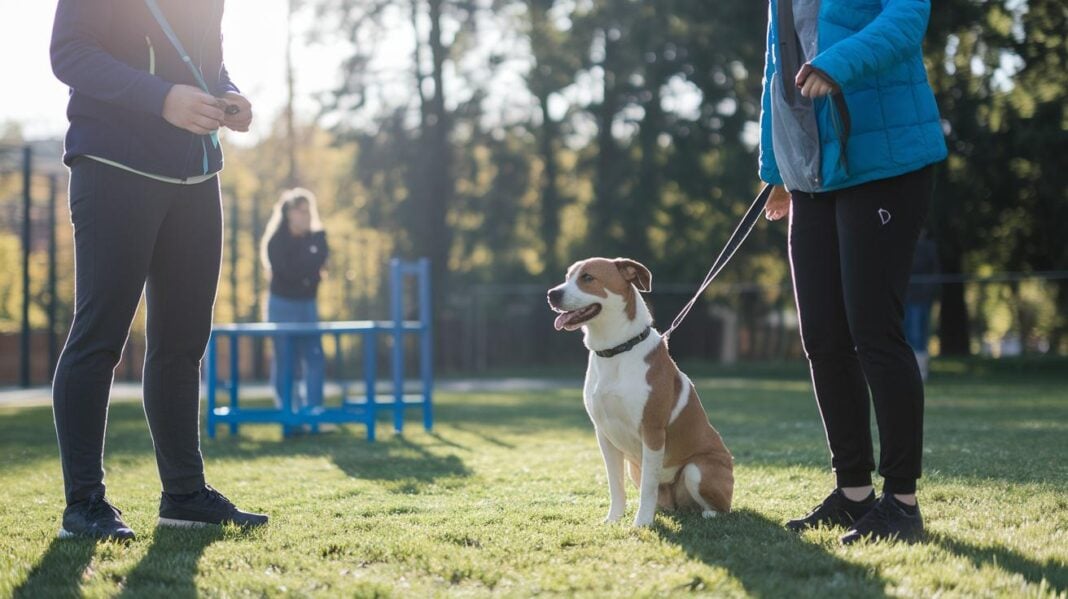

Ever notice that some dogs learn faster than others? The trick is to use short, clear commands and lots of praise and treats. These simple steps help your pet trust you and learn good behavior.
Think of training like putting together a puzzle. Each small step, like giving a command or offering a reward, builds your dog’s confidence and eagerness to learn.
In this guide, you will find easy tips to create a strong bond with your dog while teaching basic commands one step at a time. Let’s work together to help your furry friend become a happier, more reliable companion.
Core Principles of Dog Obedience Training
Good dog training starts with three key ideas: a solid foundation in basic skills, a clear game plan, and plenty of patience. Think of it like building a sports team. First, focus on simple commands. Then, as your dog learns, slowly add more challenging steps. For instance, keep it simple by saying "Sit, good job!" each time your dog sits when asked. This clear plan helps both you and your furry friend know what comes next.
Positive rewards work wonders in dog training. Treats, kind words, and a quick click from a clicker (a small tool that makes a sound to mark the right moment) all encourage good behavior right away. When you hear that click as your dog sits, it learns faster and feels happy about doing well. This method not only makes training fun but also strengthens the bond you share with your dog.
There is plenty of help available to make training easier. Free videos, a handy Training Library, and fun podcasts can show you how to break commands into small, manageable steps. These tools ensure each training session stays short, fun, and effective. With each practice session, your dog gains more confidence and reliability, making every moment count.
Step-by-Step Dog Obedience Training Program
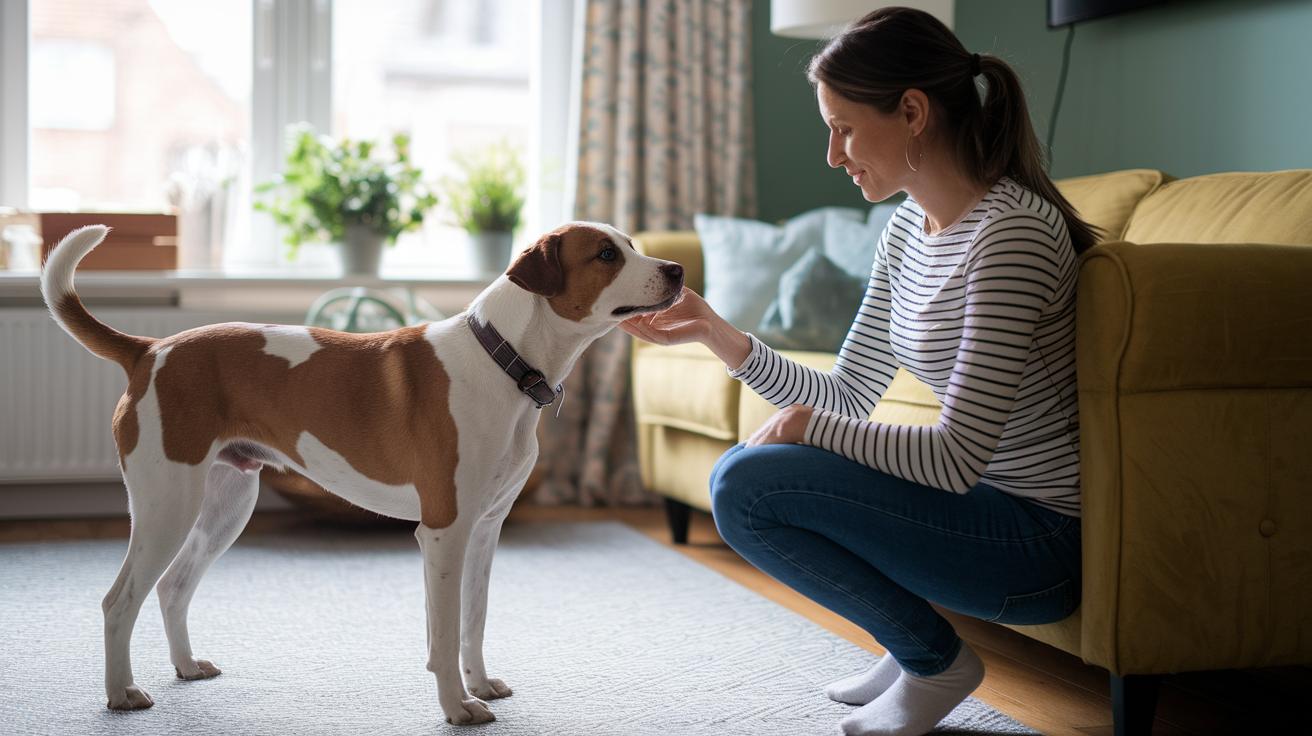
Start with one simple task at a time. Use clear words and gentle commands. Keep each session short and fun. A clicker (a small tool that makes a consistent sound) or a special word can help mark the right moment when your dog does well. Here’s a friendly guide you can follow:
- Name Recognition – In a quiet room, call your dog's name and offer praise or a small treat when it comes to you. This builds a solid start for all future training.
- Sit – Hold a treat near your dog's nose and slowly lift it above its head. Once your dog sits, say "Sit" and reward it right away.
- Stay – With your dog in a sit position, say "Stay" and take one small step back. If your dog remains in place, give it a treat. Gradually increase how far you step back over time.
- Come – Turn away from your dog and call "Come!" in a friendly tone. When your dog responds quickly, shower it with praise and treats.
- Heel – Walk beside your dog and use "Heel" as a reminder to stick close. Reward your dog when it stays by your side.
- Recall – In a distraction-free spot, practice calling your dog from a short distance. Reward it for coming back swiftly and accurately.
- Off-leash Control – When your dog is comfortable with these commands, try some off-leash practice in a safe area. Keep reinforcing commands like recall and stay, using your clicker to mark the best behavior.
Home-Based Setup for Effective Dog Obedience Training
Start by choosing a quiet part of your home with safe, non-slip flooring so your dog feels secure while learning. Pick a spot where there are few distractions to help your pet focus and follow simple commands with ease.
Next, gather the basic tools you need. You’ll want a clicker (a small tool that makes a sound to mark good behavior), a 6-foot leash, a treat pouch, and a flat collar or harness that keeps your dog comfy and controlled. Adding a few interactive toys can also make the learning process fun and keep your pup interested.
Make sure you choose equipment carefully by checking trusted reviews from reliable sources. With the right setup and tools, your dog will pick up commands more quickly and start showing better manners over time.
| Tool | Purpose |
|---|---|
| Clicker | Marks good behavior immediately |
| 6-foot leash | Helps manage movement during training |
| Treat pouch | Keeps rewards handy for quick praise |
| Flat collar/harness | Keeps your dog comfortable and secure |
| Interactive toys | Makes training engaging and enjoyable |
Professional Dog Obedience Training Services
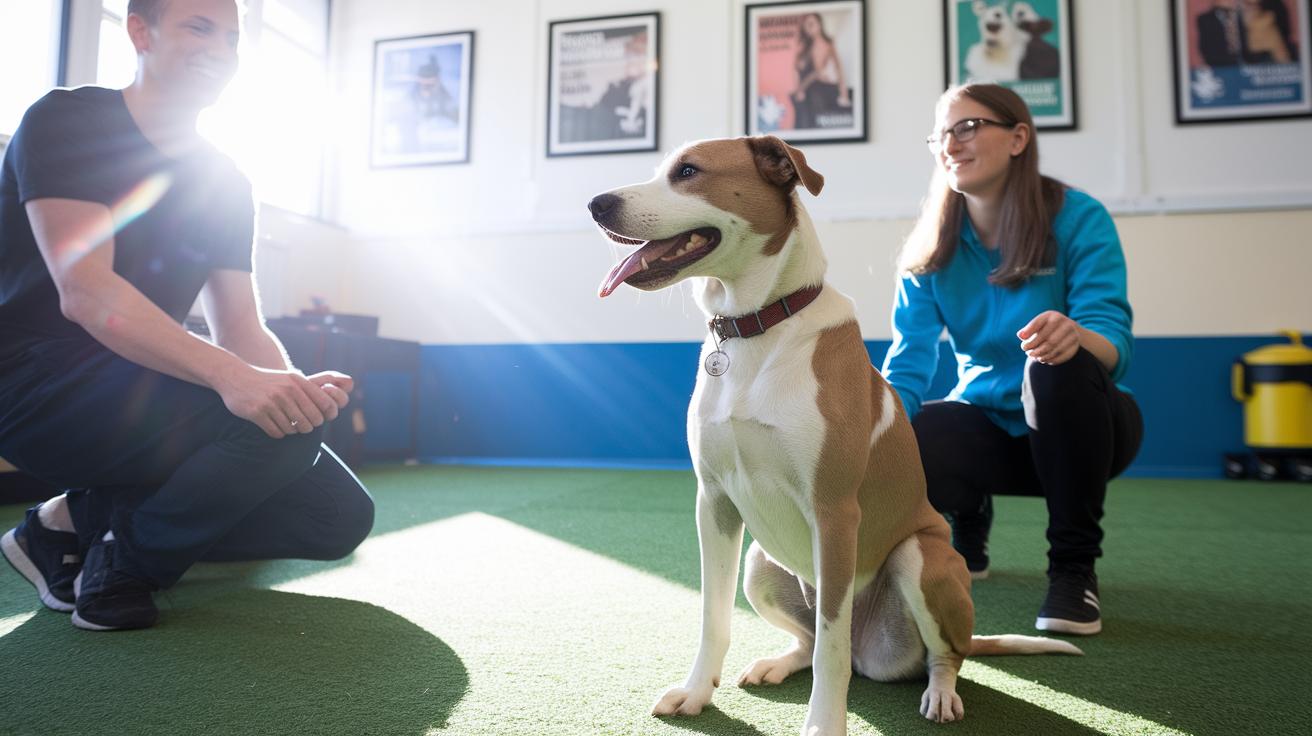
If you're looking to boost your dog's obedience, professional training might be just what you need. A free 15-minute call at (719) 646-1422 helps you choose the perfect fit for your dog's needs. Whether you prefer learning with others or one-on-one coaching, these services use positive reinforcement and clear language to make training fun and effective.
Group Classes
Group classes are a friendly way for your dog to learn with other pets. These sessions cover topics like puppy socialization, basic obedience, and more advanced skills. You can choose from regular day sessions, weekend boot camps, or community seminars that offer new tips and tricks. These classes help your dog build confidence and learn social skills in a supportive setting.
Private & In-Home Lessons
For personalized help, private lessons offer one-on-one training focused on your dog's unique challenges. These sessions come in 30- or 60-minute blocks and can take place at your home to reduce distractions or online through video calls. This customized training not only improves how your dog follows commands but also strengthens the bond between you and your pet. Enjoy a path to lasting obedience and a happier home together.
Behavior Correction Techniques in Dog Obedience Training
If your dog gets scared, pulls on the leash, or barks too much, a careful check is needed. Start by setting up an appointment with a professional who can spot exactly what troubles your pet. Watch how your dog reacts in different places and times. This helps decide if counter-conditioning (a way to swap out bad feelings for good ones) is needed. These steps help set a safe stage for changing behavior while building trust.
When it comes to separation anxiety, a gentle, step-by-step plan works best. Begin with very short times apart and give lots of praise or treats when your dog stays calm. Slowly, as your dog gets more comfortable, these little breaks get longer. This approach turns a stressful situation into a learning chance and helps your pet feel safe when alone.
Positive rewards are the heart of correcting behavior. Instead of using any physical punishment, choose treats, kind words, or a clicker to show your dog they’re doing well. This method helps turn a negative reaction into a calm, better behavior. Stick with these daily practices and you will see improvements fast.
Case Studies and Success Stories in Dog Obedience Training
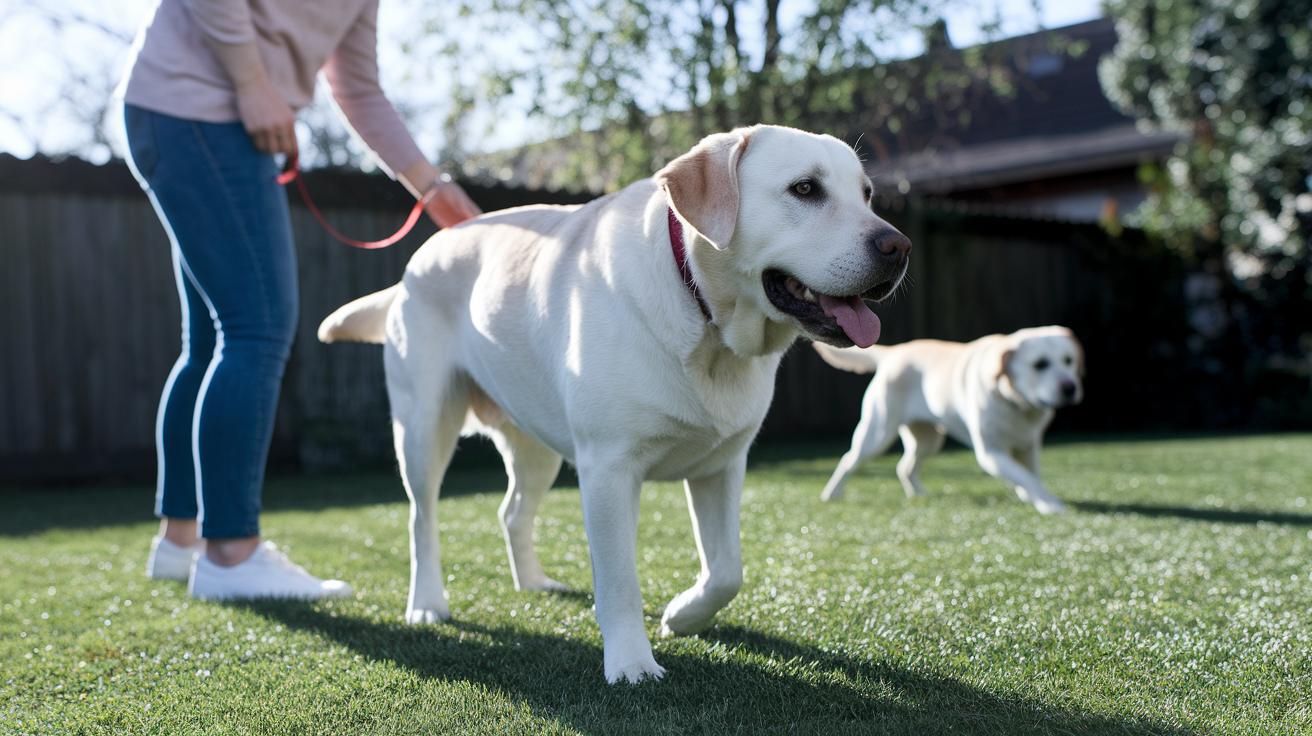
One Labrador took to a three-part training plan and showed amazing progress. Using basic commands, clear instructions, and plenty of rewards, the dog learned to walk by its owner's side (heel), come when called (recall), sit from a distance (remote sit), and behave well off leash in safe spots. The owner used clickers and treats to make each session fun and effective. For example, every time the dog answered its name in different settings, it earned praise and tasty treats that boosted its good behavior.
Another Labrador struggled a bit with remote sit when there were distractions. With daily practice and patient guidance, the dog slowly learned to stay focused and follow commands even when things got busy.
By joining the Dog Bone Training Library, pet parents can save over 10% on future training resources. This extra benefit supports ongoing learning and helps build lasting, positive habits. These stories show that steady, respectful training really makes a difference and can inspire pet owners to keep working with their furry friends.
Final Words
In the action, we covered solid steps on dog obedience training through clear principles and practical routines. The guide showed a step-by-step program with basic commands, a home setup using clickers and treats, and tips for professional help. We also touched on behavior correction methods and real case studies. With positive reinforcement at its core, dog obedience training helps your pet build good habits. Keep practicing, and enjoy the progress with your furry friend.
FAQ
Where can I find dog obedience training options in areas like California, Texas, or near me?
Dog obedience training near these areas means checking local pet centers, community classes, and online directories that list nearby trainers and sessions.
What are the available home-based and online dog obedience training options?
Home-based and online dog obedience training means you can practice commands at home with free videos, virtual coaching, and interactive online courses that use positive reinforcement.
What basic obedience lesson plans, training books, or free dog obedience training resources exist?
Many resources offer a basic lesson plan, training books, and free online videos that guide you step-by-step, making it easier to start with a clear, positive approach to training.
What is the 7-7-7 rule for dogs?
The 7-7-7 rule for dogs means practicing commands for 7 consecutive days, with 7 short sessions daily and 7 repetitions per command to build strong, reliable habits.
What is the best age to start dog obedience training?
The best age for dog obedience training means beginning when puppies are around 8 to 12 weeks old, as young dogs are eager to learn basic commands and build good behavior early.
What are the 7 most important dog commands every dog should know?
The 7 most important dog commands include sit, stay, come, down, heel, leave it, and wait, which promote safety, good behavior, and clear communication between you and your dog.
How much will it cost to train my dog?
Dog training costs mean budgeting for various options—from group classes starting around $50 to private sessions that may cost several hundred dollars, depending on the format and trainer.