



Have you ever noticed your pet rat zip around with so much energy? It might be because of the food it eats. A balanced diet with quality pellets, fresh veggies, and a little fruit can make your little buddy feel bright and bouncy.
Good food helps build strong muscles and keeps the digestion (the process that turns food into energy) smooth. In other words, the right mix of treats helps your pet rat stay playful and active throughout the day.
This guide will walk you through simple steps to set up a nutritious meal plan. We’ll share easy tips that even a busy pet parent can follow.
By choosing the right ingredients each day, you can enjoy watching your rat scurry around happily. Try out these ideas and see how small changes in food can lead to big benefits for your furry friend.
Key Components of a Balanced Pet Rat Diet
Pet rats do best on a simple, balanced diet. Start with high-quality pellets, add fresh vegetables, and include just a little fruit. Pellets should make up about 60 to 70% of their meals. They pack in important vitamins and minerals that your rat needs. Next, offer about 20 to 30% of their food as fresh veggies like kale, romaine lettuce, or carrots. These provide natural fiber and extra vitamins. Keep fruits to roughly 5 to 10% to avoid too much sugar and potential tummy troubles. A meal combining these elements gives your pet rat a healthy and complete diet.
Getting the right mix of protein, fat, and fiber is crucial. Aim for a protein level of around 16 to 18% daily. Protein (the building block of muscles) helps with energy, growth, and keeps their muscles strong without stressing their kidneys. The pellets are made to balance these nutrients, so you don’t have to mix too many ingredients at home. By controlling fat and adding extra fiber from vegetables and pellets, you help your little friend digest food well and keep a healthy weight.
Since pet rats are always on the go, they do well with small, frequent meals. Try to give each rat about 1 to 2 tablespoons of food several times a day. This fits their fast metabolism and steady energy needs perfectly. Don’t forget to offer fresh water each day. About 50 to 100 ml (roughly 1.7 to 3.4 ounces) per rat is ideal, and using a good water bottle makes sure they stay hydrated and helps with smooth digestion.
Pellets and Commercial Feeds: The Foundation of Pet Rat Nutrition
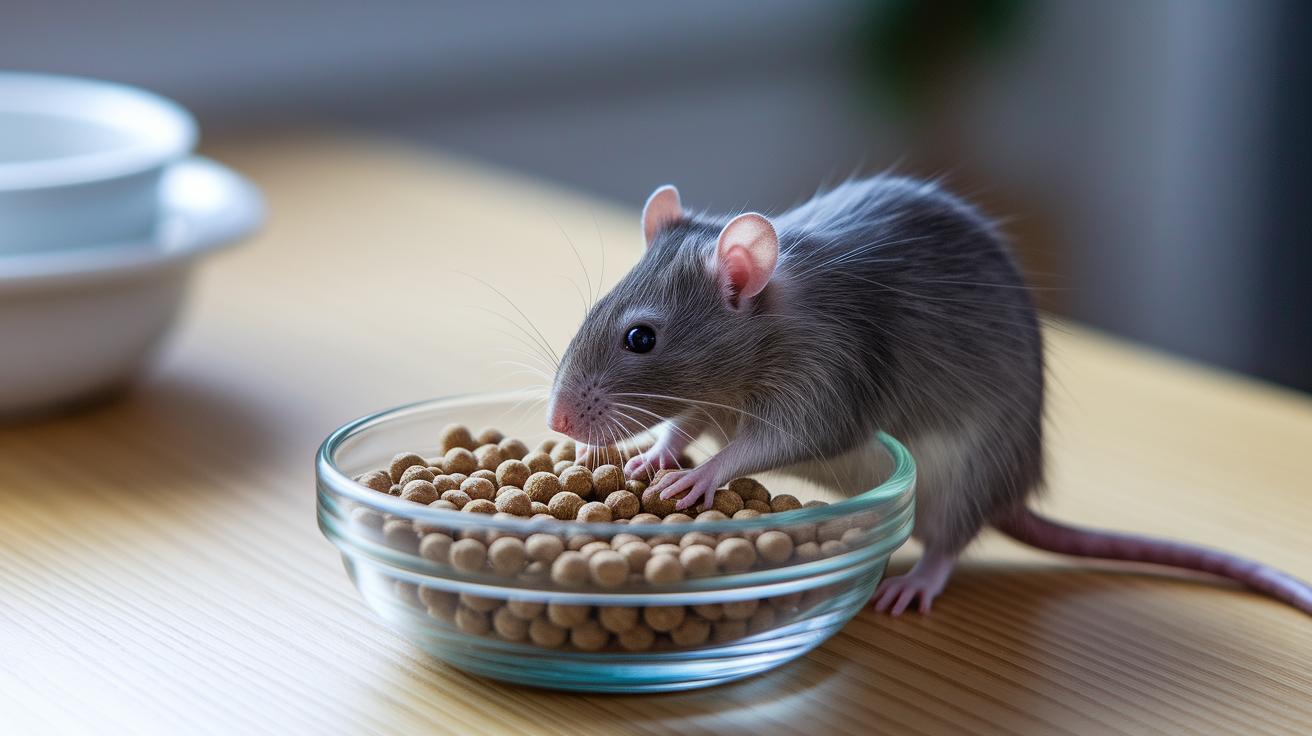
Commercial pellet feeds, like Exotic Nutrition Rodent Blocks, pack in key vitamins and minerals to keep your pet rat healthy. They are made with a balanced mix of protein, fat, and fiber, making them a perfect staple for your rat's meals. This full nutrition supports a strong immune system, healthy muscles, and smooth digestion. Using these pellets makes meal planning easy and keeps feeding routines simple.
When you choose quality pellets, you help prevent gaps in your rat's diet that can happen with seed or nut mixes. Those unbalanced blends might make your rat pick at treats, leading to too much fat or not enough vitamins. On the other hand, pellets deliver the right nutrients every time. They are the heart of a balanced diet and help your pet stay happy and healthy.
Fresh Vegetables, Fruits, and Fiber Sources for Pet Rats
Leafy greens and root vegetables pack in important vitamins and minerals that your pet rat needs. Rotate choices like kale, romaine lettuce, and carrots to keep meals fun and balanced. For example, offer a few crisp pieces of kale to provide vitamin A, vitamin C, and potassium without too many extra calories.
Fruits such as apples or pears bring a gentle sweetness while keeping sugar levels low. Stick to small pieces so your rat enjoys natural flavors without the risk of energy spikes or upset digestion.
Fiber is essential for a healthy gut. Add soluble fiber sources like oats and flaxseed (which absorb water to soften stools, much like a gentle, nutritious mash) along with insoluble fiber like wheat bran that helps food move through the gut and supports a healthy weight.
Protein Sources and Treats for Captive Rats

Adding extra protein and tasty treats to your pet rat's meals can boost their energy and help keep their diet balanced. A little extra protein helps reach the goal of about 16–18% protein in their food. It also makes mealtime more fun. Just remember to give treats sparingly so your rat doesn’t gain too much fat or put strain on its kidneys.
Animal Protein Snacks
Try offering snacks like mealworms, bits of hard-boiled egg, or small pieces of lean poultry a couple of times a week. For example, you might give a few mealworms or tiny egg pieces 2 or 3 times weekly. These treats give your rat extra protein that supports strong muscles and steady energy without overloading their diet. They’re a simple way to add a nutritional boost while keeping meals balanced.
Nutritious Plant-Based Treats
Plant-based treats can round out your rat’s diet with healthy fats and vitamins. Offer unsalted sunflower seeds, about half a teaspoon 2 or 3 times per week works well. You can also add small bits of fruit or leafy greens for a sweet, low-fat option. Just be careful with the portions so your rat doesn’t get too much sugar. Mixing these plant treats with other foods gives your pet a variety of flavors and nutrients while keeping calories in check.
Feeding Schedule and Portion Control for Pet Rats
Pet rats burn energy fast. Giving them small meals throughout the day matches their high metabolism and prevents overeating. Splitting up meals helps keep their energy even and aids digestion.
| Feeding Time | Portion Size (per rat) | Notes |
|---|---|---|
| Morning | 0.5 tbsp pellets + 0.5 tbsp veggies | Big meal |
| Afternoon | 0.5 tbsp pellets + 0.5 tbsp veggies | A little snack |
| Evening | 0.5 tbsp pellets + optional treat | Last meal before a break |
Check your rat’s weight often and adjust portions if needed. Sticking to a regular feeding time helps keep their energy steady. Notice how your rat behaves during meals, watch its activity and weight changes. Even small changes in meal timing or amount can boost its overall health. Use this schedule as a guide to keep your rat fit and happy, and remember to check on it regularly.
Foods to Avoid: Ensuring a Safe Pet Rat Diet

Your pet rat's stomach is very sensitive. Foods that are too acidic or spicy can upset its belly and cause discomfort. Greasy, high-fat treats might lead to weight gain and put extra pressure on its kidneys, while too much salt can also be harmful. Items like chocolate, drinks with caffeine, and raw beans are toxic to rats and should never be given.
Here is a quick list of foods to avoid:
| Food Type | Examples |
|---|---|
| Spicy items | Peppers and seasonings |
| Citrus fruits | Oranges, lemons |
| Fried or fatty meats | Bacon, sausage |
| Salty snacks | Chips, pretzels |
| Toxic treats | Chocolate and caffeinated products |
| Raw legumes | Raw beans and similar foods |
When choosing extra treats, look for low-fat options that provide good nutrients without any harmful extras. And don’t forget, fresh water should always be available. By choosing safe, mild treats and avoiding risky foods, you help keep your pet rat healthy and its tummy happy.
Homemade Recipes and Meal Planning Strategies for Pet Rats
Batch cooking can make feeding your pet rat both easy and fun. It saves you time and lets you control portions while keeping meals fresh. When you mix ingredients in advance, you can stick to the 70% pellets, 20% veggies, and 10% grains rule. This balance helps your pet get about 16–18% protein and offers both soluble and insoluble fiber (the kind that helps digestion). Plus, prepping ahead lets you swap in seasonal greens and different flavors to keep meals interesting.
Creating a menu plan also gives you the freedom to rotate recipes. Changing up the mix of vegetables and grains introduces new vitamins and minerals each time. By making small batches, you can keep an eye on food quality and adjust ingredients easily, so you aren’t scrambling each day.
Veggie-Pellet Mash Recipe
Start with 70% quality pellets. Next, add 20% finely chopped vegetables like kale or carrots, then mix in 10% grains such as brown rice. Stir everything together until it looks even. Store the mash in an airtight container in your refrigerator and use it within one week to keep the nutrients and texture just right.
Protein-Enriched Snack Blend
Mix pellet crumbles with small bits of cooked egg, a teaspoon of oats, and a pinch of flaxseed. This snack is a great way to boost protein and add extra fiber for digestion. Offer about one teaspoon per rat as a special treat. Make only a small batch and keep it in a cool, dry place for up to three days.
Final Words
In the action, the article walked through creating a balanced pet rat diet with a mix of fortified pellets, fresh vegetables, and fruits. It broke down nutrient requirements, portion control, and safe treat options to guide proper protein levels and hydration. The blog also highlighted which foods to avoid for your pet’s well-being. Clear scheduling tips ensure that your pet maintains steady energy without overeating. Stick to these guidelines, and you’ll set up a meal plan that keeps your pet safe, healthy, and thriving.
FAQ
What should a pet rat diet chart include?
A pet rat diet chart includes 60–70% high-quality pellets, 20–30% fresh vegetables, and 5–10% fruits, with small amounts of proteins and treats to meet nutritional needs.
What is the best diet for a pet rat?
The best pet rat diet relies on fortified pellets for essential nutrients, complemented with fresh vegetables, fruits, and occasional protein sources while avoiding acidic, high-fat, or high-salt foods.
What kind of food do rats like to eat?
Rats enjoy nutrient-dense pellets along with leafy greens, carrots, and safe fruits; they also like small portions of protein treats such as mealworms or cooked egg bits.
What human food is safe for pet rats?
Safe human foods for pet rats include small pieces of apple, pear, and plain cooked egg, but they should avoid spicy, sugary, or salty foods like chocolate or caffeinated products.
How much does a rat eat per day?
A pet rat typically consumes 1–2 tablespoons of food per day, split into several small meals to match its high metabolism and maintain steady energy levels.
Can rats eat hamster food?
Rat diets require specific nutritional balances that may not match hamster food; thus, it is best to stick with foods formulated for rats to ensure complete nutrient intake.
Can pet rats go a day without food?
Pet rats should not skip a day of food because their high metabolism needs regular meals, and missing food can upset their energy balance and overall health.
What are some examples of commercial rat food brands?
Examples of commercial rat foods include Mazuri, Bulk Rat Food, Science Selective Rat Food, and Oxbow Rat Food, which provide consistent vitamin and mineral content.
What is a practical pet rat feeding chart?
A practical feeding chart divides food into set times—morning, afternoon, and evening—allocating measured portions of pellets, vegetables, and an optional treat to maintain a balanced diet.