

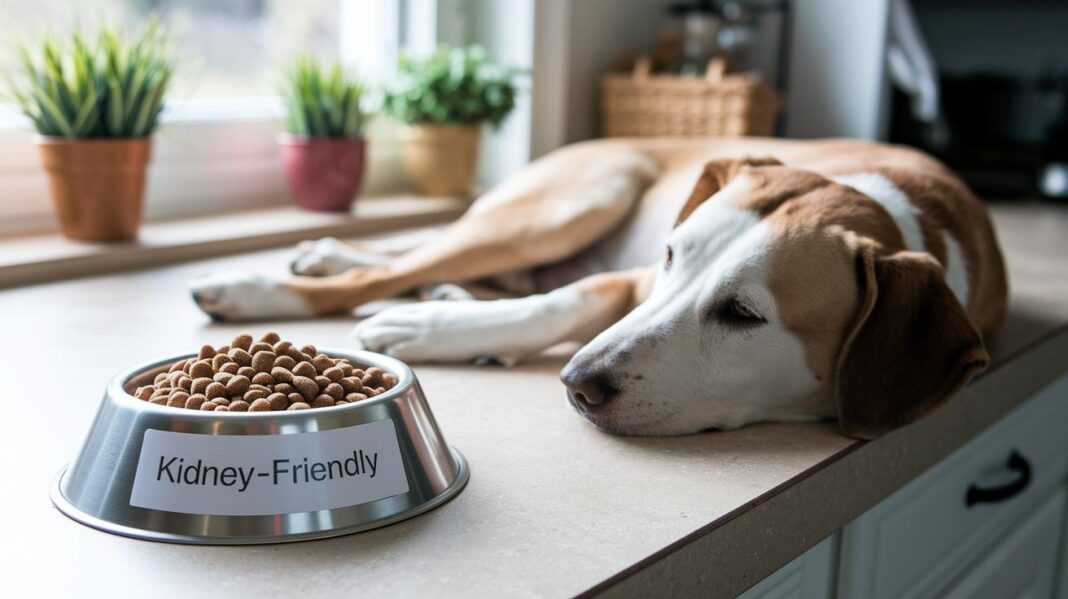

Is your dog showing hints of kidney trouble even though you feed a good diet? A kidney-friendly meal plan may be just what your pet needs to feel better. This special diet lowers extra protein, phosphorus, and sodium, and adds omega-3 fatty acids (healthy fats) to help tired kidneys rest easier. When kidney issues sneak up on our furry friends, knowing how these changes help can make all the difference. In this guide, we'll show you how this balanced approach can support stronger kidney function and lead to a happier, healthier dog.
Core Principles of a Renal Diet for Dogs
A renal diet for dogs is a special meal plan that helps support kidney health by adjusting key nutrients. This diet provides high-quality protein (about 14–16% on a dry matter basis) so your dog gets enough amino acids without overloading its kidneys. It also includes measured amounts of omega-3 fatty acids (EPA/DHA) to help reduce inflammation. Phosphorus is kept between 0.3% and 0.6%, and sodium is kept below 0.3% to protect the kidneys from further damage. Plus, there’s a unique Nitrogen Trap Fibre System that works like a filter to catch waste from protein metabolism.
Reducing protein helps ease the burden on tired kidneys by lowering toxin production. Keeping phosphorus in check prevents harmful calcium deposits, while low sodium helps maintain normal blood pressure and reduce extra fluid buildup. The omega-3 fatty acids work to calm inflammation and may slow disease progression. And with the special fiber system trapping nitrogen waste, your dog’s body can avoid extra complications. Each nutrient is measured carefully to support kidney function and make life better for dogs facing kidney challenges.
Nutritional Components in a Dog’s Renal Diet

Getting the right mix of nutrients is essential for a dog on a kidney-friendly diet. Studies show that careful adjustments to the diet can cut down on toxins and help the kidneys work less hard. One vet shared that lowering protein to about 15% not only provided the needed amino acids but also nearly stopped a dog’s vomiting, making the pet feel much better.
- Reduced protein (14–16% on a dry matter basis): Keeps waste levels low by limiting how much amino acid breakdown occurs.
- Controlled phosphorus (0.3–0.6%): Helps avoid extra calcium deposits that could hurt kidney tissue.
- Restricted sodium (below 0.3%): Supports proper fluid balance and blood pressure, easing extra strain on the kidneys.
- Added omega-3 fatty acids: Includes EPA and DHA (healthy fats) that lower inflammation and support kidney health.
- Specialized fiber (NTF): Binds extra nitrogenous waste in the gut, making it easier for the body to remove it.
Balancing these nutrients helps the kidneys do their job without being overwhelmed. Adjusting each element in the diet not only lightens the workload on the kidneys but also supports overall stability in your dog’s metabolism.
Comparing Prescription vs Homemade Renal Meal Guidelines for Dogs
Commercial renal diets from your vet go through strict tests to make sure each nutrient is balanced just right. Products like Hill’s Prescription Diet k/d and Royal Canin Veterinary Renal are made to help your dog’s kidney health by controlling protein, phosphorus, and sodium. For example, Hill’s k/d has 13% protein, 0.5% phosphorus, and 0.25% sodium to help slow down kidney disease.
Homemade renal meals need extra careful planning and guidance from your vet to match those controlled levels. Home recipes aim to copy these nutrient targets but even small changes can affect kidney support.
| Diet Name | Protein (%) | Phosphorus (%) | Sodium (%) |
|---|---|---|---|
| Hill’s k/d | 13 | 0.5 | 0.25 |
| Royal Canin Renal | 15 | 0.4 | 0.3 |
| Specific CKW | 14 | 0.45 | 0.27 |
| Eukanuba Renal | 14.5 | 0.42 | 0.28 |
| Typical Homemade Ratios | 14 | 0.6 | 0.3 |
Vet-prescribed diets give a steady, science-backed recipe that many pet owners trust to manage kidney disease safely. Their strict quality checks and careful formulation might cost a bit more, but they offer reliable results. Homemade meals give you the flexibility to choose different ingredients, which can be helpful if your dog has oral pain or doesn’t care for commercial brands. Just remember that even small errors in mixing protein, phosphorus, sodium, or other key nutrients could impact your dog’s kidney health.
Crafting Homemade Renal-Friendly Recipes for Dogs

When you make kidney-friendly meals for your dog, choose lean, easy-to-digest foods. Avoid foods high in phosphorus, like dairy and organ meats. Stick with lean proteins such as chicken breast or egg whites. Use low-phosphorus carbs like white rice or sweet potato. A few drops of fish oil add healthy omega-3 fats. And don’t forget extra water to keep your dog well hydrated. This kind of meal helps support your dog’s kidneys while giving a gentle, tasty dish.
Chicken & Rice Kidney-Support Recipe
- Poach a boneless, skinless chicken breast quietly in water until it is fully cooked.
- Chop the chicken into small, bite-sized pieces.
- In another pot, cook white rice gently until it is soft.
- Mix the chicken and rice together and add a small splash of fish oil. Stir to spread out the healthy fats.
- Let the meal cool before serving your dog.
This recipe is a balanced treat. It offers lean protein with a low phosphorus count and adds extra water for hydration. It is a light meal that even picky eaters may enjoy.
Egg White & Sweet Potato Kidney-Support Recipe
- Lightly beat egg whites and cook them in a nonstick pan without any oil until they are firm.
- Boil or steam a peeled sweet potato until it is soft enough to mash. Do not add salt.
- Mash the sweet potato well and mix it with the cooked egg whites.
- Add a few drops of fish oil and a little extra water to keep the dish moist.
- Stir the mix until it is combined.
This recipe provides a change in taste and texture while giving your dog essential proteins. It supports kidney health and makes mealtime interesting. Enjoy watching your dog savor this warm, kidney-friendly dish.
Hydration and Feeding Schedule in a Renal Diet for Dogs
Adding more water to your dog's diet is very important for kidney health. Wet food can boost moisture in each meal, which helps dilute toxins in the blood. Many pet experts suggest a one-to-one mix of water to food. This means every bite of food comes with a bit of water to support your dog's kidneys. You can use a pet water fountain or stir extra water into the food. One pet owner shared, "My dog started drinking more readily when I added a little water to her kibble."
Serving smaller meals often throughout the day can also help keep toxin levels steady. Try giving your dog three to four small meals instead of one or two big ones. This plan makes sure your dog gets water all day long. Always keep fresh, filtered water available. If your pet likes a change, you might mix the water into their food or try a fountain. Keeping an eye on their water supply can help avoid dehydration and make sure they get the full benefits of their kidney-friendly diet.
Monitoring and Adjusting a Dog’s Renal Diet Plan

It’s important to check on your dog’s kidney health every 3 to 6 months with the vet. These visits include simple blood tests like blood urea nitrogen (BUN), creatinine, and phosphorus levels that show how well the kidneys are clearing toxins. For example, if your dog’s creatinine level goes up, it might mean the kidneys are working harder than they should. Regular check-ups help your vet decide if the diet needs a small tweak or if more tests are needed. This routine offers a clear picture of your dog’s kidney function and helps plan easy changes to the diet.
Based on these test results and expert advice, the diet is adjusted according to the different stages of kidney issues. When kidney problems start, cutting back on protein can give the kidneys a break while still providing the amino acids needed for strength. As the condition gets more serious, reducing phosphorus becomes key to preventing harmful calcification. Sometimes, a boost of potassium and B vitamins is added to help support overall kidney work by aiding cell repair and energy. By fine-tuning protein and phosphorus levels and adding targeted supplements, you and your vet can design a custom kidney diet that best supports your furry friend’s changing needs.
Common Pitfalls in Implementing a Renal Diet for Dogs
Many pet owners skip regular check-ups with the vet, and this can let changes in kidney health go unnoticed. Relying on home recipes without a professional's help might lead to choosing the wrong ingredients. Common mistakes include giving high-phosphorus treats like jerky or cheese, serving low-quality protein, and not providing enough water.
Feeding at irregular times can stress your dog's kidneys. This extra stress can cause toxins to build up and speed up kidney damage.
The best approach is to work closely with your vet to create a meal plan that fits your dog's needs. Feeding smaller, regular meals helps your dog absorb nutrients steadily. Choosing high-quality, kidney-friendly foods can lower toxin buildup. Regular lab checks let you adjust the diet when needed. Adding wet food or extra water also helps keep your dog healthy and well hydrated.
Final Words
In the action of caring for your canine’s kidney health, you’ve seen how balanced nutrients, proper hydration, and easy-to-follow meal plans can make a difference. The post highlighted key ingredients, compared vet-prescribed and homemade options, and detailed practical feeding schedules. Using a renal diet for dogs can play a big role in easing kidney strain. Keep monitoring and adjusting as needed, and remember – every small, positive step goes a long way in keeping your pet healthy and happy.
FAQ
What is the best homemade renal diet for dogs?
A homemade renal diet uses lean proteins like chicken or egg whites with low-phosphorus carbs such as white rice. Work closely with your vet to ensure balanced nutrients that support kidney health.
What are the best commercial renal diets for dogs?
Commercial renal diets—including brands like Royal Canin and other vet-prescribed formulas—are designed with controlled protein, phosphorus, and sodium levels to support kidney function while meeting strict nutritional guidelines.
What can a dog eat on a renal diet?
A renal diet for dogs includes high-quality proteins, low-phosphorus vegetables and grains, and moist foods. This careful balance eases the kidneys’ workload while providing essential nutrition.
What not to feed dogs with kidney disease?
Avoid high-phosphorus foods like cheese, organ meats, and treats that overburden the kidneys. Stick to diets formulated for kidney care to prevent added strain on your pet’s system.
What should I feed a dog with kidney failure who will not eat?
For a dog with kidney failure that isn’t eating, try bland, moist meals such as low-sodium chicken broth mixed with approved renal food. These gentle options may help stimulate their appetite.
Are scrambled eggs ok for dogs with kidney disease?
Scrambled eggs can be safe if prepared without added salt or butter. They offer easily digestible protein but should only be a small part of a balanced renal meal plan advised by your vet.
What is a raw renal diet for dogs?
A raw renal diet involves fresh, lean meats with carefully controlled phosphorus and sodium levels. This approach requires strict vet supervision to avoid nutritional imbalances while supporting kidney health.
What are low phosphorus vegetables safe for dogs with kidney disease?
Low-phosphorus vegetables like green beans and carrots are safe choices. They deliver fiber and nutrients without overloading the kidneys when incorporated into a balanced renal diet under veterinary guidance.