

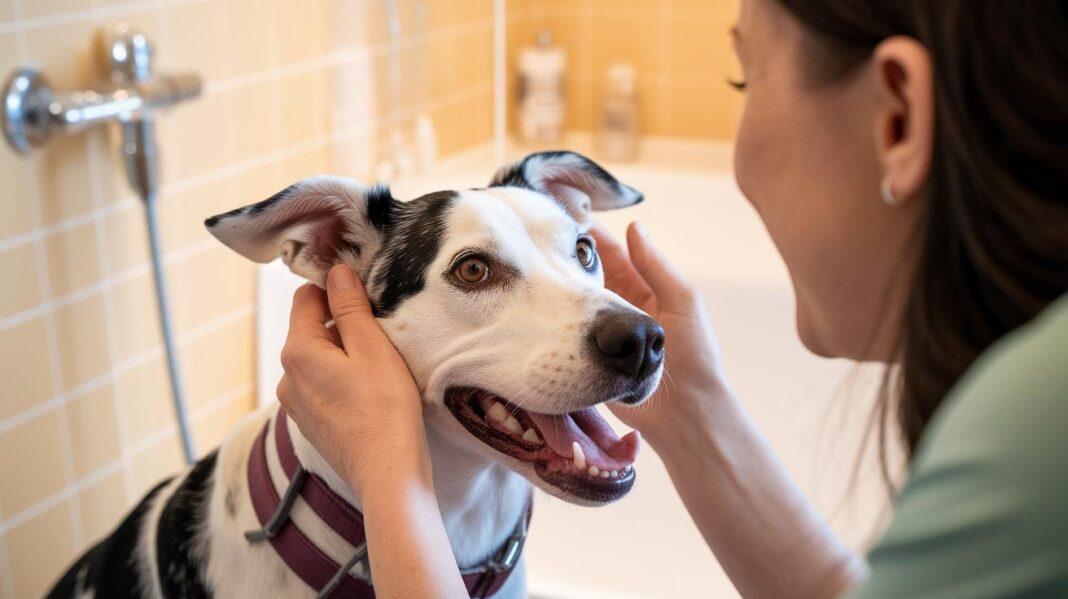

Have you noticed your dog shaking his head or scratching his ears a lot? It might be more than just a normal itch. Tiny bugs called ear mites (small pests) can be the cause. If these aren’t treated, they could lead to painful infections and constant discomfort.
Here's a simple two-step plan to help. First, gently clean your dog's ears to remove any dirt or debris. Next, use medication approved by your vet to clear up the mites. Follow these steps and help keep your dog's ears healthy and comfortable.
Comprehensive Treatment Strategies for Ear Mites in Dogs
Ear mites are tiny pests that live in your dog’s ears. They feed on oil, wax, and even blood. They can spread fast when pets come in close contact or if their bedding and other places get contaminated. Puppies younger than three months are especially at risk since their body defenses are still growing. If you don’t treat them, your dog might scratch a lot, feel uncomfortable, and even get an ear infection.
The treatment works in two steps. First, you need to clean the ears carefully. Use a vet-approved cleanser with cotton balls or gauze to remove the wax and dirt without hurting the ear. Second, use doctor-recommended medications like ear drops, pills, or spot-on treatments to kill the mites and ease any swelling or infection. This two-step process not only gets rid of the mites but also helps soothe the irritation and supports healing.
If the symptoms are mild, you might manage the care at home with gentle cleaning. But if your dog keeps scratching or shows signs of pain, it’s best to see a vet. A professional can take a closer look and suggest stronger or different treatments to stop any more damage.
Symptoms and Diagnosis of Ear Mites in Dogs
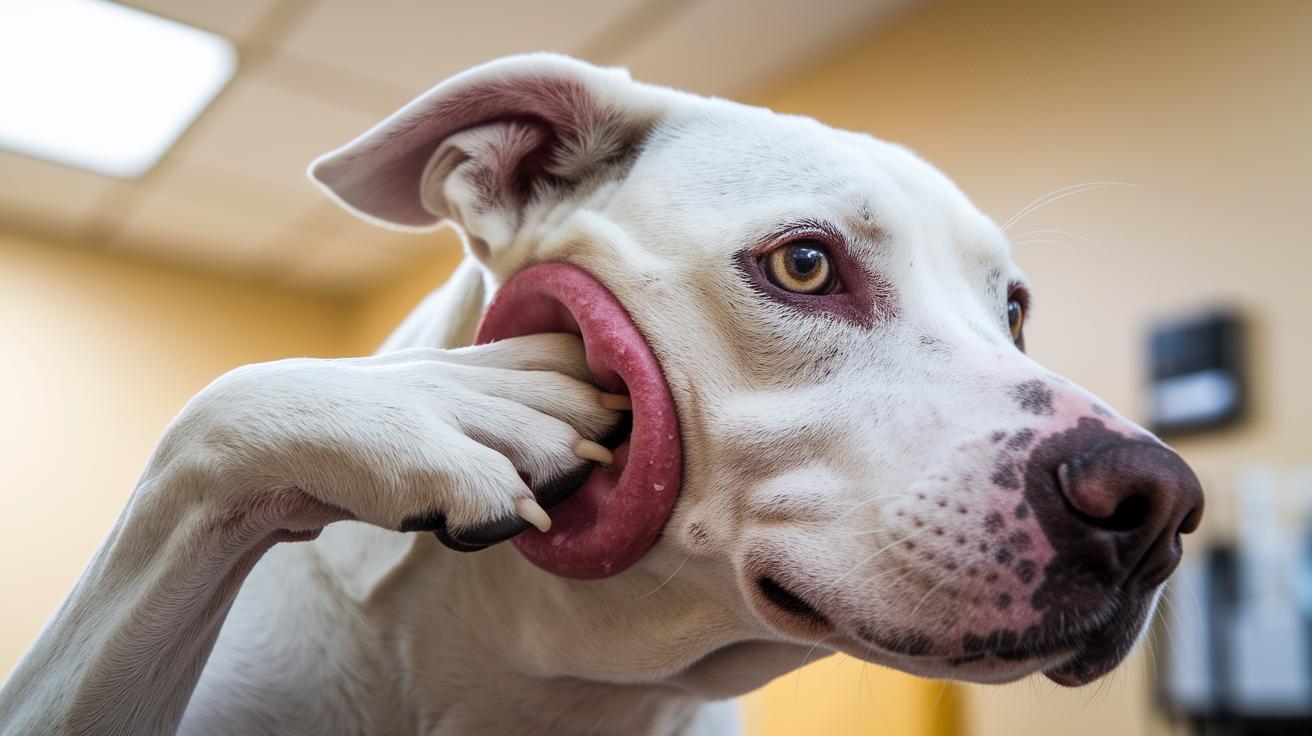
Have you noticed your dog shaking their head or scratching their ear a lot? These could be signs of ear mites, which are tiny bugs that can cause real discomfort. It's best to spot these signs early to keep your pet happy and comfortable.
Here are some symptoms to look out for:
- A strong, unusual odor from the ears
- Non-stop ear scratching
- Frequent head-shaking that might cause blood on the ear flap
- Dark debris in the ear that looks like coffee grounds
- Thick, sticky fluid coming from the ear
- Redness, swelling, and discomfort around the ear
A veterinarian usually checks for ear mites by examining the ears closely and using a microscope to look at any debris. They use special tools to find these tiny mites hidden in the ear canal. Early detection makes it easier to treat your dog and helps prevent problems like infections or injuries from all that scratching.
If you notice some of these signs, it's a good idea to see your vet for a thorough checkup.
Ear Mites in Dogs Treatment: Happy, Healthy Ears
Medicated ear drops contain medicine such as pyrethrins and miconazole to attack mites inside your dog's ear. Use these drops once or twice a day for 2 to 4 weeks. You might see a little irritation or redness right after using them, but it usually goes away as the treatment continues.
Spot-on treatments are an easy monthly routine. You apply a small amount of medicine like selamectin or moxidectin on your dog's skin. This method helps control ear mites and other parasites at the same time, making it a simple part of your pet care routine.
Oral medication is used when the problem is more severe or needs extra help. Your vet will choose the right dose based on your dog’s breed and size. These prescription medicines are given in cycles to fully tackle the mite problem, especially when other methods do not work enough.
If your dog scratches a lot, it might develop a bacterial or yeast infection in or around the ears. In these cases, your vet may add antibiotics (medicines that fight bacteria) or antifungal agents to treat the infection. This step is important when there is extra irritation or discharge from the ears.
| Treatment Type | Application Method | Typical Duration | Key Considerations |
|---|---|---|---|
| Medicated Ear Drops | Applied directly in the ear | 2-4 weeks | May cause mild irritation |
| Spot-On Parasiticides | Applied on the skin | Monthly | Also helps with other parasites |
| Oral Medication | Given by mouth | As prescribed in treatment cycles | Dosing based on breed and size |
| Managing Secondary Infections | Topical or oral | As needed | Treats bacterial or yeast infections |
Effective In-Home Ear Cleaning for Ear Mite Treatment in Dogs
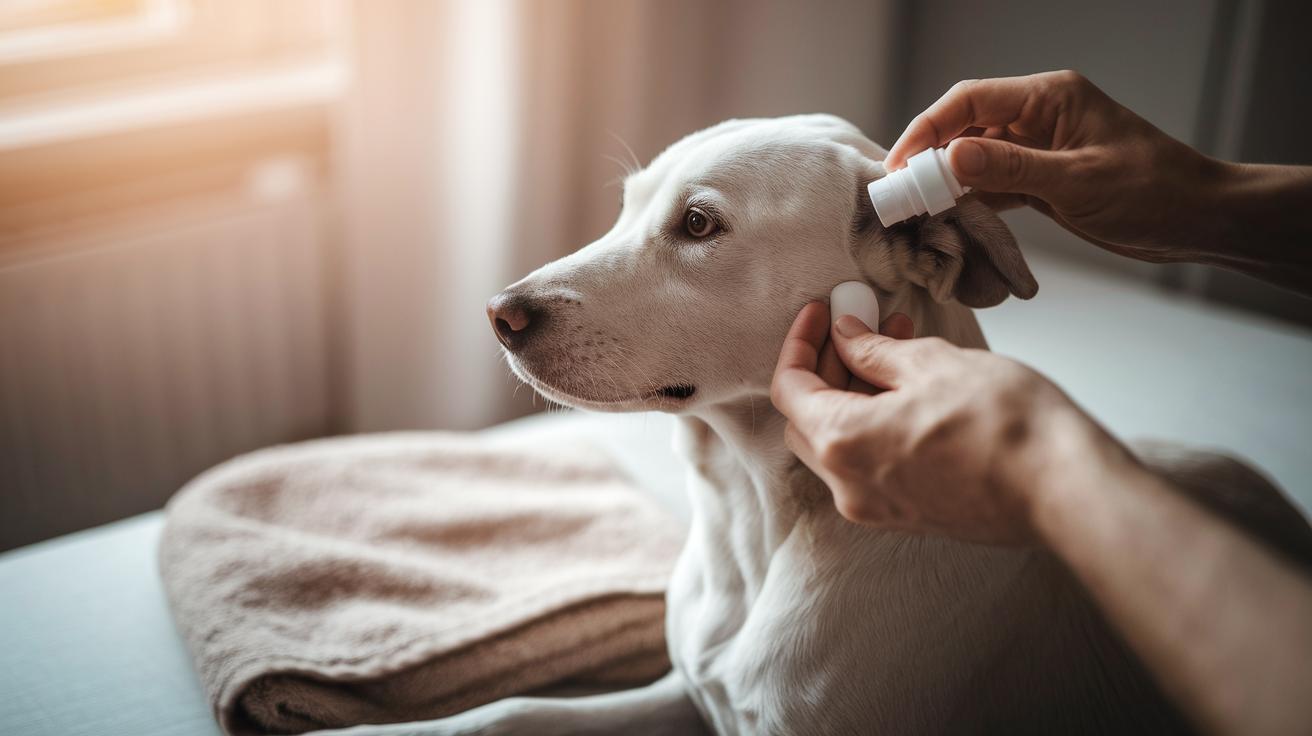
Start by gathering a few basic items: a vet-recommended ear cleanser, cotton balls or gauze, warm water, and a soft towel. Pick an over-the-counter pet canal cleanser that helps break up wax and debris without hurting your dog’s ear. Don’t use Q-tips or any rough tools since they can damage the delicate ear canal. Find a calm, quiet spot so your pet can relax. Work slowly and gently, and watch your dog’s reaction. If they seem upset, take a break and let them calm down before continuing.
Now, apply a small amount of the cleaner into your dog’s ear canal. Gently massage at the base of the ear for about 30 seconds to loosen the wax and debris. Let your dog shake their head naturally; this helps push the loosened material out. Then use a cotton ball or gauze to carefully wipe away any remaining discharge until the ear looks clean. Finally, use a towel to gently dry the outer area. This step-by-step method not only helps your dog feel more comfortable but also makes the ear ready for any further treatment if needed.
Cleaning Your Dog’s Environment to Prevent Mite Reinfestation
Mites can live on surfaces for a long time. They don’t just stick to your dog. They can hide in bedding, brushes, collars, or even a favorite blanket or toy. Once your dog brings these tiny pests home, they can easily spread to furniture, pet crates, and floors. If you stop cleaning your home, even a treated dog can pick up mites again. Cleaning your surroundings helps protect all your pets by removing the places where mites thrive.
Start by washing all fabric items in hot water at 90°C (194°F) or above to kill the mites. Next, vacuum floors and furniture thoroughly. Immediately throw away the vacuum bag so no stray mites find a new home. Keep treated pets separated until you are sure the mites are gone. Also, check any pet coming into your home to make sure they aren’t carrying mites. These steps will help you create a safer, cleaner space for your furry friend.
When to Seek Veterinary Care for Ear Mites in Dogs
If your dog's issues continue for over a week after trying home remedies, it's time to visit your vet. Watch out for signs like a swollen ear from head shaking, a strong unusual smell, or greenish or yellow discharge. Also, if you notice that your pet reacts poorly to store-bought ear cleaners, such as thicker discharge or your dog becoming more upset during cleaning, it’s best to seek help.
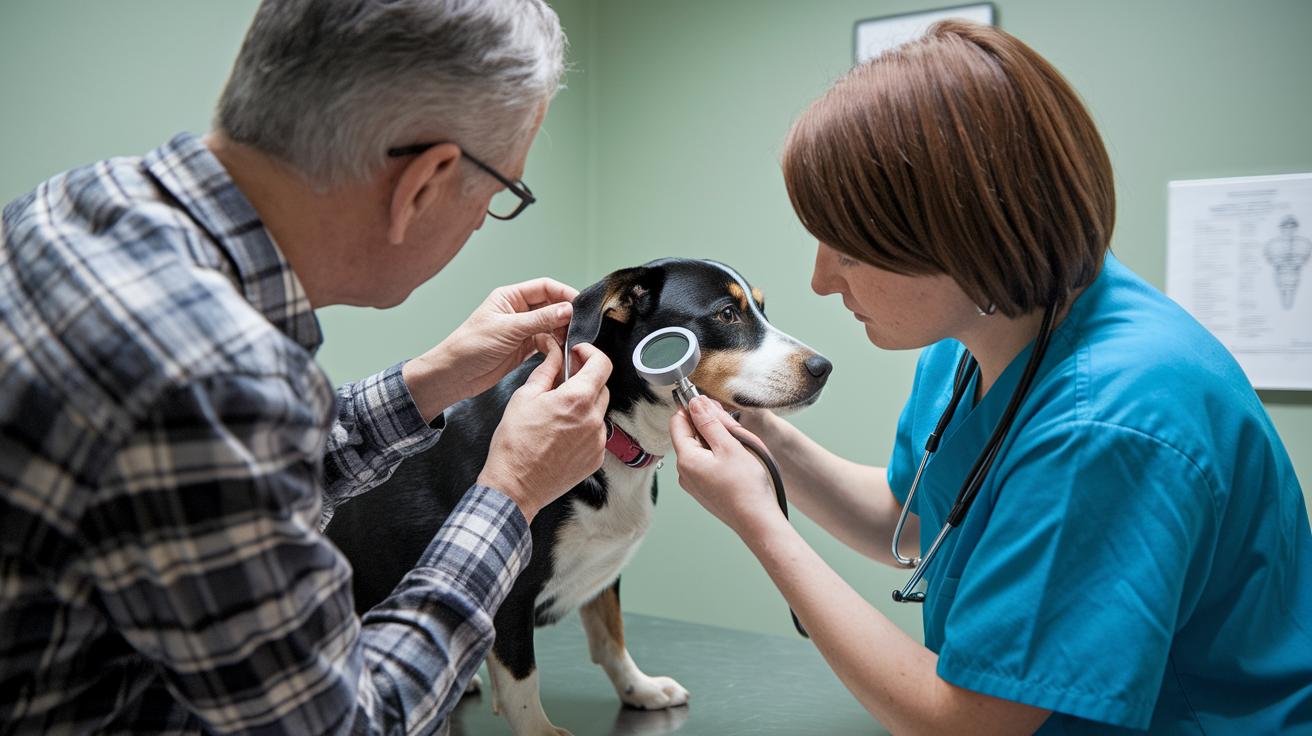
Your vet can use a microscope to look for mites and any extra infections. They might prescribe stronger or custom treatments to help your dog's ear heal properly. For ongoing problems like constant swelling or discharge, check out the dog ear infection treatment link for more tips.
Final Words
In the action of caring for your pet, we explored ear mite basics, key symptoms, and safe treatment strategies. We covered how to clean your dog's ears at home and when a vet’s help makes a difference.
These steps work together to protect your pet and prevent reinfestation. By following trusted ear mites in dogs treatment methods, combining thorough cleaning, proper medication, and a clean environment, you can help your pet enjoy healthier and happier days.
FAQ
What kills ear mites instantly?
Ear mites are usually managed with veterinarian-approved treatments. Medicated ear drops or spot-on products work quickly, but instant elimination rarely occurs without proper cleaning and follow-up care.
How do dogs get ear mites?
Dogs get ear mites from direct contact with infested pets or contaminated items. This close exposure spreads these tiny parasites that feed on ear debris and secretions.
What is the best treatment for ear mites in dogs?
The best treatment combines cleaning the ears to remove debris and using veterinarian-recommended medications such as medicated drops, spot-on treatments, or oral antiparasitics for thorough care.
Can ear mites in dogs be treated at home?
Treating ear mites at home involves safely cleaning the ears with a vet-recommended cleanser and using over-the-counter remedies. However, persistent infestations should be reviewed by a veterinarian.
How is ear mites treatment administered?
Treatment involves cleaning the ears first and then applying targeted medication, whether in the form of ear drops, spot-on treatments, or oral medications, based on your veterinarian’s advice.
What do pictures of ear mites in dogs show?
Images of ear mites often show dark, coffee-ground-like debris and an inflamed ear canal, which are key signs that help pet owners recognize an infestation.
Can humans get ear mites from dogs?
Humans usually do not get ear mites from dogs because these parasites are species-specific. Maintaining good hygiene after handling pets is always recommended.
Are there ear mite treatments available over the counter for dogs?
Over-the-counter treatments usually offer a basic approach, like cleaning solutions and mild medications. It’s best to consult a vet to ensure the correct treatment and dosage.
What is the fastest way to get rid of ear mites in dogs?
The fastest method involves cleaning your dog’s ears and using fast-acting veterinary medications. Quick diagnosis and treatment help reduce discomfort and the risk of spread.
Is it possible to treat ear mites without going to the vet?
While some mild cases might respond to home treatment, professional diagnosis and treatment are advised to confirm the infestation and prevent complications.
Should I clean my house if my dog has ear mites?
Cleaning your house is key. Washing bedding and sanitizing pet items help eliminate mites off the host and prevent reinfestation in your environment.
How do I know if my dog has ear mites?
Ear mites can be suspected when your dog shows signs like excessive scratching, head-shaking, and dark, debris-filled ears. A vet’s examination is needed to confirm infestation.