

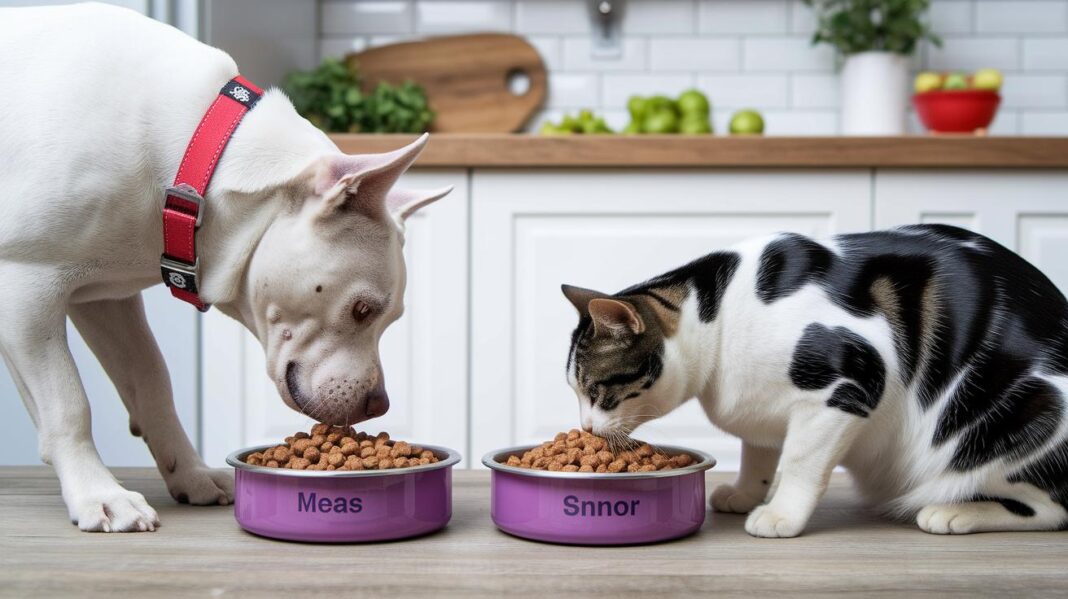

Ever wonder why your older pet might need a new kind of meal? As our furry friends get older, their bodies slow down and lose muscle, much like a car that isn’t running on fresh gas. This guide shows you how a special diet can help keep your pet strong and lively in later years.
By choosing foods with the right mix of protein (which helps build muscle), fat (which gives energy), and fiber (which helps digestion), you support your pet’s overall health. Even a small change in their meals can make a big difference in keeping them spry and happy in their golden years.
pet diet for senior pets: why age-specific nutrition matters
Senior pets age differently depending on their species, breed, and size. For example, large dogs are considered seniors at 7 years old, medium dogs become seniors around 10 years, and small dogs usually hit senior status between 11 and 12 years. Cats are generally seen as seniors after 10 years, and once they reach 15 years or more, many owners call them geriatric. These age markers not only show differences in lifespan, small dogs can live 15 to 20 years, while larger dogs often live 12 to 15 years, but they also point out the special changes these pets experience as they grow older.
As pets get older, their bodies change in many ways. Their metabolism slows down (metabolism means how fast the body burns food for energy), and muscle loss can become more noticeable. They might also have dental wear and lower energy levels. That is why a pet diet for senior pets needs to change. It should include the right mix of nutrients to help keep their muscles strong, support good digestion, and boost their immune system.
When planning a diet for an older pet, pet parents usually look for food with fewer calories to help prevent weight gain while still offering enough protein and healthy fats for energy. Many pet owners choose diets specially made by animal nutrition experts and approved by veterinarians. This careful mix of ingredients helps support healthy aging, reduces the risk of long-term health problems, and keeps our adorable companions feeling their best.
pet diet for senior pets: essential nutrients and ingredient benefits
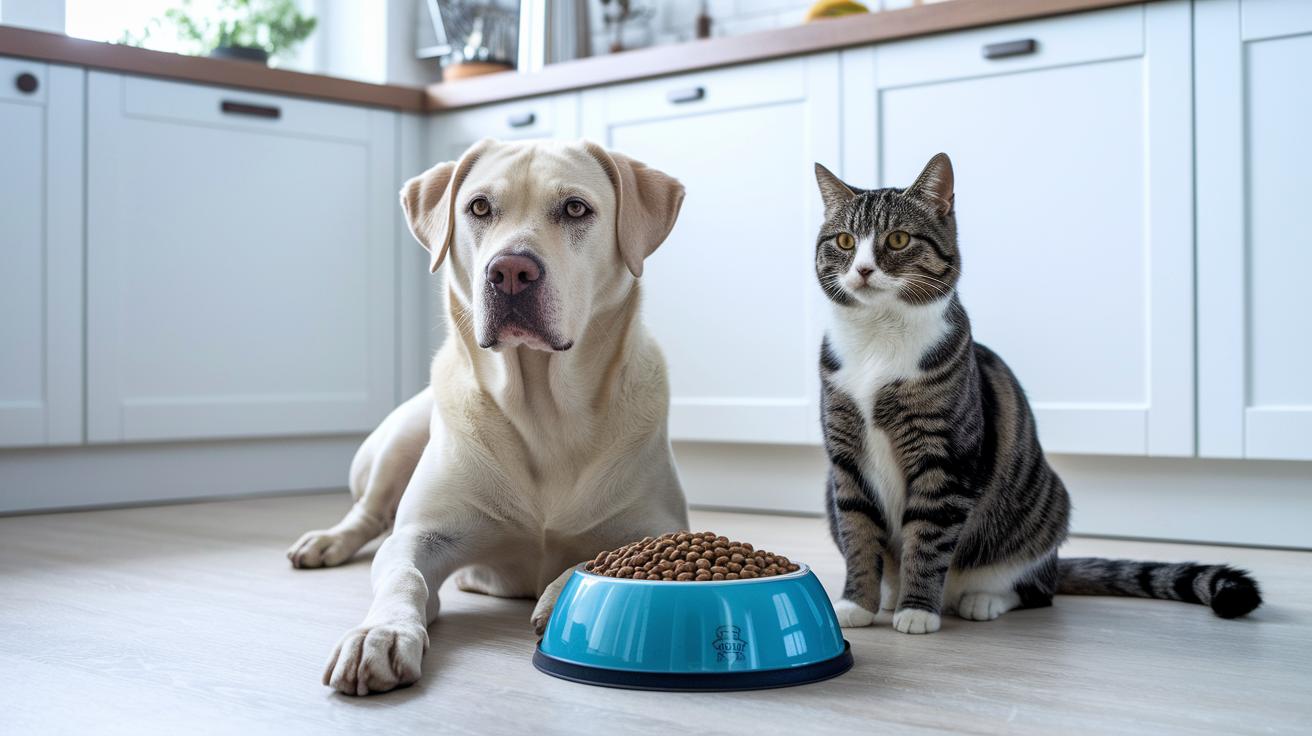
Expert-created and vet-approved recipes for older pets use a mix of high-quality protein, just enough fat, and fiber to keep your furry friend feeling great. Protein keeps muscles strong, while the right amount of fat gives steady energy without overloading a slowing metabolism. Fiber helps with digestion and keeps constipation at bay.
Vitamin E and vitamin C work like tiny bodyguards, fighting off damage that can hurt cells over time. Some senior pet foods, like certain Royal Canin formulas, include special antioxidants to repair cells and boost immunity. Omega-3 fatty acids, found in many senior diets, support a shiny coat, healthy skin, and reduced swelling in aging pets.
Many recipes also add probiotics to help balance the good bacteria in your pet’s tummy. Think of it as a little tune-up for their digestion, which helps them to soak up the good stuff in their food.
Joint health is another focus. Ingredients like glucosamine and chondroitin are found in diets from brands such as Purina Pro Plan Vet Diets DH to help ease joint stiffness and keep your pet moving comfortably. These nutrients work together to support mobility and reduce aches in older pets.
Always check the ingredient list when choosing food for your senior pet. A quick look at the label can tell you a lot about the meal’s nutritional value, ensuring it meets your pet’s special needs as they age.
pet diet for senior pets: selecting the right food types
As pets grow older, their diet needs change too. A raw diet can help some senior dogs and cats digest food better and absorb more nutrients. This type of food might be great for energetic seniors with gentle stomachs, but be sure to think about food safety.
Wet food is another solid choice because it adds extra moisture and comes in a soft texture. This makes it easier for pets with dental issues to chew. Many pet owners love options like Stella’s Shredrs for dogs or Carnivore Cravings pouches for cats because they taste good and are gentle on aging gums. Plus, wet food can help older pets stay hydrated when they don’t drink enough water.
Some pet parents prefer to cook at home. Homemade meals give you full control over what goes into your pet’s food. You can mix in high-quality proteins, a range of vegetables, and whole grains to create a balanced meal. This method works well if you need to adjust the recipe for allergies or specific energy needs.
When your senior pet has health issues like kidney problems or arthritis, a prescription diet might be the best option. These formulas include ingredients chosen for specific health needs and are recommended by vets. Comparing these food options can help you pick the right diet for your pet’s age, health, and taste.
pet diet for senior pets: portion control and feeding schedules
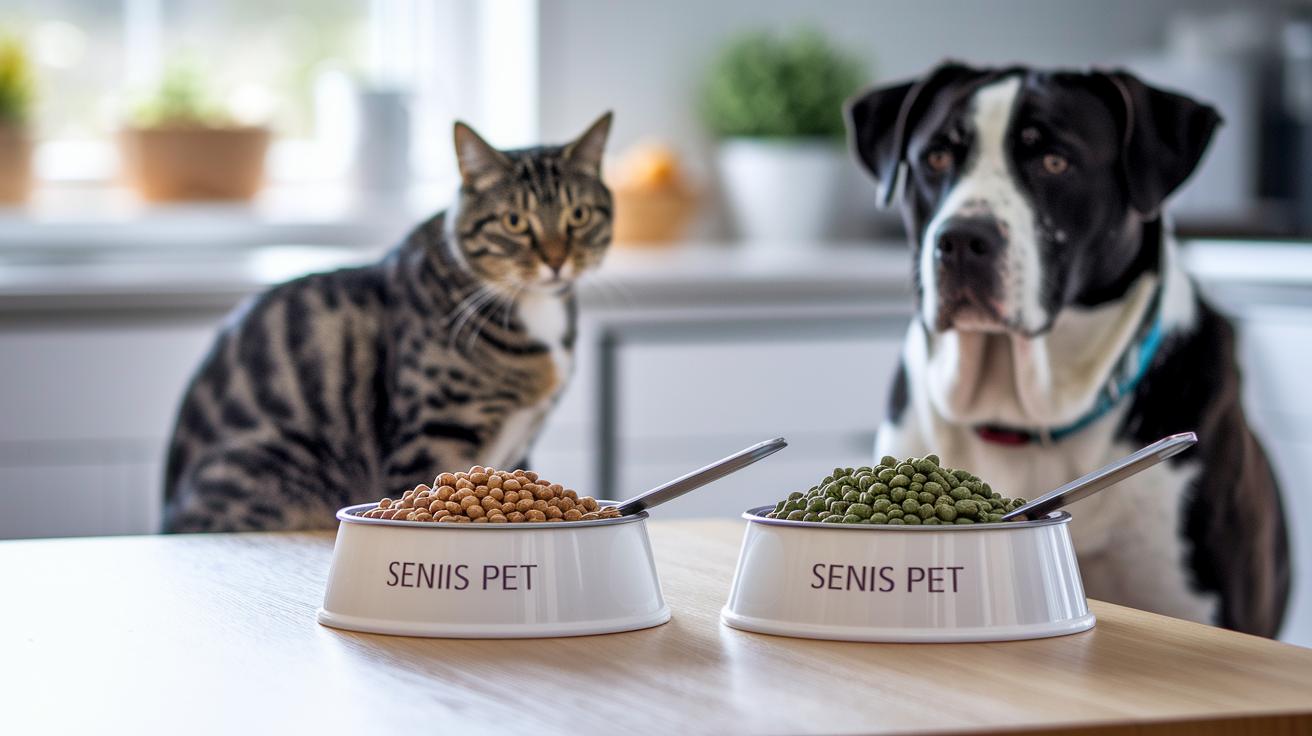
Measuring your senior pet's food portions is important for keeping their weight and health on track. Start by looking at the pet food label. It shows how much to feed based on your pet’s age, size, breed, energy, and health. Use these tips as a guide and change the amount if needed. Checking your pet’s weight often will help you know if you need to adjust the portions.
Most older dogs do well with two meals a day. However, some small or picky dogs might do better with three or four smaller meals to help keep their energy steady and curb hunger. Older cats usually eat once or twice a day. For seniors, especially those with slower metabolisms, it is extra important to watch calories carefully. Keeping portions under control can help avoid problems like weight gain or losing too much weight.
Here are some quick feeding tips for your elderly pets:
- Use a measuring cup or digital scale to get the right amount.
- Keep a simple log to track how much and when you feed your pet.
- Change feeding times or portions if your pet’s activity or health changes.
Following these steps can help you provide a balanced diet that keeps your furry friend happy and healthy for the long run.
pet diet for senior pets: supplementation and dietary support
Joint supplements can help older dogs move more comfortably. Many pet parents choose products like Purina Pro Plan Vet DH because they include glucosamine and chondroitin, ingredients that ease stiff joints. As pets grow older, their joints can suffer from everyday wear, and a joint supplement might make a big difference.
Digestive health is also important. Older pets sometimes have trouble absorbing nutrients from their food. Digestive enzymes help break food down, and probiotics work to keep their gut bacteria balanced. These additions can lead to better nutrient absorption and overall digestive well-being.
Omega-3 supplements are another great option. They help reduce inflammation and maintain a healthy skin and coat. Veterinarians might suggest extra vitamins and minerals for aging pets. For example, B vitamins can boost energy levels, while vitamins E and C act as antioxidants to help fight cell damage from aging.
It’s important to tailor your pet’s diet to their individual needs. A chat with your veterinarian can help determine the right dosage. Start with a small amount, then gradually increase it while keeping an eye out for any signs of digestive upset or joint discomfort. Think of these supplements as part of a complete, balanced care plan for your aging companion.
pet diet for senior pets: transitioning to a senior pet diet
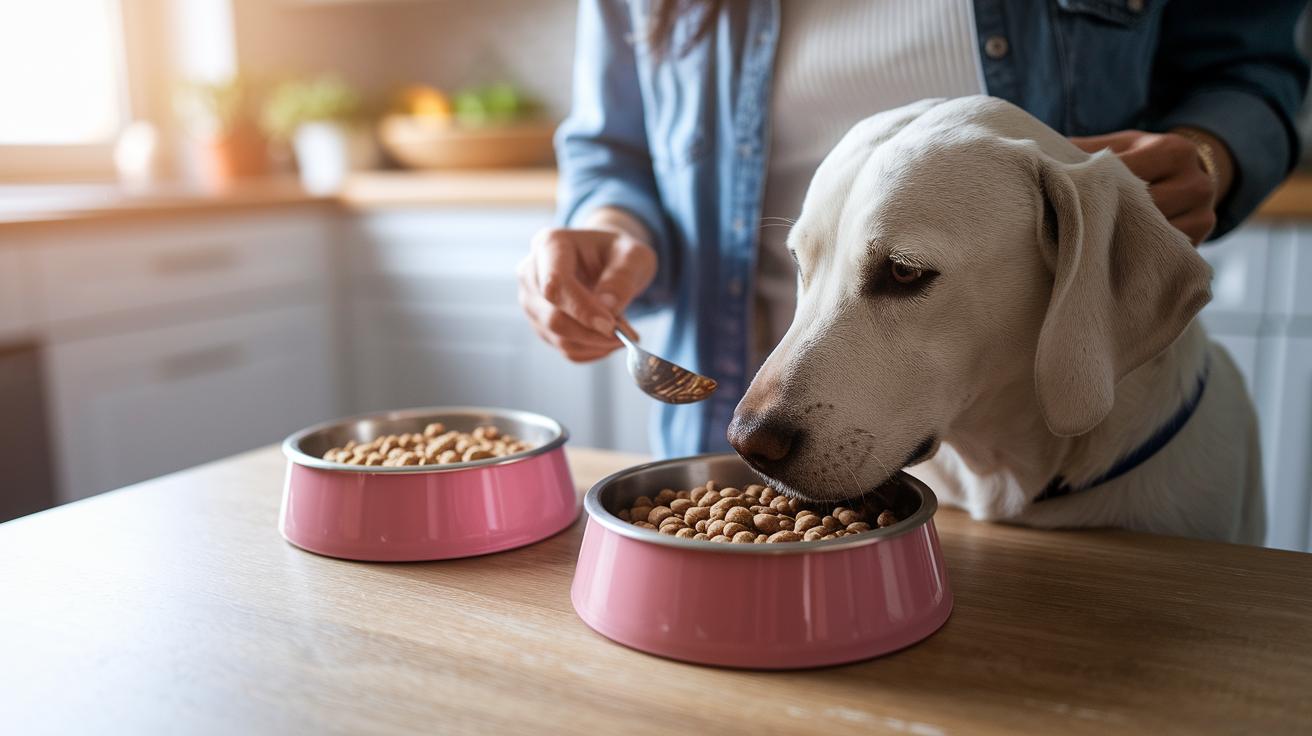
Start by mixing a little bit of the new senior food into your pet's normal meal. Over 7 to 10 days, slowly add more of the new food and reduce the old food. This gentle change makes it easier on your pet's tummy.
Follow these steps:
- Begin with 75% of your pet's current food and 25% of the new senior food.
- After 2 days, mix half current food and half new senior food.
- Once your pet seems comfortable, use 25% current food with 75% new food.
- Finally, serve only the new senior food.
Keep an eye on your pet by checking their poop, energy, and hunger every day. If you see loose stools, vomiting, or a big drop in energy, the change might be happening too fast. This switch can upset your pet's stomach.
Talk to your veterinarian if your pet has a sensitive tummy or other health issues. A pet nutrition expert can help make sure the diet change is safe and just right for your pet's needs.
pet diet for senior pets: prescription and veterinary-advised meals
Veterinarian-advised meals are crafted to meet the unique needs of older pets. These diets are tailored to help with common health issues, such as kidney problems, liver concerns, dental troubles, and diabetes. For example, small breed seniors might do well with Hill’s Science Diet Senior 11+ Adult Small Paws. This recipe is gentle on aging teeth and supports a healthy metabolism.
For dental care and joint support, Purina Pro Plan Vet DH Dental Health Diet has a special kibble shape that helps make chewing easier while keeping joints moving smoothly.
Medium-sized dogs can benefit from Royal Canin Size Health Nutrition MEDIUM Aging 10+. This formula includes antioxidants and essential nutrients that protect cells and improve overall health. Large breed seniors may find relief with Royal Canin Size Health Nutrition LARGE Adult 8+, which offers nutrients for healthy bones and joints along with antioxidants to boost the immune system. Another great option is Hill’s Science Diet Mature Adult canned food. Its soft texture and balanced mix of vitamins and minerals are especially helpful for pets that struggle with chewing.
Veterinarians usually recommend these diets when regular over-the-counter options don’t meet a senior pet’s needs. It’s best to talk with your veterinarian to create a plan that fits your pet’s specific health issues and lifestyle.
pet diet for senior pets: sample meal plan and homemade recipe ideas
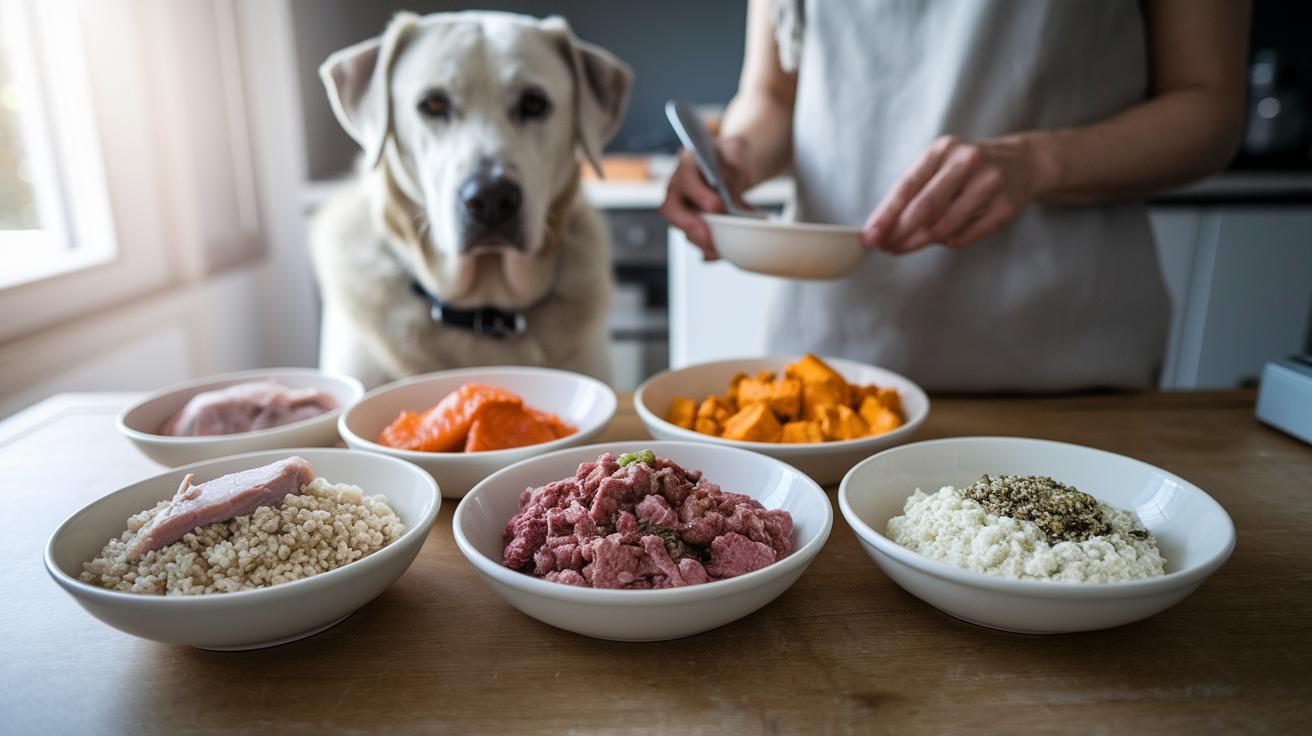
Try a rotating 5-day meal plan to give your older pet tasty, balanced meals made right at home. This plan uses simple recipes with whole-food ingredients that help keep muscles strong, support healthy digestion, and promote a shiny coat. For example, a bowl of turkey and brown rice with peas serves up quality protein and just the right amount of fat. A dish of salmon and sweet potato adds heart-healthy omega-3s, while lean beef paired with barley offers iron and fiber. Cottage cheese mixed with pumpkin can soothe digestion, and chicken with quinoa packs all the essential amino acids to keep your pet in top shape.
| Meal Time | Recipe Example | Key Nutrients |
|---|---|---|
| Day 1 – Breakfast | Turkey & Brown Rice with Peas | High Protein, Moderate Fat |
| Day 2 – Lunch | Salmon & Sweet Potato | Omega-3 Support |
| Day 3 – Dinner | Lean Beef & Barley | Iron and Fiber |
| Day 4 – Breakfast | Cottage Cheese & Pumpkin | Digestive Aid |
| Day 5 – Lunch | Chicken & Quinoa | Complete Amino Acids |
Here are a few snack ideas to round out your pet’s meals:
- Steamed green beans
- Plain pumpkin puree
- Unsalted rice cakes
Final Words
In the action, we broke down why age-specific nutrition matters for aging animals. We covered essential nutrients, ingredients, and food types that help older pets thrive. We also looked at feeding schedules, supplements, and smooth transitions to a senior menu. This guide offers clear tips for setting up balanced meals and even includes recipe ideas to try at home. A well-planned pet diet for senior pets helps keep your companion healthy, safe, and happy.
FAQ
Q: What is the best healthy pet diet for senior pets?
A: A healthy pet diet for senior pets uses age-specific nutrition with balanced proteins, moderate fats, fiber, antioxidants, and omega-3s to support muscle, digestion, and coat health.
Q: What is the healthiest dog food for senior dogs and what is the best diet for a senior dog?
A: The healthiest dog food for senior dogs focuses on formulas with lower calories, high-quality protein, joint support like glucosamine, and nutrient-dense ingredients to suit their slower metabolism.
Q: How can I make a homemade senior dog diet that uses safe human food options?
A: A homemade diet for senior dogs can include lean meats, vegetables, and whole grains. Using safe human foods lets you control quality while meeting their reduced calorie and nutrient needs.
Q: What should I feed a senior dog that is losing weight?
A: Feeding a senior dog losing weight means choosing calorie-dense, nutrient-rich meals. Options like lean meats, healthy fats, and moist food can help boost calories without overloading their system.
Q: What dry dog food options are best for senior dogs, and can I find them at Walmart?
A: The best dry foods for senior dogs include formulas with balanced nutrients and joint care ingredients; many of these quality options are offered at major retailers like Walmart for easy access.
Q: What should not be fed to a senior dog?
A: Senior dogs should avoid high-calorie scraps, artificially processed fillers, excessive salt, and ingredients that may worsen kidney or digestive issues, ensuring their meals are gentle on aging systems.
Q: What does the 90 10 rule for dogs mean?
A: The 90 10 rule for dogs means that a dog’s meal should consist of about 90% high-quality protein and roughly 10% fats and carbohydrates to supply necessary energy and nutrients.
Q: Should I feed my senior dog wet or dry food?
A: Feeding wet or dry food to a senior dog depends on their dental health and hydration needs; wet food is easier to chew and adds moisture, while dry kibble helps reduce plaque buildup.