

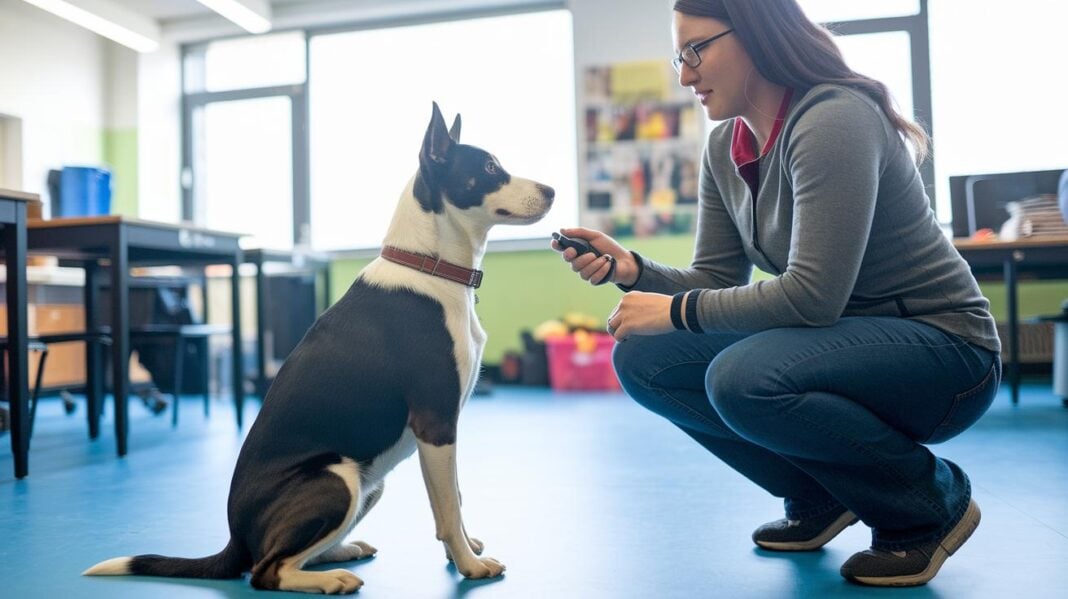

Have you ever noticed how one little click can change your dog's behavior? That quick sound tells your pet he did something right. Clicker training uses a small tool to link treats with good behavior. In this guide, we share simple tips to set up a routine that builds trust and speeds up learning. You will see how timing a click with a treat teaches your dog a special language that makes training fun and effective.
Clicker Training Basics and First Steps
A clicker is a simple tool that marks a moment when your dog does something right. When you press the clicker exactly as your dog performs a behavior, it signals, "Good job!" and that a treat is on its way. This clear connection between action and reward makes learning fun and fast for your furry friend. Picture your dog sitting and hearing the click, soon enough, they will expect a tasty treat.
- First, get your dog excited about the clicker. Click and treat until your dog looks happy and eager for more. This teaches them that the sound means something good is coming.
- Next, wait patiently for your dog to sit on its own. Let your dog decide when to offer this behavior.
- When your dog sits, click at that exact moment. This immediate response helps your dog link the sound to the good action.
- Right after clicking, give your dog a treat. This quick reward makes it clear that the behavior is what you want.
- Once your dog gets the idea, add a verbal cue, like "sit" or "stay," along with the click. This builds a solid connection between the word and the action.
Keep your sessions short, about 5 to 10 minutes, to keep your dog focused without feeling overwhelmed. Regular, brief sessions build a strong foundation for learning more commands and skills over time. Happy training!
clicker training techniques for dogs: Boosting Success
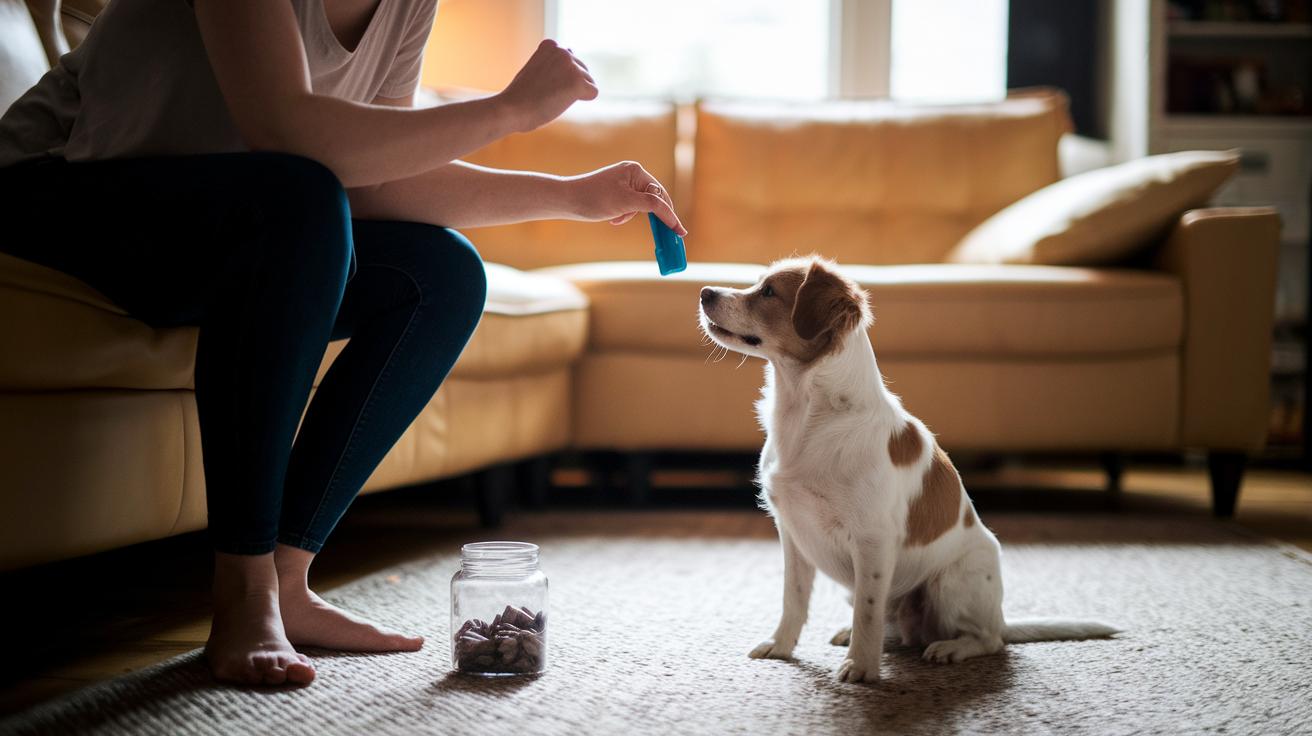
Start by setting a regular routine and using treats as rewards. Good timing between your click and a treat helps your dog learn quickly. Follow these easy steps to teach basic commands while building a strong bond with your pet.
Sit command
Hold the clicker just above your dog’s head. When you see your dog’s bottom touch the ground, click right away and give a treat. This simple sound teaches your dog that sitting is a good behavior.
Down command
Use a gentle hand motion toward the floor to signal your dog to lie down. As your dog lowers its body completely, click and reward with a treat. This helps your pet understand that going down links to the click sound.
Stay command
Begin with short stays. Ask your dog to sit or lie down, then tell them to stay. Click after about 10 seconds and give a treat, slowly increasing the wait time up to five minutes as your dog gets better at the command.
Heel command
Keep a treat in the hand closest to your dog. Walk in a straight line and click every time your dog’s shoulder stays near your leg. This exercise builds a side-by-side bond and teaches your dog the proper heel position.
Come command
With a long leash, call your dog gently to come over. Click when you see your dog start to move in your direction. Once your dog arrives, offer a treat to encourage a strong recall response.
Troubleshooting Common Mistakes in Clicker Training Techniques for Dogs
Using clicker training can be very effective, but small mistakes may slow your dog's progress. One frequent error is not keeping a steady pace between the click and giving a treat. If you wait too long to reward your dog, they might not learn which action earned the treat. Also, clicking too often or too rarely can confuse your pet. Always keep an eye on your dog’s energy. If either you or your dog is tired, it’s a good idea to pause. Short sessions of around 5 to 10 minutes help keep your dog focused and prevent burnout. Being consistent with your hand signals and click timing is key.
| Common Mistake | Solution |
|---|---|
| Inconsistent click timing | Click within one second of the behavior. |
| Overclicking | Only click for actions that are completely correct. |
| Underclicking | Mark every correct action with a click. |
| Long training sessions | Keep sessions to 5–10 minutes with breaks in between. |
| Overlooking fatigue | Take a break or change the task when you or your dog feels tired. |
Regular, focused practice with brief sessions and clear hand signals will help improve your dog’s behavior. A quick click when your dog performs the right action builds a strong bond and clear communication over time.
Advanced Clicker Training Techniques for Dogs
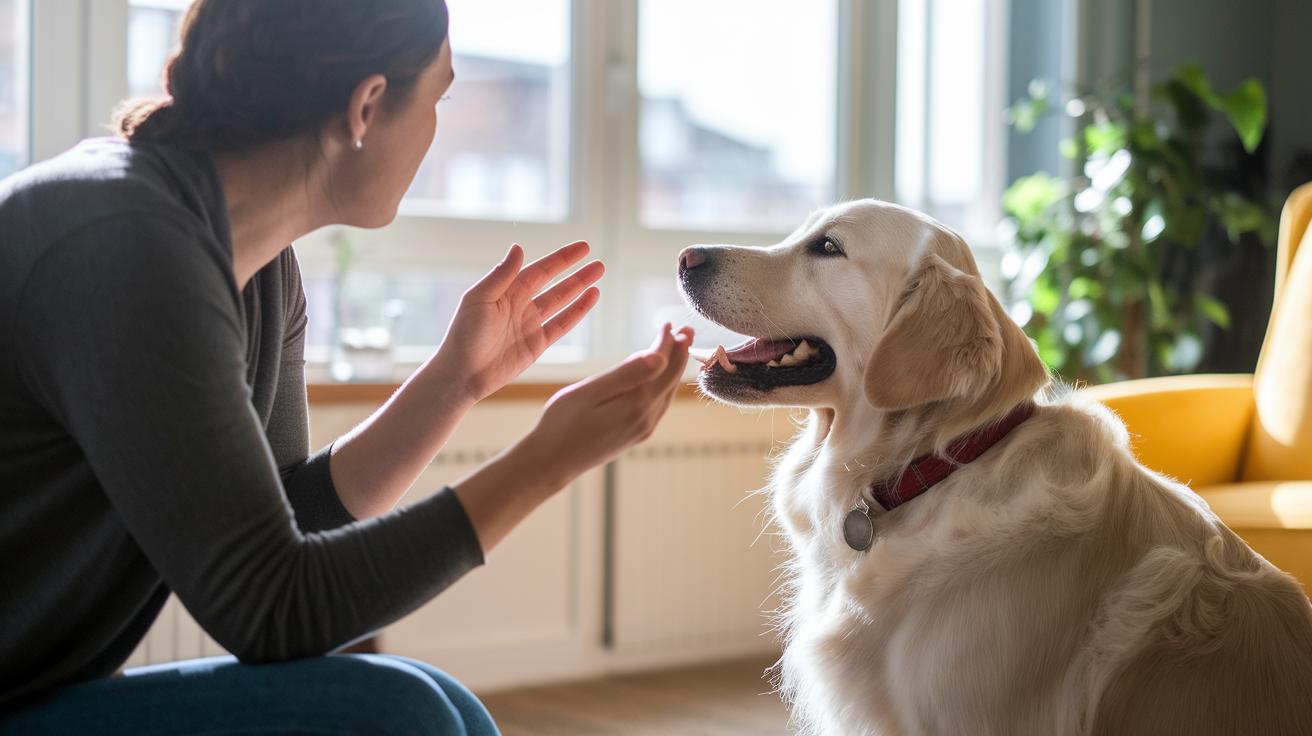
Start by pairing a clear hand signal with your click. Show your dog the gesture for a command and click right when it responds. This method helps your pet connect the signal with the action, setting the stage for more complex tricks.
Next, make the commands tougher by extending the time between the behavior and the click. Begin with a short wait, just a few seconds, and slowly increase the time to challenge your dog’s focus. You can also add simple distractions, such as a soft toy or gentle background sounds, to help your dog learn to stay on task even when there are extra noises around.
When your dog performs exceptionally well, celebrate with a jackpot reward by giving several treats at once. This burst of extra reinforcement boosts enthusiasm and makes the new behavior stick. Keep your training sessions short and regular each week to maintain focus without overwhelming your pet. This approach works well for any breed, whether your dog is naturally obedient or still learning.
Benefits of Positive Reinforcement in Clicker Training Techniques for Dogs
Using a clicker and positive rewards helps build trust with your dog. The click tells your pet, "Good job," and shows them exactly what behavior you expect. This clear signal lets your dog know that a reward is coming, which makes learning new tricks faster. When you practice with a clicker often, you both start to understand each other better.
This training method cuts down on stress by replacing harsh corrections with nice rewards. It works well for common issues like barking, chewing, or pulling on the leash because the rewards are easy for your dog to understand. Step by step, you can teach simple commands and even complex tricks. Begin clicker training today and enjoy watching your dog learn with excitement and joy.
Final Words
In the action of clicker training, this guide broke down the basics, from charging your clicker and marking simple behaviors to stepping up to commands like sit, down, and heel. It covered quick fixes for common mistakes and tips for advanced drills. Each section reinforced how clear timing and immediate rewards build trust and boost learning. With these clicker training techniques for dogs at your fingertips, you can enjoy watching your pet grow more confident, responsive, and happy each day.
FAQ
How do I properly use a clicker for dog training?
The proper use of a clicker means marking your dog’s correct behavior at the exact moment it happens, then giving a reward right away. This clear timing helps your dog learn faster.
What are some recommended resources like videos or PDFs for clicker training?
The clicker training method is supported by many free resources. Videos on platforms like YouTube and downloadable PDFs offer step-by-step instructions, making it easier for beginners to see proper timing and techniques.
Why might some consider clicker training to be bad?
The concern with clicker training is that if the click isn’t timed correctly or rewards are inconsistent, it can confuse your dog. Improper use may slow the learning process rather than help.
What is the 10 10 10 rule for puppy training?
The 10 10 10 rule often refers to keeping training sessions short—around 10 minutes—with focused repetitions and brief breaks. This keeps your puppy engaged without getting overwhelmed.
What are common mistakes in clicker training?
Common mistakes include not clicking at the exact moment a correct action occurs, delaying treats, and overusing the clicker. These mistakes can weaken the connection between behavior and reward.
Are clickers good for training dogs?
Clickers are good for training when used correctly. They provide a clear, consistent signal that helps your dog understand exactly which behavior is being rewarded, building trust and fast learning.