

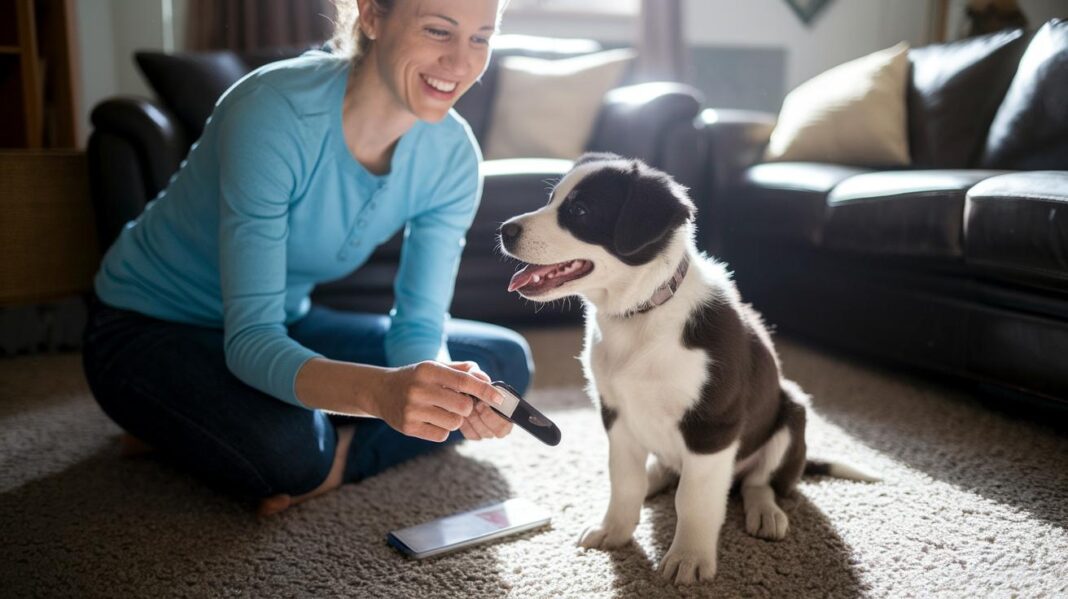

Ever notice how a tiny treat can turn training into a celebration? Rewarding good behavior right away makes learning fun and clear. An experienced trainer says these simple steps help your puppy learn faster while building a strong bond between you both. Quick treats and kind words can spark fast progress and create many happy moments with your furry friend.
Core Principles of Effective Puppy Training Methods
Good puppy training works best when you reward your pup right when they do something you like. When your puppy sits, waits, or shows any good behavior, give them a treat immediately. This quick reward helps your pup understand what you expect and makes the training fun. A trainer with 20 years of experience from the US Air Force shows that doing this over and over not only speeds up learning but also builds a happy bond between you and your puppy.
- Noticing the right behavior
- Rewarding immediately
- Slowly moving from treats to praise
- Using the same cues every time
Sticking with these steps early on is key. Once your pup learns the trick with treats, you can start switching some treats for cuddles, eye contact, or kind words. This helps keep your puppy motivated without always needing food rewards. Using a calm, patient, and positive voice during training makes a big difference. Even if you’re new to puppy care, these clear and steady steps lead to quick progress and joyful experiences.
Positive Behavior Reinforcement Techniques in Puppy Training Methods
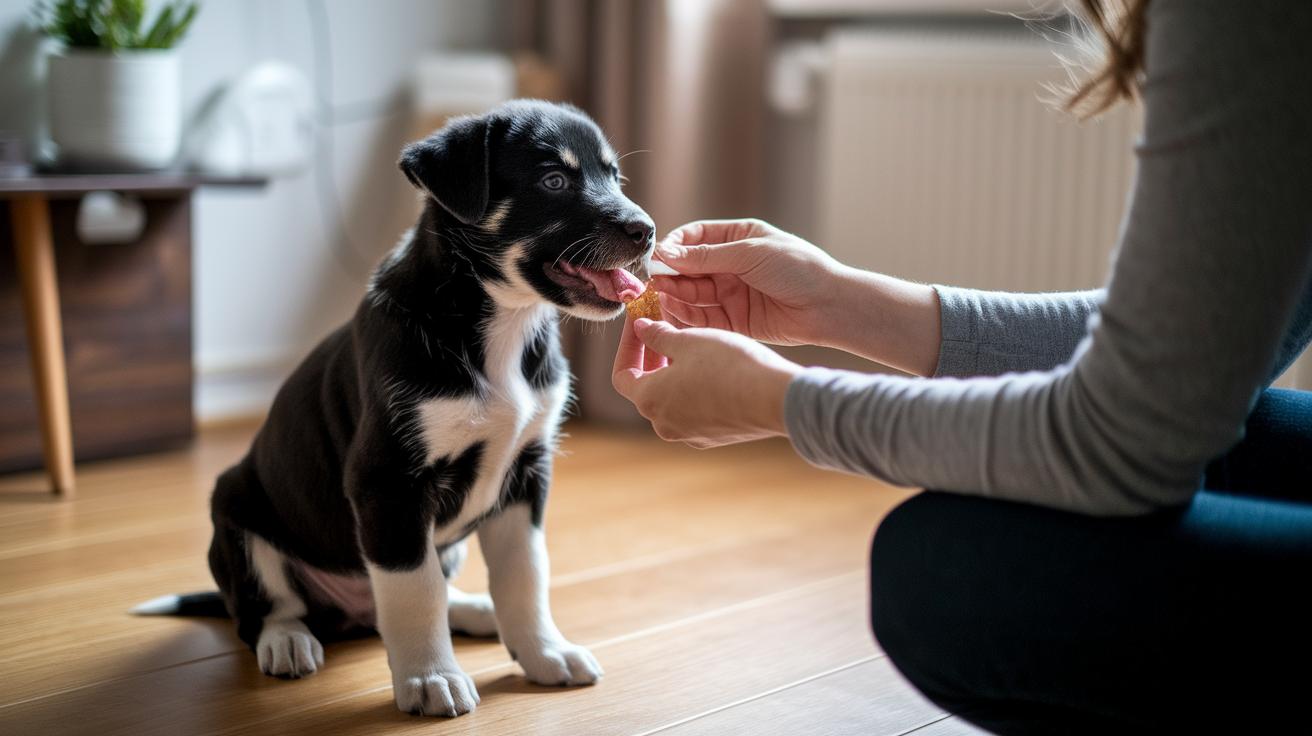
Reward your puppy right away to show them the behavior you value. When your pup sits or waits, give a treat and say something nice like "Good job!" This quick praise helps your puppy learn better.
Try these simple steps to reinforce good behavior:
- Watch your puppy closely for the action you want.
- Immediately give a tiny treat along with happy words.
- Slowly add rewards that aren't food, like a soft pet or smile.
- Keep your cues and rewards the same in short, fun sessions.
Switching from treats to simple praise helps create a friendly learning spot. This method builds your pup's confidence and makes training fun. Repeating the steps and being consistent will help them learn fast while strengthening your bond.
| Step | Action |
|---|---|
| 1 | Watch for the desired behavior |
| 2 | Immediately give a treat and praise |
| 3 | Gradually add non-food rewards |
| 4 | Stay consistent with cues and rewards |
Clicker-Assisted Command Learning within Effective Puppy Training Methods
Clicker training uses a small device that makes a clear, quick sound. When your puppy sits, lies down, or stays, the click tells them they did something right. After the click, give your pup a treat. This way, your puppy quickly learns that good behavior means a tasty reward.
The training works step by step. First, click as soon as your puppy shows the right behavior and then offer a treat. Soon, your pup connects the sound to their success. Over time, you can give fewer treats and use more kind words and pats. This steady sound cue helps your puppy learn new commands fast.
Try these steps to add clicker training to your sessions:
- Watch your puppy for the behavior you want.
- Click immediately and give a treat when they succeed.
- Keep repeating until your puppy links the click with doing well.
- Gradually replace some treats with gentle praise and affection.
Modeling and Gentle Correction Strategies in Effective Puppy Training Methods
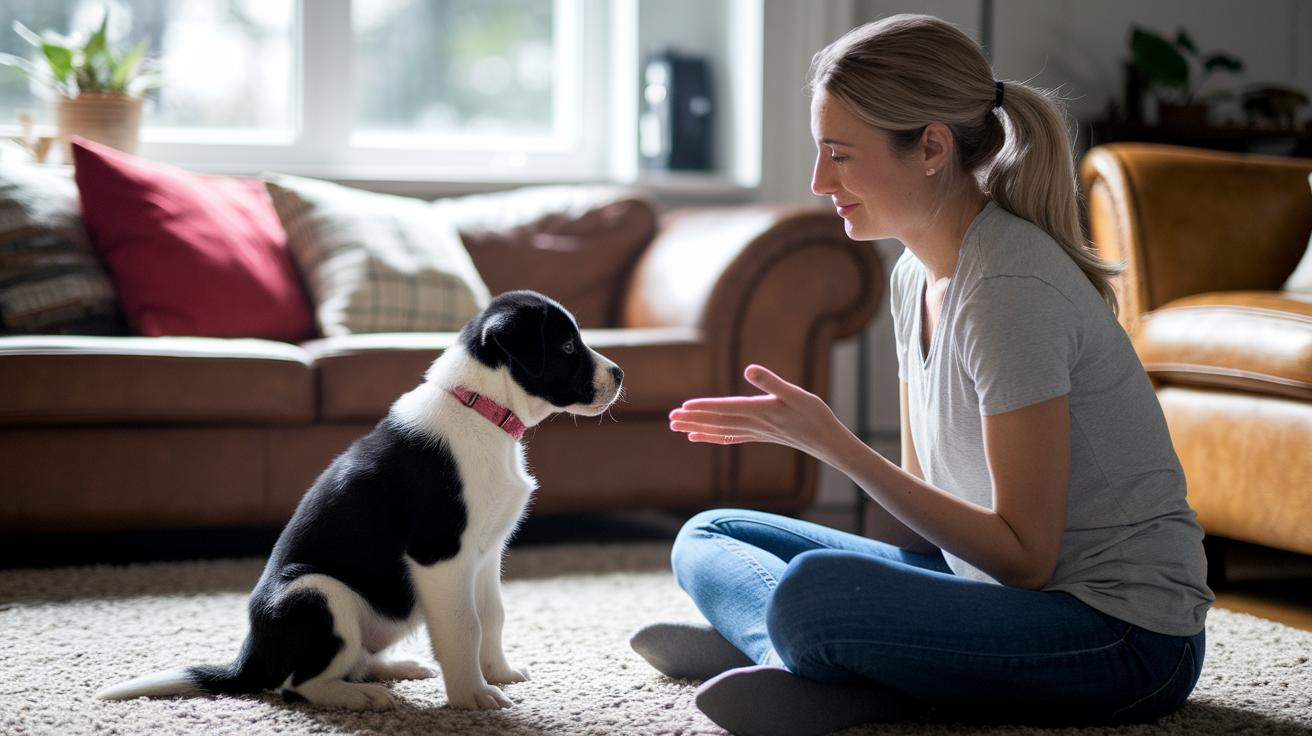
Modeling works by showing your puppy what behavior you expect. When you sit calmly and use a clear word like "sit," your pup watches and learns by example. For instance, you can sit down yourself and say "sit" in a friendly tone. When your puppy copies you, offer a small treat to celebrate the moment. This simple act builds trust and shows your puppy that good behavior brings rewards.
Gentle correction is all about guiding your puppy away from unwanted actions without being harsh. Instead of using anything that might scare them, try a soft verbal cue or a light hand gesture. Break down tricky behaviors into smaller, easy steps. For example, if you want your puppy to learn to stay, start by asking them to hold still for just a few seconds. Gradually, you can extend this time as they become more confident. This step-by-step method keeps training fun and stress-free for both of you.
By using these techniques, you help your pup understand what you expect while building a kind and trusting bond.
Housetraining Young Canines and Crate Containment Education
Start by setting a daily routine for your puppy. Pick regular times for meals, play, and potty breaks. A steady schedule cuts down on accidents and helps your pup know when it's time to go outside. Try taking your puppy out first thing in the morning, after each meal, and before bed. This routine builds a strong base for good behavior.
Slowly introduce the crate so it becomes a safe and cozy space. Fill it with familiar bedding and a few favorite toys to make it inviting. Sit nearby during the early sessions and use soft, calming words to encourage your puppy to explore. Let your little one choose to go inside on its own, you shouldn’t force it or use the crate as a punishment. Over time, your puppy will see the crate as a happy retreat to relax and rest.
If accidents happen, it might mean the routine needs fine-tuning or supervision could improve. Look over your schedule and see where you can boost consistency. If your puppy isn’t warm to crate time, check that the crate is comfy and free of negative experiences. Small tweaks, like more regular potty breaks or a few extra comforting touches in the crate, can get housetraining back on track.
Leash Walk Fundamentals and Structured Dog Obedience Practices
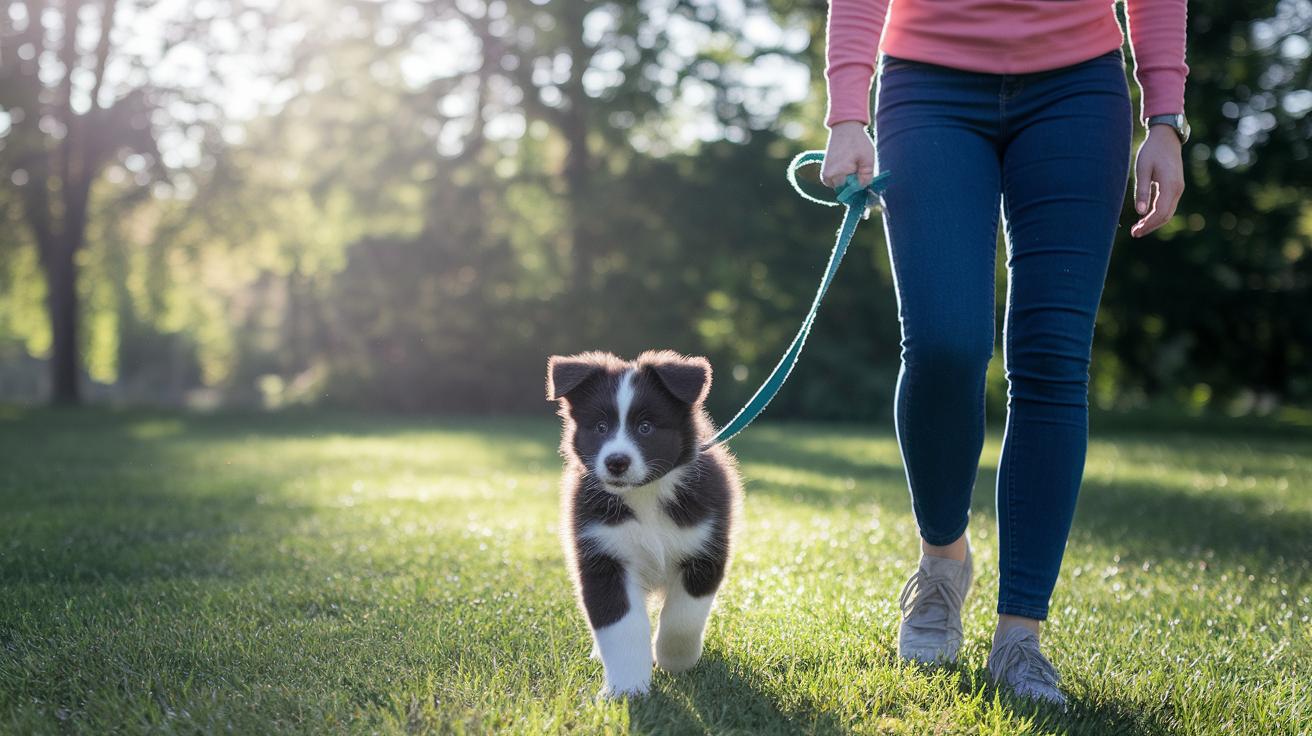
Use a short, comfy leash when teaching your puppy how to walk nicely. When your puppy walks without pulling, give a treat or say a quick "good job!" This helps your pup learn that walking without tugging leads to rewards. The idea is to keep the leash loose so your dog can enjoy the walk instead of pulling like it's a tug-of-war. This steady method makes every walk a fun learning time.
Keep obedience training short, about 5 to 10 minutes, to help your puppy stay focused without feeling overwhelmed. Stick to simple commands like "heel," "sit," and "stay." You can mix in fun drills, such as changing speed or directions, to keep things interesting. Breaking the lesson into short chunks helps your puppy learn one command at a time while building a strong bond with you.
Remember these key points:
- Use a short, comfy leash.
- Reward your puppy immediately for loose-leash walking.
- Do training sessions in 5-10 minute bursts.
- Add fun drills to keep your pup engaged.
Regular, fun training sessions help your puppy learn good leash manners and basic obedience. This sets the stage for confident and well-behaved walks.
Newcomer Socialization Strategies and Calming Anxious Behaviors in Puppy Training
Socializing your new puppy is very important. Start by gently introducing your pup to different places, people, and other animals in small, controlled steps. Use a calm, friendly tone and offer treats when your puppy stays relaxed. For example, if someone new comes over, wait until your pup appears calm and then reward them with a treat. These small moments build confidence and help reduce anxious behavior later on.
Puppy classes are a great way to continue this training. In these classes, a professional trainer guides the socialization process in a safe and fun setting. Your puppy gets to meet other dogs and people while learning proper behavior. This preparation not only makes visits to new places less stressful but also helps your pup stay calm during walks and home visits.
Keep the sessions short and consistent. Steady, gentle exposure helps your puppy feel more secure and friendly with every new sound and face. Over time, these little steps build lasting confidence and create a happier, calmer pet.
Tracking Developmental Progress with Training Milestones and Bite Inhibition Guidance
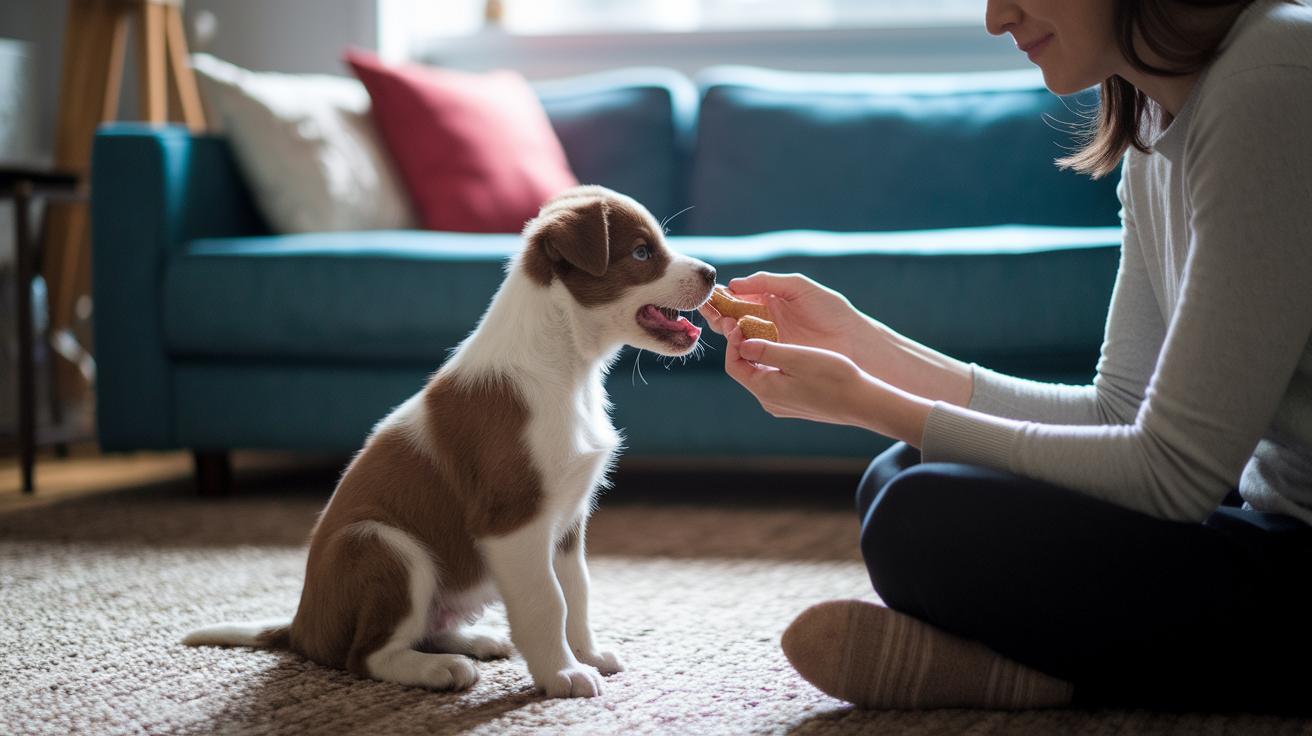
Tracking your puppy's growth makes training easy and fun. When your pup learns bite inhibition (using its mouth gently), you know they understand how to play safely. Setting simple goals like five sit repetitions or a three-minute still stay lets you see how much your puppy is learning. Every small win helps prevent future problems with nipping or mouthing. Watch your puppy closely and use a gentle tone along with treats, soft petting, or kind words. This teaches your puppy that calm, soft behavior is the best way to play.
| Milestone | Expected Behavior | Next Step |
|---|---|---|
| Milestone 1 | Five sit repetitions | Praise and reward immediately |
| Milestone 2 | Three-minute still stay | Add gentle petting during the stay |
| Milestone 3 | Calm play with minimal nipping | Slowly increase playtime |
| Milestone 4 | Good bite inhibition during play | Start using basic commands |
Keep track of these wins and adjust your goals as your puppy grows. By following these steps and practicing bite inhibition training, you build a strong, trusting bond with your puppy while making training clear and supportive.
Final Words
In the action of forming effective puppy training methods, this article highlighted the core principles behind teaching solid behaviors. It covered techniques from immediate treat rewards to gentle corrections and structured guidance that build a strong bond between you and your puppy.
• Capturing the correct behavior
• Immediate reinforcement timing
• Gradual transition from treats to praise
• Maintaining consistent cues
Each method works together to create a fun, clear training path that leaves both you and your puppy feeling confident and ready for more.
FAQ
What are the most effective puppy training methods recommended by pet owners on reddit and other platforms?
The effective puppy training methods combine positive reinforcement, consistent cues, and a reward-based approach. Using treats immediately when your puppy shows good behavior and slowly switching to praise helps build lasting habits.
What does a puppy training schedule by age look like?
The puppy training schedule by age includes structured milestones that begin with short, frequent sessions for very young puppies and gradually longer training as the puppy matures, supporting steady progress.
How do I train my puppy to pee outside?
The training for peeing outside uses a set schedule for meals, play, and potty breaks. Prompt praise when your puppy relieves itself outdoors helps build a consistent, positive housetraining routine.
What are typical puppy training commands?
The puppy training commands often start with basic cues like “sit,” “stay,” and “come.” These commands are taught through repeated practice and immediate rewards, making learning enjoyable for your puppy.
What is the 7 7 7 rule for puppies?
The 7 7 7 rule for puppies suggests breaking training into three 7-minute sessions each day over a week. This method keeps sessions short, fun, and engaging for your puppy.
What is the most effective way to train a puppy?
The most effective way to train a puppy uses a blend of consistent routines, immediate rewards, and gentle guidance. This approach helps your puppy quickly understand expected behaviors and strengthens your bond.
What is the 10 10 10 rule for puppy training?
The 10 10 10 rule involves 10 minutes of focused training, a 10-second window to reward correct behavior, and giving the reward within another 10 seconds. This quick sequence reinforces learning efficiently.
What is the 5 minute rule for puppies?
The 5 minute rule for puppies recommends keeping training sessions and breaks around 5 minutes each. This short interval matches a puppy’s limited attention span and prevents overwhelm during learning.
Where can I find a puppy training guide PDF?
The puppy training guide PDF is a downloadable resource that outlines basic commands, schedules, and reward techniques. Look online at trusted pet health websites or training expert blogs for reliable guides.