

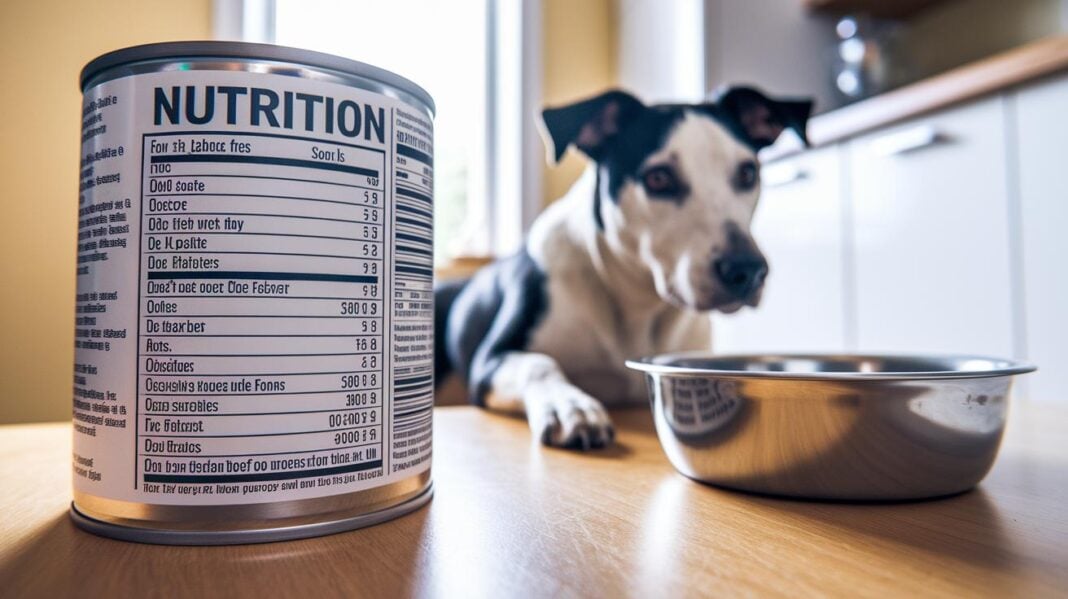

Ever wondered if your pet is getting just the right amount of food? Many pet parents find calorie counts and nutrition labels confusing. These labels show things like calories per cup and metabolizable energy (the energy your pet uses after digestion) so you can work out the best serving size. It isn’t just about reading numbers, it’s about giving your furry friend the energy needed for fun runs, warm cuddles, and playful leaps. By taking a closer look at these details, you can create a meal plan that meets your pet’s daily energy needs and keeps them happy and healthy.
Decoding Pet Food Calorie Counts on Nutrition Facts Labels
Calorie counts in your pet’s food help keep your dog active and healthy. Depending on their weight, age, and activity level, most dogs need between 300 and 1,500 calories a day. These calories power every jump, run, and cuddle while taking care of basic functions. When you check the pet food label for numbers like calories per cup or kcal/kg, you’re learning how much energy your dog gets from each serving. This is your first step in planning meals that avoid overfeeding or underfeeding.
To find these calorie details, look at the Nutrition Facts panel on the pet food package. You’ll see numbers showing the energy in each serving. Sometimes you might also see the term metabolizable energy (ME), which means the calories your pet can actually use. Once you know what to look for, reading these details becomes a helpful tool for feeding your pet right.
- Calories per cup
- Kcal/kg
- Metabolizable Energy (ME)
- Serving size
- Daily energy needs
Using these parts of the label makes it easier to decide on meal portions. With clear calorie data, you can serve just the right amount to match your dog’s daily energy needs. This supports proper weight management and balanced nutrition so that every meal fuels play, growth, and overall well-being.
Comparing Calorie Metrics in Pet Food Nutrition Facts
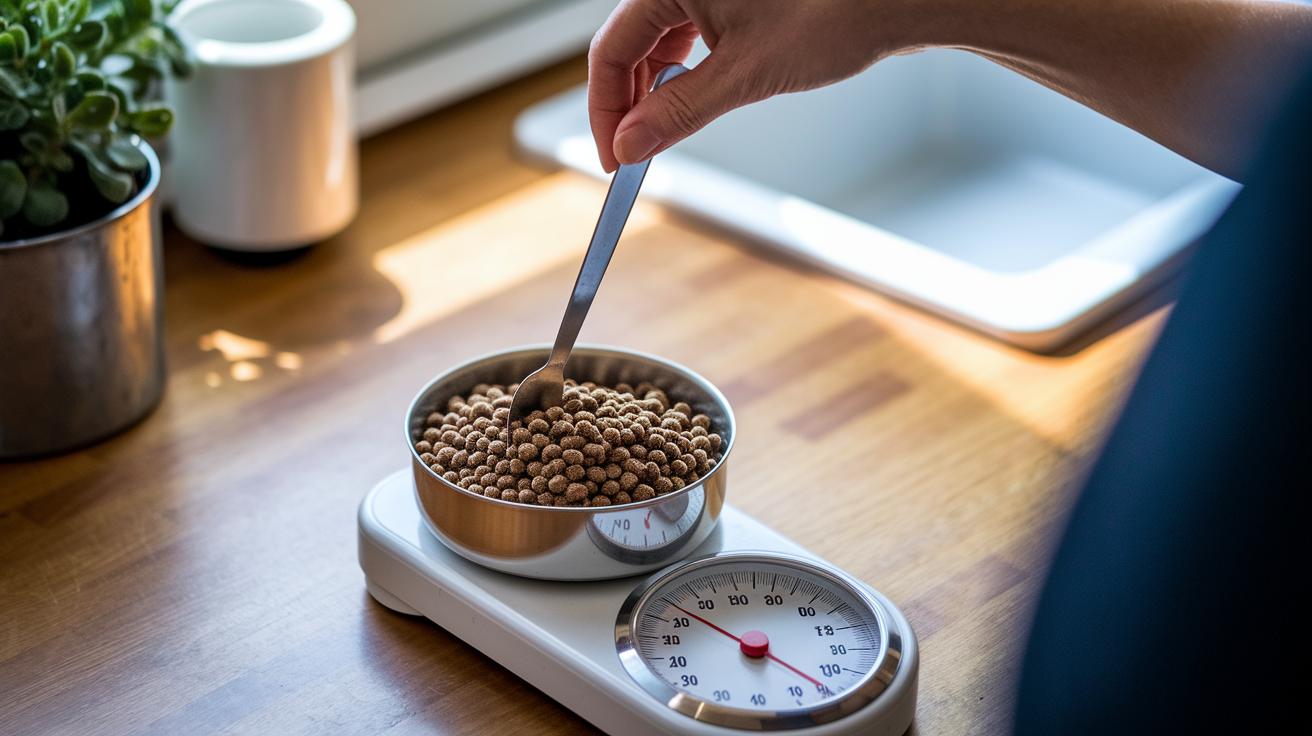
Pet food labels list energy in different ways. Some show calories per cup while others use kcal/kg (the energy per kilogram of food). This helps you choose the right portion for your pet based on its weight and activity level.
For example, if a label says 350 calories per cup and your pet needs 700 calories a day, you can quickly figure out that 2 cups per day are needed.
| Metric | Description |
|---|---|
| Calories per cup | The energy provided by a standard serving volume |
| kcal/kg | The energy measured per kilogram (about 2.2 pounds) of food |
| Daily energy needs | The total calories your pet should consume each day |
Converting between these numbers can help keep servings right. Use calorie charts, online calculators, or ask your vet to make sure your pet gets the perfect amount of energy every day.
Interpreting Pet Food Calorie Counts Nutrition Facts: Yay
Pet food labels show the key nutrients your pet needs, like protein, fat, fiber, moisture, and carbohydrates. These labels follow a format similar to human food labels, making it easier to see what's in the food. They tell you how many calories (kcal) come from each nutrient. For example, both protein and carbohydrates give 4 kcal per gram, while fat provides 9 kcal per gram. Some brands, such as Visionary Pet Foods, make it simple by clearly listing carbohydrate levels, which helps you compare products easily.
Protein Content:
Protein builds and repairs your pet’s muscles. Each gram of protein gives 4 kcal. Think of it as the fuel that keeps your pet active and strong.
Fat Content:
Fat is a dense source of energy, offering 9 kcal per gram. It helps keep your pet’s skin and coat healthy while supplying extra calories for those lively days.
Carbohydrate Content:
Carbohydrates, which include sugars and starches, provide 4 kcal per gram. They add up with the other nutrients to give you the total energy your pet gets with each serving.
By checking these values, you can easily see how much energy your pet receives and adjust meal sizes to match their daily needs.
Factors Affecting Pet Food Calorie Counts in Nutrition Facts
Pet food calorie counts can be a bit confusing at first. One key detail is moisture. When a food has more water, it holds fewer calories. For instance, wet food often shows fewer calories per cup compared to dry kibble. This happens because water takes up space, so even the same weight of food can have different calorie levels.
How the food is made matters too. Dry kibble usually goes through a process called extrusion (a way to remove water and pack in nutrients), which raises calorie density. Meanwhile, softly cooked foods like whole-food diets can have a range of calorie counts. It’s like comparing a crispy chip to a tender, slow-cooked bite, they’re both tasty, but their calorie makeups vary.
Another factor is ingredient sourcing and nutrient strength. Some brands change their recipes by using alternatives to dry kibble, which can shift the calorie numbers on the label. The quality of protein and other ingredients also plays a role. Each step in making the food changes how calories are measured, helping you find the right food to match your pet’s unique needs.
Caloric Density Comparison of Kibble, Wet and Raw Pet Foods
Dry kibble is very energy-dense because it has little water. Most types provide about 3,500 to 4,500 calories per kilogram (around 1,600 to 2,000 calories per pound). The drying method used in making kibble removes moisture and concentrates the nutrients in each bite. Think of it as a crunchy snack compared to a watery meal; less water means more calories packed into every bite. This makes kibble ideal for active dogs who need a lot of energy from a small serving.
Canned wet food, on the other hand, contains a lot of water. It typically offers about 800 to 1,200 calories per kilogram (roughly 360 to 540 calories per pound). With all that extra water, the calories are less concentrated. Wet food can be easier to chew and might be more appealing to picky eaters. But keep in mind, you may need to serve more of it to meet your pet's energy needs. Adjusting the portion size is key, especially if you’re keeping a close eye on your pet’s daily calorie intake.
Raw or lightly cooked diets show more variation in energy levels. They usually offer between 1,000 and 3,000 calories per kilogram (about 450 to 1,360 calories per pound). Since these foods are less processed, their calorie content greatly depends on the ingredients used. Even high-calorie treats, like jerky and chews, add extra energy in small amounts. Watching these numbers helps you plan balanced meals that suit your pet’s lifestyle and energy needs.
Interpreting Pet Food Calorie Counts Nutrition Facts: Yay
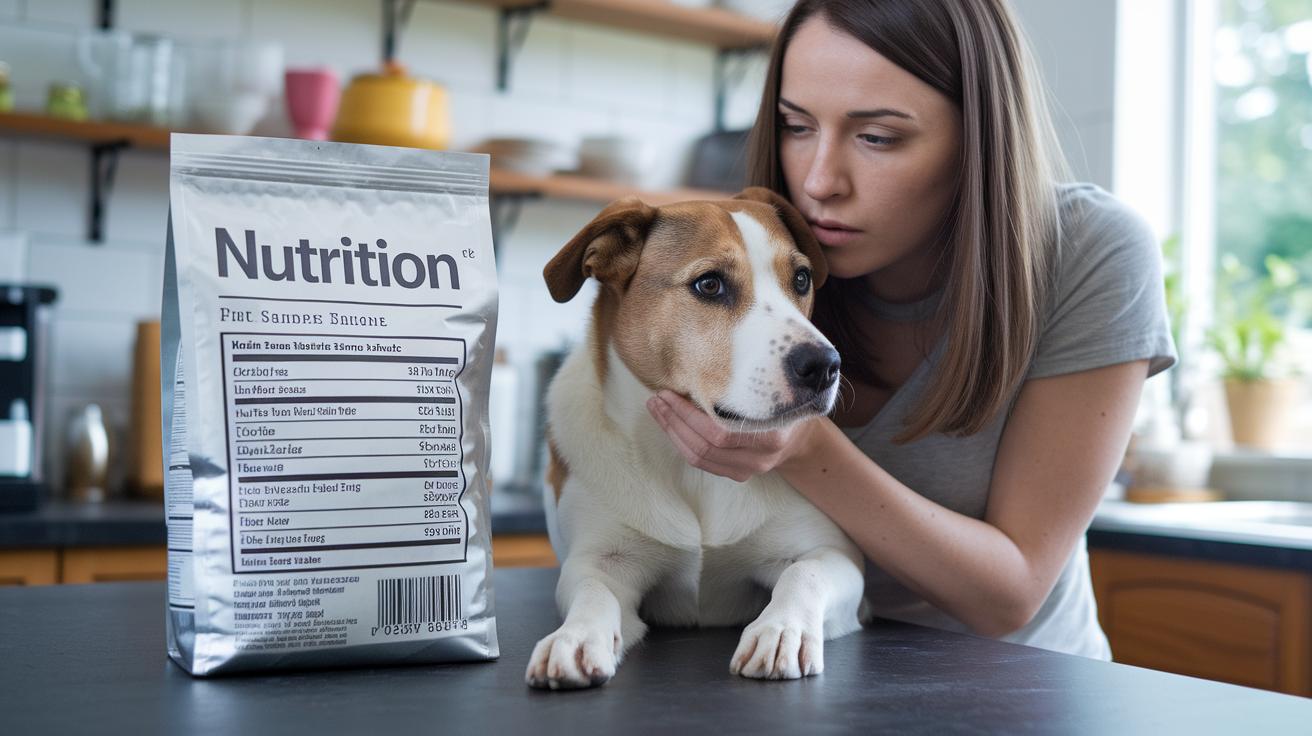
When planning your pet's meals, start by checking the Nutrition Facts panel for calorie counts. Look at numbers like calories per cup and calories per kilogram (kg) to set a daily target that fits your pet's needs.
You can use a calorie chart or an online calculator to figure out how many calories your pet needs. For example, a small dog might need about 300 calories a day, while a larger, active dog could need up to 1,500 calories. These numbers help you decide the right portion sizes for steady energy during play and everyday activities.
Once you've set a calorie target, adjust the number of meals and the serving sizes. Tools like a kibble dispenser make it easier to serve the right amount every time. Splitting the total daily calories into two or more meals helps keep your pet's energy balanced throughout the day and avoids sudden weight gain.
Keep an eye on your pet's weight by using a Body Condition Score (BCS) system, which is a way to check if your pet stays fit. Also, remember to count calories from treats because they can add up fast. Tracking these details lets you adjust portions and meal timing to help your pet stay healthy.
Tools and Tips for Accurate Pet Food Calorie Interpretation
Keeping track of your pet's calorie intake is very important. Tools like the Houndsy Kibble Dispenser let you measure the right portion easily with a simple crank. This helps ensure your pet gets exactly the amount noted on the Nutrition Facts. Stainless steel bowls with adjustable legs also keep the food at the perfect height for comfortable eating.
If you prefer digital help, try online calorie calculators. These let you enter the label details and your pet's daily calorie needs. They take the guesswork out of reading pet food labels and help you serve proper portions.
Combining these handy tools with advice from a veterinarian can make meal planning even better. A vet can help adjust your pet’s calorie needs based on activity and weight goals. Checking the dispenser against standard calorie values adds extra peace of mind. With these tips, you can confidently serve balanced meals that keep your pet active and healthy every day.
Final Words
In the action of decoding labels, we broke down calorie counts on pet food Nutrition Facts. We compared readings like calories per cup versus kcal/kg and explored how nutrient breakdowns guide feeding plans. We also looked at how different food types and processing methods affect calorie totals. All of these tips help you in Interpreting Pet Food Calorie Counts Nutrition Facts for better weight management and meal planning.
Keep mixing smart choices with hands-on care to keep your pet healthy and happy.
FAQ
Frequently Asked Questions
How do I interpret pet food calorie counts on nutrition facts for cat food?
Interpreting pet food calorie counts means reading labels that show energy like “calories per cup” or “kcal/kg.” This tells you how much energy your cat gains for daily activities and growth.
How can I use a kcal dog food calculator?
A kcal dog food calculator converts energy measurements so you can adjust portions. It helps you meet your dog’s daily energy needs based on weight, age, and activity level.
What does the AAFCO pet food Labeling Guide PDF cover?
The AAFCO Labeling Guide PDF explains pet food label terms and nutritional standards. It ensures that pet foods meet minutes of clear, science-backed guidelines for proper nutrition.
How do I convert kcal ME/kg to calories in pet food?
Converting kcal ME/kg to calories uses the metabolizable energy value. This conversion shows how much usable energy a pet food contains, helping you measure proper portions for your pet.
What does the Nutritional Adequacy Statement on dog food mean?
The Nutritional Adequacy Statement confirms that a dog food meets recognized nutrition standards. It tells you the food supports your pet’s health, growth, and maintenance when fed as directed.
What should I look for on a dog food ingredients list?
A dog food ingredients list shows protein sources, fats, carbohydrates, and essential nutrients. Checking the list helps you decide if the food suits your pet’s dietary needs.