

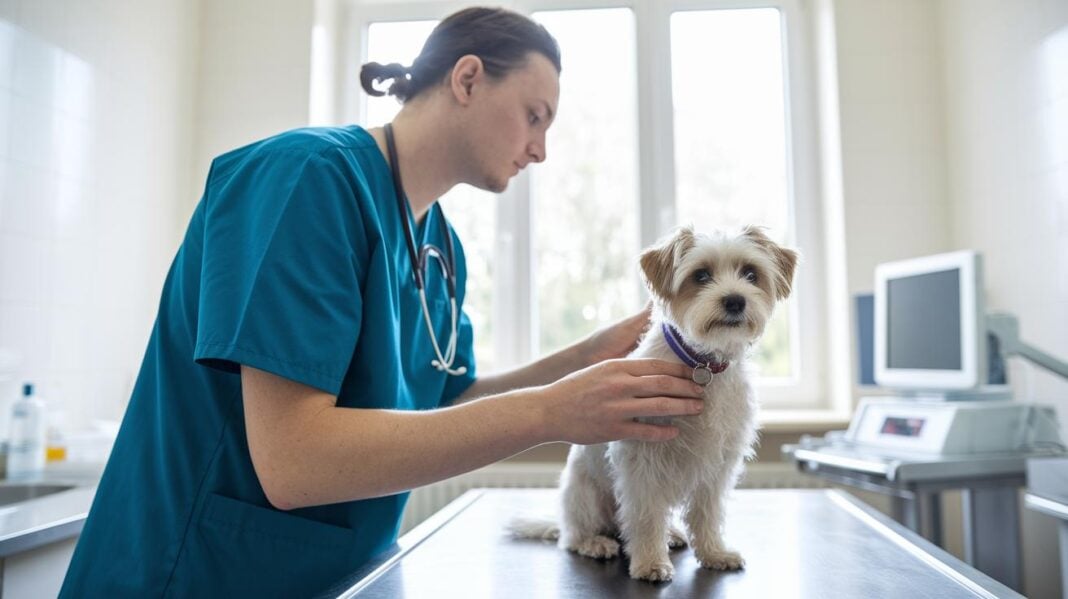

Is your dog having trouble catching their breath? Pneumonia in pets can come on quickly, making each breath a real struggle. You might notice a fast, heavy breathing or a high-pitched sniff after a cough. A quick, gentle visit to your vet can help your furry friend get back to feeling better. This guide explains how fast treatments work to ease your pet's discomfort and set the stage for a smoother recovery. Keep reading to find out how you can help bring comfort and relief to your pup.
Comprehensive Treatment for Dogs with Pneumonia
Pneumonia makes a dog's lungs and airways inflamed, which can lead to difficulty breathing. Quick care from a veterinarian helps most dogs recover completely. In many cases, bacteria (germs that cause infection) are the main cause, especially a bug called Bordetella bronchiseptica. This germ can make a dog's breathing much harder if not treated by a professional.
Young puppies, older dogs, and pets with weak immune systems need extra care because they are more likely to get pneumonia. You might notice signs like a high-pitched nasal sound, wheezing, or fast, heavy breathing. For example, if your dog starts breathing very quickly after a cough, it’s a good idea to call your vet right away, much like you would take a malfunctioning car to a mechanic.
Doctors for pets usually use chest X-rays, blood tests, and fluid samples to check how bad the infection is. After figuring out the issue, they start a treatment plan with antibiotics (medicines that fight bacterial infections). These medicines are often given for two to four weeks to make sure the infection is cleared and does not come back. Along with antibiotics, vets might use non-steroidal anti-inflammatory drugs (medicines that reduce swelling and fever) and sometimes oxygen therapy to help your pet breathe better.
It is important for you, as a pet owner, to follow your veterinarian’s advice closely. If you see improvements, like less wheezing and easier breathing, it means the treatment is working and your dog is on the path to feeling better.
Antibiotic Treatment Options for Canine Pneumonia
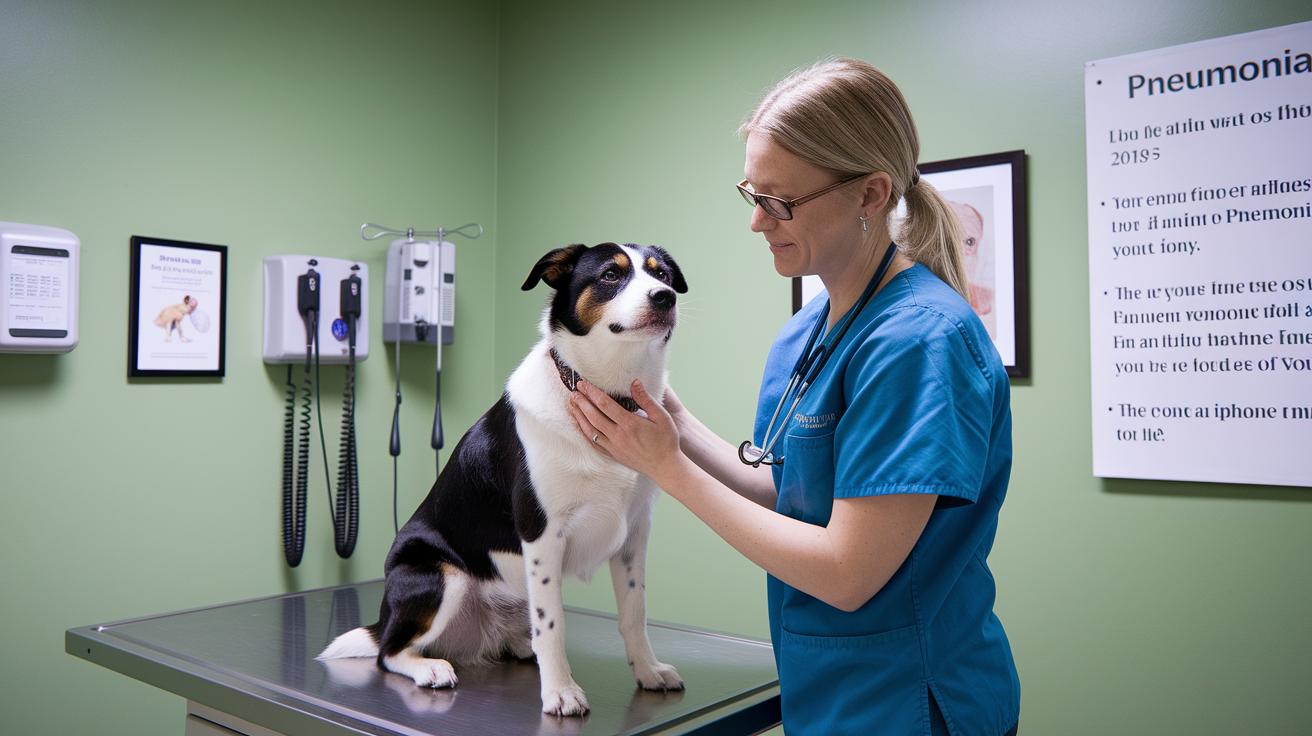
Veterinarians treat bacterial pneumonia in dogs using strong antibiotics. They may choose amoxicillin-clavulanate (known as Clavamox), doxycycline, or enrofloxacin to fight the germs causing lung and airway problems. A full treatment usually lasts 2 to 4 weeks, and it is important to follow the schedule exactly. One pet owner even shared that her dog improved quickly after a full 3-week course of doxycycline.
Along with antibiotics, other medications help your pet feel better. Non-steroidal anti-inflammatory drugs (NSAIDs) can lower fever and ease pain. For easier breathing, your vet might also prescribe bronchodilators, which open up tight airways so more oxygen can flow in. Sometimes, expectorants are used to help clear mucus, letting the medicine work better.
It is essential to stick to your veterinarian’s advice, especially when adjusting doses. Puppies and senior dogs often need different amounts because their bodies handle medicine differently. One vet mentioned that properly adjusting enrofloxacin in a small puppy can mean a smooth recovery instead of lingering health issues.
Key points for antibiotic treatment:
| Tip | Description |
|---|---|
| Complete the Course | Give all the antibiotics, even if your dog seems better early on. |
| Watch for Side Effects | Look for signs like an upset stomach or unusual tiredness and talk with your vet if they appear. |
| Follow Up | Return to your veterinarian for any needed dose adjustments or extra support. |
| Combined Treatment | Use NSAIDs, bronchodilators, or expectorants as recommended to manage both infection and discomfort. |
Following your vet’s treatment plan carefully can help your dog recover fully and return to its normal, happy self in no time.
Home-based Care in the Treatment for Dogs with Pneumonia
When your dog is recovering from pneumonia, a quiet space at home can make a big difference. A calm, well-ventilated room helps your dog breathe easier and feel less stressed. While your veterinarian handles the medical treatment, these tips can help your pup feel more comfortable.
Keep your dog in a peaceful spot where there aren’t too many noises or interruptions. Offering small, frequent sips of water keeps your dog hydrated without the risk of choking. You can also try a gentle steam session. For example, sit with your dog in the bathroom while a hot shower runs to help loosen thick mucus and open up airways. These ideas work well with the treatment your vet has prescribed.
Here are five simple tips for caring for your dog at home:
- Provide a quiet room with fresh air.
- Give small amounts of water often.
- Use short steam sessions to clear mucus.
- Maintain a comfortable and moderate room temperature.
- Keep an eye on your dog’s breathing and mood, and let your vet know if you notice any changes.
Using these steps along with professional care can help your dog recover from pneumonia smoothly.
Oxygen and Supportive Therapies for Canine Pneumonia Treatment
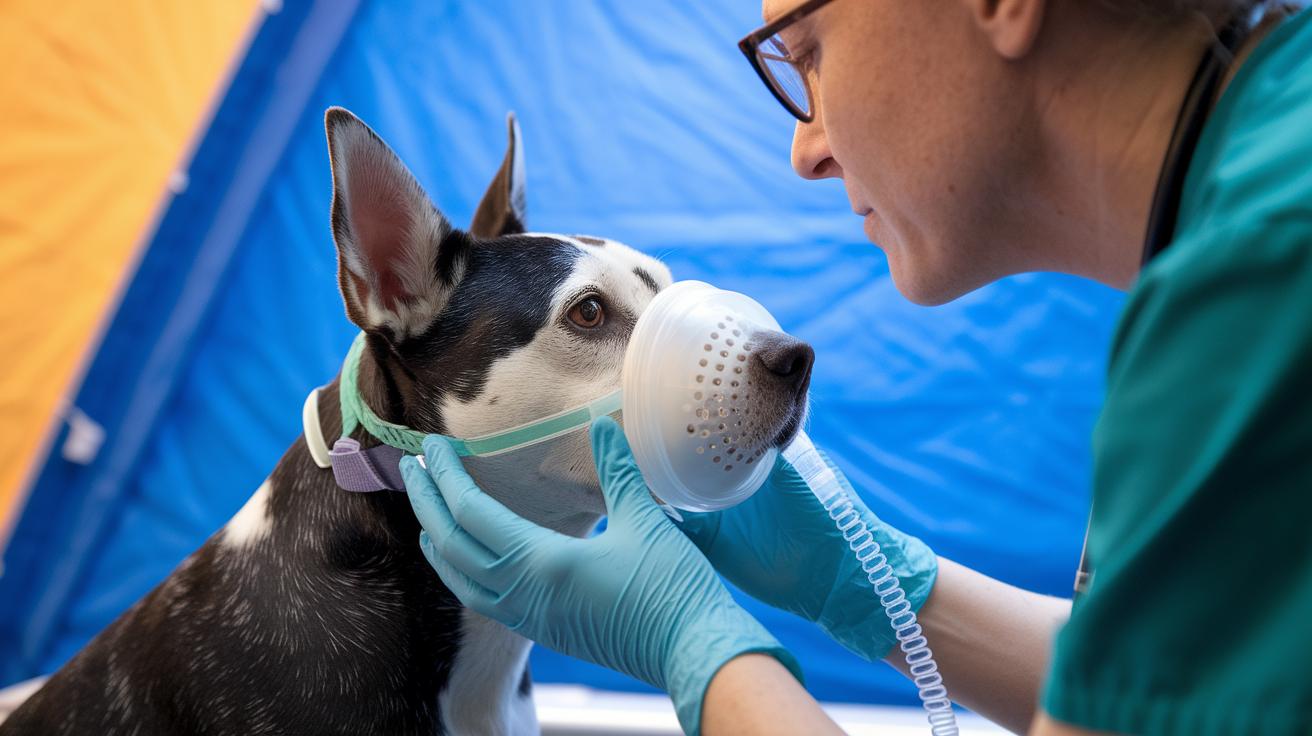
When a dog shows signs of moderate or severe pneumonia, providing extra oxygen is very important. Vets often use oxygen masks or tents to keep the dog's blood oxygen levels stable. They check these levels carefully and adjust the therapy to make sure the dog gets just the right amount of oxygen.
Along with oxygen support, vets use bronchodilators to help open up tight airways so air can get into the lungs more easily. Expectorants clear out mucus that might block the airways, letting fresh air reach deeper into the lungs. Vets also give non-steroidal anti-inflammatory drugs (NSAIDs) to reduce lung inflammation, lower fever, and ease any discomfort during recovery.
These supportive treatments work together with antibiotics to fight the infection and help stabilize the dog's overall condition. Many pet owners see that this combined approach leads to steadier breathing and faster relief from symptoms. It’s very important to follow your vet’s instructions to ensure that these therapies work well together with the main treatment.
Emergency Signs in Treatment for Dogs with Pneumonia
Keep an eye out for signals that need urgent care. Severe pneumonia in dogs can become dangerous in just a few hours when fluid builds up and swelling makes it hard for your dog to breathe. If your dog is struggling to breathe with big chest and belly movements, it means they are not getting enough oxygen. Look for blue or very light gums, deep tiredness, or sudden collapse as these can be signs of worsening problems. Also, if your dog stops eating or drinking for more than 12 hours, develops a high fever that does not let up, or if coughing and wheezing get worse even after resting, call your vet right away.
Before you head to the clinic, quickly write down when you first noticed these signs and any changes in your dog's behavior. This simple note can help your vet decide the best and quickest treatment plan.
Warning signs to watch for include:
- Difficult breathing with strong chest and belly movements
- Blue or very light gums
- Extreme tiredness or collapse
- Not eating or drinking
- A high fever that does not go down
- A cough or wheeze that gets worse
Acting fast can save your dog’s life, so don’t wait if you see any of these signs.
Recovery Planning and Monitoring After Pneumonia Treatment in Dogs
When a dog has mild pneumonia, you might see improvements in about 7 to 14 days. If the infection is more serious, recovery may take 4 to 6 weeks. Look for simple signs like fewer coughs, a good appetite returning, and steady, relaxed breathing. These are clear hints that your dog is starting to feel better. One pet owner even shared that the gradual boost in energy was a solid sign that treatment was doing its job.
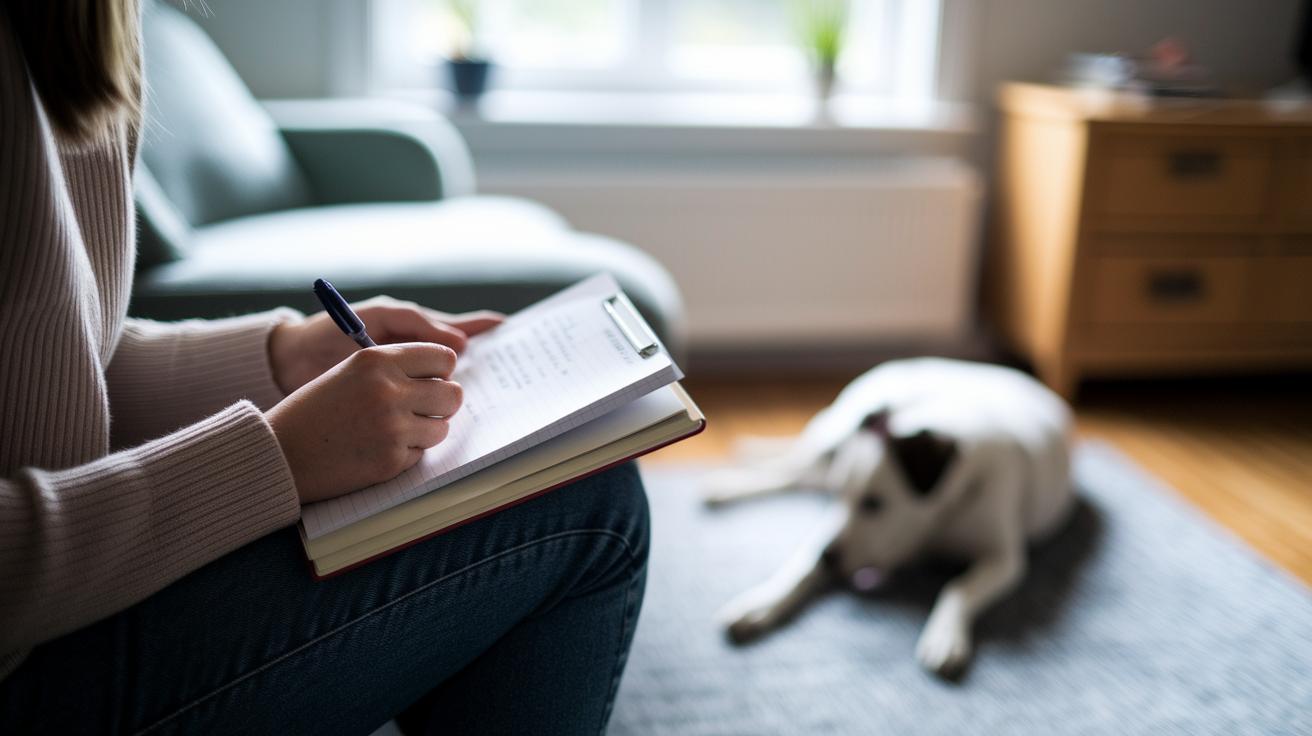
It’s a good idea to jot down your dog's every day behaviors. Write down changes like fewer coughs, more energy for play, and a return to regular meals. Seeing your dog back to playing or enjoying walks is a positive marker. Your vet might also suggest follow-up tests, like thoracic X-rays, to confirm that the lung infiltrates have cleared.
If new symptoms pop up, or if old signs return, say, the cough comes back or breathing speeds up, be sure to note these changes and reach out to your vet quickly. Keeping a simple record of progress and any setbacks helps your vet update your dog's treatment plan, ensuring the best path to a full recovery.
Veterinary Best Practices for Pneumonia Treatment in Dogs
We have combined this section with the full treatment plan to avoid repeating details from earlier parts. Here, we focus on how veterinarians select antibiotics using a test called an airway culture and adjust treatments just for your dog.
Veterinarians take a small sample from your dog's airway to see what germs might be causing the pneumonia. This process helps them pick the right antibiotic, much like testing a recipe before adding exactly the right spice. They also change the dose based on your dog's age, size, and overall health.
In the hospital, care is tailored even further. Fluid intake and nutritional support are adjusted specifically for each dog. Vets closely watch vital signs like heart rate and breathing, making small changes to help your dog get better as quickly as possible.
Holistic and Alternative Support in Treatment for Dogs with Pneumonia
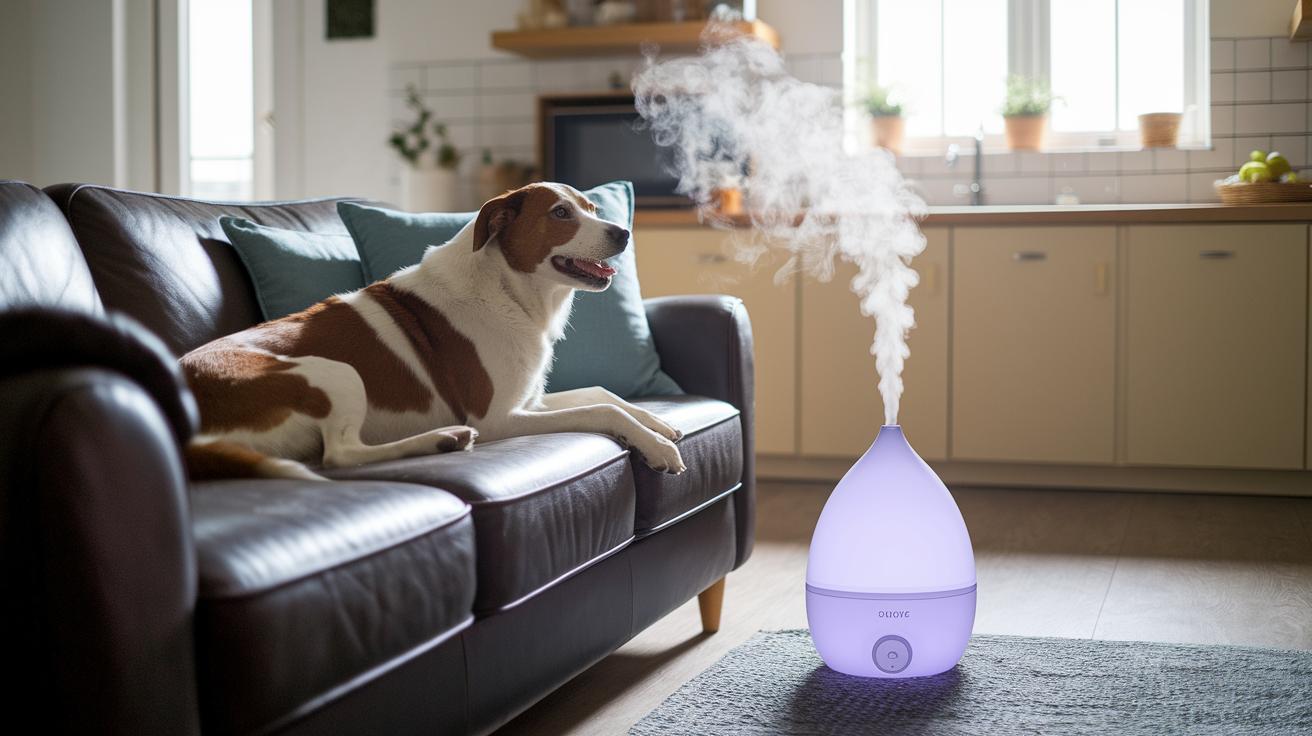
When your dog is dealing with pneumonia, extra therapies can help ease breathing and help the lungs heal while your vet handles the main treatment. One simple method is steam therapy, which works like a warm shower for your dog's airways. For example, a brief steam session, like the steam from a hot shower, can help loosen thick mucus, much like how fog clears when a window is warmed.
Sometimes, pet owners use honey-based cough soothers and certain herbal expectorants to calm a sore throat and help clear mucus. These natural remedies offer gentle relief alongside vital treatments like antibiotics or oxygen therapy.
Nutritional support is also important. Adding foods rich in antioxidants and omega-3 fatty acids (healthy fats) to your dog’s meals can help reduce inflammation and boost overall wellness during recovery.
Here are a few easy tips to help your dog stay comfortable:
- Feed your dog in an upright position to ease swallowing.
- Keep all vaccinations up to date.
- Limit exposure to smoke and other air irritants.
These holistic treatments are meant to be used with your vet’s advice so your furry friend gets the best chance at a smooth and speedy recovery.
Final Words
In the action, this post broke down a clear, step-by-step guide on caring for dogs with pneumonia. It covered diagnosis, antibiotic plans, home-based care, oxygen support, and emergency warning signs. The discussion also touched on recovery monitoring, vet best practices, and safe complementary approaches.
Each part highlights the critical role of treatment for dogs with pneumonia in ensuring a smooth recovery. Following these guidelines makes managing this condition easier and builds confidence in handling your pet's health. Stay proactive and positive in your pet’s path to wellness.
FAQ
Q: Can a dog recover from pneumonia?
A: A dog can recover from pneumonia with early diagnosis, proper veterinary treatment including antibiotics and supportive care, and close monitoring. Recovery success depends on the dog’s overall health and timely professional care.
Q: What are the four stages of pneumonia in dogs?
A: The four stages of pneumonia in dogs include initial infection, progression, consolidation (fluid build-up in the lungs), and resolution. Each stage may vary, so a veterinarian’s guidance is key for proper monitoring.
Q: What can you do for a dog with pneumonia at home?
A: Providing a calm, well-ventilated area, encouraging small, frequent sips of water, and using mild steam sessions to loosen mucus can support recovery at home, but always follow a vet’s treatment plan.
Q: What is the best medicine for dogs with pneumonia?
A: The best medicine typically involves antibiotics such as amoxicillin-clavulanate or doxycycline, chosen based on your dog’s condition. It is important to have a veterinarian determine the proper medication and dosage.