

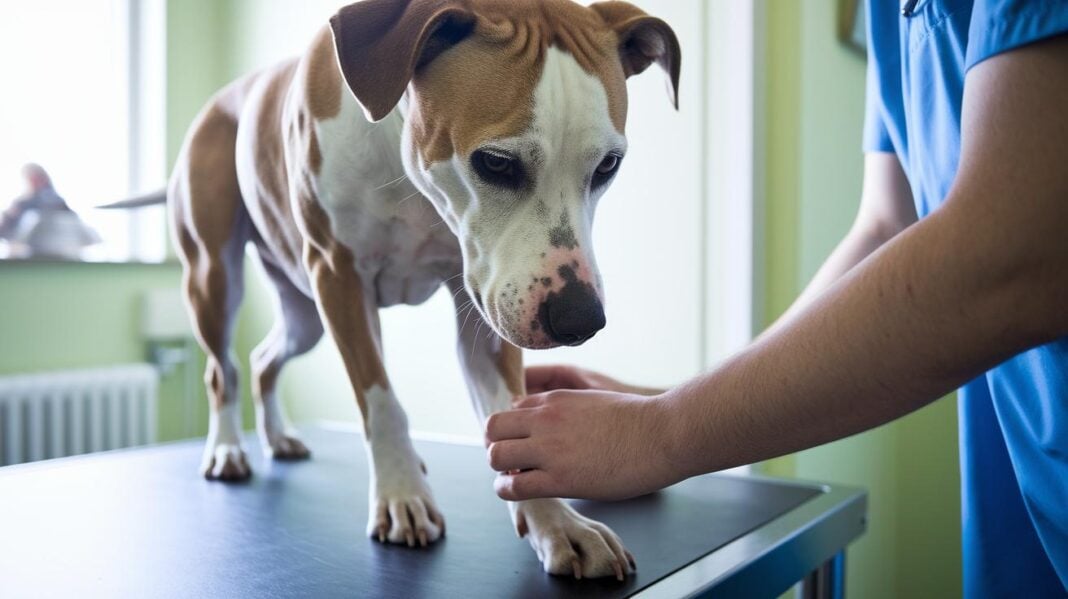

Is your dog not as excited to play as usual? Limping can be a sign that something is wrong and needs quick care.
In this guide, you'll find easy tips to help ease your pet's discomfort and get them feeling better fast. A short rest and a little care at home can make a big difference. Follow our simple, step-by-step advice to help your dog get back to their happy, active self soon.
Practical Treatment Steps for a Limping Dog
First, keep your dog from moving too much. A short rest of 24–48 hours can often help a mild limp get better. Set your pet in a quiet, familiar spot where they won't be tempted to jump or run around. You might even tell a neighbor, "My dog got better just by staying out of the busy areas for a couple of days."
Follow these easy steps:
- Confine your dog to a small area so they don't jump or run around.
- Only allow short, leash-supervised trips outside for bathroom breaks.
- Check the leg gently for any swelling, soreness, or signs of injury. Watch to see if your dog is limping or seems uncomfortable.
If you notice any of these signs, be extra careful:
- The leg is visibly swollen or feels warm.
- Your dog keeps avoiding using one leg.
- They seem hesitant to move or put weight on that leg.
Try using a cold pack for about 15 minutes on any swollen spots to help reduce inflammation. After the first day, if you think there might be a muscle strain, you can switch to a warm towel to help relax tight muscles.
Keep a close eye on your pet. If the limp lasts longer than 48 hours or your dog shows signs of pain, it’s time to call your veterinarian. If you think there might be a fracture or the limping gets worse, seek professional help immediately.
Remember, these first-aid steps can give quick relief, but a full checkup is important to make sure your dog heals properly.
Identifying Causes of a Limping Dog
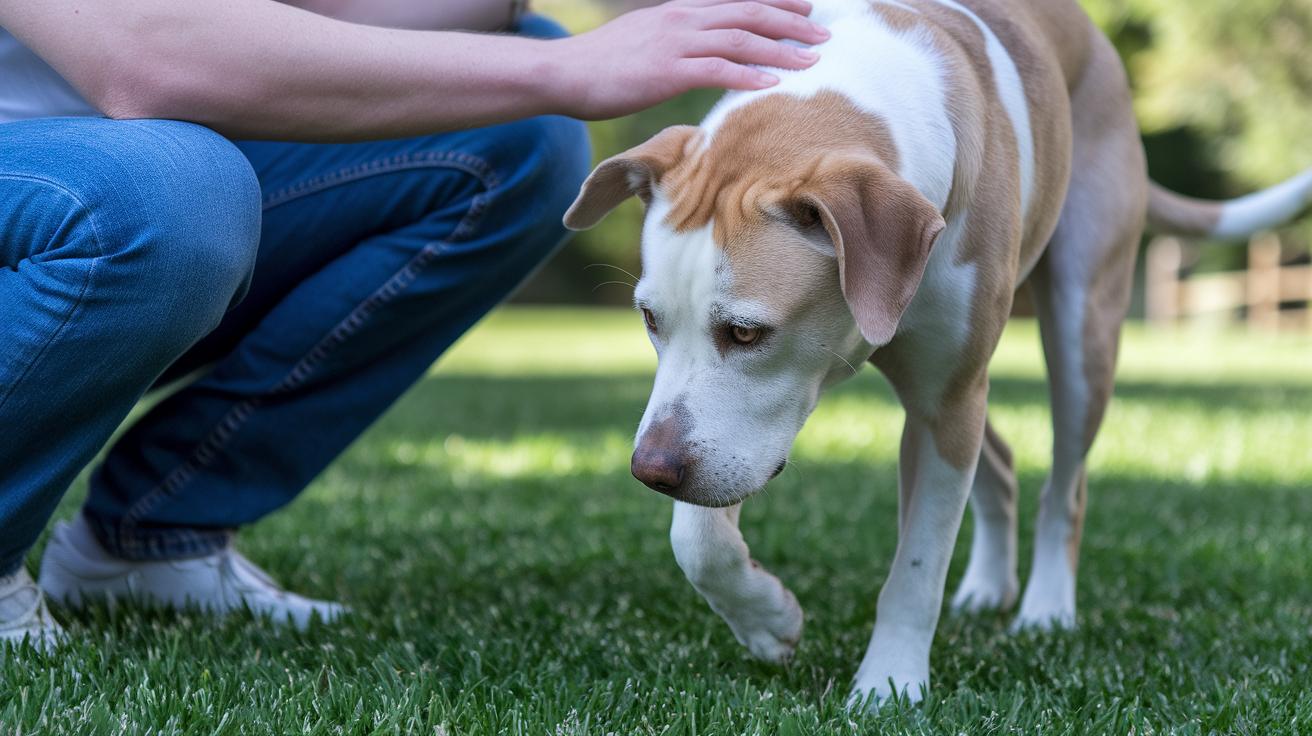
Dogs may start limping after an accident, rough play, or even a simple fall. These incidents can lead to muscle strains (small tears in the muscle), ligament sprains (stretched or torn ligaments), or even broken bones. Jumping and running can put extra stress on your dog's body and cause these injuries.
Large breeds like German Shepherds and Labradors may strain their knee ligaments during very active play. Commonly, they face cranial cruciate ligament tears, which happen when the knee is overworked. Smaller dogs such as Chihuahuas, Pomeranians, and Yorkshire terriers might have a shifting kneecap (luxating patella) that makes their limp clear.
Dogs of every size can also develop issues with their front legs. For example, carpal hyperextension is when the joints in the front legs become unstable and swollen. Even a tiny stone stuck between the toes can cause a short-term limp that your pet will not ignore.
To help figure out what might be wrong, watch if your dog is using one leg more than the other, if there is any swelling, or if moving causes pain. Think about any recent falls or rough play that might have led to the injury. These clues are important before you decide whether to try home care or visit your vet.
Home-Based Remedies for a Limping Dog
-
Give your dog plenty of quiet time for 24 to 48 hours. Set up a small, comfy space with rugs or non-slip mats so your pet feels safe. One pet parent said, "I made a cozy spot with soft rugs that kept my pup steady."
-
Place a cold compress on any swollen area for about 15 minutes. Later, you can use a warm towel to soothe sore muscles. One owner shared, "A cold pack followed by a warm towel really eased my dog's discomfort."
-
Keep outdoor play to a minimum. Use a leash for short bathroom breaks to make sure your dog does not overdo it.
-
Remove any clutter or obstacles from your home so your dog has a clear, safe path to walk on.
-
Watch the injured leg closely. If you see more swelling or notice changes in behavior, it could mean extra pain.
When to Seek Veterinary Care for a Limping Dog
If your dog is limping slightly, try to take care of him at home first. Keep him calm and rest him in a quiet spot with a soft bed. Watch how he moves over the next 24 to 48 hours to see if the limp improves.
Warning Signs of a Serious Problem
Be ready to call your veterinarian right away if you notice any of these signs:
- Your dog does not put any weight on his leg.
- The leg is swollen and feels warm to the touch.
- Your dog shows strong pain by whining a lot or staying very still.
- You see open wounds or think the leg might be broken.
If any of these occur, contact your vet or an emergency clinic immediately.
Professional Diagnostics and Treatment Methods for a Limping Dog
Veterinarians start with a full check-up by gently feeling your dog's legs, joints, and muscles to find any spots that hurt or swell up. They also watch how your dog walks to see if it keeps off one leg, which can show discomfort. Next, they ask your dog to move its joints to see how far it goes. These simple steps usually help point to a muscle strain, a ligament sprain, or even a tiny break in the bone.
Physical Examination
During the exam, the vet will move your dog's joints carefully to check for any stiffness or pain. They watch for changes in posture or how your dog stands and walks. This close look helps decide if the injury is small enough to heal with rest and basic painkillers or if something more serious is happening.
Imaging and Laboratory Testing
If the exam shows some problems, the vet may suggest extra tests. X-rays are used to see fractures or joint problems that you cannot feel by touch. Blood tests may also be done to check for other issues. Tick tests might be carried out too, as tick bites sometimes cause lameness. By putting all these clues together, your vet gets a good picture of what is wrong.
Once the issue is clear, treatment is planned based on your dog’s breed, age, overall health, and the specific injury. Non-surgical steps often include prescribed pain medicine, anti-inflammatory drugs, extra rest, and gentle exercises. These treatments work together to ease pain and help your dog get better faster.
Recovery, Rehabilitation, and Mobility Improvement for Limping Dogs
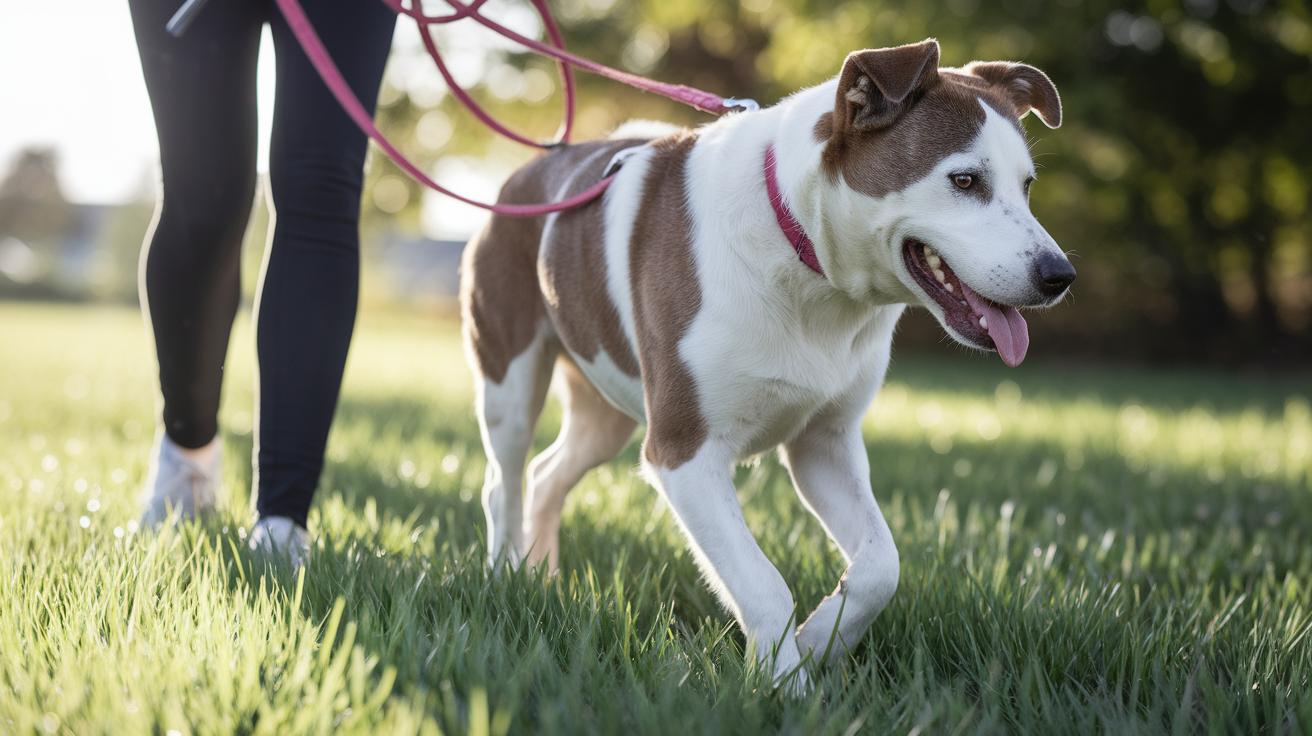
Helping your limping dog feel better takes gentle exercise. Begin with slow, short walks on a leash. These walks let your dog move easily while avoiding pain. Try simple sit-to-stand steps on a soft surface. This builds leg strength and helps with balance. Even five minutes of these small sessions can make a big difference over time.
Rehabilitation Exercises
Here are some easy exercises to start with:
- Take slow leash walks on flat ground.
- Do sit-to-stand drills that work muscles without putting too much pressure on joints.
- Gently move the leg through its natural range to keep it flexible.
Watch your dog closely during each activity. If an exercise seems to hurt, slow down and try it again later. A pet owner shared that these gradual walks and easy drills helped their dog get back on its paws quickly.
Assistive Devices and Support
Using simple support tools can ease the strain on a healing leg. Leg braces can help steady the joint during short walks. A pet sling might be useful for lifting your dog's hind end when needed. A small ramp at home can make it safer for your dog to get in and out of cars or onto furniture. These aids work best when you slowly introduce them and always keep an eye on your pet. Combine these tools with vet advice to speed up recovery and help your dog move normally again. Remember to keep the atmosphere calm and give lots of praise during each session.
Preventing Future Limping in Dogs
Keeping your dog healthy means watching both its food and activity. A balanced meal with proteins, fats, and carbohydrates helps your pet avoid extra pressure on its joints. Try to serve a mix of foods and control portions so your dog doesn’t gain too much weight. One pet parent shared that after changing her dog's meals and serving sizes, she noticed fewer episodes of limping over time.
Regular, gentle exercise is important too. Short walks, swimming, or calm indoor play keep joints moving safely. Too much running or jumping can lead to injuries that might cause limping later.
It’s also a good idea to visit your vet regularly. A quick check-up can spot early signs of joint trouble, and a simple exam or test might catch issues before they grow worse.
Creating a safe space at home can help, too. Remove clutter and secure rugs or mats on smooth floors so your dog won’t slip.
- Balanced meals to nourish joints
- Low-impact exercises for safe movement
- A clean, hazard-free home environment
Simple, steady efforts with diet, gentle exercise, and home safety can help your dog avoid limping and enjoy a more active life.
Final Words
in the action, we covered clear steps for treatment for limping dog. We talked through at-home care to ease pain, ways to spot when a vet visit is needed, and how professionals diagnose and treat your dog’s limp. We also shared tips on rehabilitation exercises and simple methods to prevent future injuries. Each step helps you act fast and with confidence. Small, careful actions today can get your pet back to a healthier, happier pace tomorrow.
FAQ
Q: My dog is limping but shows no sign of pain
A: The fact that your dog limps without showing clear pain may signal a mild discomfort or minor injury. Monitor its behavior, limit exercise, and check for swelling. If the limp lasts more than two days, contact your vet.
Q: Dog suddenly limping back leg
A: A sudden limp in the back leg can point to a strain or sprain. Limit your dog’s movement, consider using a cold compress to ease any swelling, and call your vet if the issue does not improve.
Q: How can I treat a limping dog at home without surgery
A: Treating a limping dog at home involves rest, limited exercise, and applying cold or warm compresses to reduce swelling or ease muscle strain. Watch your dog closely and seek veterinary care if it worsens.
Q: Can a dog’s limp heal on its own and how long should I wait before seeing a vet
A: A dog’s limp may improve within 24–48 hours with rest and controlled activity. If the limp continues past this period or your dog seems in increasing discomfort, it is time to see your vet.
Q: What is the best dog pain relief for limping
A: The best pain relief for a limping dog is medication prescribed by your vet. Over-the-counter drugs can be unsafe, so consult your veterinarian for safe pain management options.