

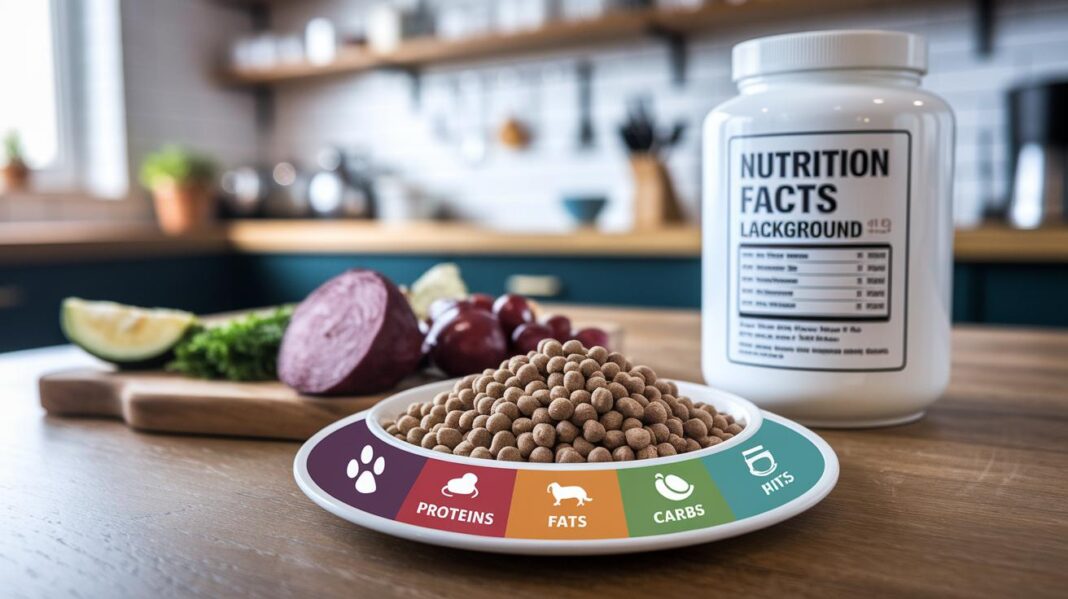

Do you find pet food labels confusing? Many pet parents worry about balancing protein, fat, and carbs without clear advice. The numbers on the label aren’t random. They show your pet’s energy and overall health. In our guide, we explain how these nutrients work side by side and why each one matters. You will learn to spot the hidden clues on the label and adjust your pet’s diet to match their age, energy, and health needs.
How to Read Pet Food Nutrition Facts and Balance Macronutrients
Pet food labels list protein and fat right away. Carbohydrates are figured out by subtracting the protein, fat, moisture, and ash (mineral residue left after burning) from 100%. This breakdown shows you how many calories come from each nutrient. When you look at a pet food label, make sure to check all parts, even if fiber isn’t there, and note moisture and ash because they can change the percentage readings.
Understanding these nutritional panels is key to planning a balanced diet for your pet. The best mix of protein, fat, and carbs depends on your pet’s age, activity, and health. For example, an active puppy needs a different mix than a calmer older pet. Balancing these numbers means checking the data against known standards for energy and body support.
To balance these nutrients, follow these steps:
- Read the label and record the percentages for protein and fat.
- Calculate the carbohydrate percentage by subtracting the total of protein, fat, moisture, and ash from 100%.
- Compare your calculated numbers with the ideal ranges for your pet’s age, activity, and overall health.
Understanding Macronutrient Roles in Pet Food Nutrition Facts
A pet food label shows you what keeps your pet active and healthy. When you understand proteins, fats, and carbohydrates, picking the right food becomes much simpler. Each of these nutrients gives your pet energy and helps their body work the way it should.
Proteins: Functions and Sources
Proteins are the building blocks that repair tissues and help form enzymes and hormones. They come mainly from lean meats like chicken and fish. Some plants, like soy, also offer good protein. If your pet isn’t getting enough protein, you might see a dull coat or slow growth. Keep an eye on their looks and energy to decide if their food needs a tweak.
Fats: Energy Provision and Essential Fatty Acids
Fats give over twice the energy per gram as proteins or carbohydrates. They are also the source of important fatty acids like omega-3 and omega-6 (fats that support brain function, skin health, and a shiny coat). Fish oil and flaxseed oil are great examples of healthy fats. Choosing the right fats in your pet’s diet helps with vitamin absorption and supports overall body functions.
Carbohydrates: Energy, Fiber, and Digestive Benefits
Carbohydrates provide fast energy and include fiber, which is great for digestion and keeping your pet’s gut running smoothly. Although dogs don’t need carbohydrates as an essential nutrient, good sources like whole grains or tubers add fiber that can improve stool quality. A balanced mix of carbohydrates, proteins, and fats is key to your pet’s overall well-being.
Recommended Macronutrient Ratios in Pet Food Nutrition Facts for Dogs and Cats
Making sure your pet gets the right mix of protein, fat, and carbs is very important for their energy and overall health. Pets at different stages of life have different needs. For example, puppies need more protein to help them grow quickly, plus enough fat to power their endless play. Adult dogs need a balanced diet that supports strong muscles without extra calories. Kittens require extra protein for lean muscle, while adult cats do best with fewer carbs since they are natural meat-eaters. Older pets might need fewer calories and more fiber for healthy weight management. Check out the table below for easy-to-follow nutrient guidelines that can help you choose the best food for your furry friend.
| Pet Category | Protein (%) | Fat (%) | Carbohydrate (%) |
|---|---|---|---|
| Puppy | 22–32 | 10–25 | 30–50 |
| Adult Dog | 18–25 | 5–15 | 30–50 |
| Kitten | 30–40 | 15–25 | 10–30 |
| Adult Cat | 26–30 | 9–16 | 2–10 |
Key Considerations for Balancing Macronutrients in Store-Bought Pet Foods

When you choose a commercial pet diet, start by looking for the AAFCO nutritional adequacy statement. This tells you the food is made for your pet’s stage in life. Check the ingredient list closely. The first ingredient should be an animal protein, like chicken meal. When an ingredient such as chicken meal appears first, it usually means the food has a high-quality protein that helps your pet grow and have energy.
Next, take a good look at the nutrition label. Compare the guaranteed analysis with digestibility estimates to see how well your pet might absorb the nutrients. If the label lists salmon oil instead of just generic animal fat, that shows the food includes healthy fats. Also, check if whole grains are used instead of fillers and if there is enough fiber to support healthy weight management. All these details work together to help you decide if the food is a good fit.
Before you make a purchase, remember that a higher price does not always mean better quality. Look carefully at the nutrient profile to see if it meets your pet’s specific needs. If you notice premium proteins and healthy fats at the top of the list, that’s a good sign. Still, if you’re unsure, talking to your veterinarian is a smart move to ensure your pet gets a balanced diet.
Crafting Homemade Pet Meals: Balancing Macronutrients Safely
Homemade meals let you tailor your pet’s diet while making sure each dish meets AAFCO’s basic standards. You can follow trusted guidelines by using lean meats, quality oils like salmon or flaxseed oil, and healthy carbohydrates such as sweet potatoes or brown rice. Use a nutrition calculator or check ingredient labels carefully to balance proteins, fats, and carbs. This way, you avoid missing nutrients or adding too much of something that might be harmful. And if your pet has chronic issues, it’s best to consult your vet.
Core Principles for Homemade Macro Balance
Start by adjusting your recipe to match your pet’s weight, energy level, and health needs. Measure the protein, fat, and carbohydrates in every ingredient, then tweak your recipe as needed. Lean meats like chicken or turkey, paired with good oils, help keep the diet balanced. Using the right amount of carbohydrates gives your pet enough energy without overfeeding. This careful selection of ingredients minimizes the risk of nutrient imbalances and supports your pet’s overall growth and strength.
Essential Supplements and Nutrient Testing
High-quality whole foods form the base of a good diet, but adding the proper supplements is key. Include extra calcium, vitamins, and trace minerals to support strong bones and smooth body functions. Nutrient analysis tools can confirm that your recipe meets AAFCO guidelines, ensuring each nutrient is just right. If your pet has special dietary needs or chronic conditions, getting advice from a veterinary nutritionist can be very helpful. Regular testing and monitoring will keep your homemade meals balanced and safe over time.
Monitoring and Adjusting Macronutrient Balance Over Time

Every week, weigh your pet and look at signs like muscle strength and the shine of their coat. Write down these details in a feeding journal along with the portion sizes and total daily calories. When you see changes such as weight gain or loss, mix up the protein, fat, and carbohydrates to fit your pet's new needs. This regular check helps keep your pet active and their energy levels stable.
Check the calorie information on your pet food and match it to how much your pet moves around. If your pet starts playing more or becomes less active, adjust the total calories they need. For pets that are either very energetic or a bit sensitive, try splitting their meals into smaller portions. This helps smooth out energy levels and makes digestion easier.
Keep an eye on your pet's overall energy and behavior. Record any changes and talk to your veterinarian if you have questions. These small adjustments based on careful observation help keep your pet’s diet in tune with their changing lifestyle.
Common Pitfalls and Veterinary Guidelines for Balancing Macronutrients
Feeding your pet too much or using commercial foods that aren’t balanced can cause serious health problems. Many pet owners accidentally overfeed, which can lead to extra weight, diabetes, and even joint pain over time.
If you decide to make your pet’s food at home, be extra careful to mix the right ingredients. A home-prepared diet that isn’t well planned might miss out on key vitamins or include too much of one nutrient. While too much protein might be okay for a healthy pet, animals with kidney or liver issues need less protein. Older pets also often do better with fewer calories and proteins that are easier for them to digest.
It’s really important to work with a veterinarian or a pet nutrition expert when you balance your pet’s meals. These professionals can help you read nutrition labels, choose the right mix of proteins, fats, and carbohydrates, and avoid common mistakes that lead to imbalances. This advice is even more critical if your pet has special dietary needs, ongoing health issues, or is in a later stage of life. Regular check-ups and keeping up with the latest research can help ensure your pet’s meals support their long-term health. Regular visits to your vet can catch problems early, keeping your pet happy and healthy every single day.
Final Words
In the action of reading and using pet food labels, we broke down how to spot protein, fat, and carbohydrate values, and discussed ways to tailor meals for various life stages. We shared steps to craft balanced homemade diets, monitor your pet’s progress, and avoid common pitfalls. This guide gives clear directions so you can confidently adjust your pet’s nutritional intake. Remember, balancing macronutrients in pet food nutrition facts helps keep your pet healthy, safe, and happy. Enjoy the journey of making informed choices for your furry friend.
FAQ
How do you balance macronutrients in pet food using nutrition facts?
Balancing macronutrients means reading the pet food label to pull protein, fat, and carbohydrate amounts. Using a dog food calculator helps align these numbers with your pet’s dietary needs.
What do dog food nutrition facts per 100g tell you about protein content?
Dog food nutrition facts per 100g show protein levels along with fats and carbs. These details help you verify that the food meets your pet’s energy and development requirements.
How can you create a balanced homemade diet for your dog?
Crafting a balanced homemade diet requires weighing lean meats, healthy fats, and controlled carbs, often guided by a dog nutrition chart or calculator. This method meets nutritional guidelines safely.
What does the 80 10 10 rule for dog food mean?
The 80 10 10 rule indicates a diet consisting of 80% protein, 10% fat, and 10% carbohydrates. This guideline helps pet owners design meals focused on high protein for lean muscle support.
What is the 25% rule in dog food and how does it relate to macro ratios?
The 25% rule suggests that one macronutrient—often protein—should make up about 25% of the food’s total weight. This ties into common macro ratios that vary based on the pet’s age and activity level.