

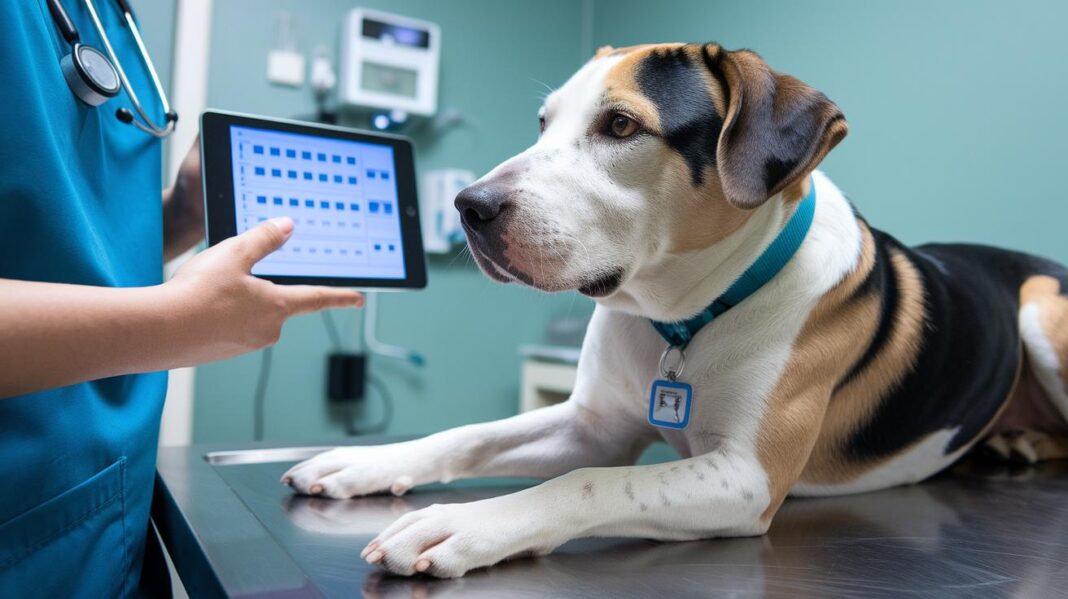

Have you noticed weird bumps on your dog's skin? They might seem scary, but they often aren’t a major problem. These bumps can be caused by papillomavirus (a virus that creates skin growths). Most of the time, the bumps go away on their own, but sometimes they need a little extra help.
Your vet can suggest treatments like medicine or a simple procedure if the bumps make life harder for your pet. In this article, you'll find clear steps and options to help your dog feel better fast. Keep reading for easy tips to keep your furry friend happy and healthy.
Comprehensive Treatment Approaches for Canine Papillomavirus
When your dog develops papillomas (wart-like, cauliflower growths), don't worry right away. Many of these growths go away on their own in one to five months. However, if a wart stays for more than three months or starts to grow quickly, it’s best to work with your vet. They might suggest a quick surgery if the wart interferes with eating or seems to be getting worse.
Medications can help manage these warts. Here are some options your vet might consider:
- Topical imiquinod, which helps boost your dog’s local immune response.
- Interferon-alpha, given as injections or oral doses two to three times a week for tougher cases.
- Oral azithromycin, which can help stop other infections from setting in.
- Cimetidine, an H2 blocker, used in some off-label treatments.
- Experimental tigilanol tiglate gel, applied under careful vet supervision.
There are both surgical and non-surgical ways to treat these growths. Cryotherapy freezes the wart with very cold temperatures and often means a faster recovery with less scarring. In cases where the wart is stubborn, your vet might remove it surgically, even though that can leave a small scar. Some treatments even use personalized vaccines made from your dog’s own cells to help its body fight the virus better.
It’s important to have your vet guide the treatment because the best choice depends on where the wart is, your dog’s age, and overall health. Always keep an eye on any signs of discomfort or changes in the wart and follow your vet’s advice closely.
To help your vet track the progress, consider keeping a simple log. Write down the size and number of warts and bring it to each visit. Regular check-ups will help adjust the treatment if needed and ensure your dog stays comfortable and healthy.
Recognizing Persistent Papillomas and Diagnostic Steps
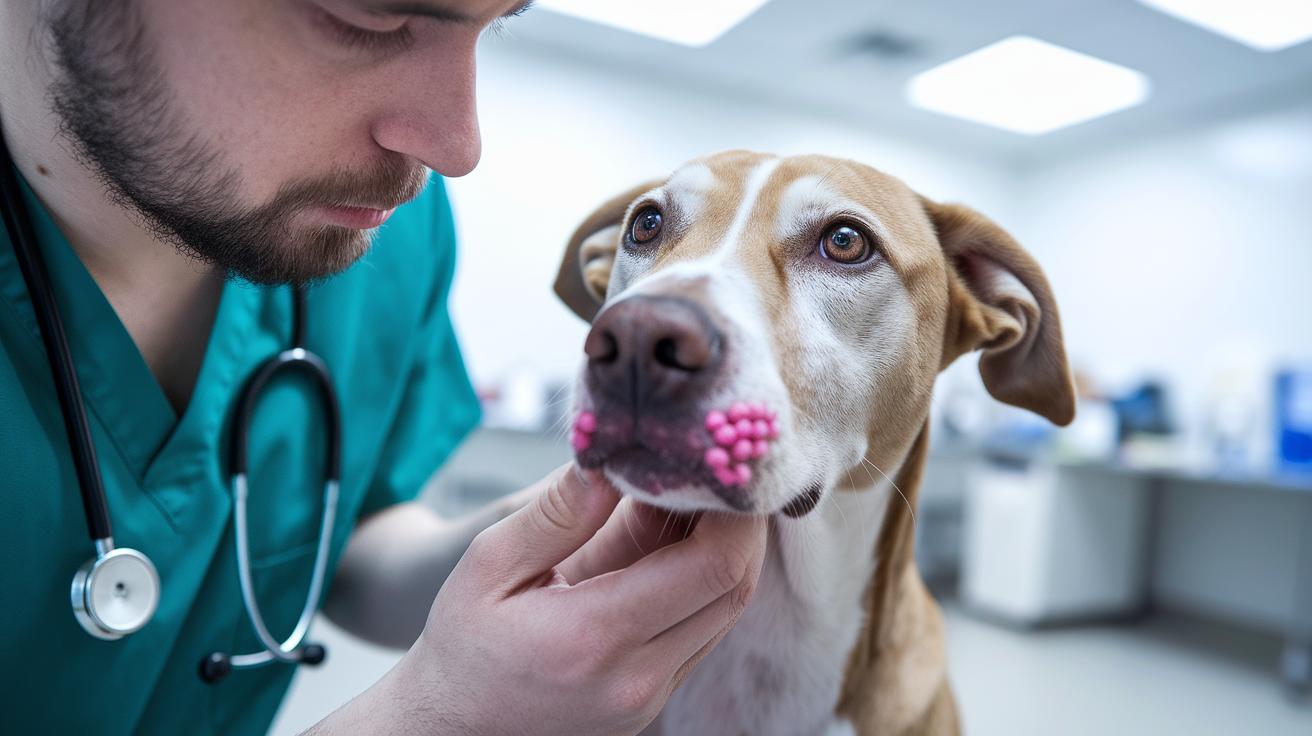
If you notice tiny bumps on your dog's lips, nose, or eyelids, take a closer look. Viral papillomas usually show up as pink or pale spots that feel smooth or a bit bumpy, almost like little pieces of cauliflower. These bumps can even appear between a dog’s toes. If something doesn’t seem right, it's a good idea to call your vet. One pet parent put it like this: "Imagine your dog’s little wart slowly growing until mealtime becomes a struggle, that's when a vet visit is a must."
The first step in diagnosing these bumps is a careful visual check by a veterinarian. They look for signs such as fast growth, bleeding, or any hint that your pet is in pain. If a bump sticks around for more than five months or makes it hard for your pet to eat or chew, a closer look is needed.
- Fast growth of the bump
- Bleeding or signs of discomfort
- Difficulty eating or chewing
- Bump lasting over five months
In these cases, your vet might suggest a biopsy (taking a small piece of tissue to look at under a microscope) and histopathology (studying the tissue for disease) to rule out cancer. These tests can cost around $500. Getting a clear diagnosis helps decide if the wart is just a harmless virus or if it needs further treatment. Keeping an eye on it and acting quickly can help keep your pet comfortable and healthy.
Medication Protocols and Antiviral Care for Dog Papillomas
When your dog has papillomas (wart-like growths), your vet may suggest certain medications based on your pet’s overall health, the size and location of the warts, and any extra issues. Here’s a simple guide on common treatments, the usual doses, how to give them, and what to watch for:
-
Azithromycin
- This medicine helps fight extra bacterial infections.
- It is usually given by mouth once a day at about 10 mg per kg. (Always check with your vet for the exact amount.)
- Keep an eye out for any signs of an upset stomach or loose stools.
- For example, a dog on azithromycin might show a quick drop in inflammation.
-
Imiquimod
- This is a cream that helps boost your dog’s local immune response at the wart site.
- Apply a thin layer on the wart three times a week as directed on the product label.
- Watch for skin irritation or redness.
- For example, a little mild irritation can be normal after applying the cream.
-
Interferon-alpha
- This treatment is given by injection or sometimes by mouth.
- In more severe cases, it is usually given 2 to 3 times a week to help adjust the immune system.
- Be alert for tiredness or reactions at the injection spot.
- For example, vets often check closely and adjust the injection schedule if needed.
-
Cimetidine
- This H2 blocker is sometimes used off-label to help adjust the immune response.
- It is typically given by mouth at about 10 to 20 mg per kg twice a day.
- Watch for a little upset stomach and tell your vet if there are any unusual symptoms.
-
Acyclovir
- This antiviral medicine is tried sometimes with varying results.
- Follow your vet’s specific instructions for dosage since each pet can respond differently.
- Keep an eye on any changes in your dog’s behavior or appetite.
-
Tigilanol tiglate
- This is an experimental topical gel used directly on the lesion under strict vet supervision.
- Check the treated area carefully for any signs of severe irritation or swelling.
-
DNA-based vaccines
- These new injections are meant to boost your dog’s overall immunity against the virus.
- They are given in a series over several weeks with clear follow-up care instructions from your vet.
- Monitor your pet for a mild fever or slight swelling at the injection spot, and let your vet know if these continue.
Surgical and Cryotherapy Techniques for Wart Removal
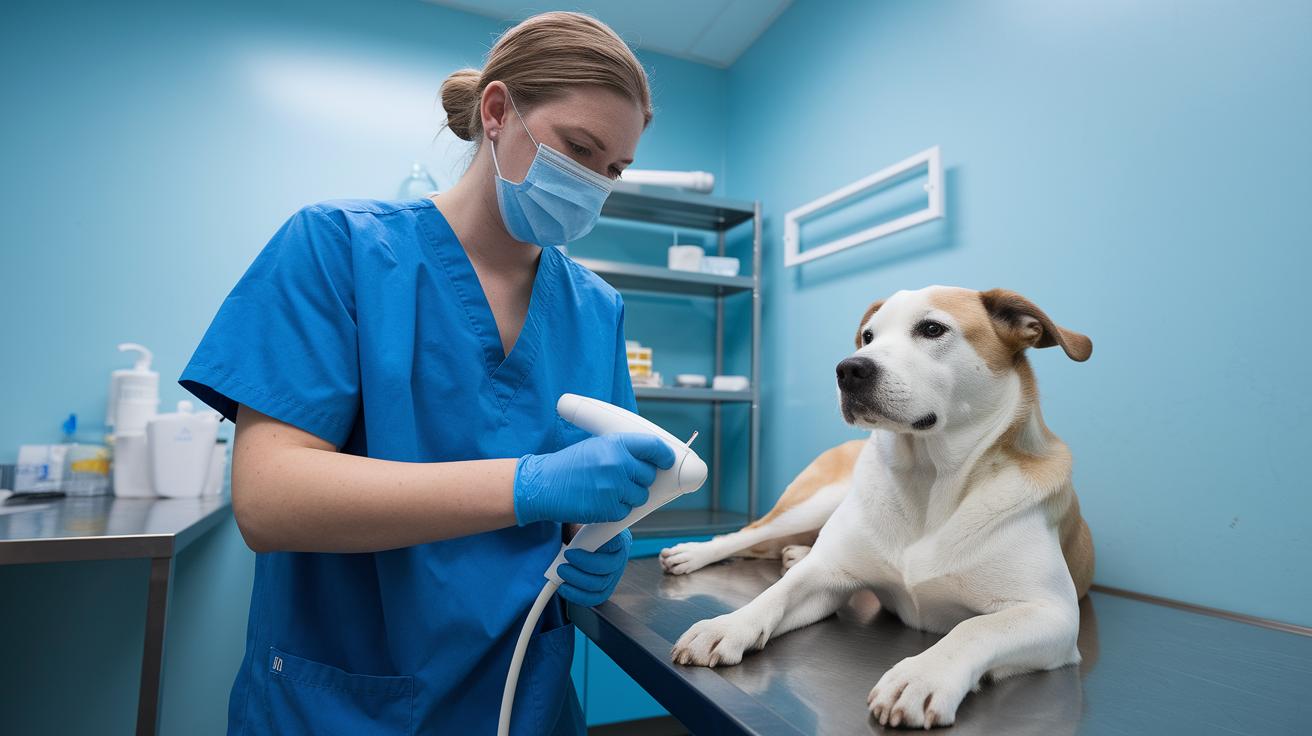
If your pet has warts from the papillomavirus, cryotherapy can be a gentle way to help. In this treatment, liquid nitrogen is used to freeze the wart tissue. This method usually needs only light anesthesia and leaves very little scarring. One pet owner said, "After one cryotherapy session, my dog's wart shrank noticeably, and he seemed to feel much better."
Surgical excision is another option, especially for warts that do not go away on their own or are larger. This procedure uses a small cut to remove the wart completely. It may use local or general anesthesia and can leave a small scar. A vet explained that for dogs with many warts near the mouth, this surgery not only removed the warts but also helped the pet eat and feel more comfortable.
Cost is an important factor to think about when choosing a treatment. Cryotherapy usually costs about $100 to $300 per session. In contrast, surgical removal can cost anywhere from $300 up to $2,500, depending on whether a general vet or a specialist performs the procedure.
| Method | Description | Approx. Cost |
|---|---|---|
| Cryotherapy | Freezes wart tissue with liquid nitrogen, low scarring | $100–$300/session |
| Surgical Excision | Removes the wart with a scalpel, uses anesthesia | $300–$2,500 |
Home Care, Natural Remedies, and Immune Support
Many dog owners find that caring for a pet with papillomavirus at home can work well with the care your vet provides. Start by gently cleaning the affected spots every day to help prevent extra infections. This light washing clears away debris and soothes irritation.
Some owners have noticed that, with proper vet advice, gently crushing one or two warts may help trigger your dog's natural defenses. Always check with your vet before trying this to make sure it’s safe.
A balanced diet is key for a strong immune system. Adding supplements like omega-3 fatty acids (healthy fats), vitamin E, and probiotics into your dog’s meals can give a boost to their natural immunity and help keep their skin healthy.
You might also try herbal options such as echinacea (a plant used to support immune function) or a few drops of essential oils. Although there isn’t a lot of research yet, some pet owners report they see positive changes.
Keep a daily log of your dog’s condition and note any changes in the lesions. This record will help you and your vet adjust the home care routine for the best results.
Preventive Measures to Limit Papillomavirus Spread
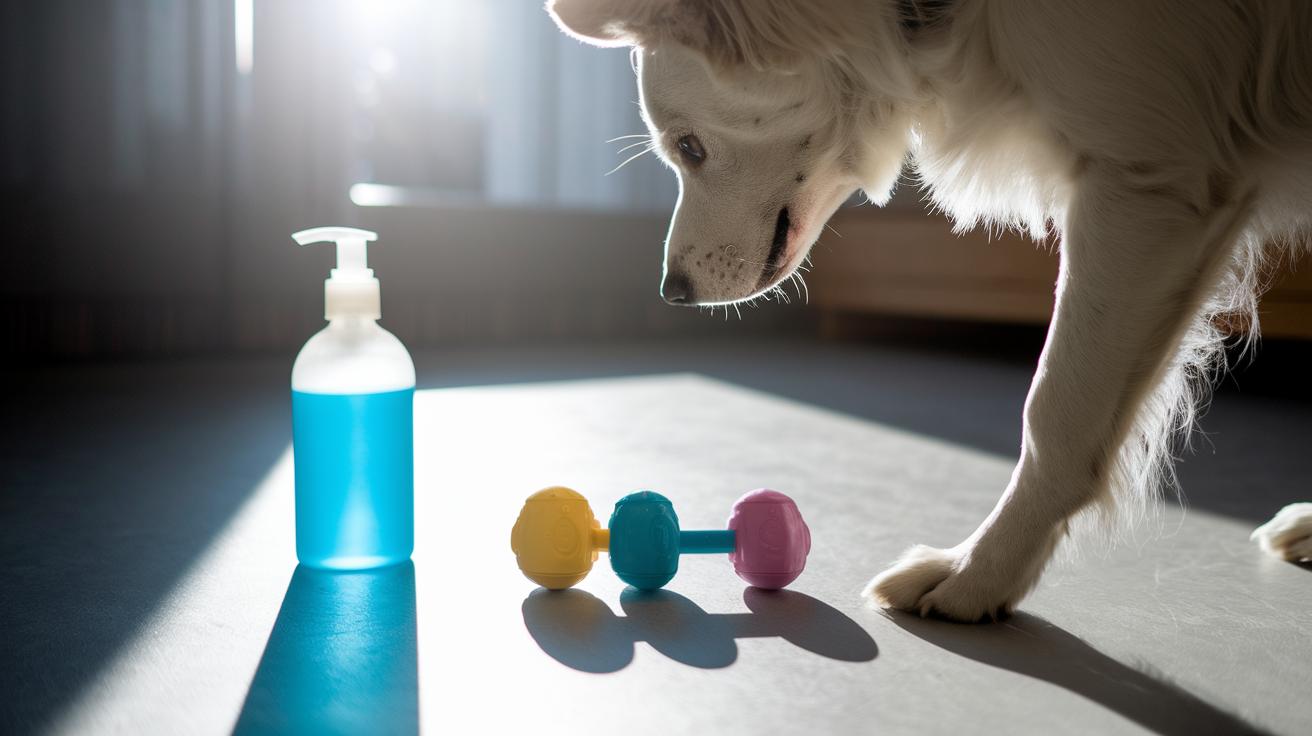
Dogs can get papillomavirus through tiny cuts or scrapes. Keeping a clean space for your dog is very important. Remove any sharp objects or debris from their play area so that small wounds do not become an entry point for the virus. Regular cleaning also helps keep other infections from spreading.
If your dog is infected, try to keep them away from puppies or older dogs with weaker immune systems. This helps protect pets that might have a harder time fighting off infections.
Follow these steps:
- Clean and disinfect toys, bedding, and grooming tools often.
- Pick up any debris or sharp items from play areas.
- Separate infected dogs from vulnerable ones until they get better.
- Support your pet's health with a balanced diet and vet-approved immune boosters.
Without a guaranteed vaccine for papillomavirus, good hygiene and a strong immune system are your best defenses. By using these tips, you can help keep your canine friends safe and healthy.
Prognosis, Follow-Up, and Recurrence Prevention
Dog warts often clear up by themselves within one to five months. If a wart sticks around for more than three months, call your vet for a quick check-up. For instance, you might note in your log: "Wart was 8 mm last month and is now 5 mm."
Older dogs or those with a weaker immune system might show small changes that hint the warts could return. It helps to keep a treatment log and mark any unusual growth or extra irritation.
Aftercare steps include:
- Jotting down any changes in the wart’s size or look.
- Keeping an eye out for signs of discomfort or skin irritation.
- Scheduling a vet visit if new warts appear or existing ones don’t improve.
Final Words
In the action, we covered a wide range of ways to treat papillomavirus in dogs. We broke down therapy options, from medication and surgery to home care and immune support, to give you a clear look at how to handle canine skin lesions. We discussed when to seek vet diagnosis and outlined steps to prevent the spread of viral warts. Your pet’s safety remains the top focus, and the right treatment can bring a big smile back to your furry friend. Enjoy peace of mind with informed pet care choices.
FAQ
What is the best treatment for papillomavirus in dogs?
The best treatment varies. Often, papillomas resolve on their own in one to five months. If they persist or cause discomfort, your vet may recommend cryotherapy, surgical removal, or medications like imiquimod.
How are home remedies and natural treatments used for canine papillomavirus?
Home remedies include gently cleaning the lesions and, under vet guidance, lightly interfering with warts to stimulate an immune response. Dietary support with omega-3, vitamin E, and probiotics can also help improve immunity.
What do dog papilloma stage pictures show?
These pictures show warts starting as small, smooth pink bumps that can grow into larger, cauliflower-like formations. They help indicate wart progression and signal when a vet check is needed.
What is canine papillomavirus?
Canine papillomavirus is a virus causing benign wart-like growths on a dog’s skin, often around the mouth, lips, and other soft areas. It usually resolves by itself but may need treatment if issues arise.
How long does papillomavirus last in dogs and can it go away on its own?
Papillomavirus in dogs typically lasts between one and five months. Many warts go away on their own, but if they persist or worsen, a veterinary evaluation is recommended.
What is the treatment for dog oral papilloma?
Treatment for oral papillomas is similar to other skin warts. They often resolve naturally, but if the lesions cause discomfort or affect eating, a vet might suggest topical treatments or removal for relief.