



Ever wonder if a mixed breed terrier could be your perfect furry friend? These lively pups mix terrier energy with traits from other breeds to boost their playful charm. Their curiosity makes every walk and game feel like a small adventure. In this post, you'll find easy care tips and learn more about what makes them so cheerful. Find out why these dogs do well in busy homes and how they can brighten your daily life.
What to Expect from a Mixed Breed Terrier
A mixed breed terrier mixes the feisty traits of terriers with other favorite breeds. These pups are energetic, confident, and a bit mischievous. They love to explore and solve little puzzles, sometimes acting like they are on a fun treasure hunt.
Size can be very different from one terrier mix to another. For example, a Yorkshire Terrier mix might be a small lap dog around 7 lbs (about 3 kg) perfect for apartment living. In contrast, a Pit Bull mix could be a medium or larger dog who loves long outdoor runs.
Their coats also vary. Short-haired mixes need a good brush about once a week, while dogs with longer or wiry coats do best with more frequent grooming to stay neat and comfortable.
Many mixed breed terriers enjoy the benefits of hybrid vigor, which means they may be less prone to some genetic health issues. Still, regular vet visits, vaccinations, and check-ups are important. Daily exercise for 30 to 60 minutes helps them burn off energy, and consistent, reward-based training makes life smoother for both you and your active companion.
Keeping an eye on their hips, teeth, and ears during routine check-ups can catch any issues early. A balanced diet paired with simple grooming keeps your terrier mix happy and healthy, promising many fun years together.
Origins and Ancestry of Mixed Breed Terriers

Terriers were originally bred to catch pests like rodents. Small terriers could squeeze into tight burrows, while larger ones were built to dig out prey. For example, Jack Russell Terriers were developed in the mid-1800s for fox hunting. They are known for their quick reflexes and bold spirit. These dogs helped farms and homes by keeping rodent numbers low. Their early work as hunters explains why terrier mixes today remain full of energy and determination. Did you know many traits in mixed breeds come straight from these hardworking hunting dogs?
Today, crossbreeding has turned the terrier legacy into many exciting mixes. Pitbull Terrier mixes combine the strength of bulldogs with the lively nature of terriers. Poodle-terrier hybrids, sometimes called Jack-a-poo or Roodle, are favorites because they shed very little and have a friendly personality. Yorkshire Terrier crosses, which weigh about 7 lbs (around 3 kg) when fully grown, are popular in urban areas. Rescue stories like Mabel’s, a terrier mix found on the streets of New Jersey, show that these dogs not only carry a rich history but also offer new chances for a loving home.
Mixed Breed Terrier: Cheerful Traits and Care
Mixed breed terriers are full of life and love. They mix different coat types and sizes with playful, smart personalities that fit well in many homes.
-
Morkie (Maltese x Yorkshire Terrier): This tiny pup has a soft, sometimes wavy coat that looks best when brushed every week. They are affectionate and full of energy, making them ideal for a cozy home.
-
Jackabee (Jack Russell x Beagle): These medium-sized dogs have short, easy-care coats. They are friendly and alert, and they enjoy active play and family fun.
-
Shorkie (Shih Tzu x Yorkshire Terrier): With a silky coat that needs regular grooming, these small dogs bring warmth and spirit to every room. They can be a bit headstrong during training, so a little extra patience helps.
-
Chorkie (Chihuahua x Yorkshire Terrier): Perfect for lap time, these small dogs sport a mix of smooth and slightly textured coats that don’t demand much upkeep. Their charming, bold nature works well in apartments.
-
Jack Chi (Jack Russell x Chihuahua): Small in size with a short, no-fuss coat, these playful pups are alert and benefit from simple, structured training.
-
Whoodle (Wheaten Terrier x Poodle): A medium-sized friend with a soft, slightly wavy, hypoallergenic coat, they need routine brushing. Their calm and gentle nature makes them great family companions.
-
Yorkipoo (Yorkshire Terrier x Poodle): These tiny dogs have silky, non-shedding coats perfect for indoor living. They are clever and playful, thriving on fun interactive games and gentle exercise.
-
Frenchton (Boston x French Bulldog): Ranging from small to medium, Frenchtons have smooth, easy-to-maintain coats. They are laid-back and friendly, enjoying modest exercise along with plenty of cuddle time.
-
Pitsky (Pitbull Terrier x Husky): These larger mixes have a double-layered coat that needs occasional care. They are energetic and loving, thriving in active homes where they can get lots of play.
-
Carkie (Cairn Terrier x Yorkshire Terrier): These small, lively dogs sport a wiry coat that might need an occasional trim. Their curious, protective nature shines through with regular training and socialization.
Temperament and Behavior of Mixed Breed Terriers

Mixed breed terriers are full of energy and confidence. They learn commands and tricks quickly, so training is both fun and fast. These dogs enjoy activities that challenge their minds, much like a playful puzzle. Sometimes, they can be a bit stubborn if a task isn’t challenging enough. Their natural curiosity and quick learning make reward-based training work really well. For example, a terrier mix might solve a puzzle toy in no time, showing just how smart and driven they are.
Early socialization is key for these lively pups. Regular encounters with people, other pets, and different places help them feel comfortable and less on guard. Organizing playdates, exploring new areas, and having many positive experiences can lessen any overprotective or wary behavior. Keeping training sessions short and engaging helps manage stubborn streaks or a strong prey drive. With this steady social exposure, they grow into balanced companions who enjoy both indoor and outdoor life.
Health Profile and Lifespan of Mixed Breed Terriers
Mixed breed terriers enjoy a boost from hybrid vigor. This means mixing breeds can lower the chance of some genetic health problems. Still, regular care is very important. Regular visits to your vet help spot issues early so they can be treated before they get worse. These active dogs need the same routine check-ups as purebred breeds.
| Health Concern | Description | Prevalence |
|---|---|---|
| Hip Dysplasia | A joint problem that can make movement difficult. | Common in larger mixes |
| Dental Disease | Issues with teeth and gums. | Frequent in small to medium mixes |
| Ear Infections | Infections or irritation in the ear canal. | Often seen in dogs with droopy ears |
| Obesity | Extra weight that can worsen other health problems. | Possible in less active dogs |
Vaccinations for mixed breed terriers follow a schedule similar to purebred dogs. Core shots usually start at 6-8 weeks, with boosters continuing until about 16 weeks. After this initial series, follow-up vaccines, and sometimes yearly or every three years, help keep them safe. Regular screenings, like checking the hips and knees, are key to long-term health. Smaller terriers often live 12-15 years, while larger ones average 10-13 years. Keeping up with these routine check-ups can help ensure your furry friend stays happy and healthy.
Grooming, Nutrition, and Exercise Needs for Mixed Breed Terriers

Mixed breed terriers need care that fits their coat type and keeps them clean. For dogs with short coats, a weekly brush is fine. But if your terrier has wiry or long hair, try brushing daily and giving occasional trims. Keep nail trimming to every 4 to 6 weeks, clean their ears once a week, and brush their teeth regularly. Think of nail trims like a quick sip of water, short but essential.
A healthy diet made of high-quality protein helps build lean muscle. Choose balanced meals that match your dog’s size and energy, and watch the portions carefully. You can even stir in safe veggies like chopped carrots to add a nice crunch.
Active terriers do best with about 30 to 60 minutes of exercise each day. Mix up a brisk walk with a game of fetch, puzzle toys, or a short hike. This not only gives them exercise but keeps their minds busy too.
Training and Socialization Tips for Mixed Breed Terriers
Reward-based methods have a big impact on terrier mixes. When you give treats and kind words as soon as your dog listens, it feels appreciated and ready to keep learning. Short, focused sessions help prevent boredom and make commands stick faster. Using fun toys and crate training also helps channel their energy positively, especially during times when they are alone. For example, when teaching a sit command, say "Great job!" and offer a treat right away. This simple, clear feedback avoids mistakes like long lessons or mixed signals.
Early social time helps these active pups grow into well-behaved friends. Small meet-ups with other dogs and calm visits to new places help ease any feelings of nervousness around strangers. Regular playdates with plenty of new sounds and smells build your dog's confidence. A quick buddy walk or a short play session at the park makes training fun and engaging. Being patient and clear, even when things get a bit bumpy, goes a long way in helping your terrier mix become a calm and happy companion.
Adopting and Buying a Mixed Breed Terrier
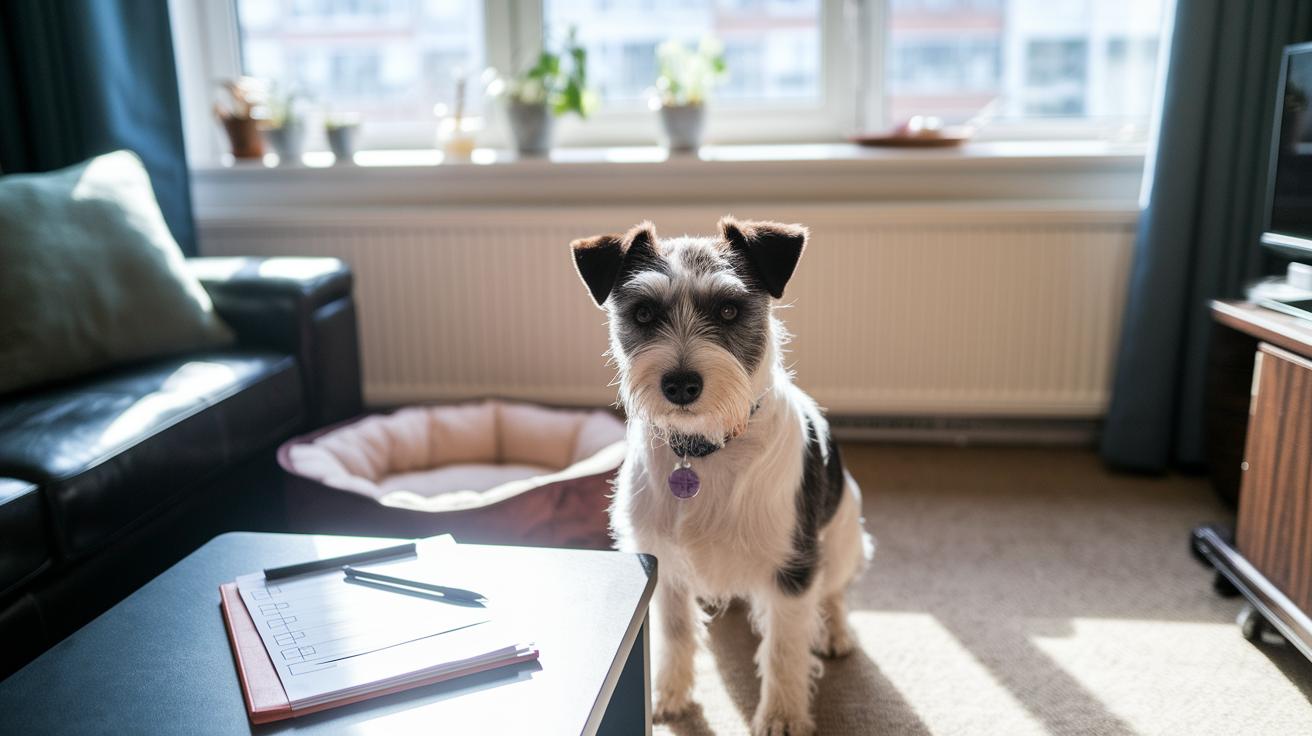
Before bringing a mixed breed terrier home, take a close look at your daily routine and living space. Smaller mixed terriers can be a perfect fit for apartment life, while a larger, energetic pup might need a yard to play and burn off energy. Local shelters and breed-specific rescues are great places to start your search. They usually charge an adoption fee between $50 and $300 and many of these dogs come with basic health checks and vaccinations already done.
If you decide to buy from a breeder, be sure to look for ones with clear health records and proof of breed history. These reputable breeders typically charge between $500 and $1,500 and often include a health clearance for the puppy. It can also help to ask about DNA testing, which explains the dog's mix and any traits to watch for. Many breeders also include microchipping, spay/neuter procedures, and a starter pack of vaccinations. Weigh your options carefully to ensure that you find the best match for your home and lifestyle.
Comparing Purebred and Mixed Breed Terriers
Mixed breed terriers often enjoy a boost from hybrid vigor, which means they might face fewer inherited health issues than purebreds. Their size, coat type, and personality can vary, which makes each dog unique. Many mixed terriers are cheerful, full of energy, and adapt well to different homes. Plus, adoption fees usually are under $300, making them an affordable and lively choice for many families.
On the other hand, purebred terriers have a well-known history of traits passed down through generations. This means you can expect reliable characteristics, but there is a higher chance of breed-linked health problems. Buying a purebred from a reputable kennel club breeder can cost $1,000 or more, which can really add up over time.
Ultimately, choosing between a mixed breed and a purebred boils down to what fits your lifestyle best. If you value potential health benefits and a lower starting cost, a mixed breed might be the way to go. But if you prefer consistency in traits and don’t mind the extra expense, a purebred terrier could be your best match.
Final Words
In the action, this post covered the key traits of a mixed breed terrier. It shared how these dogs inherit energetic personalities and varying sizes that suit different lifestyles. We reviewed the basics of grooming, nutrition, and training while providing advice on preventive care and local adoption options.
Keep these tips in mind when caring for your mixed breed terrier to ensure your pet stays joyful, safe, and healthy. Enjoy the everyday moments with your spirited companion!
FAQ
Where can I find mixed breed terrier puppies or pictures of them?
The search for mixed breed terrier puppies and images shows they are available at shelters and reputable breeders. These pups display energetic looks and diverse traits that appeal to many pet parents.
How does a terrier mix with pitbull lineage differ and is it considered a pitbull?
The terrier mix with pitbull influence blends energetic terrier traits with pitbull strength. Such mixes may show pitbull characteristics but they are not automatically classified as pitbulls without official breed details.
Are mixed terriers good dogs?
The quality of mixed terriers indicates they are usually energetic, intelligent, and loyal companions. With proper training and exercise, their adaptable temperament makes them a great choice for various homes.
What is the most common terrier mix?
The common terrier mix often seen in the pet world is the combination involving pitbull or other popular small breeds. Their blend results in lively and spirited dogs that appeal to many owners.
How big do terrier mixed breeds get?
The size of terrier mixed breeds ranges widely from small lap dogs, like Shih Tzu mixes, to medium or larger full-grown dogs. Their final size depends on the parent breeds and careful nutrition and care.