



Have you ever noticed how your puppy talks without words? Each wag of the tail, a quick blink, or a tilt of the ear is a little message. Your pup shows you when it is happy, a bit nervous, or just wants a cuddle.
Pay attention to these signals. They tell you how your pet feels so you can help it feel safe and loved. Understanding these simple cues builds a stronger bond with your furry friend.
Essential Signals for Understanding Puppy Body Language
Your puppy talks with its body. It shows how it feels by wagging its tail, holding its ears up or down, and even by the way it blinks. Watching these signs helps you know if your pup is excited, nervous, or needs comfort.
When you see a fast tail wag, it might mean your puppy is happy and ready to play. A slow blink often means trust and affection. Other clues include ear positions, eye contact, play bows, and even little actions like yawning or lip licking. These simple gestures give you a peek into what your puppy is feeling.
Noticing these signs can help you respond better to your pet's needs. It makes it easier to create a strong bond and keep your puppy feeling safe and loved.
Understanding Puppy Tail Wag Meanings
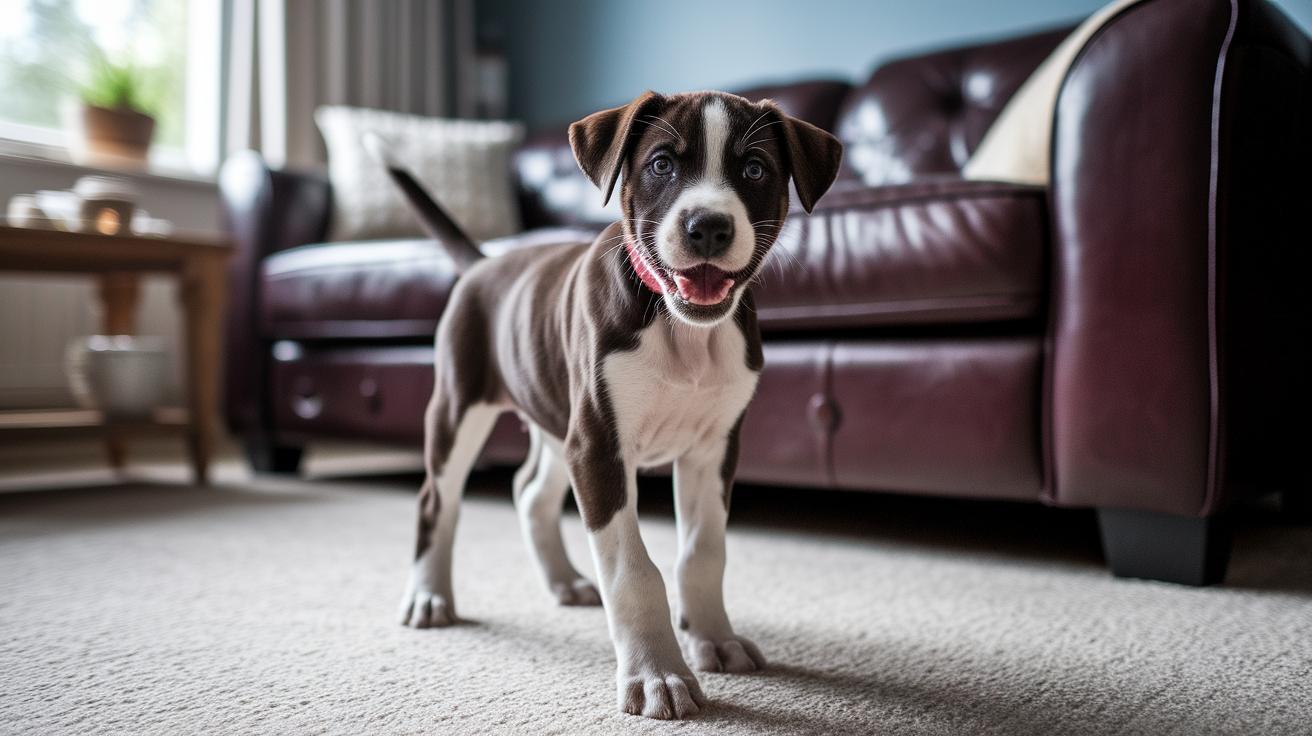
Your puppy’s wag tells a story about its feelings. Puppies show their moods with different tail movements that are simple to read. A big, sweeping tail wag means your pup is happy and eager to play. A slow, low wag might show that it feels unsure or is being a bit shy. When you see a tail held high and moving stiffly, it usually means your little friend is alert and watching everything closely.
Noticing these signs lets you cheer for their joy, comfort them when they seem nervous, or help them safely explore. By watching your puppy’s tail, you get clues about its mood and can care for it even better.
| Tail Wag Type | What It Means |
|---|---|
| Big, Sweeping Wag | Happiness and Excitement |
| Slow, Low Wag | Feeling Unsure or Shy |
| High, Stiff, Slow Wag | Being Alert and Observant |
Interpreting Puppy Ear Position Insights
When you see a puppy with ears that stand up and point forward, it means the pup is really paying attention. It might be curious about something fun or interesting nearby. With its ears pointed forward, the puppy can pick up sounds and notice little details in its world.
If a puppy’s ears are soft and droopy, it usually means the pup feels calm and content. You might see this when the puppy is resting at home or enjoying quiet time. The relaxed ears tell you that the puppy is comfortable and happy.
When a puppy keeps its ears pulled back close to its head, it can be a sign the pup feels scared or unsure. This ear position shows up in stressful or unfamiliar situations. If you notice this, try to calm your puppy or move away from what is upsetting it so that it can feel safe again.
Decoding Puppy Eye Contact and Facial Expressions

Puppies share feelings using their eyes and mouth. A quick, gentle look shows warmth and trust, inviting you to bond. Sometimes their eyes can say all the love a wagging tail might not. However, if your puppy holds your gaze for too long, it might mean they feel a bit uneasy. You may also see slow blinks, a calm way to handle stress, or small actions like a yawn or a quick lip lick. These signs help you understand when your little friend is nervous or trying to relax.
Gentle Eye Contact
When your puppy gives you a soft, brief look, it means they feel comfortable and connected. This kind of eye contact often happens during cuddles or calm playtime. It shows that your pup feels safe and enjoys your attention.
Prolonged Staring
A long, steady stare can feel a bit intense. If your puppy keeps eye contact for too long, they might be uncomfortable or alert to something new in their surroundings. It’s a good idea to check if something might be upsetting them.
Slow Blinks & Mouth Cues
Slow blinks, combined with small yawns or lip licks, are natural signs of calm and stress relief. These little actions show that your puppy is trying to relax or cope with a moment of tension.
Recognizing Playful Posture Cues in Puppy Body Language
Puppies show they are ready for fun by using their bodies. They do more than wag their tails, they use special moves to invite you to play. When your little friend is excited, you might see it lower its front legs while keeping its back up. This classic move is called a play bow and means "let's play."
Sometimes, your pup may tap with a paw or do quick, bouncy hops. Even a tail wag held at mid-height shows that your puppy is happy and ready to interact. These clear signals help you know when it's the perfect time to join in the fun.
When you notice these playful cues, try responding with kind words or a gentle playful gesture. This not only makes playtime more enjoyable but also builds a strong and trusting bond between you and your pet.
| Cue | What It Means |
|---|---|
| Play Bow | The puppy lowers its front legs and lifts its back end to invite play. |
| Pawing | Quick taps with a paw show the puppy wants interaction. |
| Bouncy Hops | Light and energetic jumps mean the pup is ready for playful exploration. |
| Mid-height Tail Wag | A tail wag that stays at mid-level signals a balanced and happy mood. |
Identifying Stress and Anxiety Signals in Puppies

When puppies enter a new place, they can easily feel overwhelmed and unsure. Loud noises, strange smells, and unfamiliar faces may quickly make them feel uneasy. Spotting these early signs is important so you can help your little one relax and gain confidence.
Keep an eye out for clear signals of stress. Your puppy might start backing away, flatten its ears against its head, or lick its lips and yawn repeatedly. Sometimes, you might even notice the white of the eyes, a clear sign that your pup is on high alert. Other signs include a tail tucked between the legs and a stiff, tense body. For example, if your pup shifts away from something and holds its tail low, it’s feeling unsafe.
It’s best to look for several of these signals together. One sign on its own might not mean much, but a combination, like a tucked tail with pinned ears and quick lip licking, shows your puppy is really stressed. When you see these clues, try to comfort your pet or adjust the surroundings. This simple approach lets your puppy face new challenges while you build a stronger bond together.
Applying Puppy Body Language Insights for Calming and Bonding
When you see your puppy showing signs of stress or excitement, it's important to respond quickly and gently. Look for clear signals like a tucked tail or a quick lip lick, which tell you your pet is feeling uneasy. A calm, soothing reply helps ease their anxiety and shows your pup that you understand their feelings.
Use a soft voice during stressful moments, give a gentle stroke, and even offer a quiet, safe spot where your puppy can retreat. Keeping a steady daily routine and occasionally rewarding calm behavior with small treats or favorite toys can work wonders. These simple techniques build a sense of security for your puppy, making them feel safe and understood.
Practicing these steps regularly strengthens the bond between you and your pup. Every time you respond with kindness, you help your puppy learn to manage stress better. With gentle words, reassuring touches, a secure environment, a steady routine, and a few rewards along the way, you’re setting the foundation for a confident, happy, and well-bonded companion.
Final Words
In the action, we explored the signals that show how puppies feel. We covered everything from tail wag types and ear positions to eye contact and stress cues.
These tips build confidence in understanding puppy body language. Using simple calming techniques and paying attention to playful and anxious signals helps strengthen the bond between you and your pet. Keep using these insights to support your puppy and watch it grow into a happy, well-adjusted companion.
FAQ
What digital resources are available for understanding puppy and dog body language?
The question about digital resources covers PDFs, YouTube videos, charts, and picture guides. These tools offer clear visuals and explanations to help pet parents quickly learn key body language cues.
What is the 5 minute rule for puppies?
The question about the 5 minute rule explains that brief, focused interactions are ideal for puppies. This guideline helps maintain their attention and supports early training without overwhelming them.
What is the 7 7 7 rule for dogs?
The question about the 7-7-7 rule outlines a balanced schedule where time is divided equally among training, play, and quiet bonding. This approach keeps a dog engaged and supports routine development.
What are red flag behaviors in puppies?
The question about red flag behaviors points to signals like intense fear, repeated aggression, or withdrawal. When these signs appear consistently, it may be time to consult a veterinarian or behavior specialist.
What is the hardest week of a puppy?
The question about the hardest week of a puppy refers to the period, often around 7 to 8 weeks, when puppies face significant changes. This time can be challenging as they adjust to their new home and rules.